
Vietnamese Pho Rice Noodle Bowl
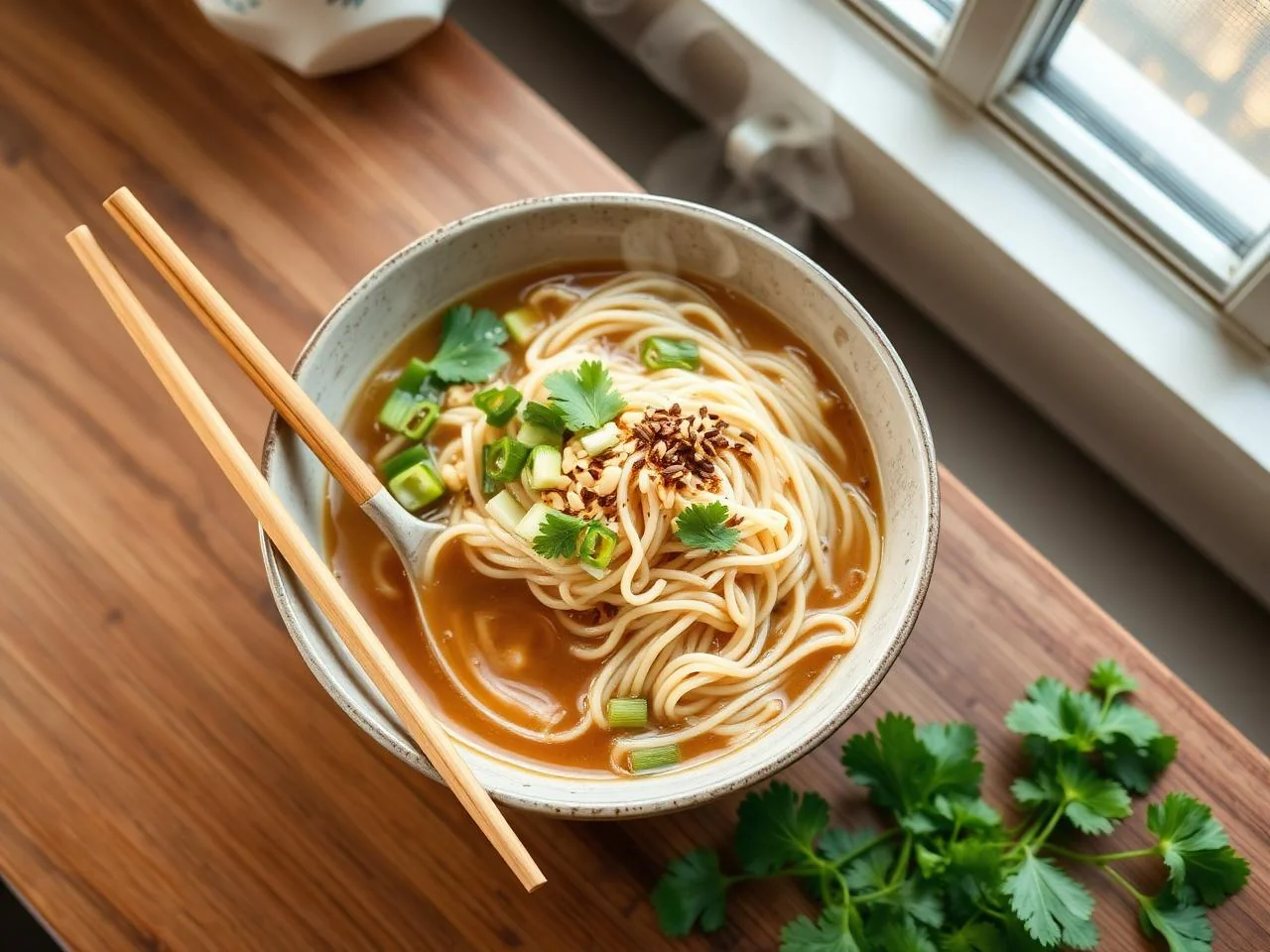
I still remember the first time I had a steaming bowl of Vietnamese pho - the rich, savory broth, the tender beef, and the soft, chewy rice noodles all combined to create a truly unforgettable dining experience. As a home cook, I was determined to recreate this beloved dish in my own kitchen, and after countless experiments, I'm excited to share my recipe for Vietnamese Pho Rice Noodle Bowl with you.
This recipe is the result of months of trial and error, as I worked to perfect the delicate balance of flavors and textures that make pho so special. From the slow-cooked broth to the velvety-smooth noodles, every component of this dish has been carefully crafted to transport your taste buds to the bustling streets of Hanoi.
Whether you're a seasoned foodie or just looking to spice up your weeknight dinner routine, this recipe is sure to become a new favorite. So grab a spoon, get ready to slurp, and let's dive into the wonderful world of Vietnamese pho!
One of the things that sets this recipe apart is its accessibility - I've used ingredients that are easy to find in most supermarkets, and the techniques involved are straightforward and simple to master. So don't be intimidated if you're new to cooking Asian cuisine - with this recipe, you'll be enjoying a delicious, authentic bowl of pho in no time.
As we explore the world of pho, you'll learn about the importance of using high-quality ingredients, from the fragrant spices and aromatics to the tender cuts of beef. You'll discover how to create a rich, savory broth that's both comforting and refreshing, and how to cook the perfect noodles to soak up all that delicious flavor.
Why You’ll Love This Recipe
- This recipe is easy to make and requires minimal special equipment
- The dish is highly customizable, so you can add your favorite toppings and ingredients
- Pho is a comforting, warming meal that's perfect for chilly fall and winter nights
- The recipe makes a large batch of broth, which can be frozen for future meals
- This dish is a great way to explore the flavors and ingredients of Vietnamese cuisine
- The recipe is relatively inexpensive, making it a great option for weeknight dinners
- Pho is a nutritious and balanced meal, packed with protein, fiber, and vitamins
Why This Recipe Works
The key to a great bowl of pho lies in the broth - a delicate balance of sweet, sour, salty, and umami flavors that all come together to create a truly harmonious whole. To achieve this balance, we'll be using a combination of beef bones, onions, ginger, and spices, all slow-cooked in a rich, flavorful stock.
Another crucial element is the noodles - we'll be using soft, chewy rice noodles that are perfectly cooked to soak up all the savory goodness of the broth. And of course, no bowl of pho would be complete without the tender, juicy beef - we'll be using thinly sliced rare steak, cooked to perfection and added to the bowl just before serving.
By layering these different components - the broth, the noodles, and the beef - we create a dish that's greater than the sum of its parts. Each bite is a perfect harmony of flavors and textures, with the rich broth, the soft noodles, and the tender beef all working together to create a truly unforgettable culinary experience.
Ingredients You’ll Need
To make this delicious Vietnamese Pho Rice Noodle Bowl, you'll need a few key ingredients, including beef bones, onions, ginger, and spices. You'll also need some high-quality rice noodles, as well as thinly sliced rare steak and your favorite toppings.
When shopping for ingredients, be sure to look for fresh, fragrant spices and aromatics, and opt for grass-fed beef bones for the richest, most flavorful broth possible.
- 2 lbs (1 kg) beef bonesLook for grass-fed beef bones for the best flavor and nutrition. You can also use a combination of beef and pork bones for added depth of flavor.
- 1 large onion, slicedUse a sweet, flavorful onion like Vidalia or Maui for the best results.
- 2 inches (5 cm) fresh ginger, slicedFresh ginger is essential for the authentic flavor of pho - don't substitute with ground ginger or ginger powder.
- 2 cloves garlic, mincedUse high-quality, fresh garlic for the best flavor. You can also add more garlic to taste, but be careful not to overpower the other ingredients.
- 1 tsp (5 ml) ground cinnamonCinnamon adds a warm, comforting flavor to the broth - use high-quality, freshly ground cinnamon for the best results.
- 1 tsp (5 ml) ground cuminCumin adds a rich, earthy flavor to the broth - use high-quality, freshly ground cumin for the best results.
- 1 tsp (5 ml) ground corianderCoriander adds a warm, slightly sweet flavor to the broth - use high-quality, freshly ground coriander for the best results.
- 1/2 tsp (2 ml) ground cayenne pepperCayenne pepper adds a touch of heat to the broth - use sparingly and adjust to taste.
- 1/2 tsp (2 ml) saltUse high-quality, flaky sea salt for the best flavor. You can also adjust the amount of salt to taste, but be careful not to over-salt the broth.
- 1/4 tsp (1 ml) black pepperUse freshly ground black pepper for the best flavor. You can also adjust the amount of pepper to taste.
- 8 cups (2 L) beef brothUse high-quality, low-sodium beef broth for the best flavor. You can also make your own beef broth from scratch using beef bones and vegetables.
- 1 lb (450 g) rare steak, slicedUse high-quality, grass-fed rare steak for the best flavor and texture. Slice the steak thinly against the grain for the most tender results.
- 1 cup (120 g) rice noodlesUse high-quality, fresh rice noodles for the best texture and flavor. You can also use other types of noodles, such as egg noodles or glass noodles, but rice noodles are traditional in pho.
Equipment You’ll Need
How to Make Vietnamese Pho Rice Noodle Bowl
- 1In a large, heavy pot, combine the beef bones, sliced onion, sliced ginger, garlic, cinnamon, cumin, coriander, cayenne pepper, salt, and black pepper. Pour in the beef broth and bring to a boil over high heat, then reduce the heat to low and simmer for at least 1 hour, or until the broth is rich and flavorful.
- 2While the broth is simmering, prepare the noodles according to the package instructions. Typically, this involves soaking the noodles in hot water for 5-7 minutes, or until they are soft and pliable. Drain the noodles and set them aside.
- 3Slice the rare steak against the grain into thin strips. You can also slice the steak into smaller pieces or strips, depending on your preference.
- 4To assemble the pho, place some of the cooked noodles into a large bowl or container. Add slices of the rare steak on top of the noodles, then ladle the hot broth over the top.
- 5Serve the pho immediately, garnished with your favorite toppings such as bean sprouts, lime wedges, basil, or chili sauce.
- 6For added flavor and nutrition, you can also add other toppings such as diced onions, sliced scallions, or pickled ginger.
- 7To make the broth more rich and flavorful, you can also add other ingredients such as fish sauce, soy sauce, or hoisin sauce to the pot during the last 10-15 minutes of simmering.
- 8If you prefer a clearer broth, you can skim off any excess fat or impurities that rise to the surface during the simmering process.
- 9To make the pho more substantial, you can also add other ingredients such as cooked chicken, pork, or tofu to the bowl along with the noodles and steak.
- 10For a spicy kick, you can add more cayenne pepper or red pepper flakes to the broth during the simmering process.
- 11To make the pho ahead of time, you can cook the broth and noodles, then assemble the bowls just before serving. You can also freeze the cooked broth and noodles for up to 3 months, then thaw and reheat as needed.
- 12To reheat the pho, simply place the cooked noodles and broth in a pot or microwave-safe container and heat until steaming hot. You can also add other ingredients such as cooked chicken or beef to the pot during the reheating process.
- 13For a vegetarian or vegan version of the pho, you can substitute the beef broth with a vegetable or mushroom broth, and use tofu or tempeh instead of the rare steak.
Expert Tips
- Use high-quality, fresh ingredients for the best flavor and texture.
- Don't overcook the noodles - they should be soft and pliable, but still slightly firm in the center.
- Adjust the amount of spices and seasonings to taste - you can always add more, but it's harder to remove excess seasoning from the broth.
- Use a large, heavy pot to simmer the broth - this will help to prevent scorching and promote even heating.
- Don't be afraid to experiment and add your own favorite ingredients to the pho - this is a highly customizable dish!
- For a clearer broth, you can skim off any excess fat or impurities that rise to the surface during the simmering process.
- To make the pho more substantial, you can also add other ingredients such as cooked chicken, pork, or tofu to the bowl along with the noodles and steak.
- For a spicy kick, you can add more cayenne pepper or red pepper flakes to the broth during the simmering process.
Common Mistakes to Avoid
- Overcooking the noodles - this can make them mushy and unappetizing.
- Not using high-quality, fresh ingredients - this can result in a bland, uninspiring broth.
- Not simmering the broth for long enough - this can result in a weak, unflavorful broth.
- Not adjusting the amount of spices and seasonings to taste - this can result in a broth that is too salty or too bland.
- Not using a large, heavy pot to simmer the broth - this can result in scorching and uneven heating.
- Not skimming off excess fat or impurities from the broth - this can result in a cloudy, unappetizing broth.
Variations and Substitutions
- Add other ingredients such as cooked chicken, pork, or tofu to the bowl along with the noodles and steak.
- Use different types of noodles, such as egg noodles or glass noodles, instead of rice noodles.
- Add other spices or seasonings, such as star anise or cinnamon, to the broth for added flavor.
- Use a different type of protein, such as pork or chicken, instead of rare steak.
- Add other toppings, such as diced onions or sliced scallions, to the bowl for added flavor and texture.
- Use a vegetable or mushroom broth instead of beef broth for a vegetarian or vegan version of the pho.
- Add other ingredients, such as diced bell peppers or sliced mushrooms, to the broth for added flavor and nutrition.
What to Serve With Vietnamese Pho Rice Noodle Bowl
Serve the pho hot, garnished with your favorite toppings such as bean sprouts, lime wedges, basil, or chili sauce. You can also add other ingredients, such as diced onions or sliced scallions, to the bowl for added flavor and texture.
For a more substantial meal, you can serve the pho with a side of steamed vegetables or a salad. You can also serve the pho as a snack or appetizer, garnished with fresh herbs and spices.
Make-Ahead, Storage, Freezing and Reheating
To store the pho, you can cool the broth and noodles to room temperature, then refrigerate or freeze them for later use. To reheat, simply place the cooked noodles and broth in a pot or microwave-safe container and heat until steaming hot.
You can also freeze the cooked broth and noodles for up to 3 months, then thaw and reheat as needed. To freeze, simply place the cooled broth and noodles in a freezer-safe container or bag, then store in the freezer until ready to use.
When reheating the pho, be sure to heat it until steaming hot, then serve immediately. You can also add other ingredients, such as cooked chicken or beef, to the pot during the reheating process for added flavor and nutrition.
For a make-ahead version of the pho, you can cook the broth and noodles, then assemble the bowls just before serving. You can also prepare the toppings and garnishes ahead of time, then store them in the refrigerator until ready to use.
Frequently Asked Questions
What type of noodles should I use for pho?
Rice noodles are traditional in pho, but you can also use other types of noodles, such as egg noodles or glass noodles.
How long should I simmer the broth?
Simmer the broth for at least 1 hour, or until it is rich and flavorful.
Can I use a slow cooker to make the pho?
Yes, you can use a slow cooker to make the pho. Simply brown the beef bones and cook the vegetables in a pan, then transfer everything to the slow cooker and cook on low for 6-8 hours.
What type of protein should I use in the pho?
Rare steak is traditional in pho, but you can also use other types of protein, such as cooked chicken or pork.
Can I make the pho ahead of time?
Yes, you can make the pho ahead of time. Simply cook the broth and noodles, then assemble the bowls just before serving.
How do I store the pho?
To store the pho, you can cool the broth and noodles to room temperature, then refrigerate or freeze them for later use.
Can I freeze the pho?
Yes, you can freeze the pho. Simply place the cooled broth and noodles in a freezer-safe container or bag, then store in the freezer until ready to use.
How do I reheat the pho?
To reheat the pho, simply place the cooked noodles and broth in a pot or microwave-safe container and heat until steaming hot.
Ingredients
- 2 lbs (1 kg) beef bones
- 1 large onion, sliced
- 2 inches (5 cm) fresh ginger, sliced
- 2 cloves garlic, minced
- 1 tsp (5 ml) ground cinnamon
- 1 tsp (5 ml) ground cumin
- 1 tsp (5 ml) ground coriander
- 1/2 tsp (2 ml) ground cayenne pepper
- 1/2 tsp (2 ml) salt
- 1/4 tsp (1 ml) black pepper
- 8 cups (2 L) beef broth
- 1 lb (450 g) rare steak, sliced
- 1 cup (120 g) rice noodles
Instructions
- In a large, heavy pot, combine the beef bones, sliced onion, sliced ginger, garlic, cinnamon, cumin, coriander, cayenne pepper, salt, and black pepper. Pour in the beef broth and bring to a boil over high heat, then reduce the heat to low and simmer for at least 1 hour, or until the broth is rich and flavorful.
- While the broth is simmering, prepare the noodles according to the package instructions. Typically, this involves soaking the noodles in hot water for 5-7 minutes, or until they are soft and pliable. Drain the noodles and set them aside.
- Slice the rare steak against the grain into thin strips. You can also slice the steak into smaller pieces or strips, depending on your preference.
- To assemble the pho, place some of the cooked noodles into a large bowl or container. Add slices of the rare steak on top of the noodles, then ladle the hot broth over the top.
- Serve the pho immediately, garnished with your favorite toppings such as bean sprouts, lime wedges, basil, or chili sauce.
- For added flavor and nutrition, you can also add other toppings such as diced onions, sliced scallions, or pickled ginger.
- To make the broth more rich and flavorful, you can also add other ingredients such as fish sauce, soy sauce, or hoisin sauce to the pot during the last 10-15 minutes of simmering.
- If you prefer a clearer broth, you can skim off any excess fat or impurities that rise to the surface during the simmering process.
- To make the pho more substantial, you can also add other ingredients such as cooked chicken, pork, or tofu to the bowl along with the noodles and steak.
- For a spicy kick, you can add more cayenne pepper or red pepper flakes to the broth during the simmering process.
- To make the pho ahead of time, you can cook the broth and noodles, then assemble the bowls just before serving. You can also freeze the cooked broth and noodles for up to 3 months, then thaw and reheat as needed.
- To reheat the pho, simply place the cooked noodles and broth in a pot or microwave-safe container and heat until steaming hot. You can also add other ingredients such as cooked chicken or beef to the pot during the reheating process.
- For a vegetarian or vegan version of the pho, you can substitute the beef broth with a vegetable or mushroom broth, and use tofu or tempeh instead of the rare steak.