
Filipino Pancit Bihon
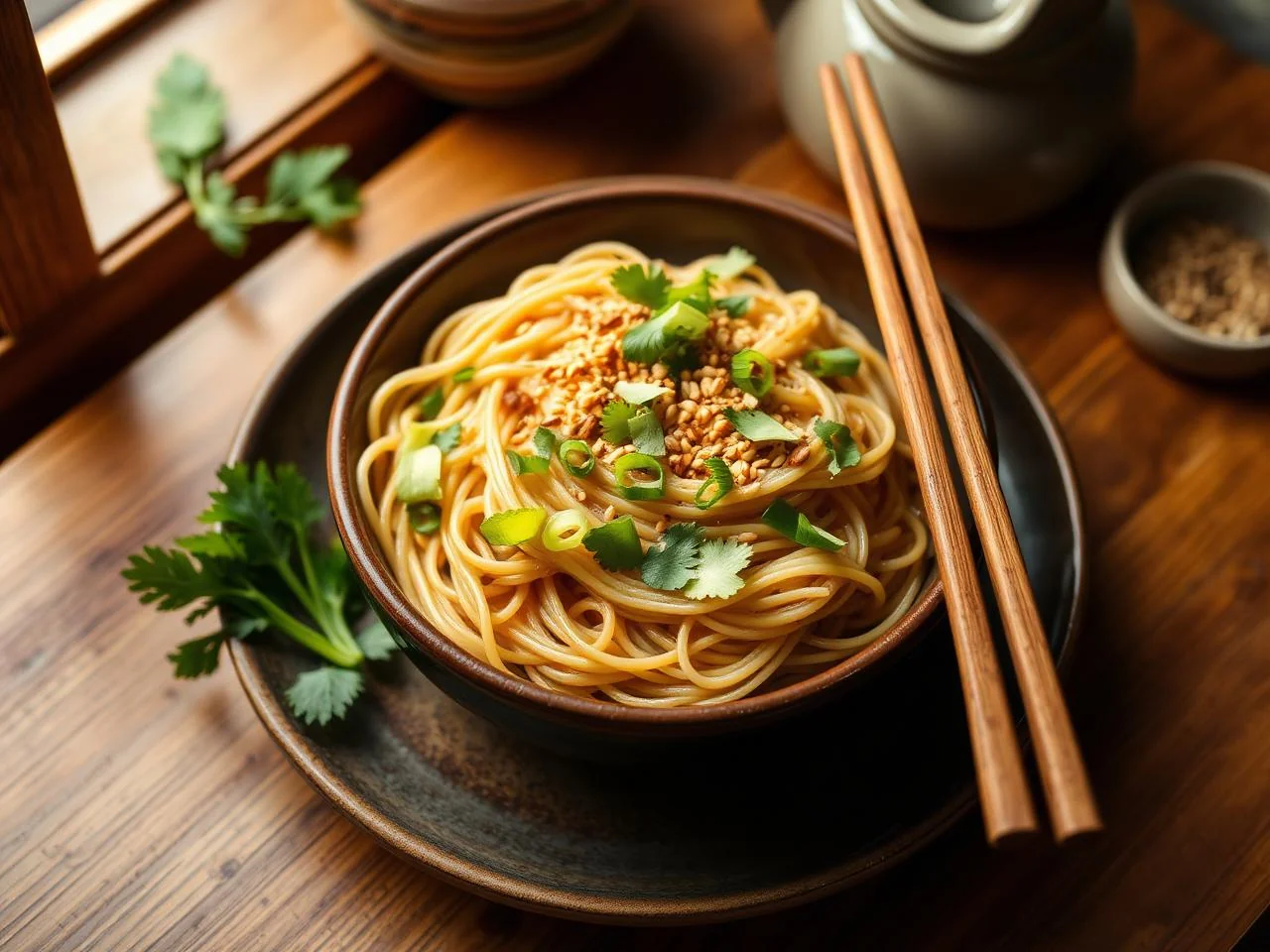
There's something special about a warm, steaming plate of noodles that just feels like home. For me, that comfort food is Filipino Pancit Bihon, a classic dish from the Philippines that combines the best of Asian flavors with the simplicity of a stir-fry.
I remember growing up and watching my mother cook Pancit Bihon for our family gatherings. The smell of sizzling onions and garlic, the sound of sizzling meat and vegetables, and the sight of perfectly cooked noodles all combined to create an unforgettable experience.
Today, I'm excited to share my own recipe for Filipino Pancit Bihon with you. This dish is perfect for anyone looking to try their hand at Asian cooking, as it requires minimal ingredients and is relatively easy to prepare. Plus, you can customize it to your taste by using your favorite protein and vegetables.
Whether you're a seasoned cook or just starting out, this recipe is sure to become a staple in your kitchen. So go ahead, give it a try, and experience the delicious flavors of the Philippines in the comfort of your own home.
In this recipe, we'll be using a combination of rice noodles, vegetables, and your choice of protein, all stir-fried to perfection in a wok or large skillet. We'll also be adding a savory sauce made from a combination of soy sauce, oyster sauce, and patis (fish sauce), which gives the dish its distinctive flavor.
Why You’ll Love This Recipe
- This recipe is easy to make and requires minimal ingredients
- You can customize it to your taste by using your favorite protein and vegetables
- The dish is perfect for a quick weeknight meal or a special occasion
- It's a great way to experience the flavors of the Philippines in the comfort of your own home
- The recipe is versatile and can be made with a variety of proteins, including chicken, pork, and seafood
- It's a healthy and nutritious option, with a balance of protein, vegetables, and whole grains
Why This Recipe Works
The key to a great Pancit Bihon is in the stir-frying technique. By cooking the ingredients quickly over high heat, we're able to preserve the texture and flavor of the noodles, vegetables, and protein. This is especially important when working with delicate ingredients like rice noodles, which can easily become overcooked and mushy.
Another important aspect of this recipe is the balance of flavors. By combining the savory sauce with the natural sweetness of the vegetables and the richness of the protein, we're able to create a dish that's both harmonious and exciting. The addition of patis (fish sauce) may seem unusual, but trust me, it adds a depth of umami flavor that elevates the entire dish.
Finally, the resting time after cooking is crucial. By allowing the noodles to rest for a few minutes, we're able to redistribute the flavors and textures, resulting in a dish that's both refreshing and satisfying.
Ingredients You’ll Need
To make Filipino Pancit Bihon, you'll need a few key ingredients, including rice noodles, your choice of protein, and a variety of vegetables. You'll also need a savory sauce made from a combination of soy sauce, oyster sauce, and patis (fish sauce). Don't worry if you can't find patis at your local grocery store - you can substitute it with a combination of soy sauce and salt.
When shopping for ingredients, be sure to choose fresh and high-quality items. This will ensure that your dish turns out flavorful and delicious. For the protein, you can use chicken, pork, or seafood - whichever you prefer.
- 1 lb (450g) boneless, skinless chicken breast or thighsYou can use either chicken breast or thighs for this recipe, depending on your preference. If using thighs, be sure to cut them into bite-sized pieces before cooking.
- 1 cup (115g) rice noodlesRice noodles are a key ingredient in Pancit Bihon. Look for them at your local Asian market or in the international section of your grocery store.
- 2 cups (250g) mixed vegetables, such as cabbage, carrots, and green onionsYou can use a variety of vegetables in this recipe, depending on your preference. Just be sure to slice them thinly so they cook quickly.
- 2 tablespoons vegetable oilVegetable oil is used for stir-frying the ingredients. You can also use peanut oil or other neutral-tasting oil if you prefer.
- 2 cloves garlic, mincedGarlic is a key flavor component in this recipe. Be sure to mince it finely so it distributes evenly throughout the dish.
- 1 tablespoon grated fresh gingerFresh ginger adds a warm, spicy flavor to the dish. Be sure to grate it finely so it cooks quickly.
- 2 tablespoons soy sauceSoy sauce is a key ingredient in the savory sauce. Look for a high-quality brand that's low in sodium if you're concerned about salt intake.
- 1 tablespoon oyster sauce (optional)Oyster sauce adds a rich, savory flavor to the dish. If you don't have it or prefer not to use it, you can omit it or substitute it with a combination of soy sauce and sugar.
- 1 tablespoon patis (fish sauce) or 1 teaspoon saltPatis (fish sauce) is a key ingredient in Filipino cuisine. If you can't find it, you can substitute it with a combination of soy sauce and salt.
- 1 teaspoon black pepperBlack pepper is used to season the dish. Be sure to use freshly ground pepper for the best flavor.
- 2 green onions, thinly sliced, for garnishGreen onions are used as a garnish for the dish. Be sure to slice them thinly so they add a pop of color and flavor to the finished dish.
- 1/4 cup (30g) chopped fresh cilantro, for garnishCilantro is used as a garnish for the dish. Be sure to chop it finely so it adds a fresh, herbal flavor to the finished dish.
- Salt and pepper to tasteSalt and pepper are used to season the dish to taste. Be sure to taste the dish regularly as you cook and adjust the seasoning accordingly.
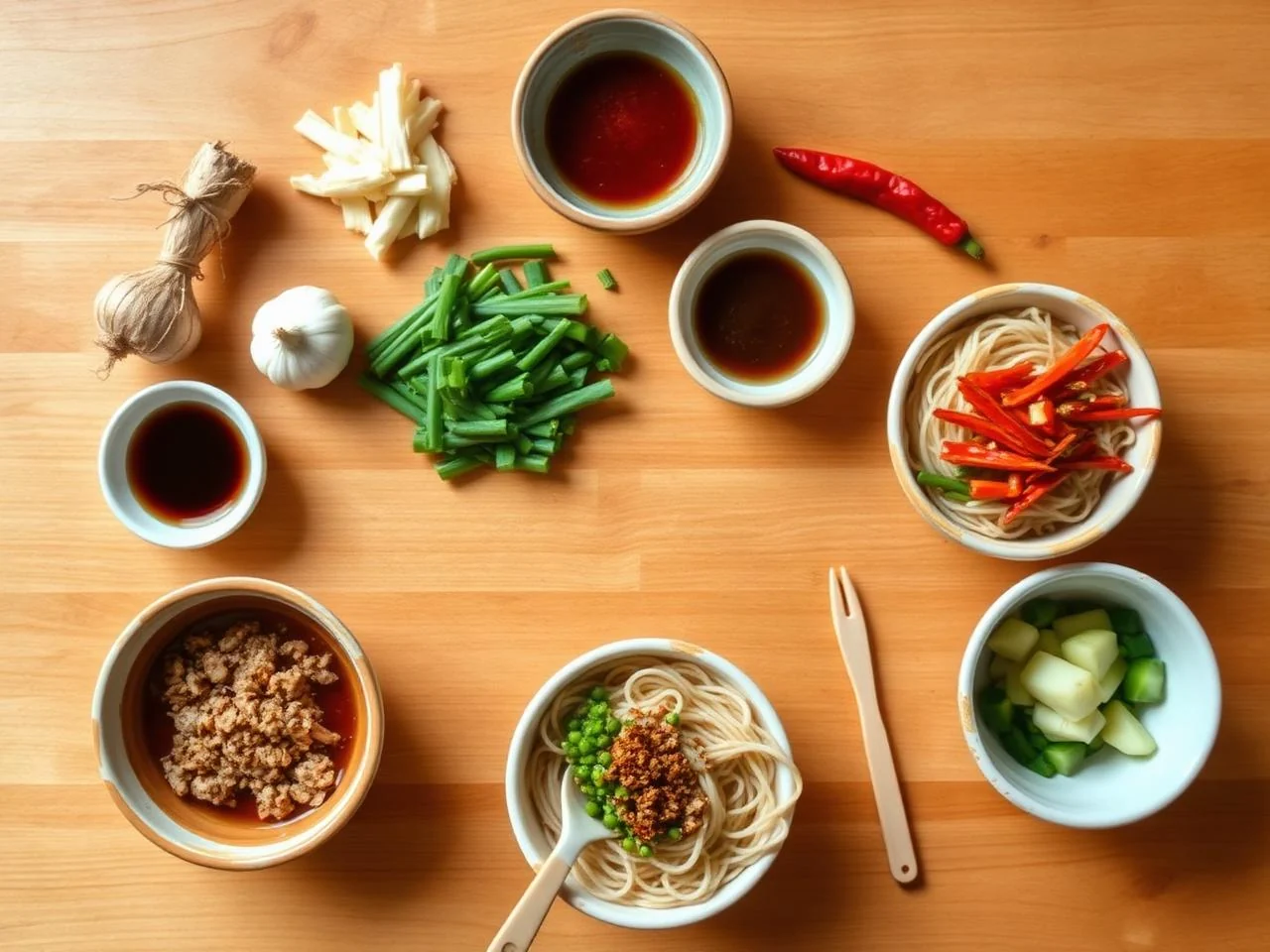
Equipment You’ll Need
How to Make Filipino Pancit Bihon
- 1Begin by cooking the rice noodles according to the package instructions. Typically, this involves soaking them in hot water for 3-5 minutes, then draining and rinsing them with cold water.
- 2While the noodles are cooking, heat 1 tablespoon of vegetable oil in a large skillet or wok over medium-high heat. Add the minced garlic and grated ginger and stir-fry until fragrant, about 30 seconds.
- 3Add the mixed vegetables to the skillet and stir-fry until they're tender-crisp, about 2-3 minutes. Be sure to stir constantly to prevent burning.
- 4Add the cooked chicken to the skillet and stir-fry until it's heated through, about 1-2 minutes.
- 5In a small bowl, whisk together the soy sauce, oyster sauce (if using), patis (fish sauce) or salt, and black pepper. Pour the sauce over the ingredients in the skillet and stir-fry until everything is well coated.
- 6Add the cooked noodles to the skillet and stir-fry until they're well combined with the sauce and ingredients. Be sure to stir constantly to prevent the noodles from sticking to the pan.
- 7Taste the dish and adjust the seasoning as needed. If it needs more salt, add a pinch of salt. If it needs more pepper, add a few grinds of black pepper.
- 8Transfer the dish to a serving platter or individual plates. Garnish with thinly sliced green onions and chopped cilantro.
- 9Serve the dish immediately, while the noodles are still warm and the flavors are still vibrant.
- 10To add extra flavor to the dish, you can serve it with a squeeze of fresh calamansi (Filipino lime) or a sprinkle of toasted garlic.
- 11For a spicy kick, you can add a few dashes of hot sauce, such as sriracha or sambal oelek, to the dish.
- 12To make the dish more substantial, you can add other ingredients, such as cooked shrimp or diced pork, to the stir-fry.
- 13To make the dish ahead of time, you can cook the noodles and ingredients separately, then combine them just before serving.
- 14To reheat the dish, you can simply stir-fry it in a skillet or wok over medium heat, adding a little water or oil as needed to prevent sticking.
Expert Tips
- Use high-quality ingredients, such as fresh vegetables and real fish sauce, to get the best flavor out of the dish.
- Don't overcook the noodles or ingredients, as this can make the dish soggy and unappetizing.
- Stir-fry the ingredients constantly to prevent burning and ensure even cooking.
- Taste the dish regularly as you cook and adjust the seasoning accordingly.
- Add aromatics, such as garlic and ginger, to the dish to give it extra depth of flavor.
- Use a variety of vegetables, such as cabbage, carrots, and green onions, to add texture and color to the dish.
- Don't be afraid to experiment with different ingredients and seasonings to make the dish your own.
- Serve the dish immediately, while the noodles are still warm and the flavors are still vibrant.
Common Mistakes to Avoid
- Overcooking the noodles or ingredients, which can make the dish soggy and unappetizing.
- Not stir-frying the ingredients constantly, which can lead to burning and uneven cooking.
- Not tasting the dish regularly as you cook, which can result in a dish that's too salty or bland.
- Not using high-quality ingredients, such as fresh vegetables and real fish sauce, which can affect the flavor and texture of the dish.
- Adding too much sauce or seasoning, which can overpower the other ingredients and make the dish unbalanced.
- Not serving the dish immediately, while the noodles are still warm and the flavors are still vibrant.
Variations and Substitutions
- Add other ingredients, such as cooked shrimp or diced pork, to the stir-fry to make the dish more substantial.
- Use different types of noodles, such as rice vermicelli or egg noodles, to change the texture of the dish.
- Add aromatics, such as lemongrass or Thai basil, to the dish to give it extra depth of flavor.
- Use different types of protein, such as chicken or beef, to change the flavor and texture of the dish.
- Add a spicy kick to the dish by adding hot sauce or red pepper flakes.
- Use different types of vegetables, such as broccoli or bell peppers, to add texture and color to the dish.
- Serve the dish with a fried egg or other toppings to make it more substantial and filling.
What to Serve With Filipino Pancit Bihon
Filipino Pancit Bihon is a versatile dish that can be served in a variety of ways. You can serve it as a main course, with a side of steamed vegetables or a salad. You can also serve it as a side dish, with a main course of grilled meat or seafood.
The dish is also great for serving at parties or gatherings, as it's easy to make in large quantities and can be served with a variety of toppings and condiments. Some popular toppings include diced green onions, sliced calamansi (Filipino lime), and toasted garlic.
Make-Ahead, Storage, Freezing and Reheating
Filipino Pancit Bihon can be stored in the refrigerator for up to 3 days or frozen for up to 2 months. To store the dish, simply cool it to room temperature, then transfer it to an airtight container and refrigerate or freeze.
To reheat the dish, you can simply stir-fry it in a skillet or wok over medium heat, adding a little water or oil as needed to prevent sticking. You can also reheat the dish in the microwave, but be careful not to overheat it, as this can make the noodles soggy and unappetizing.
When reheating the dish, you can add a little water or oil to the pan to prevent sticking and to add moisture to the noodles. You can also add a little soy sauce or oyster sauce to the dish to give it extra flavor.
It's also a good idea to label the container with the date and contents, so you can easily keep track of how long the dish has been stored. This will help you ensure that the dish is fresh and safe to eat.
Frequently Asked Questions
What type of noodles should I use for Filipino Pancit Bihon?
You should use rice noodles, which are a type of noodle made from rice flour. They're available at most Asian markets or in the international section of your grocery store.
Can I use different types of protein in the dish?
Yes, you can use different types of protein, such as chicken, pork, or seafood, to change the flavor and texture of the dish.
How do I prevent the noodles from sticking to the pan?
You can prevent the noodles from sticking to the pan by stir-frying them constantly and adding a little oil or water to the pan as needed.
Can I make the dish ahead of time?
Yes, you can make the dish ahead of time and store it in the refrigerator for up to 3 days or freeze it for up to 2 months.
How do I reheat the dish?
You can reheat the dish by stir-frying it in a skillet or wok over medium heat, adding a little water or oil as needed to prevent sticking. You can also reheat the dish in the microwave, but be careful not to overheat it.
What are some common mistakes to avoid when making Filipino Pancit Bihon?
Some common mistakes to avoid include overcooking the noodles or ingredients, not stir-frying the ingredients constantly, and not tasting the dish regularly as you cook.
Can I add other ingredients to the dish to make it more substantial?
Yes, you can add other ingredients, such as cooked shrimp or diced pork, to the stir-fry to make the dish more substantial.
How do I serve the dish?
You can serve the dish as a main course, with a side of steamed vegetables or a salad. You can also serve it as a side dish, with a main course of grilled meat or seafood.
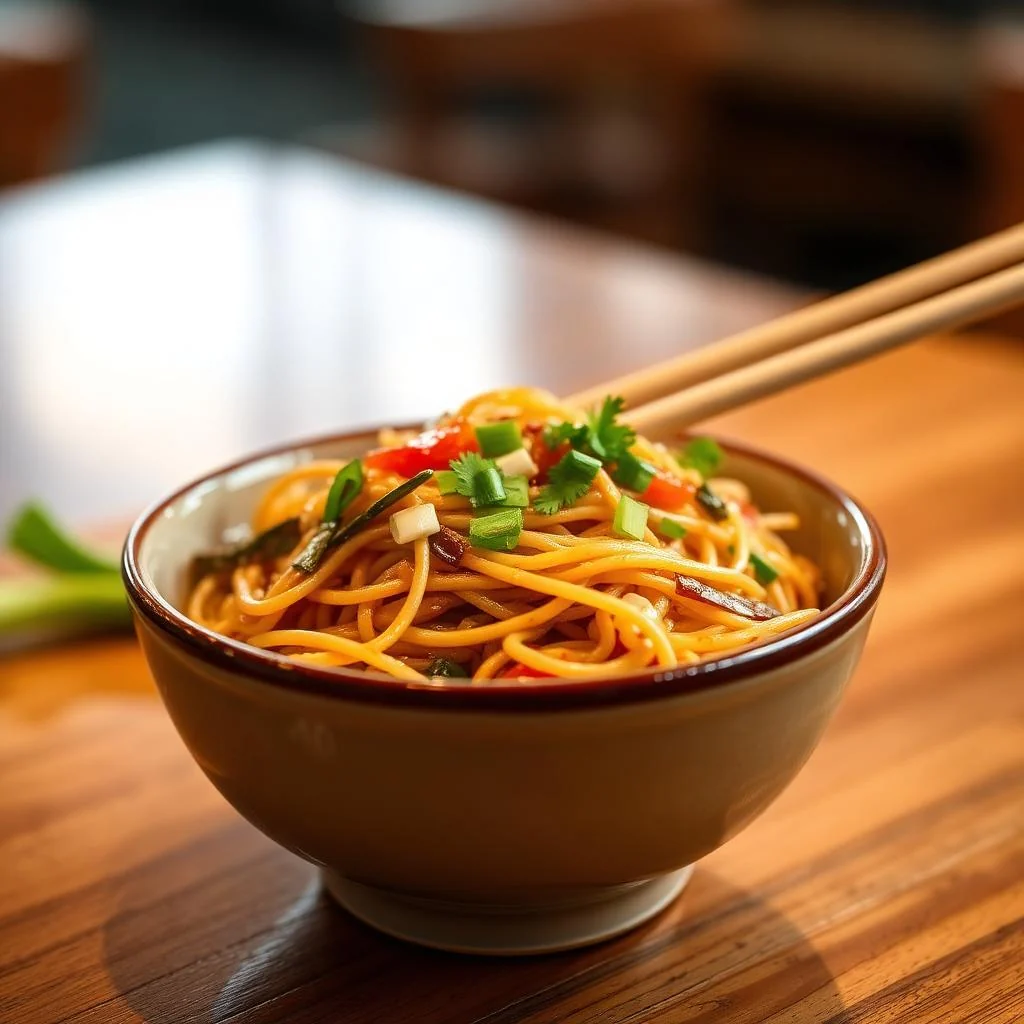
Ingredients
- 1 lb (450g) boneless, skinless chicken breast or thighs
- 1 cup (115g) rice noodles
- 2 cups (250g) mixed vegetables, such as cabbage, carrots, and green onions
- 2 tablespoons vegetable oil
- 2 cloves garlic, minced
- 1 tablespoon grated fresh ginger
- 2 tablespoons soy sauce
- 1 tablespoon oyster sauce (optional)
- 1 tablespoon patis (fish sauce) or 1 teaspoon salt
- 1 teaspoon black pepper
- 2 green onions, thinly sliced, for garnish
- 1/4 cup (30g) chopped fresh cilantro, for garnish
- Salt and pepper to taste
Instructions
- Begin by cooking the rice noodles according to the package instructions. Typically, this involves soaking them in hot water for 3-5 minutes, then draining and rinsing them with cold water.
- While the noodles are cooking, heat 1 tablespoon of vegetable oil in a large skillet or wok over medium-high heat. Add the minced garlic and grated ginger and stir-fry until fragrant, about 30 seconds.
- Add the mixed vegetables to the skillet and stir-fry until they're tender-crisp, about 2-3 minutes. Be sure to stir constantly to prevent burning.
- Add the cooked chicken to the skillet and stir-fry until it's heated through, about 1-2 minutes.
- In a small bowl, whisk together the soy sauce, oyster sauce (if using), patis (fish sauce) or salt, and black pepper. Pour the sauce over the ingredients in the skillet and stir-fry until everything is well coated.
- Add the cooked noodles to the skillet and stir-fry until they're well combined with the sauce and ingredients. Be sure to stir constantly to prevent the noodles from sticking to the pan.
- Taste the dish and adjust the seasoning as needed. If it needs more salt, add a pinch of salt. If it needs more pepper, add a few grinds of black pepper.
- Transfer the dish to a serving platter or individual plates. Garnish with thinly sliced green onions and chopped cilantro.
- Serve the dish immediately, while the noodles are still warm and the flavors are still vibrant.
- To add extra flavor to the dish, you can serve it with a squeeze of fresh calamansi (Filipino lime) or a sprinkle of toasted garlic.
- For a spicy kick, you can add a few dashes of hot sauce, such as sriracha or sambal oelek, to the dish.
- To make the dish more substantial, you can add other ingredients, such as cooked shrimp or diced pork, to the stir-fry.
- To make the dish ahead of time, you can cook the noodles and ingredients separately, then combine them just before serving.
- To reheat the dish, you can simply stir-fry it in a skillet or wok over medium heat, adding a little water or oil as needed to prevent sticking.