
Japanese Tempura
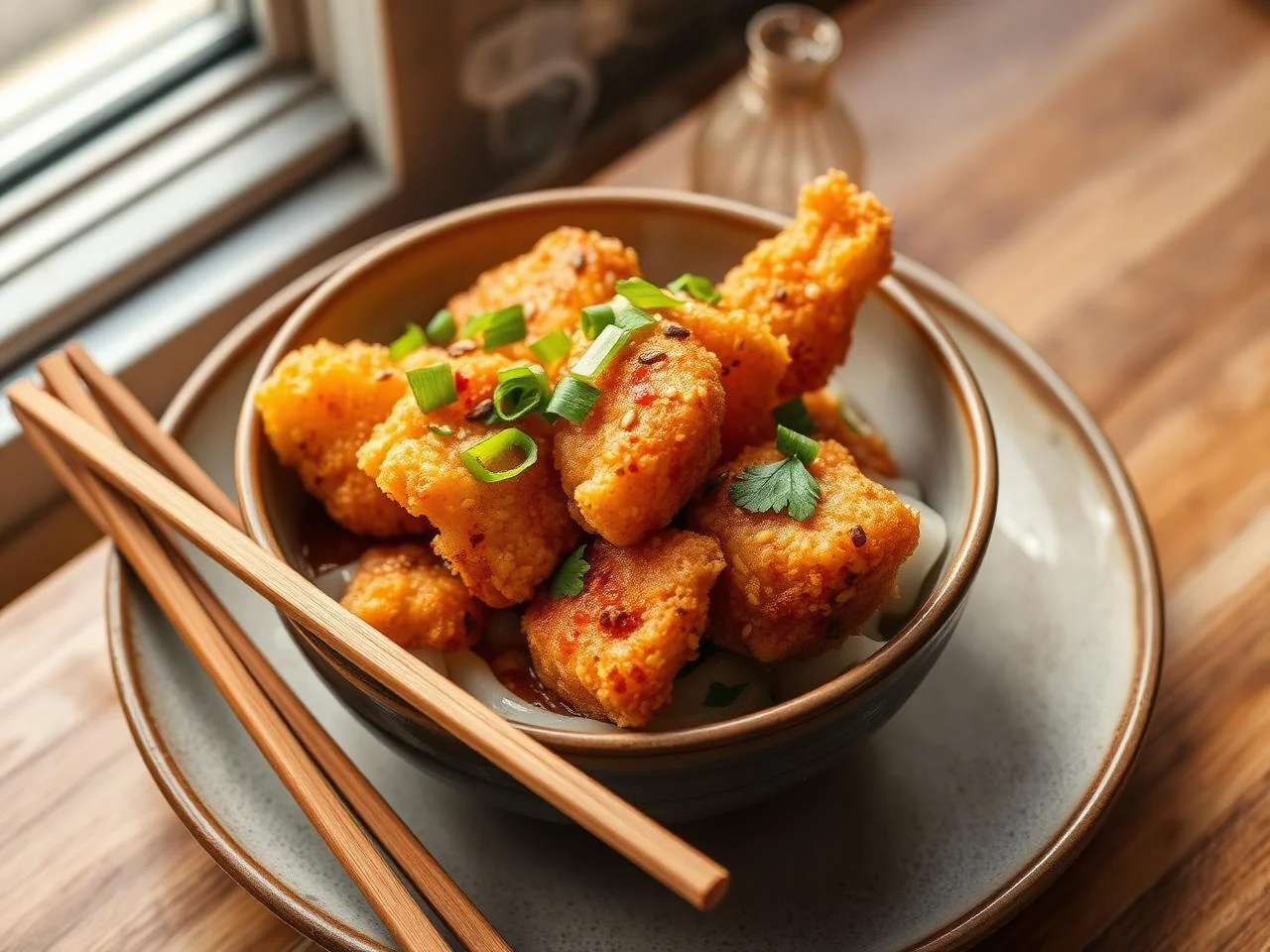
I still remember the first time I had Japanese Tempura - it was at a small restaurant in Tokyo, and the combination of crispy exterior and tender interior was love at first bite. Since then, I've been on a mission to perfect the recipe at home. With a few simple ingredients and some basic cooking techniques, you can make delicious Japanese Tempura in the comfort of your own kitchen.
One of the things that sets Japanese Tempura apart from other fried foods is the light, airy batter. This is achieved by using a combination of all-purpose flour, cornstarch, and ice-cold soda water. The key is to not overmix the batter, which can make it dense and heavy.
In this recipe, we'll be using a variety of vegetables and seafood, including shrimp, carrots, and green beans. Feel free to get creative and add your own favorite ingredients to the mix. The beauty of Japanese Tempura is that it's highly customizable, so don't be afraid to experiment and find your own favorite combinations.
Whether you're a seasoned cook or just starting out, this recipe is perfect for anyone looking to try their hand at Japanese Tempura. With its simple ingredients and straightforward instructions, you'll be enjoying crispy, delicious Tempura in no time.
So why not give it a try? With this recipe, you'll be able to make authentic Japanese Tempura at home, without the need for any special equipment or ingredients. It's the perfect dish for a weeknight dinner or special occasion, and is sure to impress your friends and family.
Why You’ll Love This Recipe
- Japanese Tempura is a delicious and easy-to-make dish that's perfect for a weeknight dinner or special occasion.
- The light, airy batter and crispy exterior make it a unique and exciting food to eat.
- You can customize the recipe to include your favorite ingredients, making it a great way to get creative in the kitchen.
- Japanese Tempura is a great way to impress your friends and family with your cooking skills.
- It's a relatively healthy dish, especially when compared to other fried foods.
- You can make it in large batches, making it perfect for parties or special events.
Why This Recipe Works
The key to making great Japanese Tempura is in the batter. By using a combination of all-purpose flour, cornstarch, and ice-cold soda water, we can create a light, airy batter that fries up crispy and golden. The cornstarch helps to absorb excess moisture, while the soda water adds a touch of acidity and helps to create a tender, delicate texture.
Another important factor is the temperature of the oil. If the oil is too hot, the Tempura will burn on the outside before it's fully cooked on the inside. On the other hand, if the oil is too cold, the Tempura will absorb too much oil and become greasy. By heating the oil to the correct temperature, we can achieve a perfect balance of crunch and tenderness.
Finally, it's all about the technique. By not overmixing the batter and by frying the Tempura in small batches, we can ensure that each piece is cooked to perfection. This recipe is all about balance and harmony, and by following these simple tips, you'll be able to create delicious Japanese Tempura at home.
Ingredients You’ll Need
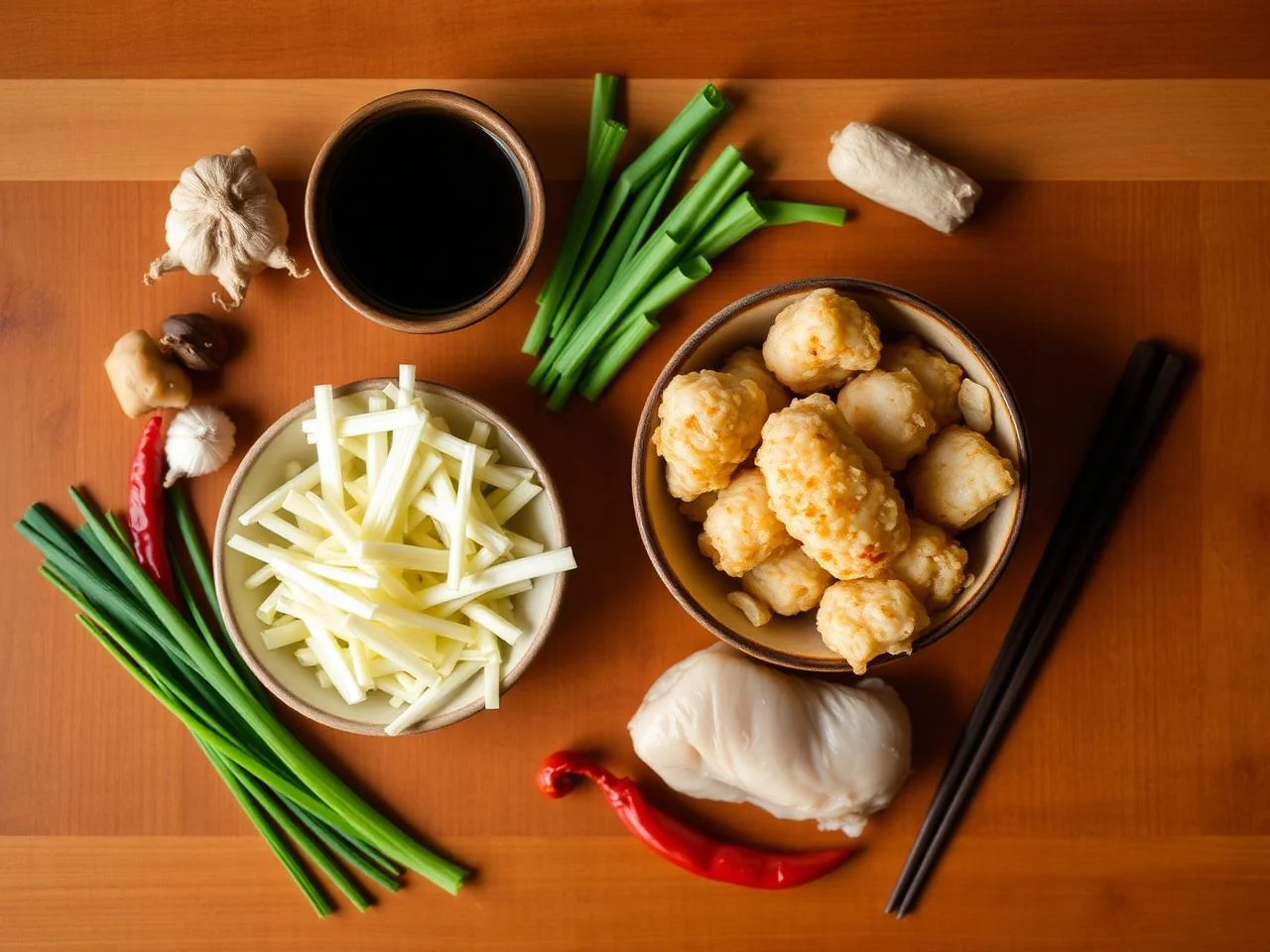
To make Japanese Tempura, you'll need a few simple ingredients, including all-purpose flour, cornstarch, and ice-cold soda water. You'll also need a variety of vegetables and seafood, such as shrimp, carrots, and green beans. Be sure to choose the freshest ingredients possible, as this will affect the flavor and texture of the final dish.
In addition to the ingredients, you'll also need some basic cooking equipment, such as a large pot or deep fryer, a thermometer, and a slotted spoon. Don't worry if you don't have all of these items - you can easily substitute them with other equipment you have on hand.
- 1 cup all-purpose flourAll-purpose flour is a staple ingredient in many Japanese dishes, including Tempura. It provides structure and texture to the batter, and helps to create a crispy exterior.
- 1/2 cup cornstarchCornstarch is a common ingredient in many Asian dishes, and is used to help absorb excess moisture and create a tender, delicate texture.
- 1/2 cup ice-cold soda waterIce-cold soda water is used to create a light, airy batter that fries up crispy and golden. The acidity in the soda water also helps to break down the starches in the flour and create a tender texture.
- 1/4 teaspoon saltSalt is used to enhance the flavor of the Tempura and help bring out the natural sweetness of the ingredients.
- 1/4 teaspoon sugarSugar is used to balance out the savory flavors in the dish and create a sweet, caramelized crust on the exterior of the Tempura.
- 1/2 cup vegetable oil, for fryingVegetable oil is used for frying the Tempura, and should be heated to the correct temperature to achieve a crispy exterior and tender interior.
- 1 pound large shrimp, peeled and deveinedShrimp are a popular ingredient in Japanese Tempura, and are prized for their sweet flavor and firm texture.
- 1 cup mixed vegetables, such as carrots and green beansMixed vegetables add color, texture, and flavor to the dish, and can be customized to include your favorite ingredients.
- 1/4 cup grated daikon radishDaikon radish is a common ingredient in Japanese cuisine, and is used to add flavor and texture to the dish.
- 2 tablespoons soy sauceSoy sauce is used to enhance the flavor of the Tempura and add a rich, savory flavor to the dish.
- 1 tablespoon rice vinegarRice vinegar is used to add a bright, acidic flavor to the dish and help balance out the richness of the Tempura.
- 1 teaspoon grated gingerGinger is a common ingredient in Japanese cuisine, and is used to add flavor and warmth to the dish.
Equipment You’ll Need
How to Make Japanese Tempura
- 1In a large bowl, whisk together the flour, cornstarch, and salt. Gradually add the ice-cold soda water, whisking until the batter is smooth and free of lumps.
- 2Cut the shrimp and vegetables into bite-sized pieces and set aside.
- 3Heat the vegetable oil in a large pot or deep fryer to 350°F. Use a thermometer to ensure the oil has reached the correct temperature.
- 4Dip each piece of shrimp and vegetable into the batter, coating it lightly and evenly. Tap off any excess batter by gently tapping the piece against the side of the bowl.
- 5Carefully place the battered shrimp and vegetables into the hot oil, being careful not to overcrowd the pot. Fry for 2-3 minutes on each side, or until the Tempura is golden brown and crispy.
- 6Use a slotted spoon to remove the Tempura from the oil and place it on a paper towel-lined plate to drain any excess oil.
- 7Repeat the frying process with the remaining shrimp and vegetables, adjusting the heat as needed to maintain the correct temperature.
- 8In a small bowl, whisk together the soy sauce, rice vinegar, and grated ginger. Brush the sauce over the Tempura and serve immediately.
- 9Garnish with grated daikon radish and serve with your favorite dipping sauce.
- 10To ensure the Tempura is cooked to a safe internal temperature, use an instant-read thermometer to check the internal temperature of the shrimp. It should reach an internal temperature of at least 145°F.
- 11Let the Tempura rest for a few minutes before serving to allow the juices to redistribute and the crust to set.
- 12Serve the Tempura hot and enjoy!
Expert Tips
- Use the freshest ingredients possible to ensure the best flavor and texture.
- Don't overmix the batter, as this can create a dense and heavy Tempura.
- Use the correct temperature oil to achieve a crispy exterior and tender interior.
- Don't overcrowd the pot, as this can lower the oil temperature and affect the texture of the Tempura.
- Use a thermometer to ensure the oil has reached the correct temperature.
- Don't skip the resting step, as this allows the juices to redistribute and the crust to set.
- Experiment with different ingredients and seasonings to create your own unique Tempura creations.
Common Mistakes to Avoid
- Overmixing the batter, which can create a dense and heavy Tempura.
- Using the wrong temperature oil, which can affect the texture and flavor of the Tempura.
- Overcrowding the pot, which can lower the oil temperature and affect the texture of the Tempura.
- Not using fresh ingredients, which can affect the flavor and texture of the Tempura.
- Not letting the Tempura rest before serving, which can affect the texture and flavor of the dish.
- Not using a thermometer to ensure the oil has reached the correct temperature.
Variations and Substitutions
- Try using different types of protein, such as chicken or tofu, for a unique twist on the dish.
- Experiment with different seasonings and spices, such as paprika or cayenne pepper, to add flavor to the Tempura.
- Add some heat to the dish by incorporating spicy ingredients, such as diced jalapenos or serrano peppers.
- Use different types of vegetables, such as zucchini or eggplant, to add color and texture to the dish.
- Try using different types of oil, such as peanut or avocado oil, for a unique flavor and texture.
- Add some crunch to the dish by incorporating nuts or seeds, such as sesame seeds or chopped peanuts.
- Try serving the Tempura with different dipping sauces, such as a sweet chili sauce or a tangy tahini sauce.
What to Serve With Japanese Tempura
Japanese Tempura is a versatile dish that can be served in a variety of ways. Try serving it as an appetizer or snack, or as a main course with your favorite sides. It's also a great dish to serve at parties or special events, as it's easy to make in large batches and can be customized to suit your tastes.
Some popular sides to serve with Japanese Tempura include steamed rice, stir-fried vegetables, and miso soup. You can also try serving it with a side of pickled ginger or wasabi for an added burst of flavor.
Make-Ahead, Storage, Freezing and Reheating
Japanese Tempura is best served immediately, as it's crispiest and most flavorful when it's freshly made. However, you can also store it in an airtight container in the refrigerator for up to 24 hours. To reheat, simply place the Tempura in a single layer on a baking sheet and bake in a preheated oven at 350°F for 5-7 minutes, or until crispy and hot.
You can also freeze Japanese Tempura for up to 2 months. To freeze, simply place the Tempura in a single layer on a baking sheet and freeze until solid. Then, transfer the frozen Tempura to an airtight container or freezer bag and store in the freezer. To reheat, simply bake in a preheated oven at 350°F for 10-12 minutes, or until crispy and hot.
It's also important to note that Japanese Tempura can be made ahead of time and stored in the refrigerator or freezer. Simply prepare the batter and cut the ingredients, then store them in separate containers until you're ready to fry. This can be a great time-saver, especially if you're making a large batch of Tempura.
Frequently Asked Questions
What is the best type of oil to use for frying Tempura?
The best type of oil to use for frying Tempura is a neutral-tasting oil with a high smoke point, such as vegetable oil or peanut oil. Avoid using oils with a low smoke point, such as olive oil, as they can become damaged and impart a bad flavor to the Tempura.
How do I achieve a crispy exterior and tender interior when frying Tempura?
To achieve a crispy exterior and tender interior when frying Tempura, it's all about the temperature of the oil. The oil should be heated to the correct temperature, and the Tempura should be fried for the right amount of time. It's also important to not overcrowd the pot, as this can lower the oil temperature and affect the texture of the Tempura.
Can I make Japanese Tempura ahead of time and store it in the refrigerator or freezer?
Yes, you can make Japanese Tempura ahead of time and store it in the refrigerator or freezer. Simply prepare the batter and cut the ingredients, then store them in separate containers until you're ready to fry. This can be a great time-saver, especially if you're making a large batch of Tempura.
What are some common mistakes to avoid when making Japanese Tempura?
Some common mistakes to avoid when making Japanese Tempura include overmixing the batter, using the wrong temperature oil, overcrowding the pot, and not using fresh ingredients. It's also important to not skip the resting step, as this allows the juices to redistribute and the crust to set.
How do I ensure the Tempura is cooked to a safe internal temperature?
To ensure the Tempura is cooked to a safe internal temperature, use an instant-read thermometer to check the internal temperature of the shrimp. It should reach an internal temperature of at least 145°F.
Can I use different types of protein or vegetables in the Tempura?
Yes, you can use different types of protein or vegetables in the Tempura. Try using chicken, tofu, or other types of seafood, and experiment with different types of vegetables, such as zucchini or eggplant.
How do I serve Japanese Tempura?
Japanese Tempura can be served in a variety of ways, including as an appetizer or snack, or as a main course with your favorite sides. It's also a great dish to serve at parties or special events, as it's easy to make in large batches and can be customized to suit your tastes.
What are some popular sides to serve with Japanese Tempura?
Some popular sides to serve with Japanese Tempura include steamed rice, stir-fried vegetables, and miso soup. You can also try serving it with a side of pickled ginger or wasabi for an added burst of flavor.
Ingredients
- 1 cup all-purpose flour
- 1/2 cup cornstarch
- 1/2 cup ice-cold soda water
- 1/4 teaspoon salt
- 1/4 teaspoon sugar
- 1/2 cup vegetable oil, for frying
- 1 pound large shrimp, peeled and deveined
- 1 cup mixed vegetables, such as carrots and green beans
- 1/4 cup grated daikon radish
- 2 tablespoons soy sauce
- 1 tablespoon rice vinegar
- 1 teaspoon grated ginger
Instructions
- In a large bowl, whisk together the flour, cornstarch, and salt. Gradually add the ice-cold soda water, whisking until the batter is smooth and free of lumps.
- Cut the shrimp and vegetables into bite-sized pieces and set aside.
- Heat the vegetable oil in a large pot or deep fryer to 350°F. Use a thermometer to ensure the oil has reached the correct temperature.
- Dip each piece of shrimp and vegetable into the batter, coating it lightly and evenly. Tap off any excess batter by gently tapping the piece against the side of the bowl.
- Carefully place the battered shrimp and vegetables into the hot oil, being careful not to overcrowd the pot. Fry for 2-3 minutes on each side, or until the Tempura is golden brown and crispy.
- Use a slotted spoon to remove the Tempura from the oil and place it on a paper towel-lined plate to drain any excess oil.
- Repeat the frying process with the remaining shrimp and vegetables, adjusting the heat as needed to maintain the correct temperature.
- In a small bowl, whisk together the soy sauce, rice vinegar, and grated ginger. Brush the sauce over the Tempura and serve immediately.
- Garnish with grated daikon radish and serve with your favorite dipping sauce.
- To ensure the Tempura is cooked to a safe internal temperature, use an instant-read thermometer to check the internal temperature of the shrimp. It should reach an internal temperature of at least 145°F.
- Let the Tempura rest for a few minutes before serving to allow the juices to redistribute and the crust to set.
- Serve the Tempura hot and enjoy!