
Korean Japchae Glass Noodle Stir Fry
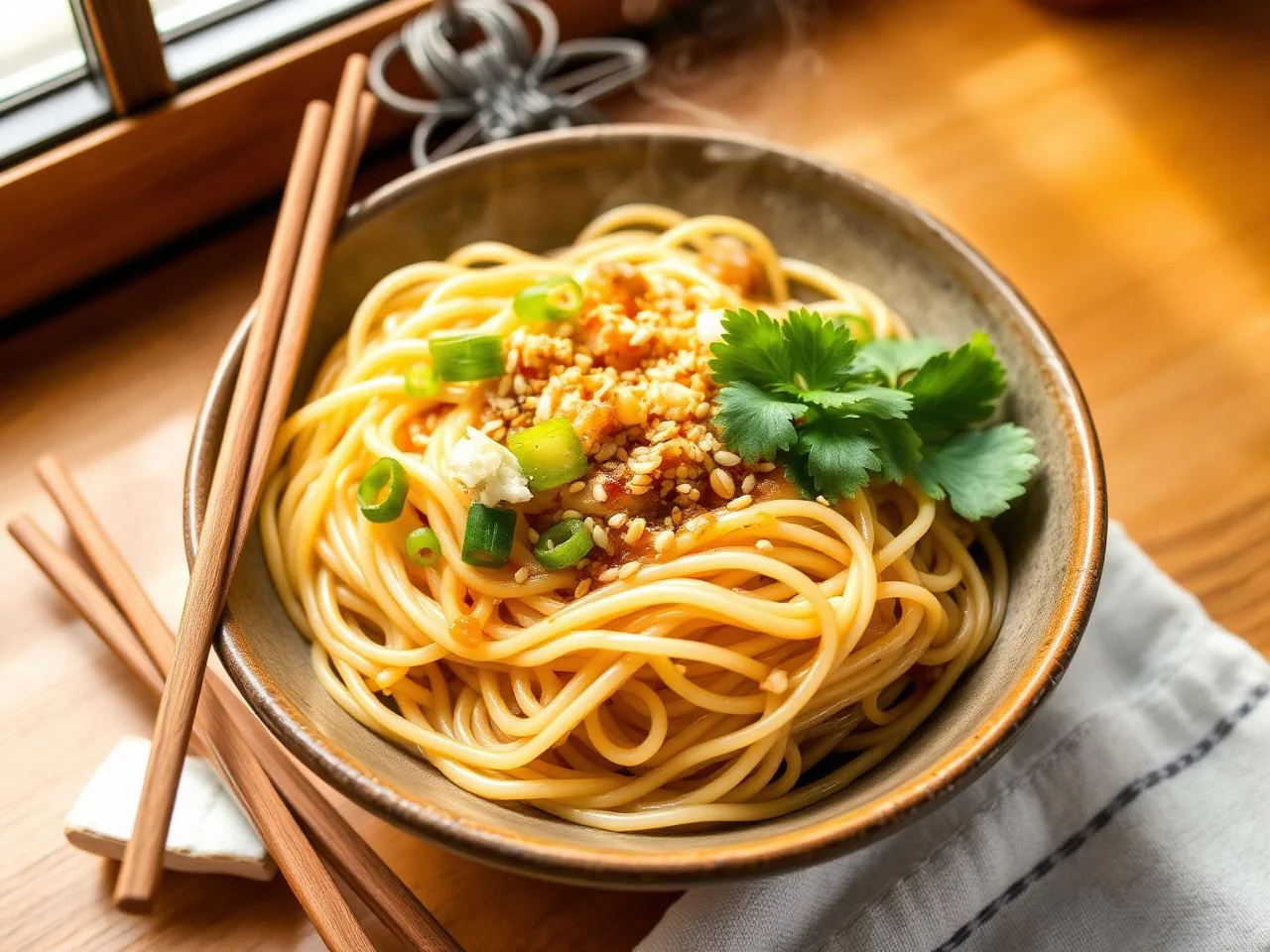
I still remember the first time I had Japchae, a traditional Korean glass noodle stir fry, at my friend's house. The combination of sweet and savory flavors, along with the chewy texture of the noodles, instantly won me over. Since then, I've been experimenting with different ingredients and techniques to recreate this dish at home.
One of the things that makes Japchae so special is the use of glass noodles, also known as dangmyeon, which are made from sweet potato starch. These noodles have a unique texture that's both chewy and slightly elastic, making them perfect for stir-fries.
In this recipe, I'll show you how to make a delicious and authentic Korean Japchae Glass Noodle Stir Fry that's easy to make and requires minimal ingredients. Whether you're a fan of Korean cuisine or just looking for a new and exciting dish to try, this recipe is sure to become a favorite.
Japchae is a versatile dish that can be served as a main course, side dish, or even as a snack. It's also a great option for vegetarians and vegans, as it can be easily adapted to suit different dietary needs.
In this article, I'll share my tips and tricks for making the perfect Japchae, including how to choose the right ingredients, how to cook the noodles to perfection, and how to balance the flavors in the stir-fry. So, let's get started and explore the world of Korean cuisine together!
Why You’ll Love This Recipe
- This recipe is easy to make and requires minimal ingredients
- Japchae is a versatile dish that can be served as a main course, side dish, or snack
- The dish is perfect for vegetarians and vegans, as it can be easily adapted to suit different dietary needs
- The combination of sweet and savory flavors, along with the chewy texture of the noodles, makes Japchae a unique and delicious dish
- This recipe is great for a quick weeknight dinner or a special occasion
- Japchae is a healthy and nutritious dish, made with a variety of vegetables and lean protein sources
- The dish can be customized to suit your taste preferences, with options to add or substitute different ingredients
Why This Recipe Works
The key to making a great Japchae is to balance the flavors and textures in the dish. The glass noodles provide a nice chewiness, while the vegetables add natural sweetness and crunch. The sauce, made with a combination of soy sauce, sugar, and sesame oil, brings everything together and adds a depth of flavor to the dish.
Another important aspect of Japchae is the cooking technique. The noodles need to be cooked to the right texture, which is slightly chewy but not too hard. The vegetables should be stir-fried quickly to preserve their texture and flavor.
The sauce is also crucial in Japchae, as it brings all the flavors together and adds a rich and savory taste to the dish. The combination of soy sauce, sugar, and sesame oil provides a balanced flavor profile that's both sweet and savory.
By following these tips and techniques, you'll be able to make a delicious and authentic Korean Japchae Glass Noodle Stir Fry that's sure to impress your friends and family.
Ingredients You’ll Need
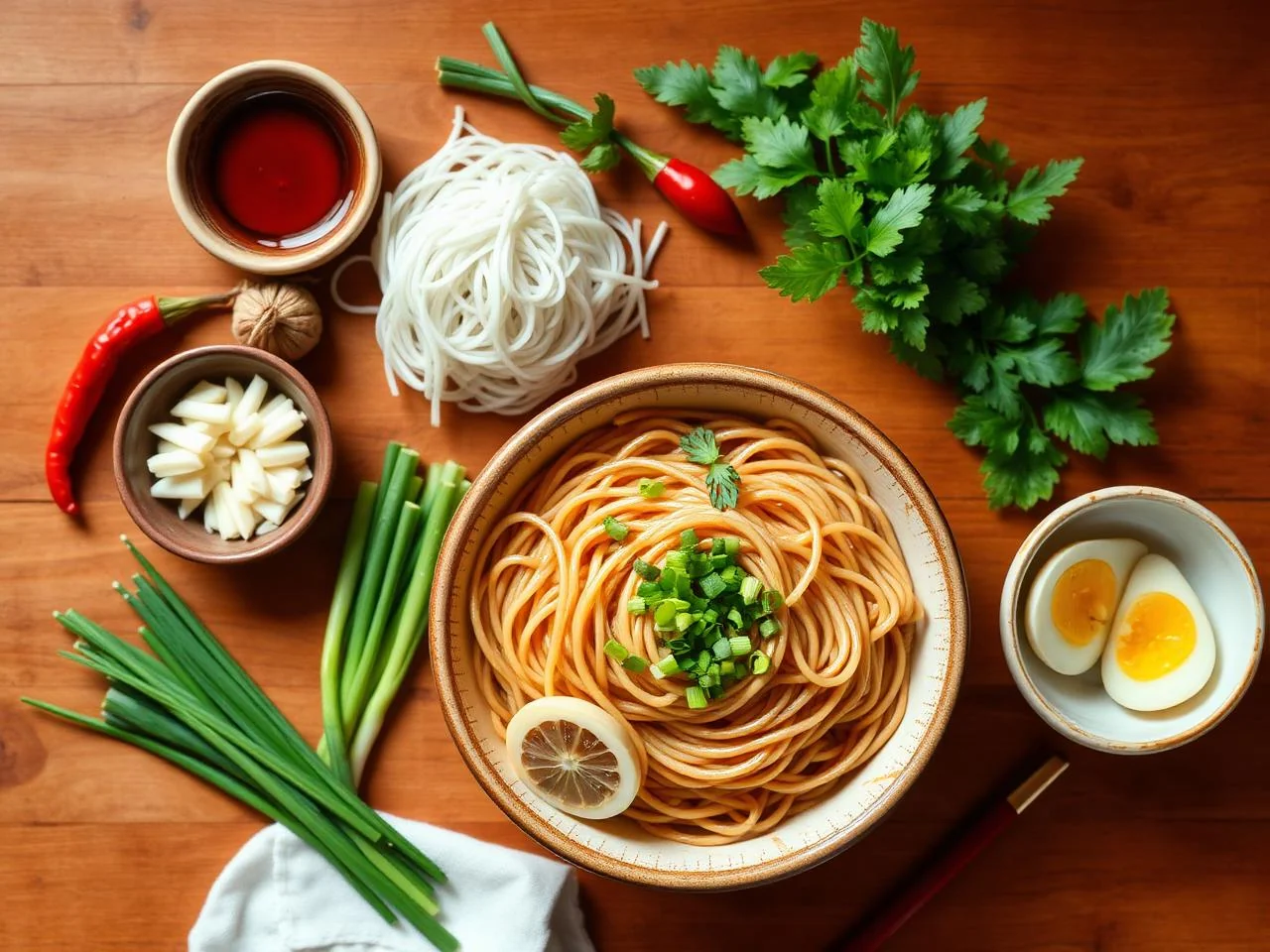
To make Japchae, you'll need a few key ingredients, including glass noodles, vegetables, and a sauce made with soy sauce, sugar, and sesame oil. You can find glass noodles at most Asian grocery stores or online. For the vegetables, you can use a variety of options, such as spinach, carrots, and bell peppers.
When shopping for ingredients, be sure to choose fresh and high-quality options. The vegetables should be crisp and colorful, while the glass noodles should be dry and free of moisture.
- 1 package (200g) glass noodlesGlass noodles, also known as dangmyeon, are made from sweet potato starch and have a unique texture that's both chewy and slightly elastic. You can find them at most Asian grocery stores or online.
- 2 tablespoons vegetable oilVegetable oil is used to stir-fry the vegetables and cook the noodles. You can use any neutral-tasting oil, such as canola or peanut oil.
- 1 onion, thinly slicedThe onion adds a sweet and savory flavor to the dish. You can use any type of onion, such as yellow or white.
- 2 cloves garlic, mincedGarlic is a key ingredient in many Korean dishes, including Japchae. It adds a pungent flavor and aroma to the dish.
- 1 cup (115g) spinach leavesSpinach is a popular ingredient in Japchae, adding a burst of color and nutrients to the dish. You can use fresh or frozen spinach leaves.
- 1 cup (115g) diced carrotsCarrots add a sweet and crunchy texture to the dish. You can use any type of carrot, such as orange or purple.
- 1 cup (115g) diced bell peppersBell peppers add a sweet and slightly crunchy texture to the dish. You can use any color bell pepper, such as green, red, or yellow.
- 2 tablespoons soy sauceSoy sauce is a key ingredient in the sauce, adding a salty and savory flavor to the dish. You can use any type of soy sauce, such as light or dark.
- 1 tablespoon sugarSugar is used to balance the flavors in the sauce, adding a touch of sweetness to the dish.
- 1 teaspoon sesame oilSesame oil is used to add a rich and nutty flavor to the dish. You can use any type of sesame oil, such as light or dark.
- 1/2 teaspoon saltSalt is used to season the dish and bring out the flavors of the ingredients. You can use any type of salt, such as kosher or sea salt.
- 1/4 teaspoon black pepperBlack pepper is used to add a touch of heat and flavor to the dish. You can use any type of black pepper, such as freshly ground or pre-ground.
Equipment You’ll Need
How to Make Korean Japchae Glass Noodle Stir Fry
- 1Start by cooking the glass noodles according to the package instructions. Typically, this involves boiling them in water for 5-7 minutes, or until they're slightly chewy but not too hard. Drain the noodles and set them aside to cool.
- 2In a large heavy skillet or wok, heat 1 tablespoon of vegetable oil over medium-high heat. Add the sliced onion and cook for 3-4 minutes, or until it's translucent and starting to caramelize.
- 3Add the minced garlic and cook for an additional 1-2 minutes, or until fragrant. Be careful not to burn the garlic, as it can quickly become bitter.
- 4Add the diced carrots and bell peppers to the skillet and cook for 4-5 minutes, or until they're tender but still crisp. You can adjust the cooking time based on your desired level of doneness.
- 5Add the cooked noodles to the skillet, along with the soy sauce, sugar, and sesame oil. Stir everything together to combine, making sure the noodles are well coated with the sauce.
- 6Add the spinach leaves to the skillet and cook for an additional 1-2 minutes, or until they're wilted and the noodles are heated through.
- 7Season the dish with salt and black pepper to taste, then transfer it to a serving platter or individual plates.
- 8Garnish the dish with additional spinach leaves or sesame seeds, if desired. Serve immediately and enjoy!
- 9To make the dish more substantial, you can add protein sources such as cooked chicken, beef, or tofu. Simply stir-fry the protein with the vegetables and noodles, then season with the sauce.
- 10To make the dish more flavorful, you can add aromatics such as ginger or shallots to the skillet with the onion and garlic. This will add a deeper and more complex flavor profile to the dish.
- 11To make the dish more spicy, you can add red pepper flakes or sriracha to the sauce. This will add a touch of heat and flavor to the dish.
- 12Finally, be sure to adjust the amount of sauce to your taste. Some people prefer a stronger sauce, while others prefer a lighter coating. You can adjust the amount of soy sauce, sugar, and sesame oil to suit your taste preferences.
Expert Tips
- To prevent the noodles from becoming too sticky, be sure to rinse them with cold water after cooking. This will help remove excess starch and prevent the noodles from clumping together.
- To add more flavor to the dish, you can marinate the vegetables in the sauce for 30 minutes to an hour before cooking. This will help the flavors penetrate deeper into the ingredients.
- To make the dish more visually appealing, you can garnish it with additional ingredients such as green onions, sesame seeds, or pickled ginger.
- To make the dish more substantial, you can serve it with a side of steamed rice or noodles. This will help round out the meal and provide more calories and nutrients.
- To make the dish more convenient, you can cook the noodles and vegetables ahead of time and store them in the refrigerator for up to a day. Then, simply stir-fry everything together with the sauce and serve.
- To make the dish more customizable, you can offer a variety of toppings such as diced chicken, beef, or tofu. This will allow each person to customize their meal to their taste preferences.
- To make the dish more healthy, you can use brown rice noodles instead of glass noodles. This will provide more fiber and nutrients in the dish.
- To make the dish more budget-friendly, you can use frozen vegetables instead of fresh. This will help reduce the cost of the ingredients and make the dish more affordable.
Common Mistakes to Avoid
- Overcooking the noodles, which can make them too soft and sticky. To prevent this, be sure to cook the noodles for the recommended amount of time and rinse them with cold water after cooking.
- Not using enough sauce, which can make the dish too dry and flavorless. To prevent this, be sure to use the recommended amount of sauce and adjust to taste.
- Not stir-frying the ingredients quickly enough, which can make the dish too greasy and messy. To prevent this, be sure to stir-fry the ingredients quickly and constantly, using a wok or large skillet.
- Not seasoning the dish enough, which can make it too bland and flavorless. To prevent this, be sure to season the dish with salt, black pepper, and other aromatics, and adjust to taste.
- Not garnishing the dish, which can make it too plain and unappetizing. To prevent this, be sure to garnish the dish with additional ingredients such as green onions, sesame seeds, or pickled ginger.
- Not serving the dish immediately, which can make it too cold and congealed. To prevent this, be sure to serve the dish immediately after cooking, while it's still hot and fresh.
Variations and Substitutions
- Adding protein sources such as cooked chicken, beef, or tofu to the dish. This will make the dish more substantial and filling.
- Using different types of noodles, such as brown rice noodles or udon noodles. This will change the texture and flavor of the dish.
- Adding aromatics such as ginger or shallots to the skillet with the onion and garlic. This will add a deeper and more complex flavor profile to the dish.
- Using different types of vegetables, such as broccoli or bell peppers. This will change the flavor and texture of the dish.
- Adding spices or seasonings, such as red pepper flakes or sriracha, to the sauce. This will add a touch of heat and flavor to the dish.
- Serving the dish with a side of steamed rice or noodles. This will help round out the meal and provide more calories and nutrients.
- Using a different type of oil, such as coconut oil or avocado oil, to stir-fry the ingredients. This will change the flavor and texture of the dish.
What to Serve With Korean Japchae Glass Noodle Stir Fry
Japchae is a versatile dish that can be served in a variety of ways. You can serve it as a main course, side dish, or snack, depending on your needs and preferences.
One popular way to serve Japchae is with a side of steamed rice or noodles. This helps round out the meal and provide more calories and nutrients.
You can also serve Japchae with a variety of other dishes, such as Korean-style BBQ or kimchi. This will add more flavor and variety to the meal.
Make-Ahead, Storage, Freezing and Reheating
Japchae can be stored in the refrigerator for up to a day or frozen for up to a month. To store the dish, simply place it in an airtight container and refrigerate or freeze.
When reheating the dish, be sure to stir-fry it quickly and constantly, using a wok or large skillet. This will help prevent the noodles from becoming too sticky and the vegetables from becoming too greasy.
You can also add additional ingredients to the dish when reheating, such as cooked chicken or beef. This will make the dish more substantial and filling.
To freeze the dish, simply place it in an airtight container or freezer bag and store it in the freezer. When you're ready to reheat, simply thaw the dish overnight in the refrigerator and stir-fry it quickly and constantly.
Frequently Asked Questions
What type of noodles should I use for Japchae?
You should use glass noodles, also known as dangmyeon, which are made from sweet potato starch. These noodles have a unique texture that's both chewy and slightly elastic.
How do I cook the noodles for Japchae?
You should cook the noodles according to the package instructions. Typically, this involves boiling them in water for 5-7 minutes, or until they're slightly chewy but not too hard. Then, rinse the noodles with cold water to remove excess starch and prevent them from becoming too sticky.
What type of vegetables should I use for Japchae?
You can use a variety of vegetables, such as spinach, carrots, and bell peppers. The key is to choose vegetables that are colorful and nutritious, and that will add flavor and texture to the dish.
How do I make the sauce for Japchae?
The sauce is made with a combination of soy sauce, sugar, and sesame oil. You can adjust the amount of each ingredient to taste, and add other aromatics such as garlic or ginger to enhance the flavor.
Can I add protein sources to Japchae?
Yes, you can add protein sources such as cooked chicken, beef, or tofu to the dish. This will make the dish more substantial and filling.
How do I store Japchae?
You can store Japchae in the refrigerator for up to a day or freeze it for up to a month. To store the dish, simply place it in an airtight container and refrigerate or freeze.
How do I reheat Japchae?
To reheat Japchae, simply stir-fry it quickly and constantly, using a wok or large skillet. You can also add additional ingredients to the dish when reheating, such as cooked chicken or beef.
Can I make Japchae ahead of time?
Yes, you can make Japchae ahead of time and store it in the refrigerator or freezer. This will save you time and effort when you're ready to serve the dish.
Is Japchae a healthy dish?
Yes, Japchae is a healthy dish that's made with a variety of vegetables and lean protein sources. The noodles are also made from sweet potato starch, which is a nutritious and fiber-rich ingredient.
Ingredients
- 1 package (200g) glass noodles
- 2 tablespoons vegetable oil
- 1 onion, thinly sliced
- 2 cloves garlic, minced
- 1 cup (115g) spinach leaves
- 1 cup (115g) diced carrots
- 1 cup (115g) diced bell peppers
- 2 tablespoons soy sauce
- 1 tablespoon sugar
- 1 teaspoon sesame oil
- 1/2 teaspoon salt
- 1/4 teaspoon black pepper
Instructions
- Start by cooking the glass noodles according to the package instructions. Typically, this involves boiling them in water for 5-7 minutes, or until they're slightly chewy but not too hard. Drain the noodles and set them aside to cool.
- In a large heavy skillet or wok, heat 1 tablespoon of vegetable oil over medium-high heat. Add the sliced onion and cook for 3-4 minutes, or until it's translucent and starting to caramelize.
- Add the minced garlic and cook for an additional 1-2 minutes, or until fragrant. Be careful not to burn the garlic, as it can quickly become bitter.
- Add the diced carrots and bell peppers to the skillet and cook for 4-5 minutes, or until they're tender but still crisp. You can adjust the cooking time based on your desired level of doneness.
- Add the cooked noodles to the skillet, along with the soy sauce, sugar, and sesame oil. Stir everything together to combine, making sure the noodles are well coated with the sauce.
- Add the spinach leaves to the skillet and cook for an additional 1-2 minutes, or until they're wilted and the noodles are heated through.
- Season the dish with salt and black pepper to taste, then transfer it to a serving platter or individual plates.
- Garnish the dish with additional spinach leaves or sesame seeds, if desired. Serve immediately and enjoy!
- To make the dish more substantial, you can add protein sources such as cooked chicken, beef, or tofu. Simply stir-fry the protein with the vegetables and noodles, then season with the sauce.
- To make the dish more flavorful, you can add aromatics such as ginger or shallots to the skillet with the onion and garlic. This will add a deeper and more complex flavor profile to the dish.
- To make the dish more spicy, you can add red pepper flakes or sriracha to the sauce. This will add a touch of heat and flavor to the dish.
- Finally, be sure to adjust the amount of sauce to your taste. Some people prefer a stronger sauce, while others prefer a lighter coating. You can adjust the amount of soy sauce, sugar, and sesame oil to suit your taste preferences.