
Vietnamese Chicken Stir Fry
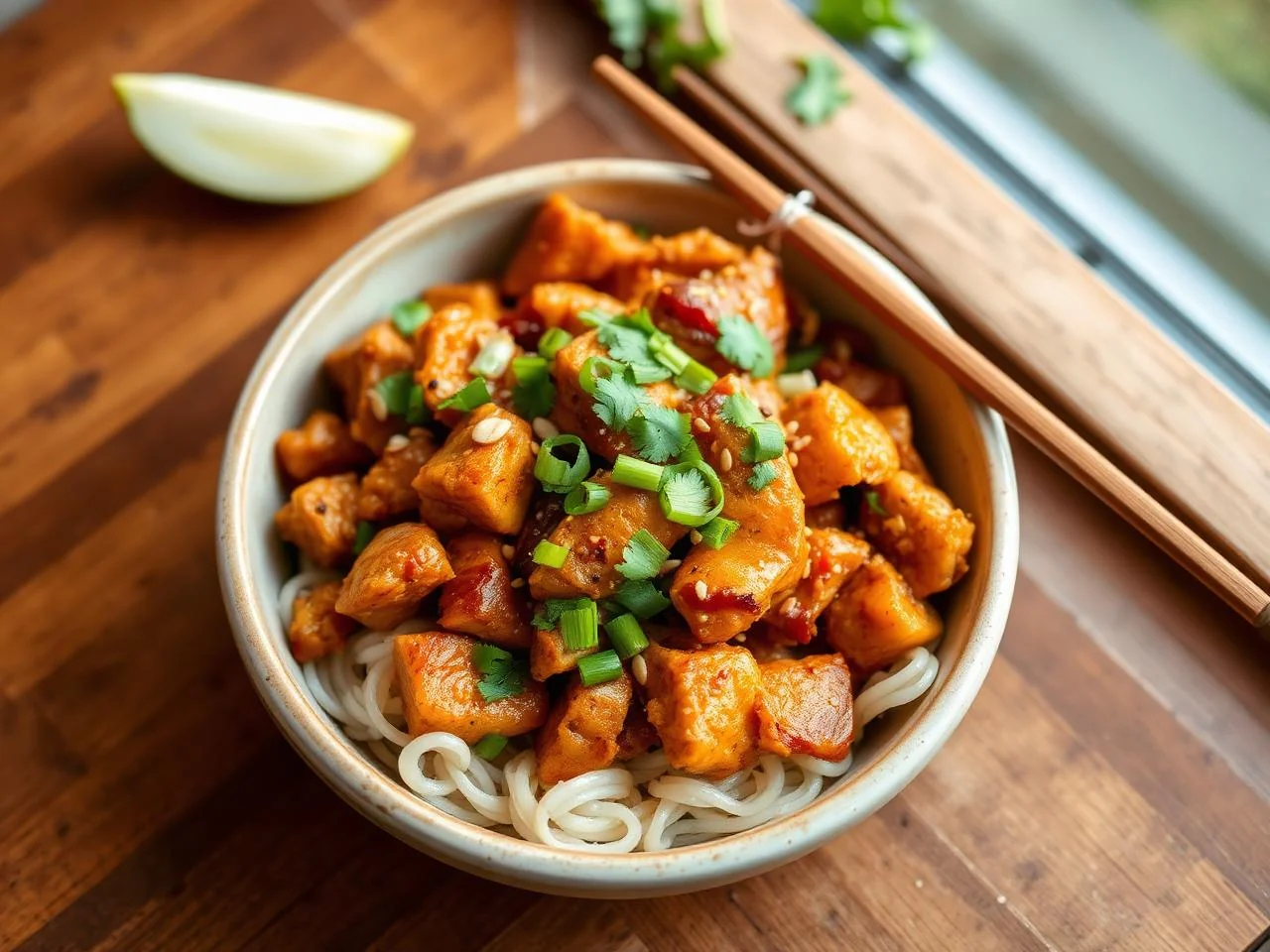
I still remember the first time I had Vietnamese Chicken Stir Fry at a small restaurant in my hometown. The combination of tender chicken, crunchy vegetables, and savory sauce was love at first bite. Since then, I've been on a mission to recreate this dish at home, and after countless attempts, I'm excited to share my version with you.
This recipe is a staple in many Vietnamese households, and for good reason. It's easy to make, customizable to your taste, and can be ready in under 30 minutes. Whether you're a busy weeknight cook or a weekend meal prep enthusiast, this recipe is perfect for you.
One of the things that sets this recipe apart is the use of fresh and fragrant ingredients, such as ginger, garlic, and scallions. These aromatics add a depth of flavor that's hard to replicate with dried or ground spices. Of course, you can always substitute or omit them if you prefer, but trust me, they make a big difference.
In this recipe, we'll be using a combination of soy sauce, oyster sauce, and fish sauce to create a rich and savory sauce. Don't worry if you're not familiar with these ingredients - they're easy to find in most supermarkets, and I'll guide you through the process of using them.
So, what are you waiting for? Let's dive into the world of Vietnamese Chicken Stir Fry and make this delicious dish a staple in your household.
Why You’ll Love This Recipe
- This recipe is easy to make and can be ready in under 30 minutes.
- It's customizable to your taste, so feel free to add or subtract ingredients as you see fit.
- The dish is perfect for a weeknight dinner or a weekend meal prep.
- It's a great way to use up leftover vegetables and protein.
- The sauce is rich and savory, making it a great addition to your meal repertoire.
- This recipe is budget-friendly and can be made with ingredients from your local supermarket.
- It's a crowd-pleaser, so feel free to make it for your next dinner party or gathering.
Why This Recipe Works
The key to a great stir-fry is balance - balance of flavors, textures, and temperatures. In this recipe, we achieve this balance by using a combination of high-heat cooking and gentle simmering. The initial high heat helps to sear the chicken and lock in the juices, while the gentle simmering allows the sauce to reduce and thicken.
Another important aspect of stir-frying is the use of the right pan. A wok or large skillet with a non-stick surface is ideal, as it allows for quick and easy stirring. If you don't have a wok, don't worry - a large skillet will work just as well.
Finally, the sauce is where the magic happens. By combining soy sauce, oyster sauce, and fish sauce, we create a rich and savory sauce that's both umami and slightly sweet. This sauce is the backbone of the dish, and it's what sets Vietnamese Chicken Stir Fry apart from other stir-fries.
Ingredients You’ll Need
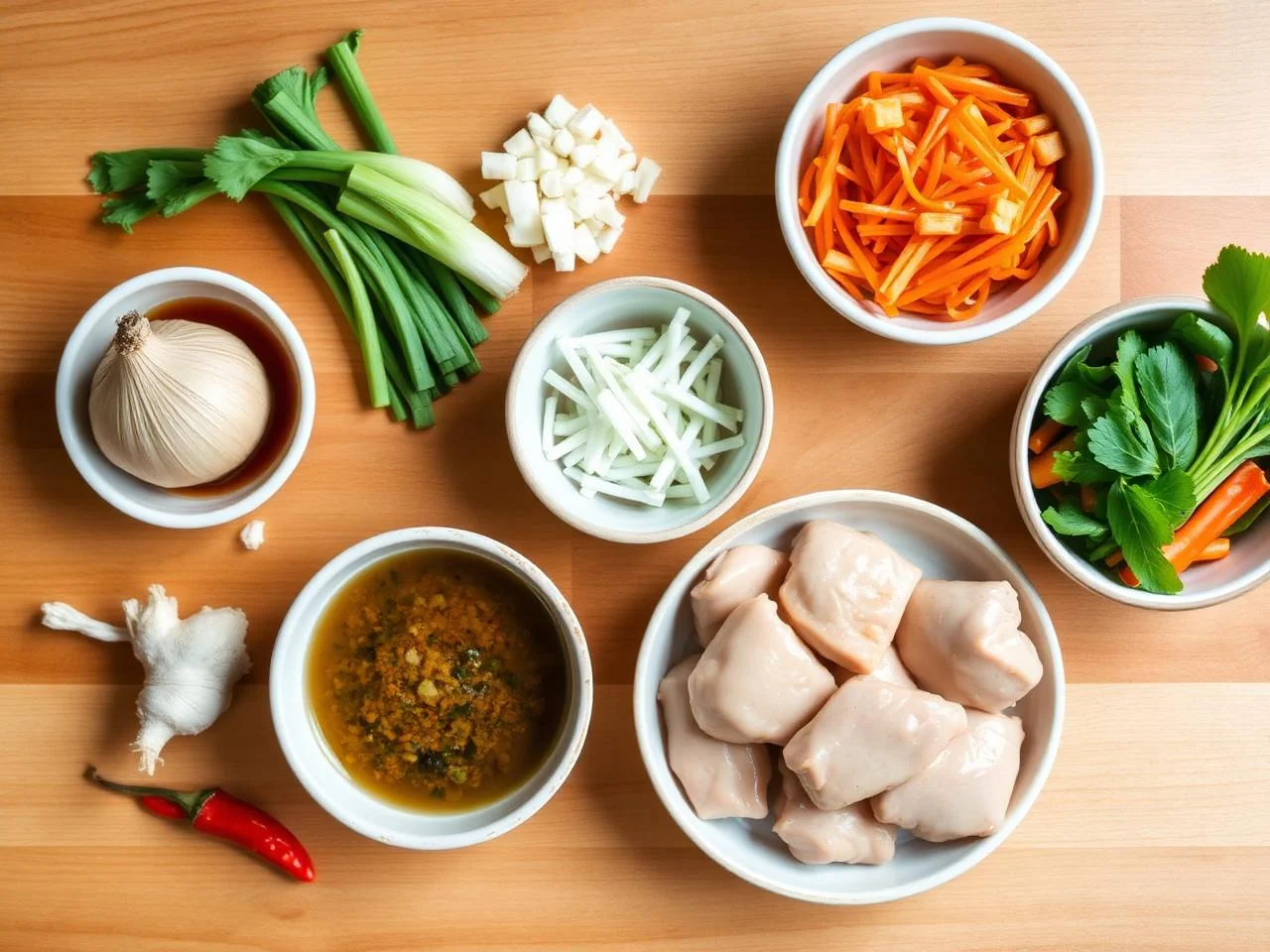
When it comes to stir-fries, the ingredients are just as important as the technique. In this recipe, we'll be using a combination of protein, vegetables, and aromatics to create a dish that's both flavorful and nutritious. Be sure to choose fresh and high-quality ingredients, as they'll make a big difference in the final dish.
One of the key ingredients in this recipe is the chicken. We'll be using boneless, skinless chicken thighs, which are perfect for stir-fries. You can also use chicken breasts if you prefer, but thighs are more tender and juicy.
- 1 lb (450g) chicken thighs, bonelessChicken thighs are perfect for stir-fries, as they're tender and juicy. You can also use chicken breasts if you prefer, but thighs are more flavorful.
- 2 tablespoons vegetable oilVegetable oil is a neutral-tasting oil that's perfect for stir-fries. You can also use peanut oil or coconut oil if you prefer.
- 3 cloves garlic, mincedGarlic is a fundamental ingredient in many Asian dishes, and it adds a depth of flavor to this stir-fry. Be sure to mince it finely, as it'll cook quickly.
- 1 tablespoon grated fresh gingerFresh ginger is a key ingredient in many Asian dishes, and it adds a warm, spicy flavor to this stir-fry. Be sure to grate it finely, as it'll cook quickly.
- 1 cup mixed bell peppers, slicedBell peppers are a crunchy and sweet addition to this stir-fry. You can use any color bell pepper you like, or a combination of colors.
- 1 cup snow peas, slicedSnow peas are a crunchy and tender addition to this stir-fry. You can use fresh or frozen snow peas, depending on what's available.
- 2 tablespoons soy sauceSoy sauce is a fundamental ingredient in many Asian dishes, and it adds a salty, umami flavor to this stir-fry. Be sure to use a high-quality soy sauce, as it'll make a big difference in the final dish.
- 1 tablespoon oyster sauceOyster sauce is a savory and slightly sweet condiment that's commonly used in Asian cooking. It adds a depth of flavor to this stir-fry, and it's a key ingredient in many Vietnamese dishes.
- 1 tablespoon fish sauceFish sauce is a pungent and salty condiment that's commonly used in Southeast Asian cooking. It adds a depth of flavor to this stir-fry, and it's a key ingredient in many Vietnamese dishes.
- 1 teaspoon sugarSugar is a balancing ingredient in this stir-fry, as it helps to offset the salty and savory flavors. You can use granulated sugar or brown sugar, depending on what you prefer.
- 1/4 teaspoon black pepperBlack pepper is a fundamental seasoning in many dishes, and it adds a subtle kick to this stir-fry. Be sure to use freshly ground black pepper, as it'll be more flavorful than pre-ground pepper.
- 2 scallions, choppedScallions are a crunchy and flavorful addition to this stir-fry. You can use them as a garnish, or you can stir them in at the end of cooking.
- Salt and pepper to tasteSalt and pepper are fundamental seasonings in many dishes, and they'll help to bring out the flavors in this stir-fry. Be sure to taste and adjust as you go, as the seasoning will depend on your personal preference.
Equipment You’ll Need
How to Make Vietnamese Chicken Stir Fry
- 1Prepare the ingredients by slicing the bell peppers and snow peas, and mincing the garlic and ginger. This will help to ensure that everything cooks evenly and quickly.
- 2Heat 1 tablespoon of vegetable oil in a large skillet or wok over medium-high heat. This will help to sear the chicken and lock in the juices.
- 3Add the chicken to the skillet and cook until it's browned and cooked through, about 5-7 minutes. Be sure to stir occasionally to prevent burning.
- 4Remove the chicken from the skillet and set it aside on a plate. This will help to prevent it from overcooking.
- 5Add the remaining 1 tablespoon of vegetable oil to the skillet, then add the minced garlic and grated ginger. Cook until they're fragrant and slightly softened, about 1 minute.
- 6Add the sliced bell peppers and snow peas to the skillet, and cook until they're tender-crisp, about 2-3 minutes. Be sure to stir occasionally to prevent burning.
- 7In a small bowl, whisk together the soy sauce, oyster sauce, fish sauce, and sugar. This will help to create a balanced and savory sauce.
- 8Pour the sauce into the skillet and bring it to a simmer. Cook until the sauce has thickened and reduced slightly, about 2-3 minutes.
- 9Add the cooked chicken back into the skillet, and stir to coat with the sauce. Be sure to cook until the chicken is heated through and the sauce is bubbly.
- 10Check the internal temperature of the chicken with an instant-read thermometer to ensure it reaches 165 F (74 C). This is a critical step to ensure food safety.
- 11Season the stir-fry with salt and pepper to taste, then garnish with chopped scallions. This will help to add a fresh and crunchy texture to the dish.
- 12Serve the stir-fry hot over rice or noodles, and enjoy! Be sure to serve immediately, as the stir-fry will be best when it's freshly cooked.
Expert Tips
- Use a high-quality soy sauce, as it'll make a big difference in the final dish.
- Don't overcook the chicken, as it'll become dry and tough.
- Use a variety of colorful bell peppers to add visual appeal to the dish.
- Add the snow peas towards the end of cooking, as they'll cook quickly and become tender.
- Taste and adjust the seasoning as you go, as the flavors will meld together during cooking.
- Use a large skillet or wok to cook the stir-fry, as it'll help to prevent overcrowding and promote even cooking.
- Don't be afraid to experiment with different ingredients and seasonings to make the dish your own.
- Serve the stir-fry with a variety of sides, such as rice, noodles, or vegetables, to add texture and variety to the meal.
Common Mistakes to Avoid
- Overcrowding the skillet, which can lead to uneven cooking and a lack of browning.
- Not cooking the chicken to a safe internal temperature, which can lead to foodborne illness.
- Using low-quality ingredients, which can result in a lackluster flavor and texture.
- Not tasting and adjusting the seasoning as you go, which can lead to an unbalanced flavor.
- Not using a variety of colorful ingredients, which can result in a dull and unappetizing dish.
- Not serving the stir-fry immediately, which can lead to a loss of texture and flavor.
Variations and Substitutions
- Add diced onions or shallots to the stir-fry for added flavor and texture.
- Use different types of protein, such as beef or tofu, to change up the flavor and texture.
- Add a variety of spices, such as cumin or coriander, to give the dish a unique flavor.
- Use different types of noodles or rice to change up the texture and flavor of the dish.
- Add a fried egg or diced bacon to the stir-fry for added richness and flavor.
- Use a variety of colorful bell peppers to add visual appeal to the dish.
- Add diced pineapple or mango to the stir-fry for a sweet and tangy flavor.
What to Serve With Vietnamese Chicken Stir Fry
Serve the Vietnamese Chicken Stir Fry over a bed of steamed rice or noodles, and garnish with chopped scallions and a sprinkle of toasted sesame seeds. You can also serve it with a side of steamed vegetables, such as broccoli or carrots, for added nutrition and flavor.
Consider serving the stir-fry with a variety of sides, such as fried wontons or egg rolls, to add crunch and texture to the meal. You can also serve it with a bowl of miso soup or a green salad for a light and refreshing contrast.
Make-Ahead, Storage, Freezing and Reheating
The Vietnamese Chicken Stir Fry can be stored in the refrigerator for up to 3 days, or frozen for up to 2 months. To store, allow the stir-fry to cool completely, then transfer it to an airtight container and refrigerate or freeze.
To reheat, simply microwave the stir-fry until it's hot and steaming, or reheat it in a skillet over medium heat. You can also add a splash of water or broth to the stir-fry to help it reheat evenly and prevent drying out.
Consider making a large batch of the stir-fry and freezing it in individual portions for a quick and easy meal. Simply thaw the frozen stir-fry overnight in the refrigerator, then reheat it in the morning for a delicious and convenient breakfast or lunch.
When reheating the stir-fry, be sure to stir it frequently to prevent burning and promote even heating. You can also add a variety of ingredients, such as diced onions or bell peppers, to the stir-fry during reheating to add fresh flavor and texture.
Frequently Asked Questions
What type of protein can I use in the stir-fry?
You can use a variety of proteins, such as chicken, beef, pork, or tofu, to change up the flavor and texture of the dish. Simply adjust the cooking time and method according to the protein you choose.
Can I make the stir-fry ahead of time?
Yes, you can make the stir-fry ahead of time and store it in the refrigerator or freezer. Simply reheat it when you're ready to serve, and add any fresh ingredients, such as scallions or sesame seeds, just before serving.
What type of noodles or rice can I serve with the stir-fry?
You can serve the stir-fry with a variety of noodles or rice, such as steamed jasmine rice, brown rice, or soba noodles. Simply cook the noodles or rice according to the package instructions, then top it with the stir-fry and garnish with chopped scallions and a sprinkle of toasted sesame seeds.
Can I add other ingredients to the stir-fry?
Yes, you can add a variety of ingredients to the stir-fry, such as diced onions, bell peppers, or mushrooms, to change up the flavor and texture. Simply stir-fry the ingredients until they're tender, then add the cooked chicken and sauce to the skillet.
How do I prevent the stir-fry from becoming dry and overcooked?
To prevent the stir-fry from becoming dry and overcooked, be sure to cook it over medium-high heat and stir it frequently. You can also add a splash of water or broth to the stir-fry to help it cook evenly and prevent drying out.
Can I make the stir-fry in a slow cooker?
Yes, you can make the stir-fry in a slow cooker. Simply brown the chicken and cook the vegetables in a skillet, then transfer everything to the slow cooker and cook on low for 2-3 hours. Serve the stir-fry hot, garnished with chopped scallions and a sprinkle of toasted sesame seeds.
How do I store the stir-fry in the freezer?
To store the stir-fry in the freezer, allow it to cool completely, then transfer it to an airtight container or freezer bag. Label the container or bag with the date and contents, then store it in the freezer for up to 2 months. To reheat, simply thaw the frozen stir-fry overnight in the refrigerator, then reheat it in the morning for a delicious and convenient breakfast or lunch.
Can I make the stir-fry without a wok or large skillet?
Yes, you can make the stir-fry without a wok or large skillet. Simply use a smaller skillet or saucepan, and cook the ingredients in batches if necessary. Be sure to stir the ingredients frequently to prevent burning and promote even cooking.
Ingredients
- 1 lb (450g) chicken thighs, boneless
- 2 tablespoons vegetable oil
- 3 cloves garlic, minced
- 1 tablespoon grated fresh ginger
- 1 cup mixed bell peppers, sliced
- 1 cup snow peas, sliced
- 2 tablespoons soy sauce
- 1 tablespoon oyster sauce
- 1 tablespoon fish sauce
- 1 teaspoon sugar
- 1/4 teaspoon black pepper
- 2 scallions, chopped
- Salt and pepper to taste
Instructions
- Prepare the ingredients by slicing the bell peppers and snow peas, and mincing the garlic and ginger. This will help to ensure that everything cooks evenly and quickly.
- Heat 1 tablespoon of vegetable oil in a large skillet or wok over medium-high heat. This will help to sear the chicken and lock in the juices.
- Add the chicken to the skillet and cook until it's browned and cooked through, about 5-7 minutes. Be sure to stir occasionally to prevent burning.
- Remove the chicken from the skillet and set it aside on a plate. This will help to prevent it from overcooking.
- Add the remaining 1 tablespoon of vegetable oil to the skillet, then add the minced garlic and grated ginger. Cook until they're fragrant and slightly softened, about 1 minute.
- Add the sliced bell peppers and snow peas to the skillet, and cook until they're tender-crisp, about 2-3 minutes. Be sure to stir occasionally to prevent burning.
- In a small bowl, whisk together the soy sauce, oyster sauce, fish sauce, and sugar. This will help to create a balanced and savory sauce.
- Pour the sauce into the skillet and bring it to a simmer. Cook until the sauce has thickened and reduced slightly, about 2-3 minutes.
- Add the cooked chicken back into the skillet, and stir to coat with the sauce. Be sure to cook until the chicken is heated through and the sauce is bubbly.
- Check the internal temperature of the chicken with an instant-read thermometer to ensure it reaches 165 F (74 C). This is a critical step to ensure food safety.
- Season the stir-fry with salt and pepper to taste, then garnish with chopped scallions. This will help to add a fresh and crunchy texture to the dish.
- Serve the stir-fry hot over rice or noodles, and enjoy! Be sure to serve immediately, as the stir-fry will be best when it's freshly cooked.