Picture this: I’m standing in my tiny kitchen, the timer on my old microwave buzzing like an impatient toddler, and a sudden craving for something decadently creamy hits me like a wave. I tried a store‑bought shrimp alfredo last week, and it turned out about as exciting as plain rice – bland, soggy, and frankly, a culinary disappointment. That night, I dared my roommate to a “best pasta ever” showdown, and I promised to deliver a dish that would make even the most skeptical food snob shout, “Okay, now watch this part closely!”
The moment I opened the pantry, the scent of fresh garlic, butter, and Parmesan danced in the air, teasing my senses. I could almost hear the sizzle of shrimp hitting a hot pan, the gentle pop of broccoli florets as they hit the boiling water, and the low hum of a simmering sauce that promised silkier textures than a silk scarf on a summer night. My fingertips tingled with anticipation, and the kitchen felt like a stage where I was about to perform the most delicious solo of my life.
But here’s the kicker: most recipes out there either drown the shrimp in a watery sauce or overcook the broccoli until it’s a limp, colorless mush. I’ve been there, and I’ve survived to tell the tale. This version flips the script – the sauce clings to every strand of fettuccine like velvet, the shrimp stay juicy and pink, and the broccoli retains that satisfying crunch that says, “I’m still alive!” The secret? A few technique tweaks and a splash of lemon zest that brightens the whole dish like a sunrise over a calm sea.
And just when you think you’ve heard it all, I’m about to drop a technique that most home cooks overlook: finishing the sauce off with a cold butter emulsification that turns the whole thing into a glossy, restaurant‑quality coating. I dare you to taste this and not go back for seconds. Let me walk you through every single step — by the end, you’ll wonder how you ever made it any other way.
What Makes This Version Stand Out
- Velvet Texture: The sauce is built on a butter‑cream emulsion that coats the pasta like a silk sheet, never greasy, never watery. It stays luxuriously smooth even after the pasta sits for a few minutes.
- Juicy Shrimp: By searing the shrimp quickly over high heat and finishing them in the sauce, they stay pink, plump, and bursting with briny goodness. No rubbery surprises here.
- Crisp‑tender Broccoli: Blanching the florets just enough preserves their bright green color and a snap that contrasts beautifully with the creamy sauce.
- Simplicity Meets Sophistication: Only eleven ingredients, all pantry‑friendly, yet the flavor depth rivals a five‑star Italian restaurant.
- Crowd‑pleaser Factor: I’ve served this at family gatherings and watched adults and kids alike dive in, spoonful after spoonful, without a single complaint.
- Ingredient Quality: Fresh shrimp and real Parmesan cheese are non‑negotiable – they elevate the dish from “okay” to “oh‑my‑god‑this‑is‑amazing.”
- One‑pan Magic: After the pasta cooks, you can finish everything in the same skillet, cutting down on dishes and concentrating flavors.
- Make‑Ahead Friendly: The sauce can be prepared a day ahead and gently reheated, making weeknight dinners a breeze.
Inside the Ingredient List
The Flavor Base
Butter (2 tbsp): Butter is the golden glue that binds the sauce together. Its milk solids add a nutty depth that plain oil can’t achieve. If you skip it, the sauce will feel thin and lack that buttery sheen.
Olive Oil (2 tbsp): A splash of olive oil raises the smoke point, letting you sear the shrimp without burning the butter. It also contributes a subtle fruitiness that balances the richness.
Garlic (4 cloves, minced): Fresh garlic gives the sauce its aromatic backbone. Mince it finely so it distributes evenly; otherwise, you’ll get occasional bites of raw pungency.
Heavy Cream (1 cup): This is the heart of the alfredo – it provides the silky body and carries the Parmesan flavor throughout. Use a full‑fat version; low‑fat creams will curdle under heat.
Parmesan Cheese (1 cup, grated): Freshly grated Parmesan melts into the cream, creating that signature cheesy stretch. Pre‑grated bag cheese won’t melt the same way and can leave a gritty texture.
The Texture Crew
Fettuccine Pasta (12 oz): Wide, flat noodles are perfect for catching the sauce. Cook them al dente – you want a slight bite that will finish cooking in the sauce, absorbing flavor without turning mushy.
Broccoli Florets (2 cups): Broccoli adds a pop of color and a crisp contrast. Its slight bitterness cuts through the richness, preventing the dish from feeling cloying.
Shrimp (1 lb, peeled and deveined): The star protein. Look for shrimp that are firm to the touch and slightly translucent. Overcooking even a second will make them rubbery, so watch them closely.
The Unexpected Star
Lemon Zest (zest of 1 lemon): A pinch of zest lifts the entire dish, adding brightness that makes the cream feel lighter. It’s the secret weapon that separates a good alfredo from a great one.
Red Pepper Flakes (½ tsp, optional): Just a whisper of heat adds a subtle kick, balancing the richness without overwhelming the palate. Omit if you prefer a milder profile.
The Final Flourish
Fresh Parsley (2 tbsp, chopped): Sprinkle it at the end for a fresh, herbaceous finish that adds a splash of color. It’s the visual cue that says, “I care about presentation.”
Salt and Black Pepper (to taste): Seasoning is the silent hero. Salt amplifies flavors, while freshly cracked pepper adds a gentle heat and complexity.
Everything's prepped? Good. Let's get into the real action…
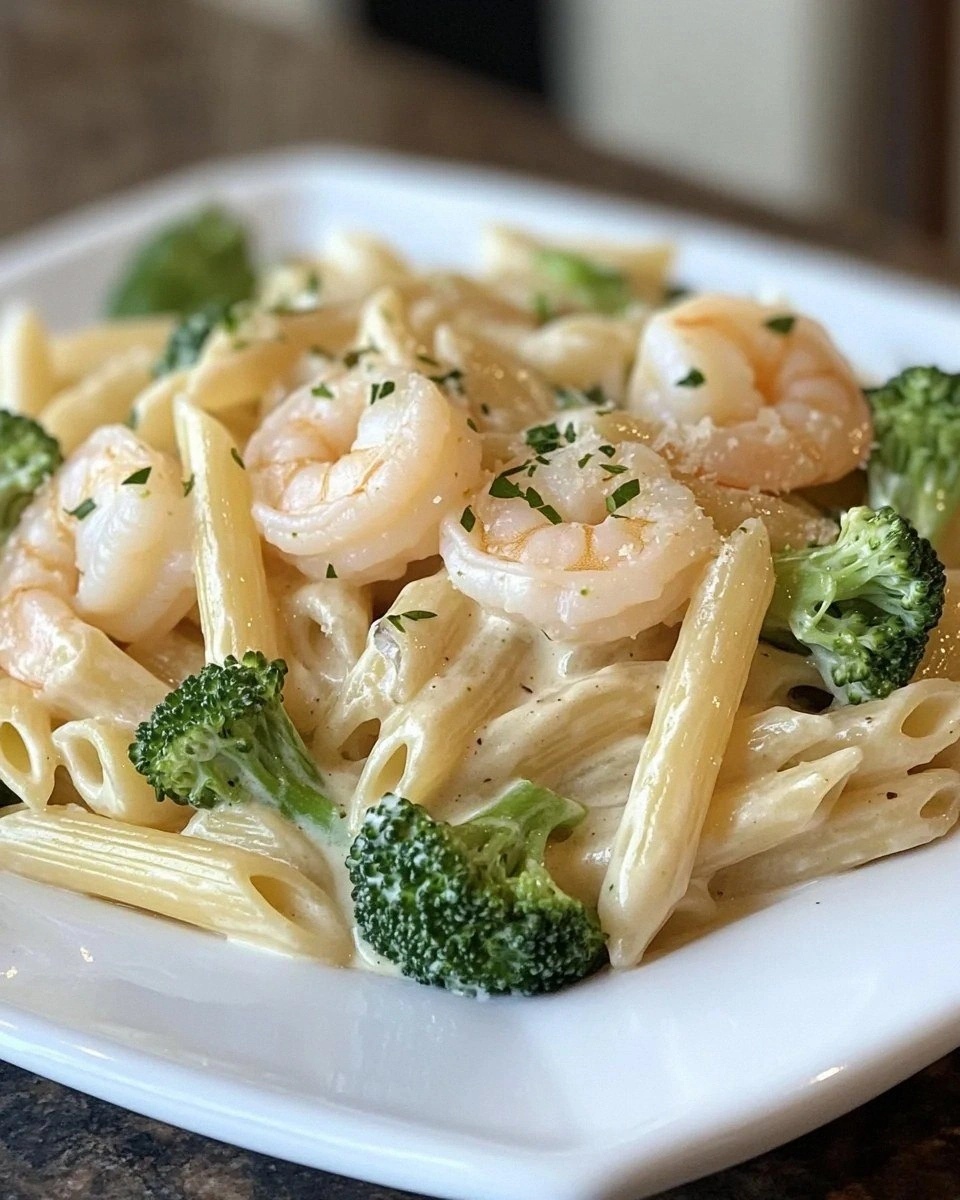
The Method — Step by Step
Start by bringing a large pot of salted water to a rolling boil. Add the fettuccine and cook it just shy of al dente – about 2 minutes less than the package suggests. While the pasta swims, set a colander aside for later. The water should taste like the sea; this is your first layer of flavor.
Meanwhile, heat a large skillet over medium‑high heat. Add the olive oil and butter, letting the butter foam and turn a light golden brown – that’s the “nutty” aroma you’re after. Toss in the minced garlic and sauté for 30 seconds until it becomes fragrant, but watch it closely; garlic burns faster than you think.
Now, add the shrimp to the skillet in a single layer. Let them sizzle undisturbed for 1 minute; you’ll hear a satisfying “pop” as the surface caramelizes. Flip them over and cook another minute until they turn pink and opaque. Remove the shrimp to a plate and set aside – they’ll finish cooking in the sauce later.
Deglaze the pan with the heavy cream, scraping up any browned bits stuck to the bottom. Reduce the heat to medium and let the cream simmer gently for 3‑4 minutes. It should thicken just enough to coat the back of a spoon, and you’ll notice a subtle, sweet aroma rising.
Stir in the grated Parmesan cheese, a handful at a time, whisking continuously. This is the moment of truth: the cheese should melt into a glossy, thick sauce without clumping. If the sauce looks grainy, lower the heat and keep whisking – patience is key.
While the sauce is coming together, drop the broccoli florets into the boiling pasta water during the last 2 minutes of cooking. This simultaneous cooking saves time and ensures the broccoli stays bright green and crisp‑tender.
Drain the pasta and broccoli together, reserving about ½ cup of the cooking water. Return the pasta, broccoli, and the sautéed shrimp to the skillet with the sauce. Toss everything gently, adding the reserved pasta water a splash at a time until the sauce reaches a silky, clingy consistency.
Season with salt, freshly ground black pepper, red pepper flakes, and the lemon zest. Give the whole pan one final toss, then sprinkle the chopped parsley over the top. Let the pasta rest for a minute – this allows the flavors to meld and the sauce to thicken just a touch more.
That's it — you did it. But hold on, I've got a few more tricks that'll take this to another level…
Insider Tricks for Flawless Results
The Temperature Rule Nobody Follows
Never let the cream boil aggressively. A gentle simmer keeps the fat from breaking, preserving that velvety texture. If the sauce starts bubbling too hard, lower the heat immediately and stir. I once let it boil and ended up with a curdled mess – a lesson learned the hard way.
Why Your Nose Knows Best
Before you add the final pinch of salt, take a deep sniff of the sauce. The aroma will tell you if it needs more seasoning. If you smell a faint buttery note, it likely needs a dash more salt; if you detect a sharp cheese edge, a splash of lemon juice will balance it.
The 5‑Minute Rest That Changes Everything
After you toss everything together, remove the pan from heat and let the pasta sit, covered, for five minutes. This rest period allows the starches to release a little extra creaminess, turning a good sauce into a melt‑in‑your‑mouth masterpiece. One friend tried to serve immediately and missed out on that buttery finish.
Butter‑Cold‑Emulsion Finish
Adding a cold butter cube at the very end creates an emulsion that makes the sauce glossy and smooth. It’s a technique chefs use to give sauces that “mirror‑shine” look. The butter should be cold, not melted, so it emulsifies rather than separates.
Timing the Shrimp
Cook the shrimp just until they turn pink – about 2 minutes total. Overcooking turns them rubbery, which no amount of sauce can fix. If you’re unsure, cut one open; it should be opaque all the way through but still juicy.
Creative Twists and Variations
This recipe is a playground. Here are some of my favorite ways to switch things up:
Spicy Cajun Kick
Swap the red pepper flakes for a tablespoon of Cajun seasoning and add a splash of smoked paprika. The dish takes on a Southern heat that pairs perfectly with the creamy base.
Mushroom Medley
Introduce sliced cremini or shiitake mushrooms after the garlic. Their earthy flavor adds depth and makes the dish heartier, perfect for cooler evenings.
Sun‑Dried Tomato Burst
Stir in a quarter cup of chopped sun‑dried tomatoes with the broccoli. The tangy, chewy pieces contrast the silky sauce and give a Mediterranean twist.
Vegan Swap
Replace shrimp with pan‑seared tofu cubes, use plant‑based cream (like cashew cream), and swap Parmesan for nutritional yeast. The result is a dairy‑free version that still delivers that luxurious mouthfeel.
Lemon‑Herb Freshness
Boost the lemon component by adding a tablespoon of fresh lemon juice and a handful of chopped basil. This brightens the dish, making it an ideal spring or summer plate.
Storing and Bringing It Back to Life
Fridge Storage
Transfer leftovers to an airtight container and refrigerate within two hours. It will keep fresh for up to three days. When reheating, add a splash of milk or water to revive the sauce’s creaminess.
Freezer Friendly
Portion the pasta into freezer‑safe bags, removing as much air as possible. Freeze for up to two months. Thaw overnight in the fridge, then reheat gently on the stovetop, stirring in a tablespoon of cream.
Best Reheating Method
Use a low‑heat skillet, add a teaspoon of butter, and stir continuously. The sauce will come back together without separating. If it looks too thick, drizzle a tiny splash of water – it steams back to perfection.