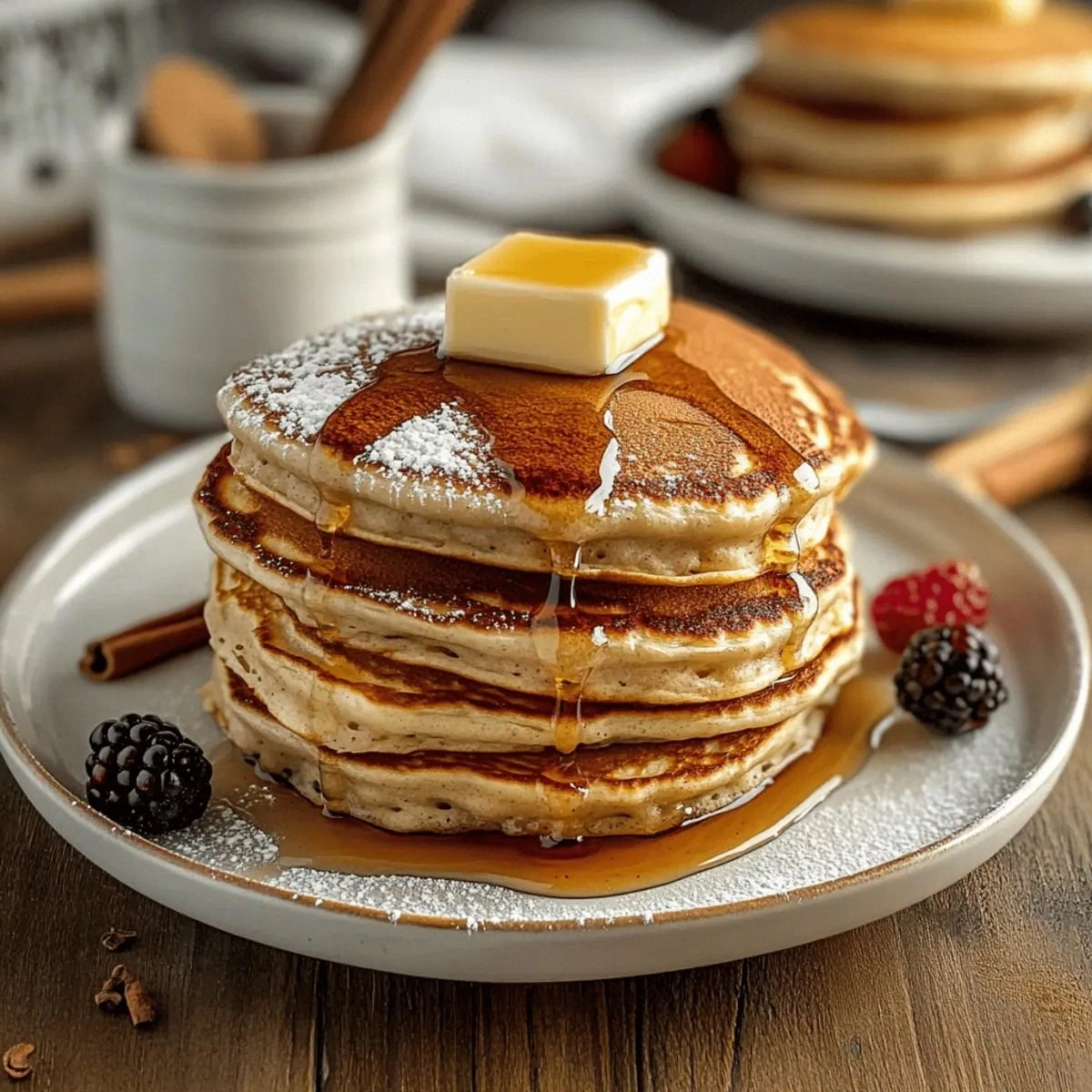
I once tried to rescue a sad, flat pancake that looked more like a sad piece of toast than anything else. The kitchen was a battlefield of burnt butter, over‑whisked batter, and a lingering smell that whispered “give up”. I dared my roommate to taste the result, and she promptly declared it “the worst pancake ever” — that’s when I decided to go back to the drawing board and create a version that would make even the most skeptical breakfast critic weep with joy. This was the birth of the fluffy vanilla cinnamon buttermilk pancake, a stack so airy it practically floats, and so fragrant it could convince a grumpy cat to purr.
Picture this: a golden sunrise spilling through the kitchen window, the sound of a whisk twirling like a tiny tornado, and the sweet scent of vanilla and cinnamon dancing in the air like a warm hug from your favorite aunt. The batter sighs as it meets the hot pan, bubbling gently, then bursts into a cloud of light, buttery fluff that lifts the whole room’s mood. When you finally bite into it, the first thing you notice is the tender crumb that melts like cloud‑soft ice cream, followed by a subtle crunch at the edges that snaps like fresh autumn leaves underfoot. The vanilla whispers, the cinnamon sings, and the buttermilk adds that tangy kiss that makes the whole experience unforgettable.
Most pancake recipes get this completely wrong. They either over‑mix, turning the batter into a rubbery slab, or they under‑season, leaving you with bland, soggy circles that could double as paper plates. This version stands out because it respects the chemistry of leavening, balances sweet and spice, and uses buttermilk to create a tender crumb that’s impossible to replicate with regular milk. I’m confident this is the best version you’ll ever make at home — hands down, no contest. The secret? A tiny dash of vanilla extract that elevates the whole stack, and a careful folding technique that traps air like a pastry chef trapping butter in croissant layers.
Okay, ready for the game‑changer? I’m about to walk you through every single step — from selecting the perfect flour to mastering the perfect pan temperature. By the end, you’ll wonder how you ever survived breakfast without this masterpiece. I dare you to taste this and not go back for seconds. Let’s get cooking.
What Makes This Version Stand Out
- Flavor Fusion: The marriage of vanilla and cinnamon creates a sweet‑spicy profile that’s comforting yet exciting, like a warm blanket with a hidden pocket of fireworks.
- Feather‑Light Texture: Buttermilk reacts with baking soda to produce bubbles that expand the batter, resulting in a stack that’s airy enough to float on a breeze.
- Simplicity: Only ten ingredients, all pantry staples, mean you can whip this up on a lazy Sunday or a frantic weekday morning without a grocery run.
- Unique Twist: A splash of melted butter folded in at the end adds richness without weighing the pancakes down, a technique most recipes overlook.
- Crowd Reaction: Friends and family will swear they’ve never tasted anything like it, often asking for the “secret” — which, spoiler, is in the method.
- Ingredient Quality: Using real vanilla extract (not imitation) and fresh ground cinnamon makes a world of difference in aroma and depth.
- Cooking Method: A medium‑low heat ensures the interior cooks fully while the exterior develops that coveted golden crust.
- Make‑Ahead Potential: The batter can rest for 10 minutes, allowing the flour to hydrate and the leavening to activate, guaranteeing even fluffier pancakes.
Inside the Ingredient List
The Flavor Base
The backbone of any great pancake is the balance between sweet, spice, and tang. Ground cinnamon brings warmth and a subtle earthiness that pairs perfectly with the sweet notes of sugar. If you skip the cinnamon, you’ll end up with a pancake that tastes like plain bread, missing that comforting spice that makes the stack feel like a holiday morning. For a twist, try swapping half the cinnamon for nutmeg or cardamom, but remember, a little goes a long way.
Vanilla extract is the aromatic whisper that ties everything together. Real vanilla (the dark, oily kind) adds depth that artificial flavor can’t match. If you’re out of vanilla, a splash of maple syrup or a pinch of almond extract can work, but the flavor profile will shift toward a different sweet note.
The Texture Crew
All‑purpose flour provides the structure. It’s the scaffold that holds the air bubbles created by the leaveners. Using cake flour would make the pancakes too delicate, while bread flour would make them dense. Choose a flour that’s fresh — older flour can produce a stale taste. If you’re gluten‑free, a blend of rice flour and tapioca starch works, but you may need an extra egg or a teaspoon of xanthan gum to maintain structure.
Buttermilk is the secret hero. Its acidity reacts with the baking soda, creating carbon dioxide that lifts the batter. It also adds a slight tang that cuts through the sweetness, keeping the flavor balanced. If you don’t have buttermilk, whisk 1 cup of milk with 1 tablespoon of lemon juice or white vinegar and let it sit for 5 minutes; the result is a near‑identical substitute.
The Leavening Duo
Baking powder and baking soda work together like a dynamic duo. The powder provides a steady rise, while the soda reacts instantly with the buttermilk’s acidity for that extra puff. Over‑mixing these can cause the batter to lose its aeration, so whisk them in separately before folding into the wet mixture. Skipping either will give you pancakes that are dense and flat — a culinary tragedy.
The Final Flourish
Melted butter folded in at the end adds a silky richness that coats each bite like a buttery veil. It also helps the edges crisp up just enough to give you that satisfying “crackle” without turning the whole pancake greasy. If you’re dairy‑free, coconut oil works, but the flavor will shift toward a tropical note.
Egg acts as a binder and adds extra lift. A large egg contributes enough protein to hold the batter together while still allowing it to stay light. Using a smaller egg will make the batter a touch thinner; a larger one can make it too heavy. If you’re vegan, a flax egg (1 tbsp ground flaxseed + 3 tbsp water) can substitute, though the texture will be marginally denser.
Everything's prepped? Good. Let's get into the real action…
The Method — Step by Step
In a large mixing bowl, whisk together 1 cup all‑purpose flour, 2 tablespoons sugar, 1 tablespoon baking powder, ½ teaspoon baking soda, 1 teaspoon ground cinnamon, and a pinch of salt. As you stir, imagine you’re coaxing tiny air pockets into the dry mix — the scent of cinnamon should already start to perfume the kitchen. This dry blend is crucial; it ensures the leaveners are evenly distributed so you don’t end up with pockets of bitter soda.
Kitchen Hack: Sift the flour and leaveners together; this eliminates lumps and guarantees an even rise.In a separate bowl, combine 1 cup buttermilk, 1 large egg, 2 tablespoons melted butter, and 1 teaspoon vanilla extract. Whisk until the mixture is smooth and the butter is fully incorporated. You’ll notice the batter turning a pale, creamy color — that’s the sign the butter has emulsified, which will later give you that melt‑in‑your‑mouth texture.
Create a well in the center of the dry ingredients and pour the wet mixture into it. Using a rubber spatula, gently fold the batter together, scraping the sides of the bowl as you go. The key is to stop mixing the moment the flour disappears; over‑mixing will develop gluten and make the pancakes tough. The batter should be slightly lumpy — those pockets are the air bubbles that become your fluffy rise.
Let the batter rest for 10 minutes. During this time, the flour hydrates, the gluten relaxes, and the baking powder starts its gentle fizz. If you’re impatient, you’ll notice a thinner batter that spreads too much on the pan, leading to thin, crepe‑like pancakes.
Heat a non‑stick skillet or griddle over medium‑low heat (about 325°F/165°C). Lightly brush the surface with a thin layer of melted butter or oil. The pan should be hot enough that a few drops of batter sizzle instantly but not so hot that they burn before the edges set. That sizzle when it hits the pan? Absolute perfection.
Using a ¼‑cup measuring scoop, pour batter onto the skillet, leaving enough space between each pancake for easy flipping. You’ll see bubbles forming on the surface within 30‑45 seconds; when the edges start pulling away and the tops look set but still glossy, it’s time to flip. This is the moment of truth — if you flip too early, you’ll lose the airy interior.
Watch Out: If the pan is too hot, the pancake will brown before the center cooks, resulting in a raw middle.Flip each pancake with a thin spatula and cook for another 1‑2 minutes, until the second side is golden brown and the pancake springs back when pressed lightly. The aroma at this stage should be intoxicating — a blend of caramelized butter, vanilla, and cinnamon that makes the whole kitchen feel like a bakery.
Transfer the finished pancakes to a warm plate and keep them covered loosely with foil. This retains heat without steaming, preserving the crisp edges. If you’re making a large batch, you can place the plate in a low oven (about 200°F/93°C) while you finish the rest.
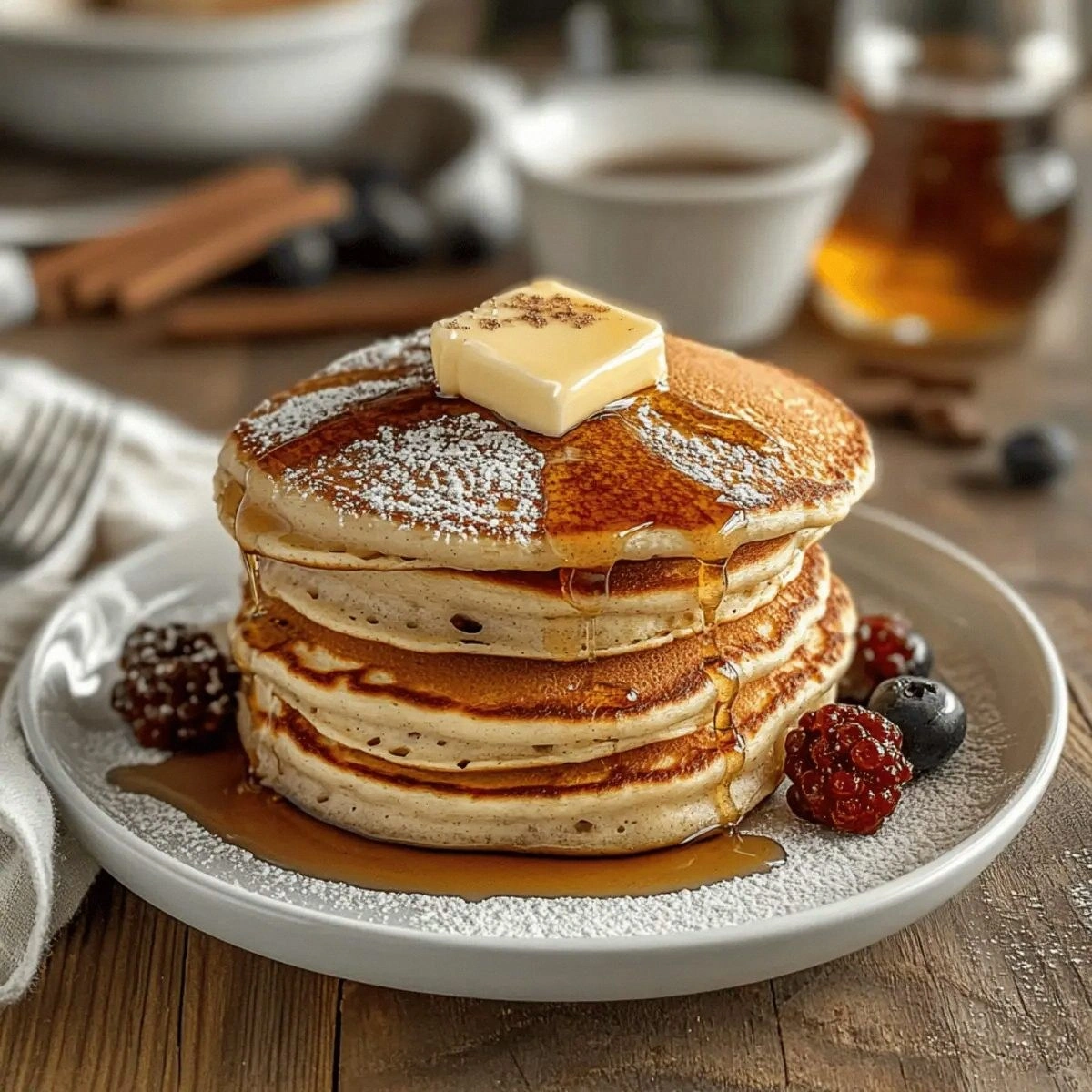
Serve immediately with your favorite toppings: a drizzle of maple syrup, a dollop of whipped cream, fresh berries, or even a spoonful of Greek yogurt for a tangy contrast. The pancakes are so versatile that even a simple dusting of powdered sugar feels like a celebration. And remember, I’ll be honest — I ate half the batch before anyone else got to try it.
That's it — you did it. But hold on, I've got a few more tricks that'll take this to another level…
Insider Tricks for Flawless Results
The Temperature Rule Nobody Follows
Most home cooks set the stove to “medium” and hope for the best. In reality, a precise temperature (around 325°F/165°C) is the sweet spot for pancakes. Too hot and the exterior burns while the interior remains doughy; too cool and you end up with pale, dense circles. Use an infrared thermometer or a few drops of water — they should dance and evaporate instantly at the right heat.
Why Your Nose Knows Best
Your sense of smell is a more reliable indicator than a timer. When the batter first hits the pan, you’ll hear a gentle sizzle; as bubbles form and burst, the aroma of butter and cinnamon intensifies. When you can smell the sweet, caramelized notes, the pancakes are ready to flip. Trust that nose — it’s a built‑in kitchen sensor.
The 5‑Minute Rest That Changes Everything
Letting the batter rest isn’t just a suggestion; it’s a game‑changer. The 5‑10 minute pause allows the flour to fully absorb the liquid, which reduces gluten development and gives the leaveners time to activate. The result? Pancakes that rise higher and have a tender crumb. Skipping this step is the fastest way to end up with a flat, rubbery pancake.
Gentle Flip, Not a Toss
Flipping with a flick of the wrist might look impressive, but it often tears the pancake, releasing the precious air bubbles. Use a thin, flexible spatula and slide it under the pancake, then lift and turn in one smooth motion. If you feel resistance, wait a few more seconds; the pancake will release on its own when the edges are fully set.
Butter Brush Finale
A quick brush of melted butter on the finished stack adds a glossy finish and a final layer of flavor. It also helps the syrup glide over the surface instead of pooling at the bottom. This tiny step separates a good pancake from a great one — it’s the culinary equivalent of a final coat of varnish on a masterpiece.
Creative Twists and Variations
This recipe is a playground. Here are some of my favorite ways to switch things up:
Apple‑Cinnamon Swirl
Dice a small apple and toss it in a skillet with a pinch of cinnamon and a drizzle of butter until soft. Fold the warm apple pieces into the batter just before cooking. The result is a sweet‑tart bite that reminds you of a fresh‑baked apple crumble.
Chocolate Chip Delight
Add ½ cup of mini chocolate chips to the batter after the rest period. The chips melt slightly during cooking, creating pockets of gooey chocolate that contrast beautifully with the cinnamon‑vanilla base.
Savory Herb Infusion
Swap the sugar for a pinch of smoked paprika, and add 2 tablespoons of chopped fresh chives to the dry mix. Top with a poached egg and a drizzle of hot sauce for a brunch that walks the line between sweet and savory.
Coconut‑Lime Breeze
Replace the buttermilk with coconut milk and add the zest of one lime to the wet ingredients. Garnish with toasted coconut flakes and a squeeze of fresh lime juice for a tropical twist that transports you to a beach sunrise.
Pumpkin Spice Autumn
Stir in ¼ cup of pumpkin puree and a pinch of nutmeg and cloves. Reduce the buttermilk by ¼ cup to keep the batter consistency right. This variation is perfect for a crisp fall morning, delivering the cozy flavors of a pumpkin pie in pancake form.
Storing and Bringing It Back to Life
Fridge Storage
Place cooled pancakes in an airtight container lined with parchment paper. They’ll stay fresh for up to 3 days. When you’re ready to eat, reheat in a skillet over medium heat for 2 minutes per side, adding a tiny splash of butter to revive the crisp edges.
Freezer Friendly
Stack pancakes between sheets of wax paper, then seal them in a zip‑top freezer bag. They freeze beautifully for up to 2 months. To reheat, microwave for 30 seconds, then finish in a hot skillet for 1 minute per side to restore that golden crust.
Best Reheating Method
Add a tiny splash of water (about a teaspoon per pancake) before reheating in the microwave or skillet. The moisture creates steam, which revives the fluffy interior without making the pancake soggy. This trick is a lifesaver for those leftover stacks that deserve a second encore.