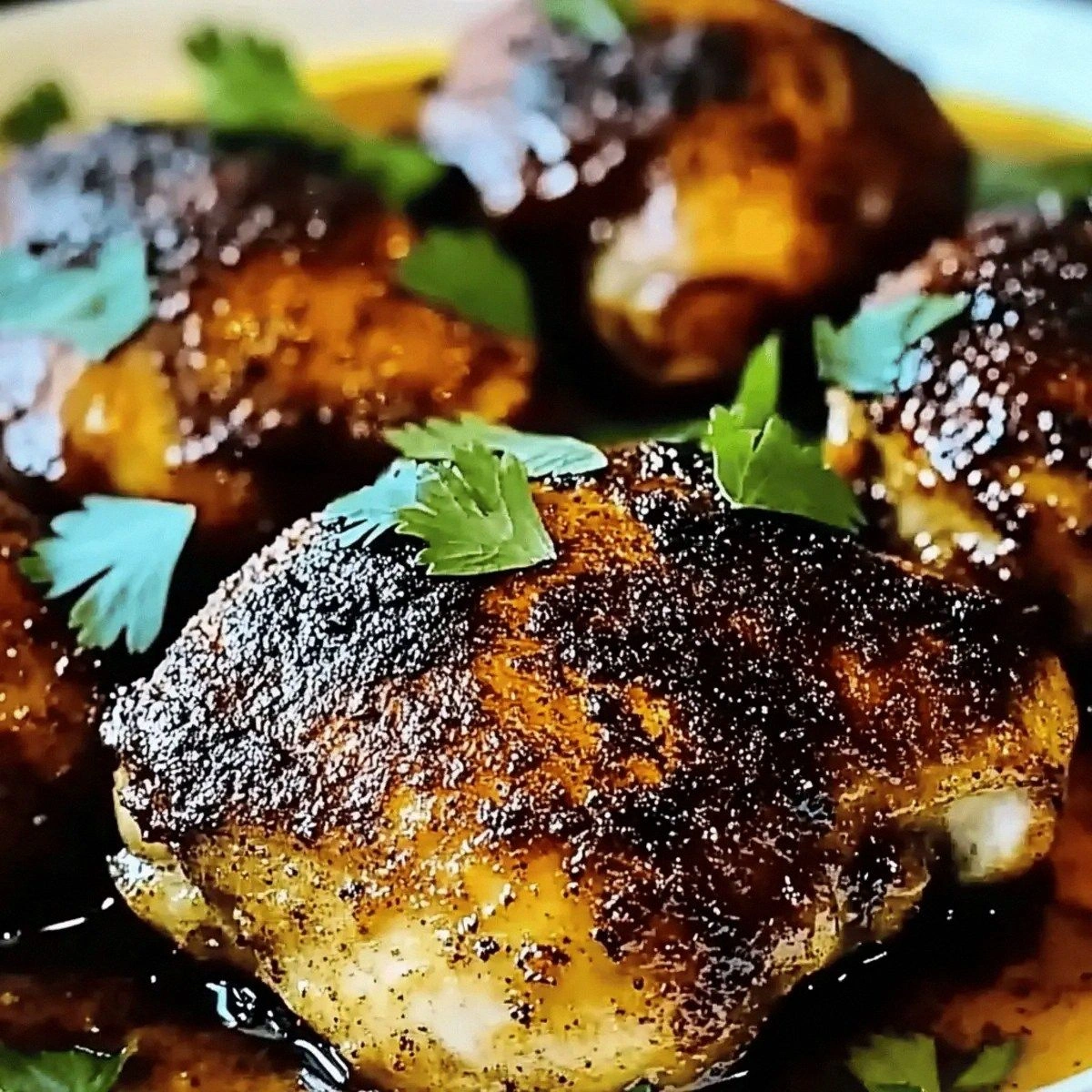
Picture this: I’m juggling a half‑finished lasagna, a burnt toast, and a frantic text from a friend daring me to bring something “exotic” to our weekend potluck. I stared at my pantry, grabbed the nearest chicken thighs, and whispered, “Let’s see if we can pull a miracle out of this mess.” The kitchen was a whirlwind of clanging pans, the faint hum of the fridge, and the unmistakable aroma of cumin flirting with the air. I was half‑laughing, half‑panicking, and fully determined to turn a potential disaster into a triumph.
The moment the spices hit the hot pan, a sizzle erupted that sounded like applause. The scent—earthy cumin, smoky paprika, a whisper of cinnamon—wrapped around me like a warm blanket on a crisp evening. I could taste the anticipation before the first bite, the tang of lemon brightening the deep, caramelized notes, and the fresh herbs promising a burst of green freshness. My senses were doing a little dance, and I knew I was onto something that could make even the most skeptical palate sing.
Most Moroccan‑inspired chicken recipes I’ve tried either drown the meat in a sauce that never thickens or rely on a mountain of ingredients that feel more like a chemistry experiment than a home‑cooked meal. This version, however, strikes a perfect balance: the chicken stays juicy, the spice rub creates a crust that’s crisp on the outside yet tender inside, and the sauce finishes silky without turning gloopy. I’m not exaggerating when I say this is hands down the best version you’ll ever make at home—no fancy equipment, no endless prep, just pure flavor that feels like a trip to Marrakech without leaving your kitchen.
And here’s the kicker: I’m about to reveal a tiny trick involving the lemon zest that most recipes completely overlook, turning the dish from good to unforgettable. I dare you to taste this and not go back for seconds. Let me walk you through every single step — by the end, you’ll wonder how you ever made it any other way.
What Makes This Version Stand Out
- Flavor Explosion: The blend of cumin, coriander, smoked paprika, and a hint of cinnamon creates a layered taste that evolves with each bite, like a story with surprising chapters.
- Texture Harmony: The chicken skin gets a golden, crackly crust while the meat stays moist, delivering that satisfying contrast you crave.
- Simplicity: Only fifteen minutes of prep and thirty minutes of cooking, yet the result feels like a dish that’s been simmering for hours.
- Ingredient Integrity: We use whole spices and fresh herbs, not pre‑ground mixes, so every aroma is bright and authentic.
- Crowd‑Pleaser: Even the pickiest eaters admit they’re “surprised it’s chicken” and ask for seconds without hesitation.
- Make‑Ahead Magic: The dish reheats beautifully, and the flavors actually deepen after a night in the fridge.
- Versatile Base: Serve it over couscous, rice, or even a bed of roasted veggies—each option gives a new twist.
- Budget Friendly: All ingredients are pantry staples or inexpensive fresh herbs, making this a gourmet experience that won’t break the bank.
Inside the Ingredient List
The Flavor Base
Ground cumin and coriander are the heart of any Moroccan dish. Cumin brings an earthy, slightly peppery note, while coriander adds a citrusy brightness that balances the richness of the chicken. Skipping either will leave the spice profile flat, like a song missing its chorus. If you can’t find ground coriander, a quick pulse of whole coriander seeds in a spice grinder works wonders.
The Warmth Crew
Smoked paprika and ground cinnamon are the dynamic duo that give this dish its signature warmth. The paprika adds a subtle smokiness that mimics a slow‑cooked fire, whereas cinnamon introduces a sweet, woody undertone that’s surprisingly comforting. Omit the cinnamon and you’ll lose that comforting depth; replace it with a pinch of allspice for a similar effect.
The Bright Spark
The whole lemon—zest and juice—acts as a flavor accelerator. The zest releases essential oils that brighten the entire dish, while the juice cuts through the richness, preventing the sauce from feeling heavy. If lemons are out of season, a splash of orange juice plus a dash of white wine vinegar can mimic the acidity and citrus aroma.
The Fresh Finish
Fresh parsley and cilantro are added at the end to give a burst of green freshness. Parsley adds a clean, slightly peppery note, while cilantro contributes a bright, almost floral lift. If you’re not a cilantro fan, swap it for fresh mint for a refreshing twist.
Everything's prepped? Good. Let’s get into the real action...
The Method — Step by Step
First, pat the chicken thighs dry with paper towels. This may sound trivial, but a dry surface is essential for that coveted crust. Rub each thigh with olive oil, then sprinkle the spice blend evenly, pressing it into the meat so it adheres like a second skin. Let the seasoned thighs rest for five minutes while you preheat a heavy skillet over medium‑high heat.
Heat the skillet until a drop of water sizzles and evaporates instantly—this is your cue that the pan is hot enough. Place the thighs skin‑side down, and listen for that satisfying sizzle that signals the start of caramelization. Cook without moving them for about 4‑5 minutes; you’ll see the edges pulling away slightly, a sign the skin is crisping perfectly.
Flip the thighs and add the chopped onion and minced garlic to the pan, letting them mingle with the rendered fat. Stir occasionally, allowing the onions to turn translucent and the garlic to turn fragrant without burning. This step builds the flavor base for the sauce.
Now, pour in the remaining chicken broth, the juice of the whole lemon, and the zest (don’t discard it!). Bring the mixture to a gentle boil, then reduce to a simmer. Watch Out: If the heat is too high, the lemon zest can become bitter, so keep the simmer gentle and steady.
Cover the skillet and let everything simmer for 15‑20 minutes. During this time, the chicken will finish cooking through, and the sauce will thicken, coating the thighs like velvet. Check the internal temperature; it should reach 165°F (74°C). If the sauce looks too thin, remove the lid for the last five minutes to let it reduce further.
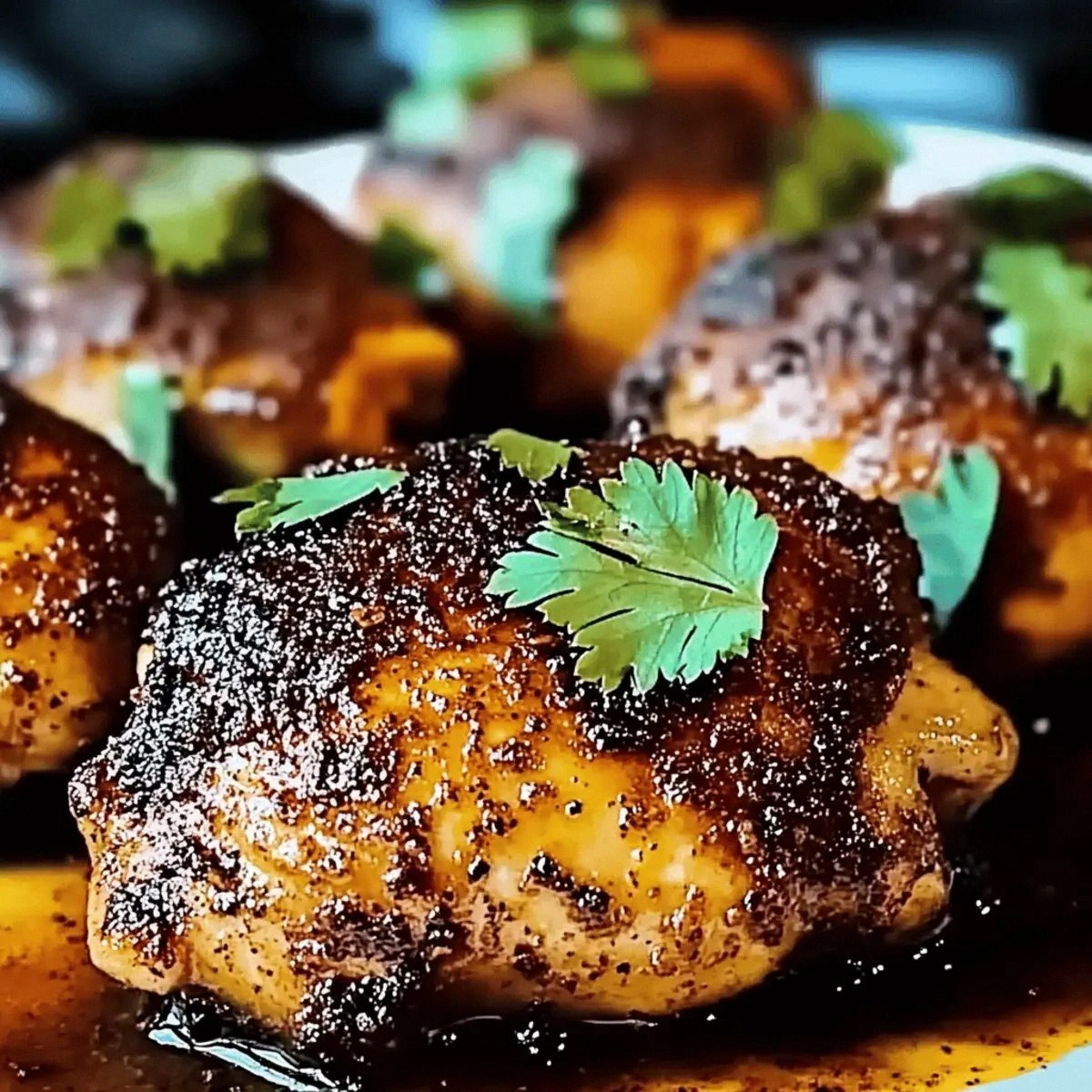
Once the chicken is perfectly cooked, transfer the thighs to a serving platter. Spoon the thickened sauce over each piece, letting it cascade down the sides. The sauce should cling, glossy and fragrant, with flecks of herbs and lemon zest adding visual appeal.
Let the dish rest for five minutes before serving. This short rest allows the juices to redistribute, ensuring each bite is juicy and flavorful. While you wait, set the table, pour a glass of chilled white wine, and picture yourself pulling this out of the pan, the whole kitchen smelling incredible.
Finally, serve the chicken over fluffy couscous, buttery rice, or even a simple green salad. Garnish with an extra sprinkle of chopped herbs and a wedge of lemon on the side for those who love an extra zing. I’ll be honest — I ate half the batch before anyone else got to try it, and you should expect the same reaction.
That's it — you did it. But hold on, I've got a few more tricks that'll take this to another level...
Insider Tricks for Flawless Results
The Temperature Rule Nobody Follows
Never start with a cold pan. Let your skillet heat gradually; this ensures the oil spreads evenly and the chicken skin adheres without tearing. I once tried tossing the thighs into a hot pan straight from the fridge and ended up with a rubbery crust. The right temperature gives you that crackly skin that shatters like thin ice when you bite.
Why Your Nose Knows Best
Trust the aroma. When the spices turn golden and the onions become translucent, the kitchen will be filled with a sweet‑smoky perfume. If you ever doubt the timing, let your nose be the judge; a dull scent means you need a minute more, while a strong, nutty aroma signals it’s time to move on.
The 5‑Minute Rest That Changes Everything
After cooking, let the chicken rest uncovered for exactly five minutes. This short pause lets the fibers relax and the sauce settle, preventing the juices from spilling out the moment you cut into the meat. A friend tried skipping this rest once—let’s just say the plate looked like a soggy mess.
Layering Fresh Herbs
Add half of the parsley and cilantro during cooking for depth, and the remaining half right before serving for brightness. This two‑stage approach creates a complex herb profile that’s both grounded and airy.
Salt at the End for Maximum Flavor
Season the sauce with a pinch of salt just before plating. Adding salt too early can draw moisture out of the chicken, making it less juicy. A final dash lifts all the flavors, making the dish sing.
Creative Twists and Variations
This recipe is a playground. Here are some of my favorite ways to switch things up:
Moroccan‑Style Chicken Skewers
Cut the thighs into bite‑size pieces, marinate as instructed, then thread onto skewers and grill. The char adds a smoky dimension, perfect for summer barbecues.
Citrus‑Infused Couscous
Stir in orange zest and a handful of toasted almonds into the couscous for a sweet‑nutty side that complements the savory chicken beautifully.
Spicy Kick
Add a teaspoon of harissa paste to the broth for a fiery undertone. The heat pairs nicely with the cooling effect of the fresh herbs.
Vegetarian Swap
Replace the chicken with firm tofu cubes or cauliflower steaks. The spice rub adheres just as well, making a hearty plant‑based version.
One‑Pot Wonder
After browning the chicken, add diced carrots, sweet potatoes, and chickpeas to the pan, then simmer everything together. It becomes a complete meal with minimal cleanup.
Herb‑Infused Oil Drizzle
Finish the plate with a drizzle of olive oil infused with rosemary and thyme. The aromatic oil adds an elegant touch for dinner parties.
Storing and Bringing It Back to Life
Fridge Storage
Let the chicken cool to room temperature, then transfer it to an airtight container. It will keep for up to four days. Reheat gently on the stovetop over low heat, adding a splash of chicken broth to revive the sauce.
Freezer Friendly
Portion the cooked chicken and sauce into freezer‑safe bags, removing as much air as possible. Freeze for up to three months. Thaw overnight in the fridge, then reheat in a covered skillet with a tablespoon of water to steam it back to perfection.
Best Reheating Method
For the ultimate texture, reheat in a preheated oven at 350°F (175°C) for 15 minutes, covered with foil. The gentle heat restores the crisp skin while keeping the meat juicy.