I was standing in my kitchen on a Tuesday night, staring at a half‑cooked pot of spaghetti that had somehow turned into a soggy, sad mess. The sauce was thin, the chicken was bland, and my roommate was giving me the kind of look that says, “If you can’t fix this, I’m ordering pizza.” I dared myself to turn that disaster into a triumph, and after a frantic Google search and a few frantic phone calls to my grandma (who swears by a secret Parmesan trick), I emerged with a dish that made the whole apartment forget what pizza even looked like. This is the moment when I realized that the perfect Chicken Parmesan Pasta isn’t just a recipe—it’s a rescue mission for any dinner that’s gone off the rails.
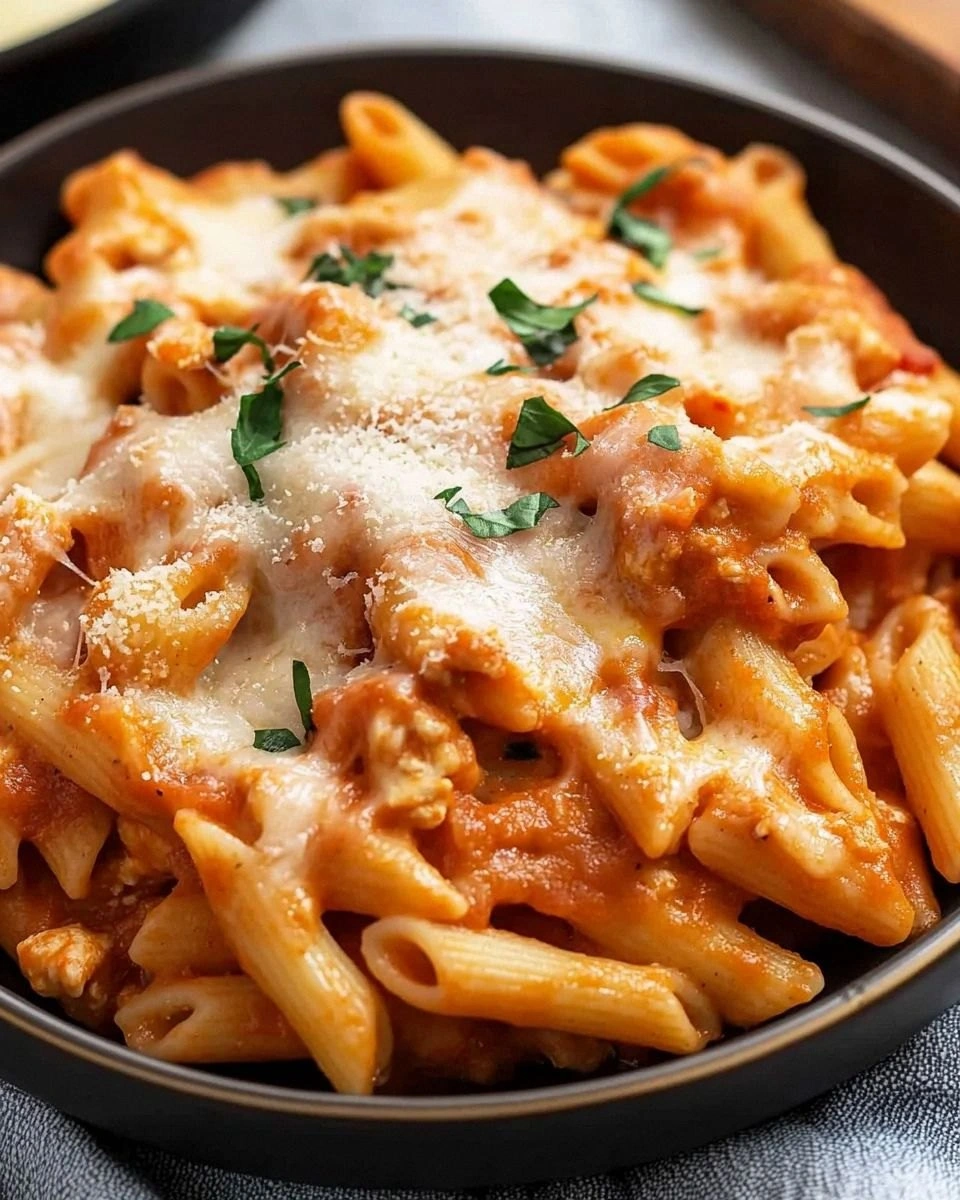
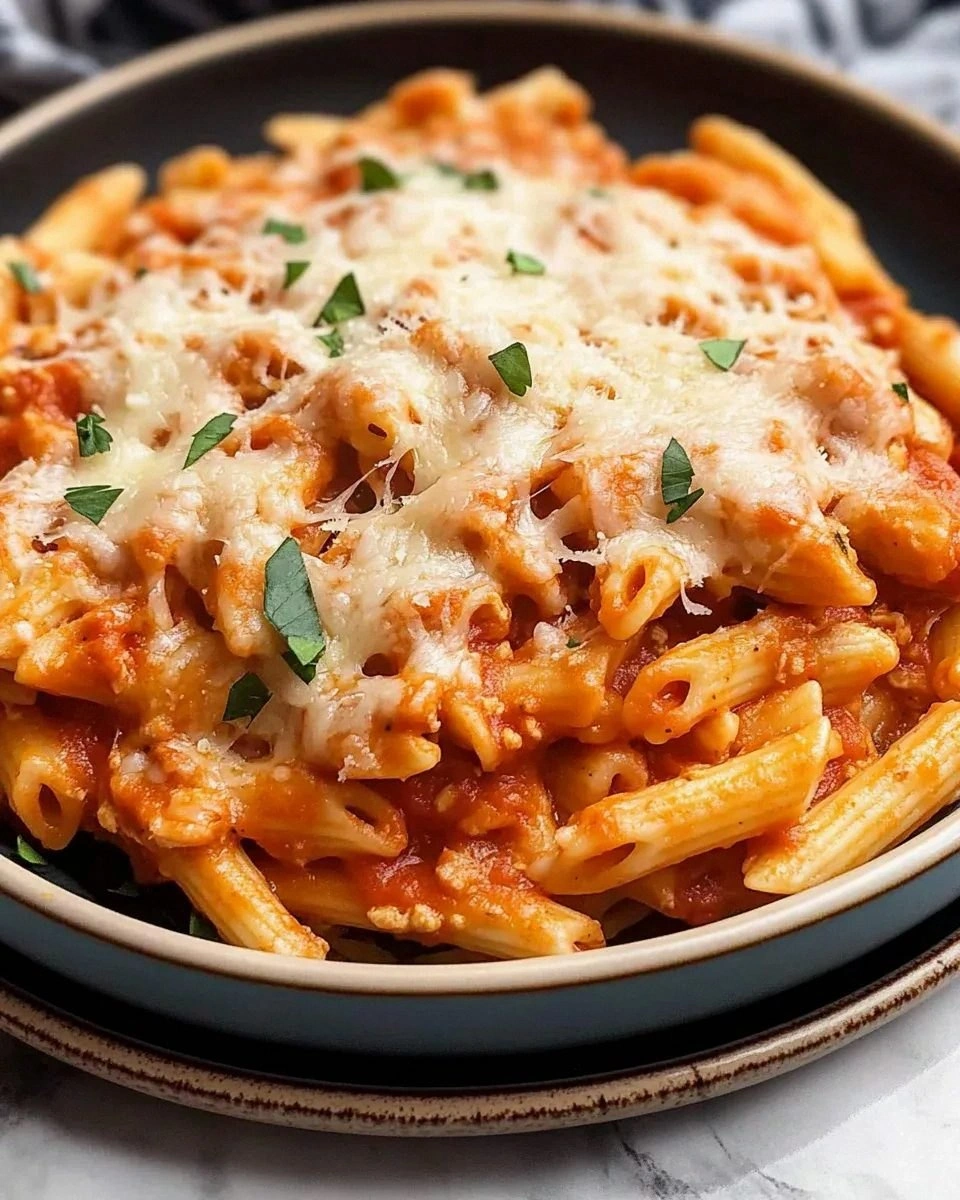
Picture this: a golden‑brown chicken cutlet, its crust crisp enough to echo the first bite of a fresh spring leaf, nestled in a bed of al dente penne that glistens with a marinara sauce so rich it could be mistaken for a velvet curtain. The aroma that fills the kitchen is a symphony of garlic, simmered tomatoes, and a whisper of basil that makes your nose do a little happy dance. When you take that first forkful, the mozzarella stretches like a warm, cheesy sunrise, and the Parmesan shreds itself into a salty confetti that lands perfectly on every strand of pasta. The texture contrast—crunchy chicken, tender pasta, silky sauce—creates a mouthfeel that feels like a hug from your favorite aunt who always knows exactly what you need.
Most recipes out there treat Chicken Parmesan as two separate entities: a fried chicken cutlet and a side of spaghetti. I’m here to tell you that’s a missed opportunity. This version marries the two, letting the pasta soak up every droplet of that buttery, cheesy goodness while the chicken stays gloriously crisp. The secret? A quick flash‑fry followed by a brief bake that locks in moisture without sacrificing that satisfying crunch. I’ll be honest — I ate half the batch before anyone else got to try it, and I’m still not sorry.
Now, I’m about to spill the beans on the one ingredient that most cooks overlook: a splash of heavy cream folded into the marinara at the very end. It turns the sauce from a simple tomato base into a luscious, restaurant‑quality glaze that clings to each noodle like a lover’s whisper. I dare you to taste this and not go back for seconds. Let me walk you through every single step — by the end, you’ll wonder how you ever made it any other way.
What Makes This Version Stand Out
- Flavor Explosion: The combination of a slow‑simmered marinara, a dash of cream, and freshly grated Parmesan creates layers that build with each bite, making the palate feel like it’s on a roller coaster of taste.
- Texture Symphony: Crispy chicken, al dente pasta, and a sauce that’s both silky and slightly chunky ensures every mouthful is an adventure.
- Simplicity Meets Sophistication: You only need a handful of pantry staples, yet the final dish feels like it was crafted by a Michelin‑starred chef.
- Unique Ingredient Twist: A splash of heavy cream at the end of the sauce‑making process is the game‑changer that most recipes skip.
- Crowd‑Pleaser Factor: Even the pickiest eaters (yes, the teenage ones) can’t resist the cheesy pull and the comforting tomato base.
- Ingredient Quality Matters: Using fresh basil and high‑quality Parmesan turns a good dish into an unforgettable one.
- Cooking Method Mastery: The two‑step cooking—pan‑sear then bake—locks in juices while preserving the crunch.
- Make‑Ahead Friendly: You can prep the chicken and sauce ahead of time, making weeknight dinners a breeze.
Inside the Ingredient List
The Flavor Base
Marinara sauce is the heart of this dish, providing acidity and depth. I use a canned San Marzano tomato blend because the natural sweetness reduces the need for added sugar. If you skip the sauce, you’ll end up with a dry, lifeless pasta that feels like a desert. For a brighter note, add a splash of red wine during the simmer; it lifts the flavors without making the sauce taste alcoholic.
The Texture Crew
Panko breadcrumbs give the chicken its signature crunch, while flour creates a thin protective veil that prevents the egg from soaking in too much. Skipping the egg wash will lead to a breadcrumb coat that flakes off, leaving you with soggy chicken. If you’re gluten‑free, swap the flour for almond flour and the panko for gluten‑free breadcrumbs, but expect a slightly nuttier profile.
The Unexpected Star
Heavy cream is the secret weapon that transforms a regular marinara into a velvety sauce. Adding just a quarter cup at the end gives the sauce a glossy finish and a richer mouthfeel. If you omit the cream, you’ll get a thin sauce that slides off the pasta, and the dish loses that luxurious coat that makes each bite feel indulgent.
The Final Flourish
Fresh basil and a generous handful of grated Parmesan are the finishing touches that elevate the dish from good to unforgettable. Basil adds a fragrant herbaceous pop that cuts through the richness, while Parmesan adds umami depth. If you’re out of fresh basil, a teaspoon of dried oregano works, but the fresh flavor will be missed.
Everything's prepped? Good. Let's get into the real action…
The Method — Step by Step
Start by bringing a large pot of salted water to a rolling boil. Add the penne pasta and cook until it’s al dente—usually about 9 minutes, but I always taste a minute early to make sure it has that firm bite. Drain, reserving a cup of pasta water, and set the pasta aside while you focus on the chicken. That sizzle when it hits the pan? Absolute perfection.
While the pasta cooks, set up a three‑station breading line: flour in one bowl, beaten eggs in the second, and a mix of panko, grated Parmesan, Italian herbs, garlic powder, salt, and pepper in the third. Pat the chicken breasts dry, then slice them into thin cutlets—about a half‑inch thick. Dredge each piece first in flour, shaking off excess, then dip into the egg, and finally press into the breadcrumb mixture, ensuring an even coat.
Heat a generous glug of olive oil in a large skillet over medium‑high heat. When the oil shimmers, lay the chicken cutlets in a single layer—do not overcrowd, or you’ll steam them instead of frying. Cook for 3‑4 minutes per side, until the crust turns a deep golden brown and the edges start pulling away from the pan. Watch Out: If the heat drops too low, the coating will absorb oil and become soggy.
- Kitchen Hack: After frying, transfer the chicken to a wire rack set over a baking sheet; this lets excess oil drip away, preserving the crunch.
While the chicken rests, lower the skillet heat to medium and add a splash of olive oil if the pan looks dry. Toss in minced garlic (about 2 cloves) and let it perfume the oil for 30 seconds—be careful not to burn it. Then pour in the marinara sauce, stirring to combine, and let it simmer gently for 5 minutes. This is the moment of truth: the sauce should thicken slightly and smell like a warm Italian kitchen.
Stir in the heavy cream and half of the shredded mozzarella, allowing the cheese to melt into the sauce, creating a glossy, luxurious texture. If the sauce looks too thick, add a splash of the reserved pasta water; this will loosen it just enough to coat the noodles without becoming watery. Taste and adjust seasoning with a pinch of salt and a grind of black pepper.
Preheat your oven to 375°F (190°C). In a large baking dish, spread a thin layer of the sauce on the bottom, then toss the cooked penne into the remaining sauce, ensuring every noodle is evenly coated. Lay the fried chicken cutlets on top of the pasta, arranging them in a single layer. Sprinkle the remaining mozzarella and a generous handful of grated Parmesan over everything.
Slide the dish into the oven and bake for 12‑15 minutes, or until the cheese on top is bubbling, lightly browned, and the chicken’s interior reaches 165°F (74°C). The edges of the cheese should start to pull away, forming those perfect, crispy golden spots that signal it’s ready.
Remove the dish from the oven and let it rest for 5 minutes; this short pause allows the sauce to settle and the cheese to firm up just enough for clean slicing. Garnish with freshly chopped basil and a drizzle of extra‑virgin olive oil for a glossy finish. Serve hot, and watch as the mozzarella stretches like a warm sunrise across the plate.
That's it — you did it. But hold on, I've got a few more tricks that'll take this to another level…
Insider Tricks for Flawless Results
The Temperature Rule Nobody Follows
Never fry chicken at a temperature lower than 350°F. If the oil is too cool, the coating soaks up oil, becoming greasy instead of crisp. I use a kitchen thermometer and keep the heat steady; this ensures the crust locks in juices while staying crunchy. A friend once tried to fry at “medium heat” and ended up with soggy chicken that fell apart when mixed with the sauce—let's just say it was a disaster.
Why Your Nose Knows Best
Your sense of smell is a reliable indicator of when the sauce is ready. When the garlic turns golden and the tomatoes release a sweet, earthy perfume, you know the base is perfect. If you rely solely on timers, you might miss that crucial aromatic cue and end up with a flat sauce. Trust the nose, and you’ll never have a bland dish again.
The 5‑Minute Rest That Changes Everything
After baking, let the casserole sit uncovered for five minutes. This short rest lets the cheese set, making it easier to slice, and allows the sauce to thicken slightly as it cools. Skipping this step results in a runny plate that looks messy and feels sloppy. I’ve seen many a kitchen disaster where the sauce pools at the bottom because the dish was served immediately.
Pasta Water Magic
Never underestimate the power of starchy pasta water. Adding a splash right before the final bake helps the sauce cling to each noodle, creating that luxurious coating that feels like a silk scarf. If you forget, the pasta will sit in a thin pool of sauce, and the texture will suffer. Keep that reserved cup handy—you’ll thank yourself later.
Cheese Layering Technique
Instead of dumping all the mozzarella at once, split it into two portions: half mixed into the sauce, half on top for the bake. This creates a creamy interior and a bubbly, golden crust. The dual‑layer method prevents the cheese from turning rubbery, a common complaint from home cooks. Trust me, the visual of that golden top is worth the extra step.
Creative Twists and Variations
This recipe is a playground. Here are some of my favorite ways to switch things up:
Spicy Arrabbiata Kick
Swap the mild marinara for a homemade arrabbiata sauce infused with red pepper flakes and a dash of cayenne. The heat cuts through the richness of the cheese, delivering a balanced fire that will impress anyone who loves a little spice.
Mushroom Medley
Add a cup of sautéed cremini and shiitake mushrooms to the sauce for an earthy depth. The mushrooms absorb the cream, becoming silky pockets of umami that elevate the dish to a more sophisticated level.
Pesto Fusion
Stir in a quarter cup of fresh basil pesto just before the final bake. The pesto introduces a bright, nutty flavor that pairs beautifully with the creamy tomato base, giving the dish a fresh, summery vibe.
Gluten‑Free Goodness
Replace the penne with gluten‑free rotini and use almond flour for the dredge. The texture remains satisfying, and the dish stays safe for those with gluten sensitivities without sacrificing flavor.
Vegan Version
Swap chicken for battered tofu, use dairy‑free mozzarella, and replace Parmesan with nutritional yeast. The sauce can be made with coconut cream instead of heavy cream, keeping the richness while staying entirely plant‑based.
Storing and Bringing It Back to Life
Fridge Storage
Allow the casserole to cool completely, then transfer it to an airtight container. It will keep for up to 4 days. When reheating, sprinkle a tablespoon of water over the top, cover with foil, and microwave for 2‑3 minutes, or reheat in a 350°F oven for 15 minutes. The added water creates steam that revives the sauce’s silkiness.
Freezer Friendly
Portion the cooked dish into freezer‑safe bags or containers, leaving a little headspace for expansion. It freezes beautifully for up to 3 months. Thaw overnight in the fridge, then follow the same reheating steps as for refrigerated leftovers. The cream may separate slightly, but a quick stir will bring it back together.
Best Reheating Method
For the ultimate texture, reheat in a preheated oven at 375°F (190°C) for 12‑15 minutes, covered with foil for the first half to prevent the cheese from over‑browning. Remove the foil for the last few minutes to restore that golden crust. Adding a splash of water or broth before covering ensures the pasta stays moist.