Love this? Pin it for later! 📌
There's a certain kind of magic that happens when the first real cold snap hits and you find yourself standing in front of an open pantry door, arms crossed, waiting for inspiration to strike. Last Tuesday, as the wind howled outside my kitchen window and my kids tramped in from school with red noses and tales of frozen playground equipment, I didn't need inspiration—I needed sustenance. Fast, warm, nourishing. The kind of meal that wraps around you like a favorite wool sweater.
That's how this pantry minestrone was born. Not from culinary ambition, but from the beautiful chaos of a Tuesday evening. A forgotten bag of parmesan rinds tucked behind the cereal boxes. The last knobby carrots languishing in the crisper. A half-box of ditalini that had been rattling around since October. What started as a clean-out-the-pantry moment became the soup my family has requested three times in the past month. It's the kind of recipe that feels like kitchen alchemy—simple ingredients you probably already have, transformed into something that tastes like it's been simmering on an Italian grandmother's stove all day.
The beauty of this minestrone lies in its flexibility. No parsnips? Use turnips. Out of cannellini beans? Great Northern work beautifully. That random bag of frozen green beans? Toss them in. It's forgiving, adaptable, and somehow always tastes exactly like comfort should.
Why This Recipe Works
- Pantry Perfect: Uses ingredients you probably already have on hand—no special grocery trip required.
- Winter Veggie Power: Packed with hearty root vegetables that stand up to long simmering.
- Double Duty: Tastes even better the next day, making it perfect for meal prep.
- Family Friendly: Mild enough for kids, but sophisticated enough for adults.
- One Pot Wonder: Minimal cleanup, maximum flavor development.
- Budget Champion: Feeds a crowd for under $10 worth of ingredients.
- Freeze Beautifully: Portion and freeze for up to 3 months.
Ingredients You'll Need
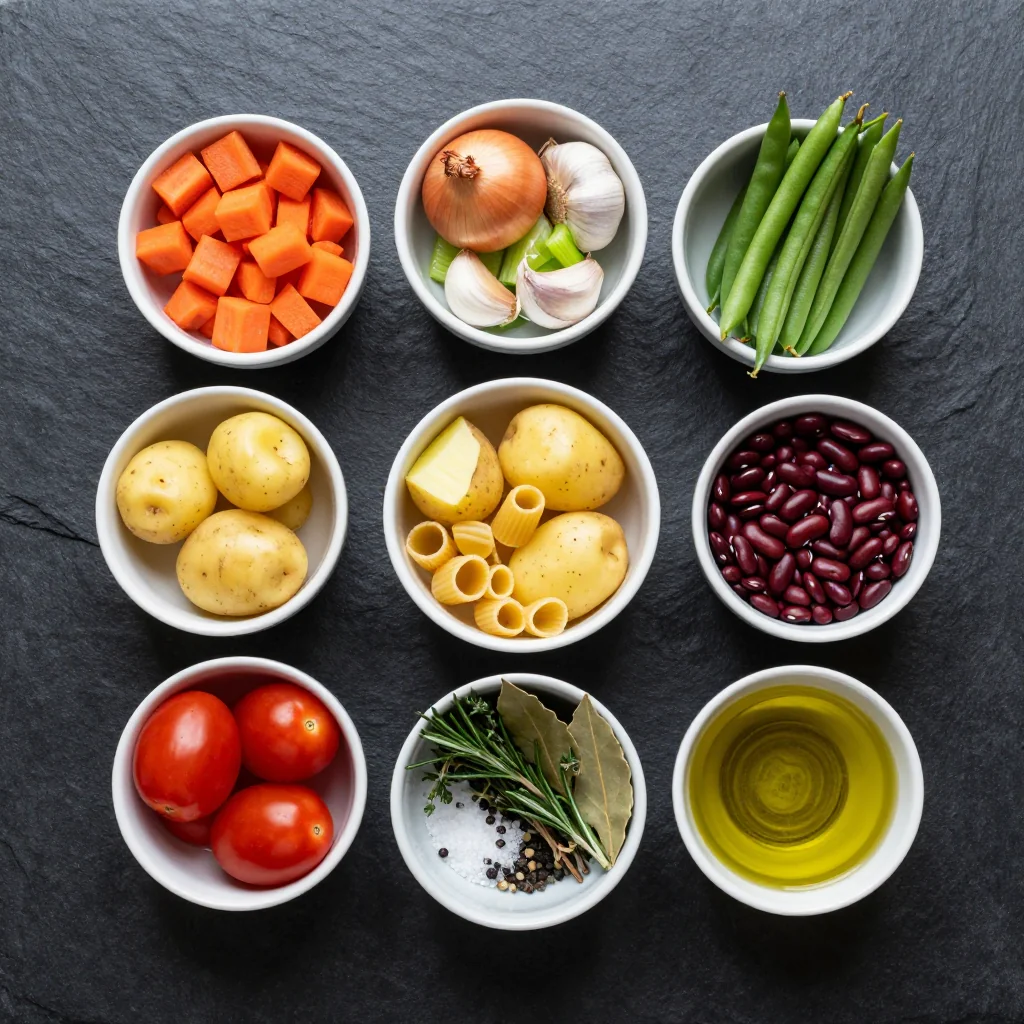
Let's talk about the building blocks of this soul-warming soup. Each ingredient plays a crucial role in creating layers of flavor that belie the simplicity of preparation.
Olive Oil: Don't skimp here. A generous glug of good quality extra virgin olive oil forms the foundation of flavor. I keep a bottle specifically for cooking—nothing fancy, just something with character. The oil carries the aromatics and creates that silky mouthfeel that makes you close your eyes with the first spoonful.
Onion, Celery, and Carrots: The holy trinity of soup bases. I like to dice them small—about ¼-inch pieces—so they cook quickly and distribute evenly throughout the soup. If your carrots have seen better days, peel them. Otherwise, a good scrub is all they need. The celery leaves? Chop those too—they're packed with flavor.
Garlic: Four cloves might seem excessive, but trust me. Mince it fine so it melts into the soup base. If you're feeling fancy, smash it with the flat of your knife first to release those aromatic oils.
Tomato Paste: Here's where we build umami. Let it cook until it turns a deep brick red—about 2 minutes. This caramelization transforms it from sharp to sweet, adding depth that makes people ask, "what's your secret?"
Root Vegetables: Parsnips bring a honeyed sweetness that balances the acid from the tomatoes. If parsnips aren't your thing, turnips or rutabaga work beautifully. Dice them about ½-inch so they hold their shape but cook through.
Beans: Canned is absolutely fine here. In fact, I prefer them because they hold their shape better than home-cooked ones that might turn to mush. Cannellini beans are traditional, but Great Northern or even chickpeas work in a pinch. Rinse them well to remove that canned taste.
Pasta: Small shapes are key—ditalini if you have them, but small shells or even broken spaghetti works. The pasta will continue to absorb liquid as it sits, so if you're making this ahead, consider cooking the pasta separately and adding it when serving.
Parmesan Rind: This is where the magic happens. That rock-hard piece you've been saving in the freezer? This is its moment to shine. It melts slowly, releasing salty, nutty flavor that makes the soup taste like it's been simmering for hours.
Winter Greens: Kale, escarole, or even spinach in a pinch. The sturdy greens hold up to the heat and add beautiful color. Remove tough stems and chop into bite-sized pieces.
How to Make Pantry Minestrone Soup Full of Winter Veggies
Build Your Flavor Foundation
Heat 3 tablespoons olive oil in a large heavy-bottomed pot or Dutch oven over medium heat. When the oil shimmers, add 1 large diced onion, 2 celery stalks (diced), and 2 medium carrots (diced). Season with 1 teaspoon salt and ½ teaspoon black pepper. Cook, stirring occasionally, until the vegetables are soft and the onion is translucent—about 8 minutes. Don't rush this step—this is where we're building the flavor base that will carry the entire soup.
Aromatics and Tomato Magic
Add 4 minced garlic cloves and cook for 1 minute until fragrant. Stir in 2 tablespoons tomato paste and cook, stirring constantly, until it turns a deep brick red—about 2 minutes. This caramelization transforms the tomato paste from sharp to sweet, adding incredible depth to your soup.
Add Your Roots
Stir in 2 parsnips (peeled and diced), 1 cup diced potatoes, and 1 teaspoon dried oregano. Cook for 3 minutes, letting the vegetables get cozy with the tomato mixture. The parsnips will add a subtle sweetness that balances the acid from the tomatoes.
The Liquid Gold
Pour in 6 cups vegetable broth and bring to a boil. Add 1 parmesan rind (this is your secret weapon), 1 bay leaf, and ½ teaspoon dried thyme. Reduce heat to low and simmer for 15 minutes. The parmesan rind will slowly melt, releasing incredible umami flavor.
Bean and Green Addition
Add 2 cans (15 oz each) cannellini beans (rinsed and drained) and 2 cups chopped winter greens (kale, escarole, or spinach). If using kale, remove the tough stems first. Simmer for 10 minutes until the greens are tender but still vibrant.
Pasta Time
Stir in 1 cup small pasta (ditalini or small shells) and cook according to package directions, usually 8-10 minutes. The pasta should be al dente—it will continue to cook in the hot soup.
Final Seasoning
Remove the bay leaf and parmesan rind (if it's still intact). Taste and adjust seasoning with salt and pepper. The soup should be thick and hearty. If it's too thick, add a splash more broth. If it's too thin, let it simmer for a few more minutes.
The Finishing Touch
Ladle into warm bowls and finish with a drizzle of good olive oil, freshly grated parmesan, and a sprinkle of fresh parsley if you have it. Serve with crusty bread for dipping and watch it disappear.
Expert Tips
Save Your Rinds
Never throw away parmesan rinds! Keep them in a freezer bag and add them to soups, stews, and sauces for incredible depth of flavor.
Make-Ahead Magic
Cook the pasta separately and add it when serving. This prevents it from absorbing all the broth and getting mushy in leftovers.
Oil is Everything
Don't skip the final drizzle of good olive oil. It adds a luxurious finish that elevates the entire bowl.
Freeze in Portions
Freeze in individual portions for quick weeknight meals. Thaw overnight in the fridge or reheat from frozen on the stove.
Season at the End
The parmesan rind adds saltiness, so taste before adding extra salt. Better to under-season and adjust at the end.
Vegetable Flexibility
This recipe is incredibly forgiving. Use what you have—turnips, rutabaga, even sweet potatoes work beautifully.
Variations to Try
Protein Power
Add 1 cup diced cooked chicken or turkey during the last 5 minutes of cooking. Perfect for using up holiday leftovers.
Vegetable Medley
Swap in frozen mixed vegetables for the root vegetables. Add them during the last 10 minutes so they stay tender-crisp.
Spicy Kick
Add ½ teaspoon red pepper flakes with the garlic for a gentle warmth that builds with each spoonful.
Grains Instead
Replace the pasta with ½ cup pearl barley or farro. These hearty grains add a delightful chew and nutty flavor.
Vegan Version
Omit the parmesan rind and add 2 tablespoons nutritional yeast for umami depth. Finish with a drizzle of good olive oil.
Creamy Dream
Stir in ½ cup heavy cream or coconut milk during the last 5 minutes for a luxurious, creamy version.
Storage Tips
Refrigerator Storage
Store cooled soup in an airtight container in the refrigerator for up to 4 days. The flavors will continue to meld and develop, making it even better the next day. If you've added pasta, you might need to thin it with a splash of broth when reheating.
Pro tip: Store the pasta separately if possible. Cook fresh pasta when serving leftovers for the best texture.
Freezer Instructions
This soup freezes beautifully for up to 3 months. Let it cool completely, then portion into freezer-safe containers or zip-top bags. Lay bags flat to freeze—they'll stack neatly and thaw quickly.
Important: If planning to freeze, don't add the pasta. Cook it fresh when serving. The pasta becomes mushy when frozen and reheated.
Reheating Instructions
Reheat on the stovetop over medium heat, stirring occasionally. Add broth or water as needed to achieve desired consistency. From frozen, thaw overnight in the refrigerator or reheat directly from frozen over low heat, stirring frequently.
Microwave tip: Heat individual portions for 2-3 minutes, stirring halfway through. Add a splash of broth if it seems too thick.
Frequently Asked Questions
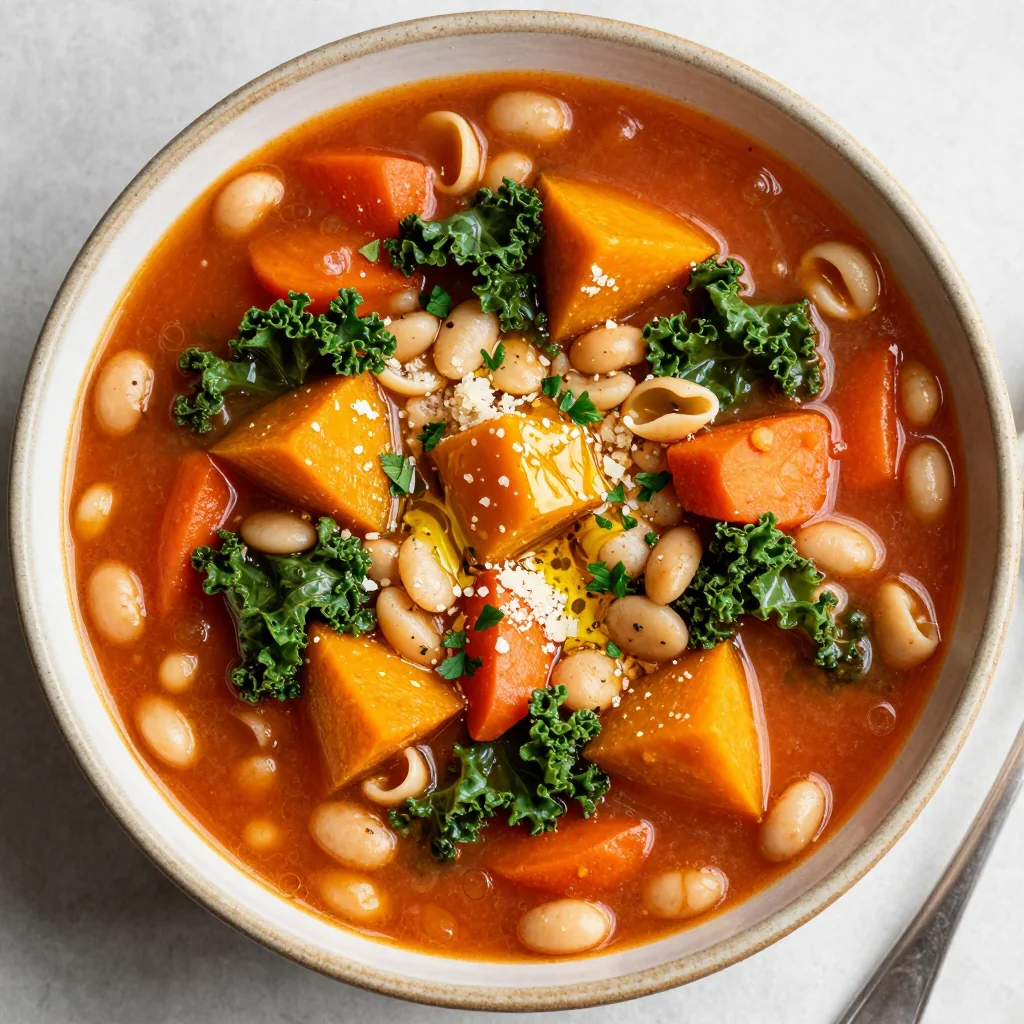
Pantry Minestrone Soup Full of Winter Veggies
Ingredients
Instructions
- Build the base: Heat olive oil in a large pot over medium heat. Add onion, celery, and carrots. Season with salt and pepper. Cook until soft, about 8 minutes.
- Add aromatics: Stir in garlic and cook 1 minute. Add tomato paste and cook until brick red, about 2 minutes.
- Add vegetables: Stir in parsnips, potatoes, and oregano. Cook 3 minutes.
- Add liquid: Pour in broth and bring to a boil. Add parmesan rind, bay leaf, and thyme. Simmer 15 minutes.
- Final additions: Add beans and greens. Simmer 10 minutes until greens are tender.
- Add pasta: Stir in pasta and cook according to package directions.
- Season and serve: Remove bay leaf and parmesan rind. Season to taste. Serve hot with grated parmesan.
Recipe Notes
For meal prep, cook pasta separately and add when serving. The soup thickens as it sits, so you may need to thin with broth when reheating. Parmesan rinds can be saved in the freezer for up to 6 months.