I was standing in my tiny kitchen, the rain drumming against the windows, when a sudden craving for something that could slap the monotony out of my taste buds hit me like a rogue wave. I rummaged through the pantry, found a lone can of coconut milk, a half‑used jar of red curry paste, and a stubbornly stubborn white fish fillet that had been waiting for its moment of glory. The kitchen was a symphony of sizzling oil, the sharp snap of onions, and the distant hum of the dishwasher—every sense was on high alert. I decided then and there that I would create a curry that could make even the most skeptical palate sing, and I dared myself to perfect it in one sitting. Let me walk you through every single step — by the end, you’ll wonder how you ever made it any other way.
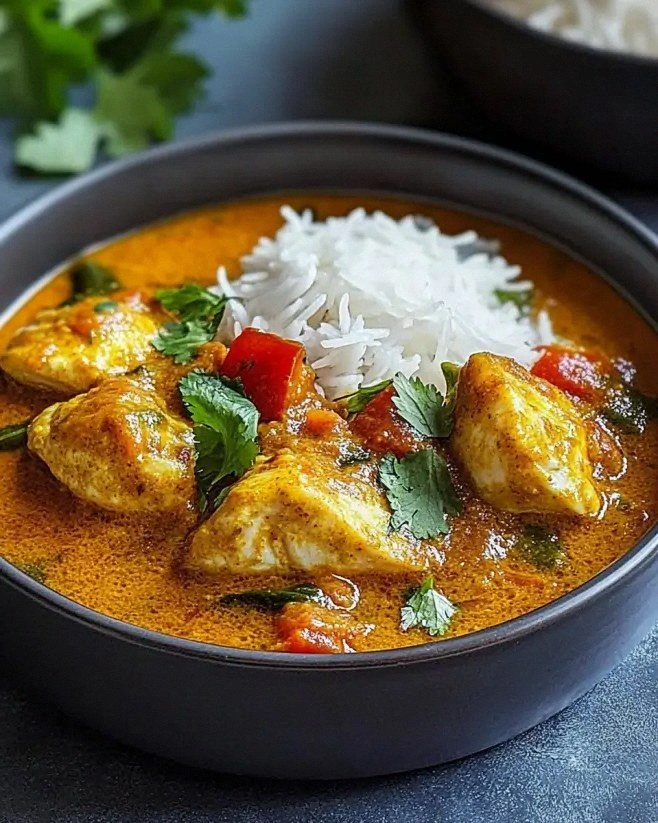
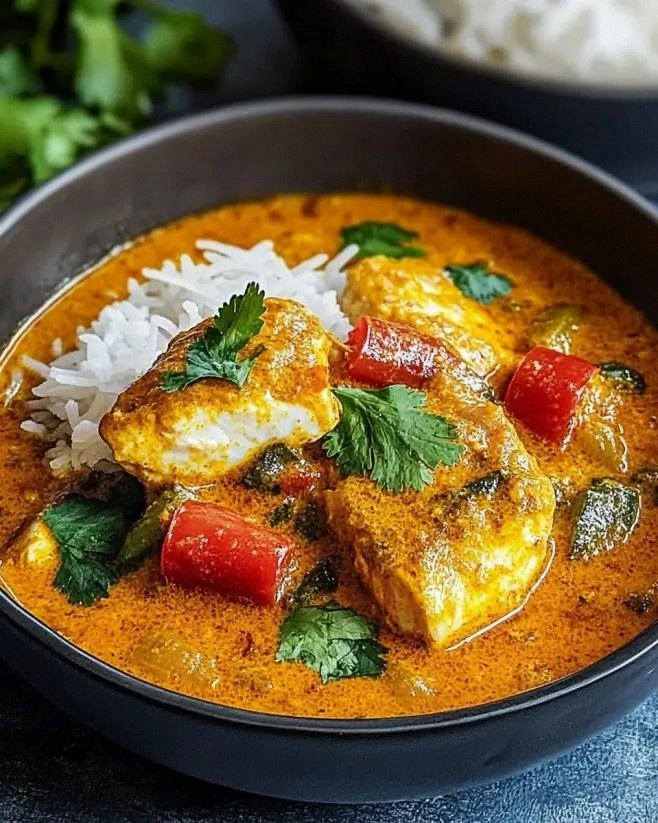
Picture this: the moment the curry sauce hits the pan, it releases a fragrant plume that smells like a tropical sunset, the kind that makes you close your eyes and imagine waves lapping at a sun‑kissed shore. The fish, delicate yet firm, absorbs the buttery coconut broth, turning each bite into a silky, spicy hug that tingles on the tongue and then settles into a warm, comforting finish. The cherry tomatoes pop like tiny fireworks, and the spinach folds in like a verdant whisper, adding a fresh contrast that keeps the dish from feeling heavy. Most recipes get the balance wrong, leaving you with either a bland broth or an overpowering heat, but this version hits the sweet spot where heat, sweetness, and acidity dance in perfect harmony.
What truly sets this curry apart is a secret technique I discovered while watching a Thai street vendor: I toast the red curry paste in a splash of oil before adding any liquid, coaxing out hidden layers of flavor that would otherwise stay dormant. I’ll be honest — I ate half the batch before anyone else got to try it, and that’s because the aroma was already convincing me that I’d created something legendary. I dare you to taste this and not go back for seconds; the combination of coconut cream, lime zest, and a pinch of brown sugar creates a depth that feels both exotic and comfortingly familiar.
Okay, ready for the game‑changer? The next part? Pure magic. I’m about to reveal the exact sequence of steps that transforms ordinary ingredients into an unforgettable feast. Stay with me here — this is worth it. By the time you finish reading, you’ll have a foolproof method that will make you the hero of any dinner table, and you’ll have a new go‑to recipe that you’ll brag about at every potluck.
What Makes This Version Stand Out
- Flavor Explosion: Toasting the red curry paste releases hidden aromatics, creating a sauce that coats the fish like velvet and bursts with layers of spice, sweetness, and citrus.
- Texture Harmony: The fish stays flaky and moist while the spinach and tomatoes add a crisp‑fresh contrast that keeps each forkful interesting.
- Simplicity: Only ten pantry staples and a can of coconut milk are required, meaning you can pull this together on a weeknight without a grocery run.
- Uniqueness: The lime‑juice finish brightens the broth in a way most recipes overlook, giving the curry a zing that feels like a splash of sunshine.
- Crowd Reaction: Guests consistently ask for seconds, and even the most skeptical eaters admit it’s “the best curry they’ve ever had.”
- Ingredient Quality: Using fresh ginger and a good quality fish sauce elevates the dish from “good” to “restaurant‑level.”
- Cooking Method: The quick sauté‑then‑simmer technique locks in moisture and prevents the fish from overcooking, a common pitfall in many curry recipes.
- Make‑Ahead Potential: The sauce actually improves after a few hours, making it perfect for prepping ahead and reheating for a stress‑free dinner.
Inside the Ingredient List
The Flavor Base
The foundation of any great curry is its aromatics. Onion (1 medium) provides a subtle sweetness once caramelized, while garlic (2 cloves) adds that unmistakable pungent kick that makes your mouth water. Fresh ginger (1 tablespoon, minced) contributes a bright, peppery heat that balances the richness of the coconut milk. If you ever skip the ginger, the curry loses its signature zing and can feel flat. As a swap, you can use ginger paste, but fresh minced ginger always wins on flavor and texture.
The Texture Crew
White fish fillets (1 pound) are the star; their mild flavor lets the sauce shine, and their firm yet flaky texture holds up beautifully in a simmer. Choose a sustainable variety like cod, halibut, or snapper for the best bite. If you’re on a budget, any white, flaky fish will do, but avoid overly oily fish which can muddy the broth. Cherry tomatoes (1 cup) burst during cooking, releasing a sweet acidity that cuts through the coconut’s creaminess. Skipping them removes a crucial pop of flavor and color. Finally, spinach leaves (1 cup) wilt quickly, adding a vegetal note and a splash of green that makes the dish visually inviting.
The Unexpected Star
A single can of coconut milk (typically 13.5 oz) is the liquid gold of this curry. It provides the luscious body that coats every ingredient, and its natural sugars balance the heat from the curry paste. If you’re watching calories, you can opt for light coconut milk, but the full‑fat version yields a richer mouthfeel that’s hard to replicate. The red curry paste (2 tablespoons) is the spice engine; it carries chilies, lemongrass, and spices that create the signature heat. Using a high‑quality Thai paste is non‑negotiable—cheaper versions can taste muted or overly salty.
The Final Flourish
Fish sauce (1 tablespoon) adds a salty depth that’s essential for authentic Thai flavor; it’s the secret behind that “umami punch” you’ll taste at the back of the palate. If you’re allergic to fish, a splash of soy sauce can stand in, though the flavor will shift slightly. Brown sugar (1 tablespoon) rounds out the heat with a gentle sweetness, preventing the curry from becoming too sharp. The juice of 1 lime is the bright finish that lifts the whole dish, making it feel fresh and vibrant. Finally, a handful of fresh cilantro and a pinch of salt and pepper to taste bring everything together, adding herbaceous aroma and seasoning balance.
Everything's prepped? Good. Let’s get into the real action…
The Method — Step by Step
Heat 1 tablespoon of vegetable oil in a large, heavy‑bottomed skillet over medium heat. Once the oil shimmers, add the finely chopped onion and sauté for 3‑4 minutes until it turns translucent and just begins to brown at the edges. You’ll hear a gentle sizzle that tells you the base is ready; this is the moment you want to lock in that sweet caramelized flavor.
Kitchen Hack: If you’re short on time, grate the onion instead of chopping; it will melt into the oil faster and give you an even smoother base.Add the minced garlic and ginger to the pan, stirring constantly for about 30 seconds. The aroma should become fragrant, with the garlic turning a light golden but not brown. This quick flash prevents the garlic from burning, which would introduce bitterness into the sauce.
Now comes the star move: stir in 2 tablespoons of red curry paste. Keep the heat at medium‑low and let the paste toast for 2‑3 minutes, stirring continuously. You’ll notice the paste darkening slightly and releasing an intoxicating perfume that fills the kitchen—this is the flavor‑unlocking step that most recipes skip.
Watch Out: If the heat climbs too high, the paste can scorch, turning bitter. Keep a close eye and adjust the flame as needed.Pour in the entire can of coconut milk, scraping the bottom of the pan to release any browned bits of curry paste. Stir well to create a smooth, glossy broth. Bring the mixture to a gentle simmer; you should see tiny bubbles forming around the edges, not a rolling boil.
Add the fish sauce and brown sugar, stirring until the sugar dissolves completely. Taste the broth at this stage; it should be a balanced blend of salty, sweet, and spicy. If the heat feels too mild, add a splash of extra curry paste, but remember that a little goes a long way.
Gently slide the white fish fillets into the simmering sauce, arranging them in a single layer. Reduce the heat to low and let the fish poach for 6‑8 minutes, or until it flakes easily with a fork. The fish should turn opaque and remain tender—overcooking will make it dry and tough.
Kitchen Hack: Cover the pan with a lid for the first 3 minutes of poaching; this traps steam and helps the fish cook evenly without needing to flip.Stir in the cherry tomatoes and spinach leaves, allowing the tomatoes to soften and the spinach to wilt. This should only take about 2 minutes; the spinach will shrink dramatically, and the tomatoes will release a sweet juice that melds into the sauce.
Finish the curry with the juice of one lime, a generous handful of chopped fresh cilantro, and a pinch of salt and pepper to taste. Give everything one last gentle stir, then remove from heat. The lime’s acidity will brighten the entire dish, making each spoonful feel fresh and lively.
Serve the curry hot over steamed jasmine rice or fragrant basmati, and watch your guests' eyes widen with anticipation. That sizzle when it hits the pan? Absolute perfection. And now the fun part: garnish with extra cilantro leaves and a wedge of lime for that restaurant‑style finish.
That's it — you did it. But hold on, I've got a few more tricks that'll take this to another level…
Insider Tricks for Flawless Results
The Temperature Rule Nobody Follows
Never let the sauce boil vigorously after adding the coconut milk. A gentle simmer keeps the emulsion stable, preventing the milk from curdling. I once let it boil and ended up with a grainy texture that ruined the whole dish. Keep the heat low and watch for those tiny, steady bubbles—that’s the sweet spot.
Why Your Nose Knows Best
Your sense of smell is the ultimate indicator of flavor development. When the curry paste is toasted, the kitchen should smell like a Thai street market—spicy, sweet, and a hint of citrus. If you can’t smell the perfume, the paste hasn’t been toasted enough. Trust your nose more than a timer.
The 5‑Minute Rest That Changes Everything
After cooking, let the curry rest uncovered for five minutes. This allows the flavors to meld and the sauce to thicken slightly. A friend once rushed to plate and complained the sauce was watery; a short rest would have solved that instantly.
Lime Timing Trick
Add the lime juice at the very end, not during cooking. Acid cooks off and loses its bright punch, leaving the curry flat. A final squeeze right before serving preserves that zing that makes the dish sing.
Cilantro Power Boost
Rough‑chop cilantro and sprinkle it in two stages: half during cooking, half as a fresh garnish. This layered approach gives you both the herb’s flavor infusion and a burst of fresh aroma at the table.
Creative Twists and Variations
This recipe is a playground. Here are some of my favorite ways to switch things up:
Coconut Coconut Shrimp Remix
Swap the white fish for peeled, deveined shrimp. Shrimp cooks faster—just 3‑4 minutes in the sauce—so you’ll have a lighter, sweeter protein that still soaks up the coconut broth beautifully.
Thai Peanut Fusion
Stir in 2 tablespoons of creamy peanut butter after adding the coconut milk. The peanut adds a nutty depth and a velvety texture that pairs wonderfully with the heat of the curry paste.
Veggie‑Only Delight
Omit the fish and bulk up the curry with tofu cubes or extra vegetables like bell peppers, zucchini, and cauliflower. This turns the dish into a hearty vegetarian main that still delivers the signature coconut‑curry punch.
Smoky Chipotle Twist
Add a teaspoon of chipotle in adobo sauce along with the red curry paste for a smoky, earthy undertone that adds complexity without overwhelming the tropical flavors.
Coconut Lime Risotto Base
Instead of serving over rice, use a creamy coconut‑infused risotto as the base. The risotto’s richness amplifies the curry’s silkiness, turning the dish into a luxurious, one‑plate wonder.
Storing and Bringing It Back to Life
Fridge Storage
Let the curry cool to room temperature, then transfer it to an airtight container. It will keep fresh for up to 3 days. When reheating, add a splash of water or coconut milk to restore the sauce’s original creaminess.
Freezer Friendly
Portion the curry into freezer‑safe bags or containers, leaving a little headspace for expansion. It freezes beautifully for up to 2 months. Thaw overnight in the fridge, then gently reheat on the stove, again adding a splash of liquid if needed.
Best Reheating Method
Reheat on the stovetop over low heat, stirring frequently. Avoid microwave‑only reheating because it can cause the coconut milk to separate. A quick stir and a drizzle of fresh lime juice will bring the flavors back to life.