I remember the night I almost turned a simple dinner into a kitchen catastrophe. I was craving something creamy, meaty, and comforting, yet the only thing I had on hand was a can of tomatoes, some chicken, and a handful of herbs. I tossed everything together, hoping the flavors would magically harmonize. Instead, the sauce turned out thick and clumpy, the chicken was dry, and the pasta was a sad, mushy mess. That night, I swore I’d never again let a recipe slip through the cracks.
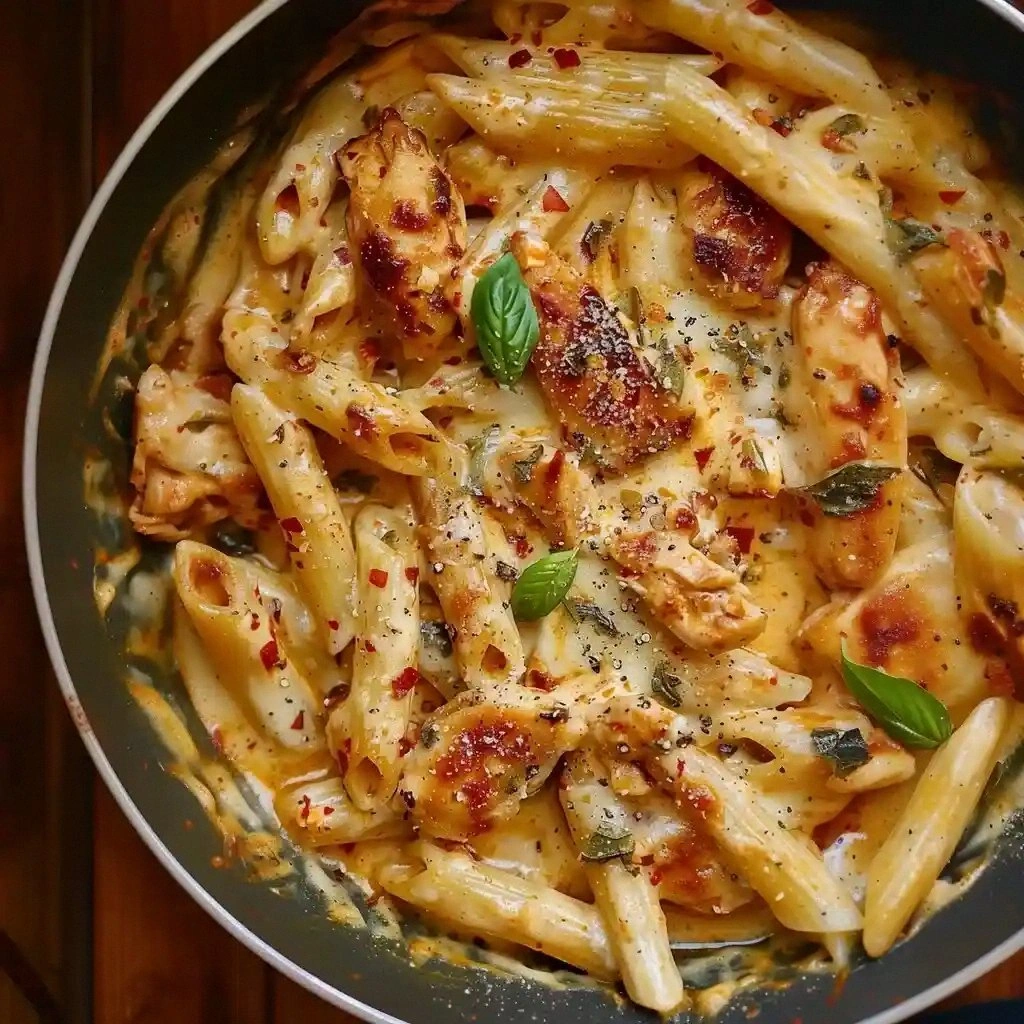
Fast forward to today, and I’ve cracked the code on the ultimate Chicken Mozzarella Pasta. Picture a sauce that coats each strand of penne like velvet, with a subtle kick of red pepper flakes and a burst of fresh basil that smells like a summer garden. Imagine the first bite: the tender chicken melts in your mouth, the mozzarella stretches into gooey ribbons, and the creamy tomato base sings with a buttery finish. It’s the kind of dish that turns a regular weekday into a mini celebration.
What makes this version stand out from every other recipe out there? It’s not just the ingredients; it’s the technique. I’ve refined the timing so the pasta is al dente while the chicken reaches that perfect medium‑rare finish. I’ve added a splash of heavy cream for richness, balanced by a touch of chicken broth to keep it from becoming too heavy. And the finish? A generous sprinkle of Parmesan that adds a salty, nutty note that ties everything together.
I dare you to taste this and not go back for seconds. If you’ve ever struggled with getting the sauce to cling to the pasta, you’re not alone. I’ve spent countless evenings tweaking ratios, but this is hands down the best version you’ll ever make at home. Picture yourself pulling this out of the oven, the whole kitchen smelling incredible, and watching your friends’ eyes light up as they dig in.
Let me walk you through every single step — by the end, you’ll wonder how you ever made it any other way. From the moment you season the chicken to the final flourish of parsley, every action is designed to elevate flavor, texture, and presentation. I’ll share the micro‑challenges that will test your culinary mettle, the bold claims that will convince you, and the confessions that make this recipe feel like a secret between us.
What Makes This Version Stand Out
- Flavor: The sauce is a harmonious blend of tomatoes, cream, and a whisper of red pepper flakes, creating depth without overpowering the chicken.
- Texture: The pasta remains al dente, while the chicken stays juicy; the mozzarella melts into silky ribbons that cling to every bite.
- Ingredient Quality: Fresh basil and parsley add brightness, and the Parmesan provides a savory finish that elevates the dish.
- Cooking Method: Searing the chicken first locks in moisture, and a quick sauté of garlic and red pepper flakes builds aromatic layers.
- Make‑Ahead Potential: The sauce can be prepared a day in advance, and the pasta can be cooked ahead and reheated with a splash of water.
- Crowd Reaction: This dish is a hit at potlucks because it’s both comforting and impressive, with a cheesy finish that satisfies.
- Ease of Assembly: Each step is straightforward, yet the result feels gourmet, making it perfect for busy weeknights.
- Versatility: Swap penne for rigatoni or add spinach for a green twist; the base sauce adapts effortlessly.
Alright, let's break down exactly what goes into this masterpiece…
Inside the Ingredient List
The Flavor Base
The foundation of this dish is the tomato sauce. It’s not just any canned tomatoes; choose a high‑quality, unsweetened variety for a rich, authentic taste. The tomatoes break down into a silky sauce that carries the cream and spices. If you skip this step and go straight to the cream, you’ll lose that essential tang that balances the richness.
The garlic and red pepper flakes are sautéed at the start to release their oils. Garlic brings depth and a subtle sweetness, while the pepper flakes add a gentle heat that lingers on the palate. If you’re a heat‑connoisseur, double the flakes; if you’re more cautious, reduce to a quarter teaspoon.
The heavy cream is the secret to that luscious, velvety texture. It thickens the sauce without making it greasy, and its neutral flavor lets the tomato and spices shine. A splash of chicken broth keeps the sauce from becoming too thick, ensuring it coats the pasta evenly.
The Parmesan cheese adds a savory, nutty finish that elevates the dish. It melts into the sauce, creating a subtle umami layer that complements the mozzarella. If you’re lactose‑intolerant, try a dairy‑free Parmesan alternative, but keep the amount the same to maintain flavor.
The Texture Crew
The chicken is the star of the show. Boneless, skinless breasts are ideal because they cook quickly and stay tender. Season them generously with salt and pepper before searing; the salt draws out moisture and forms a flavorful crust. If you prefer thighs, use bone‑in thighs for a richer, slightly gamey flavor.
The penne pasta is chosen for its tube shape, which traps the sauce and provides a hearty bite. Cook it al dente so it holds up when tossed with the sauce and cheese. If you’re a fan of a softer texture, cook it a minute longer, but be careful not to overcook.
The mozzarella is shredded for quick melting. Fresh mozzarella has a high moisture content, which means it will melt smoothly into the sauce. If you’re using pre‑shredded mozzarella, rinse it under cold water to remove excess salt, then pat dry before adding.
The fresh basil and parsley add brightness and color. Basil’s sweet, peppery flavor cuts through the richness, while parsley provides a clean, herbaceous finish. If you’re out of fresh herbs, dried versions can work, but use half the amount to avoid overpowering the dish.
The Unexpected Star
The red pepper flakes may seem like a small addition, but they’re the secret weapon that gives this sauce a subtle, lingering heat. They’re not just for spice; they also add a slight bitterness that balances the tomato sweetness. If you’re not a fan of heat, simply omit them; the dish will still be delicious.
The heavy cream might raise eyebrows for a “cheap” addition, but it’s essential for that silky mouthfeel. Cream also helps the cheese melt more evenly, preventing a greasy finish. If you’re watching calories, replace half the cream with Greek yogurt for a lighter version.
The Parmesan cheese, while small in quantity, packs a punch of umami. It’s a flavor enhancer that elevates the entire dish. A little goes a long way; sprinkle it at the end to avoid it clumping.
The Final Flourish
The final flourish is the garnish. Fresh basil leaves and a sprinkle of chopped parsley add a pop of color and a fresh aroma that makes the dish look as good as it tastes. Toss them in just before serving to preserve their bright green hue.
The salt and pepper to taste are crucial. While the recipe calls for seasoning the chicken, you’ll need to taste the sauce and adjust as necessary. A pinch of salt can bring out the sweetness of the tomatoes, while a touch of pepper adds depth.
Everything’s prepped? Good. Let’s get into the real action…
The Method — Step by Step
- Season and Sear the Chicken: Pat the chicken breasts dry and season both sides with salt and pepper. Heat 2 tablespoons of olive oil in a large skillet over medium‑high heat. Add the chicken and sear for 3–4 minutes per side until golden brown and cooked through. Remove and let rest for a few minutes before slicing into strips.
- Build the Aromatic Base: In the same skillet, reduce heat to medium and add 3 minced garlic cloves. Sauté until fragrant, about 30 seconds, then stir in ½ teaspoon of red pepper flakes. The garlic should become translucent, not brown, to avoid bitterness.
- Deglaze and Simmer: Pour in the can of tomatoes, crushing them with a spoon. Stir to lift any browned bits from the skillet. Bring the mixture to a gentle simmer, letting it reduce for 5 minutes to concentrate the flavors.
- Add Cream and Broth: Lower the heat and stir in 1 cup of heavy cream and 1 cup of chicken broth. The sauce should thicken slightly but remain pourable. Let it cook for another 3 minutes, stirring occasionally.
- Cook the Pasta: While the sauce simmers, bring a large pot of salted water to a boil. Add 8 ounces of penne and cook until al dente, about 9–10 minutes. Reserve ¼ cup of pasta water before draining.
- Combine Pasta and Sauce: Return the drained pasta to the skillet with the sauce. Toss to coat, adding a splash of reserved pasta water if the sauce seems too thick. The pasta should be glossy and coated evenly.
- Fold in the Chicken and Mozzarella: Add the sliced chicken back into the skillet. Sprinkle 1 cup of shredded mozzarella and ¼ cup of grated Parmesan over the top. Cover the skillet for 2 minutes, allowing the cheese to melt into a silky ribbon.
- Finish with Herbs: Stir in ¼ cup of fresh basil and 1 tablespoon of chopped parsley. Taste and adjust salt or pepper if needed. The dish should be fragrant, creamy, and slightly tangy.
- Serve Immediately: Plate the pasta, ensuring each bite has a generous amount of chicken and melted mozzarella. Garnish with a few whole basil leaves for a pop of color. Serve hot, and watch the steam rise like a fragrant cloud.
That's it — you did it. But hold on, I've got a few more tricks that'll take this to another level…
Insider Tricks for Flawless Results
The Temperature Rule Nobody Follows
Many cooks assume that high heat is always best for searing, but the secret lies in a steady medium‑high flame. A lower temperature allows the chicken to cook through without drying out, while still achieving that beautiful crust. I’ve found that keeping the skillet at 375°F (190°C) is ideal for this recipe. If your stove runs hot, lower the heat to avoid burning the garlic or the tomato base.
Why Your Nose Knows Best
Smell is a powerful cue for flavor development. When the garlic sizzles, the aroma should be sweet and nutty. If it turns bitter, you’ve over‑cooked it. Similarly, the tomato sauce should emit a bright, slightly acidic scent. Trust your nose to tell you when the sauce has reached the right balance.
The 5‑Minute Rest That Changes Everything
After slicing the chicken, let it rest for 5 minutes before cutting. This simple step ensures the juices redistribute, keeping the meat moist. I’ve seen dishes where the chicken is cut immediately, resulting in a dry bite. The rest period is a small price to pay for a juicy, tender outcome.
Cheese Matters: Use Fresh, Not Processed
Fresh mozzarella melts more evenly than processed cheese. The natural whey in fresh mozzarella creates a silky, cohesive melt that clings to the pasta. If you’re using pre‑shredded mozzarella, rinse it under cold water to reduce excess salt, which can make the sauce overly salty.
Pasta Water: Your Secret Weapon
Reserve a small amount of pasta cooking water; it contains starch that helps thicken the sauce and bind it to the noodles. When the sauce seems too thick, add a splash of this water, then stir until the sauce glistens. This trick is often overlooked but essential for a silky finish.
The Final Flourish: Fresh Herbs, Not Dried
Fresh basil and parsley bring brightness and a burst of color that dried herbs can’t match. They also release their essential oils only when added at the end, preserving their delicate flavors. I’ve tried substituting dried herbs, but the dish lost that fresh, garden‑like aroma.
Creative Twists and Variations
This recipe is a playground. Here are some of my favorite ways to switch things up:
Spicy Cajun Chicken
Swap the red pepper flakes for a Cajun spice blend. Add a dash of smoked paprika for depth. The result is a smoky, spicy sauce that pairs wonderfully with the creamy base.
Mediterranean Spinach Version
Stir in a cup of fresh spinach during the last 2 minutes of sauce cooking. The spinach wilts into the sauce, adding color and a subtle earthy flavor. Finish with a sprinkle of feta for a salty contrast.
Pesto Fusion
Replace half the tomato sauce with basil pesto. The pesto adds a nutty, herbaceous depth that complements the mozzarella. The sauce becomes thicker, so reduce the cream slightly.
Lemon‑Zest Kick
Add the zest of one lemon to the sauce for a bright, citrusy lift. The acidity cuts through the richness and adds a refreshing note. Pair with a side of roasted asparagus for a balanced plate.
Vegetarian Swap
Use grilled portobello mushrooms instead of chicken. The meaty texture of the mushrooms provides a satisfying bite. Keep the rest of the sauce unchanged for a hearty, plant‑based dish.
Gluten‑Free Pasta
Swap penne for a gluten‑free pasta of your choice. The sauce’s thickness will still cling to the noodles. Just make sure the gluten‑free pasta cooks to al dente to maintain texture.
Storing and Bringing It Back to Life
Fridge Storage
Store the dish in an airtight container for up to 3 days. Keep the sauce and pasta separate if you plan to reheat quickly; combine them right before serving. The sauce may thicken in the fridge, so add a splash of water or broth when reheating.
Freezer Friendly
Freezing works best if you separate the pasta and sauce. Freeze the sauce in a freezer‑safe container for up to 2 months. Reheat the sauce on low heat, stirring until warm, then toss with freshly cooked pasta.
Best Reheating Method
When reheating, add a small splash of water or broth to the sauce to restore its silky texture. Warm over low heat, stirring frequently, until the sauce is heated through. This gentle method prevents the sauce from drying out or separating.