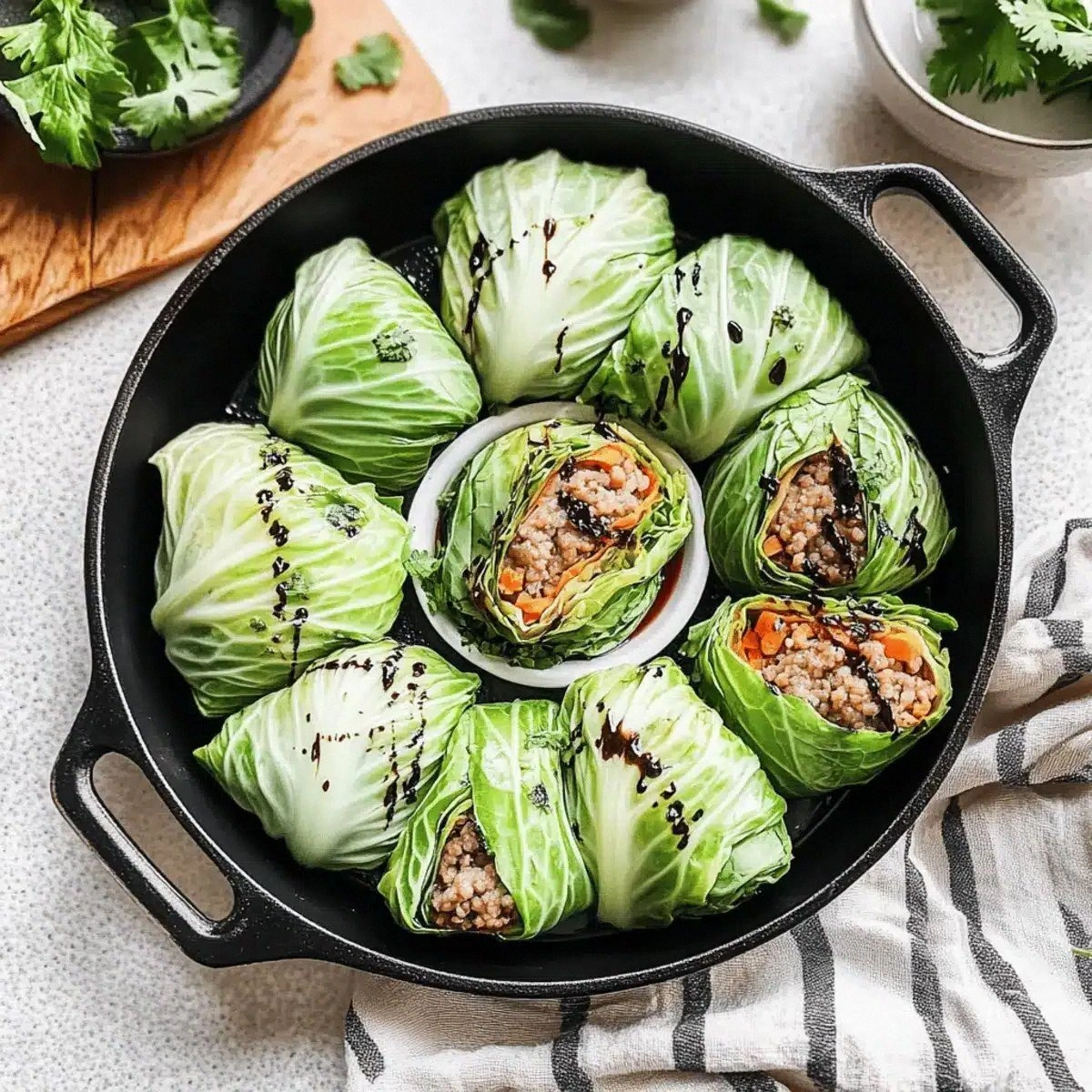
Picture this: I’m standing over a pot of boiling water, the kitchen humming with the low roar of the stove, and my friend just dared me to make something “low‑carb, no‑noodle, still‑satisfying.” I laughed, grabbed the nearest cabbage leaf, and threw together a mess that somehow turned into the most addictive bite I’ve ever tasted. The moment the first roll hit the plate, the aroma of sesame, ginger, and a whisper of lime hit my nostrils like a high‑five from a flavor‑packed fireworks show. I could hear the sizzle of the pork hitting the pan, feel the heat radiating from the skillet, and taste the subtle sweetness of sugar‑free maple syrup dancing with the salty depth of tamari. That first bite? It was a revelation—crispy cabbage that gave way to a juicy, umami‑rich filling that made my carb‑counting brain do a double‑take.
Most keto cabbage roll recipes either drown the filling in bland broth or overload you with soy sauce until you can’t taste the pork at all. I’ve been there, scrolling through endless versions that promise “keto‑friendly” but deliver a soggy, flavor‑less disappointment. Then I thought, why not crank the flavor up to eleven and keep it low‑carb? The secret? A daring blend of sesame oil, ginger, and a splash of lime that turns the whole thing into a taste explosion, while the cabbage stays firm enough to hold its shape without turning into a limp blanket. I’m not just talking about a decent dinner; I’m talking about a dish that makes you stare at the plate and whisper, “I dare you to taste this and not go back for seconds.”
What really sets this version apart is the balance of textures. The cabbage leaf is like a tender armor, the pork filling is moist and slightly crumbly, and the carrots add a sweet crunch that pops like fireworks in your mouth. The sesame‑ginger glaze coats the rolls like velvet, giving each bite a glossy finish that looks as good as it tastes. And because we’re staying keto, the carbs stay low, the protein stays high, and the fat stays buttery—perfect for anyone chasing that sweet spot between indulgence and discipline. I’ll be honest — I ate half the batch before anyone else got to try it, and that’s a confession that should come with a warning label: this is dangerously good.
Okay, ready for the game‑changer? I’m about to spill the beans (or rather, the pork) on the exact technique that keeps the cabbage from turning mushy, the secret ingredient that adds depth without sugar, and the timing that makes the glaze just sticky enough to cling. Let me walk you through every single step — by the end, you’ll wonder how you ever made it any other way.
What Makes This Version Stand Out
- Flavor Explosion: The sesame‑ginger glaze hits the palate with a bright, aromatic punch that makes each bite unforgettable.
- Texture Harmony: Crispy‑tender cabbage meets juicy pork and a subtle carrot crunch, creating a multi‑layered mouthfeel.
- Simplicity: Fewer than fifteen ingredients, all pantry‑friendly, and a straightforward two‑pan method that anyone can master.
- Unique Twist: Sugar‑free maple syrup adds a hint of caramel without the carbs, a trick most recipes overlook.
- Crowd‑Pleaser: Even non‑keto eaters rave, often asking for seconds and begging for the recipe.
- Ingredient Quality: Fresh ginger and lime juice bring a brightness that bottled substitutes simply can’t match.
- One‑Pot Efficiency: Cook the filling, blanch the cabbage, and bake—all in under an hour, perfect for busy weeknights.
- Make‑Ahead Magic: These rolls keep beautifully in the fridge and reheat like they were just made.
Inside the Ingredient List
The Flavor Base
Olive Oil (2 tablespoons): This is the silent workhorse that carries the garlic and ginger into the pan, ensuring they don’t scorch. Skipping it would leave your aromatics dry and bitter. If you’re watching calories, swap half with avocado oil for a higher smoke point.
Garlic (2 cloves): Garlic adds that familiar, comforting depth. Crush it just before using to release the most flavor; pre‑minced loses that punch. For a milder note, use roasted garlic, but expect a sweeter profile.
Ginger (1 tablespoon, freshly grated): Fresh ginger is the spark that lifts the whole dish. It adds a zing that balances the richness of pork. If you’re out of fresh, a high‑quality paste works, but the texture will change.
Shallot (1, finely diced): Shallots bring a subtle onion sweetness without overpowering. They caramelize quickly, adding a golden backdrop. You could use a small yellow onion, but the flavor will be more pungent.
The Texture Crew
Ground Pork (1 pound): Pork is the star protein, providing moisture and a buttery mouthfeel. Choose a mix of lean and a little fat (around 80/20) for the best texture. Going 100% lean makes the filling dry, and extra fat can make it greasy.
Carrot (1 cup, grated): Carrots add a natural sweetness and a satisfying crunch that contrasts the soft cabbage. They also sneak in a bit of color, making the rolls look vibrant. If you’re not a fan, swap with shredded zucchini, but expect less sweetness.
Green Onions (2 stalks, sliced): The green parts add a fresh, slightly sharp finish. They’re added at the end to keep their bright flavor. You can replace with chives for a milder note.
Cilantro (1/4 cup, chopped): Cilantro provides a citrusy brightness that lifts the dish. If you’re not a cilantro fan, fresh parsley works, though the flavor profile shifts.
The Unexpected Star
Fish Sauce (1 tablespoon): This umami bomb adds depth without the overt saltiness of regular soy sauce. It’s the secret that most keto rolls miss. If you’re allergic, substitute with a splash of liquid aminos.
Tamari (total 4 tablespoons): Tamari gives a richer, less salty soy flavor, perfect for keto. We split it—2 tbsp in the filling, 2 tbsp in the glaze—to layer the taste. Low‑sodium tamari works best to keep the dish balanced.
Sugar‑Free Maple Syrup (1 tablespoon): This brings a caramel note without the carbs, making the glaze glossy and slightly sweet. Regular maple syrup would blow the carb count. If you can’t find sugar‑free, a few drops of liquid stevia work, but watch the intensity.
Toasted Sesame Oil (1 tablespoon): The nutty aroma of toasted sesame oil is the finishing touch that makes the glaze sing. Use it sparingly; it’s potent. A drizzle of regular sesame oil earlier in the cooking can also work, but the toasted version adds depth.
Lime Juice (1 tablespoon): The acid cuts through the richness, brightening the whole dish. Freshly squeezed is a must—bottled juice loses that zing.
The Final Flourish
Cabbage Leaves (6 large leaves): These act as the edible vessels. Choose leaves that are pliable yet sturdy; the outer leaves are often too thick, while the inner ones can tear. If you can’t find large leaves, you can separate smaller ones and overlap them.
Everything's prepped? Good. Let's get into the real action...
The Method — Step by Step
Start by bringing a large pot of water to a rolling boil, then add a generous pinch of salt. Drop the cabbage leaves in, one at a time, and blanch for 45 seconds—just enough to soften them without losing their snap. You’ll hear a faint sizzle as the leaves hit the water; that’s the sound of future perfection. Remove the leaves with tongs and immediately plunge them into an ice bath to lock in that bright green color. Watch out: Over‑blanching turns them soggy, making rolling a nightmare.
While the cabbage rests, heat the olive oil in a large skillet over medium‑high heat. Add the minced garlic, grated ginger, and diced shallot, letting them dance for about 30 seconds until fragrant. That sizzle when it hits the pan? Absolute perfection. Stir constantly to avoid burning; the aromatics should turn a light golden, not dark brown. Once aromatic, push them to the side of the pan.
Increase the heat to medium and add the ground pork, breaking it up with a wooden spoon. Cook for 5‑7 minutes, letting the pork develop a caramelized crust on the bottom—this is the moment of truth for flavor. As the pork browns, it releases its own juices, creating a natural sauce. If the pan looks dry, splash a splash of water; you want a moist but not soggy mixture.
Stir in the grated carrot, fish sauce, 2 tablespoons of tamari, and the sliced green onions. The carrot should soften just enough to release a sweet scent while still retaining a bite. Cook for another 3 minutes, then turn off the heat and fold in the chopped cilantro. The cilantro should stay bright green—don’t over‑mix or it will wilt.
In a small bowl, whisk together the remaining 2 tablespoons of tamari, sugar‑free maple syrup, toasted sesame oil, and lime juice. This glaze is the secret weapon; it coats the filling like a glossy veil. Taste it—if you crave a little more zing, add a dash more lime.
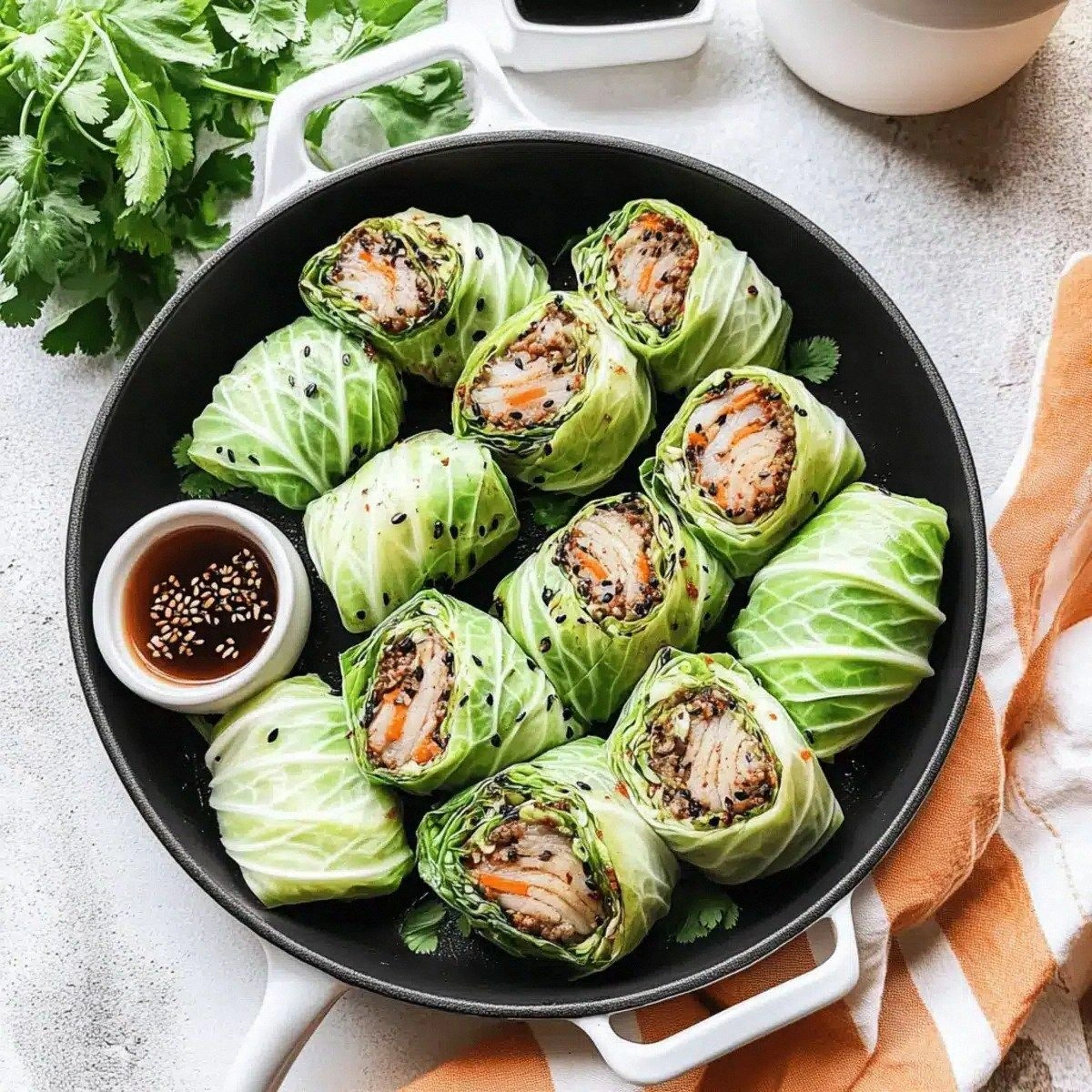
Kitchen Hack: Whisk the glaze with a fork instead of a whisk to avoid over‑aerating; you want a silky coating, not a frothy mess.Now, assemble the rolls. Lay a blanched cabbage leaf flat on a cutting board, place a generous spoonful of the pork mixture near the base, then roll tightly, tucking in the sides as you go. The roll should be snug but not bursting. Secure with a toothpick if needed; this keeps the roll intact during baking.
Preheat your oven to 375°F (190°C). Arrange the rolls seam‑side down in a baking dish, spacing them evenly. Drizzle the prepared glaze over each roll, letting it pool in the dish for extra caramelization. The glaze should glisten and start to bubble within the first few minutes—if it doesn’t, your oven might be cooler than indicated.
Place the dish in the oven and bake for 20‑25 minutes, until the cabbage edges start to turn golden and the glaze thickens into a sticky sheen. Halfway through, baste the rolls with the pan juices for an even coating. Watch Out: Opening the oven too often will cause the glaze to dry out, so resist the temptation to peek.
Remove the rolls from the oven and let them rest for 5 minutes before serving. This short rest lets the flavors meld and the cabbage to firm up just enough for a clean bite. Garnish with a sprinkle of extra cilantro and a squeeze of lime for that final pop. And now the fun part—dig in and watch everyone reach for seconds. I dare you to taste this and not go back for more.
Insider Tricks for Flawless Results
The Temperature Rule Nobody Follows
Never let the pan get too hot before adding the pork; a medium heat ensures the meat browns without scorching. I once cranked the heat to high, and the pork turned into a charcoal pancake—my friend still teases me about “the burnt pork disaster.” Keep the temperature steady, and you’ll get that perfect caramelized crust every time.
Why Your Nose Knows Best
When the garlic and ginger hit the pan, trust the scent. If you smell a sweet, nutty perfume, you’re on the right track. If it turns sharp or acrid, lower the heat immediately. Your nose is a built‑in timer that tells you when the aromatics have reached peak flavor.
The 5‑Minute Rest That Changes Everything
After baking, let the rolls sit for exactly five minutes. This short pause allows the glaze to set and the cabbage to firm up, preventing a soggy bite. Skipping this step is like serving a cake before it cools—still good, but not optimal.
Seal the Deal with a Final Glaze
Just before serving, drizzle a thin line of extra toasted sesame oil over the top. This adds a final layer of nutty aroma that makes the dish smell like a high‑end Asian bistro. A little goes a long way—don’t drown the rolls, just give them a whisper of extra richness.
Use a Sharp Knife for Clean Slices
When you finally slice the rolls, a sharp chef’s knife makes all the difference. A dull blade will crush the cabbage, ruining the presentation. I once used a serrated knife and ended up with ragged edges; the visual appeal suffered, even though the taste was still stellar.
Creative Twists and Variations
This recipe is a playground. Here are some of my favorite ways to switch things up:
Spicy Sriracha Kick
Add a teaspoon of sriracha to the glaze for a fiery undertone. The heat pairs beautifully with the sweet lime, creating a balanced heat‑sweet combo that will wow anyone who loves a little spice.
Asian Beef Swap
Replace ground pork with ground beef (80/20) and add a splash of oyster sauce. The beef’s richer flavor stands up well to the sesame‑ginger glaze, turning the dish into a heartier option perfect for meat‑lovers.
Low‑Carb Veggie Boost
Swap the carrot for finely shredded daikon radish. It adds a crisp texture with fewer carbs, and its subtle peppery note adds another layer of complexity.
Herbaceous Green
Mix in a handful of finely chopped Thai basil with the cilantro. The basil brings a sweet, anise‑like flavor that elevates the overall freshness.
Crunchy Nut Topping
Garnish each roll with toasted almond slivers just before serving. The nuts add a satisfying crunch and a buttery flavor that complements the sesame oil beautifully.
Storing and Bringing It Back to Life
Fridge Storage
Place the cooled rolls in an airtight container, layering a piece of parchment paper between each to prevent sticking. They keep fresh for up to three days. When ready to eat, reheat gently in a skillet with a splash of water to steam them back to life.
Freezer Friendly
Wrap each roll tightly in plastic wrap, then place them in a freezer‑safe bag. They freeze beautifully for up to two months. To reheat, thaw overnight in the fridge, then bake at 350°F for 10‑12 minutes, adding a tiny splash of water to the dish to revive the glaze.
Best Reheating Method
The secret to perfect reheating is low‑and‑slow steam. Place the rolls on a microwave‑safe plate, cover with a damp paper towel, and microwave on 50% power for 1‑2 minutes. The steam revives the cabbage’s snap and keeps the filling juicy.