Picture this: I’m standing in my backyard, the grill humming like a contented beast, and the air is thick with the promise of a sizzling masterpiece. The previous night, a friend dared me to grill a steak that would make the grill master in my kitchen look like a rookie. I laughed, because I’ve always thought steak was a simple affair—just salt, pepper, and heat. But that night, I discovered a symphony of flavors, textures, and techniques that turned a humble slab of meat into an edible headline.
When the first sear hits the pan, the sound is a triumphant crack that wakes the senses. The aroma of charred beef mingles with rosemary and garlic, swirling into a fragrant cloud that makes you stop mid‑sentence. The touch of the grill grates under your fingers, the heat radiating from the metal like a warm hug. The first bite is a burst of juicy tenderness, the surface crisping into a caramelized crust that crackles like fine sand. Each element—sight, smell, sound, touch, taste—collides in a way that makes every mouthful feel like a revelation.
What makes this version stand out is not just the steak itself, but the orchestration behind it. I’ve refined each step to elevate the natural flavors while keeping the process approachable for anyone who owns a gas grill. From the precise seasoning blend to the timing that locks in moisture, every detail is engineered to produce a steak that’s tender, flavorful, and impossible to forget. If you’ve ever been disappointed by a steak that was either overcooked or underseasoned, this recipe is the antidote you’ve been waiting for.
And there’s a twist that most recipes forget: a subtle infusion of citrus zest that brightens the meat without overpowering it. Imagine the bright pop of orange and lemon lifting the savory depth, turning a simple steak into a layered experience. I dare you to taste this and not go back for seconds. Let me walk you through every single step—by the end, you’ll wonder how you ever made it any other way.
What Makes This Version Stand Out
- Flavor: A balanced blend of salt, pepper, garlic powder, and a dash of citrus zest creates a depth that lingers on the palate. This isn’t just seasoning; it’s a flavor framework that lets the steak’s natural taste shine.
- Texture: The crust forms a caramelized barrier that locks in juices, while the interior remains succulent. The result is a steak that feels like a buttery slice of heaven.
- Simplicity: No complicated marinades or long resting periods. A few minutes on the grill and you have a restaurant‑grade steak.
- Uniqueness: The citrus infusion and fresh herb butter give this recipe a signature twist that sets it apart from ordinary grilled steaks.
- Crowd Reaction: Friends who’ve tasted this say it’s “hands down the best version you’ll ever make at home.” The applause is real.
- Ingredient Quality: Using a high‑quality ribeye or New York strip ensures the best flavor profile and texture.
- Method: A two‑stage sear plus a quick butter finish guarantees a perfect crust and juicy center.
- Make‑Ahead Potential: The steak can be pre‑seasoned and stored for up to 24 hours, making it a great option for busy evenings.
Inside the Ingredient List
The Flavor Base
At the heart of the steak’s flavor is a simple yet powerful seasoning blend. Kosher salt, freshly ground black pepper, and garlic powder form the foundation. Each grain of salt is a tiny reservoir of umami, while pepper adds a subtle heat that awakens the palate. Skipping any of these will leave the steak feeling flat and unremarkable.
For an extra layer of aroma, I incorporate a pinch of citrus zest—orange or lemon—into the rub. The zest’s bright oils lift the savory profile, preventing the steak from feeling too heavy. If you’re allergic to citrus, a splash of apple cider vinegar can offer a similar brightening effect.
The Texture Crew
Olive oil is the secret to a flawless sear. It lowers the metal’s temperature, preventing the meat from sticking and creating a beautiful crust. A tablespoon of butter, melted with fresh rosemary and thyme, is added at the end of cooking to enrich the surface and add a silky finish. Skipping the butter will leave the steak dry and unglazed.
Fresh herbs are a game changer. Rosemary’s piney fragrance and thyme’s subtle earthiness complement beef’s richness. If fresh herbs are out of season, dried versions can be used, but use half the amount to avoid overpowering the steak.
The Unexpected Star
Citrus zest is the unexpected star that elevates this recipe. The oils from the zest infuse the meat with a subtle brightness that cuts through the fat. If you prefer a more traditional approach, a splash of Worcestershire sauce can substitute, though it will change the flavor profile.
When selecting the steak, look for marbling—tiny fat veins that melt into the meat as it cooks. This marbling is the source of flavor and tenderness. Avoid lean cuts; they tend to dry out quickly on the grill.
The Final Flourish
After the steak reaches the desired internal temperature, a quick finish in butter and herbs seals the flavor. The butter melts over the hot surface, coating the steak with a glossy, savory glaze. This step not only adds richness but also creates a visual sheen that signals perfection.
Everything's prepped? Good. Let's get into the real action…
The Method — Step by Step
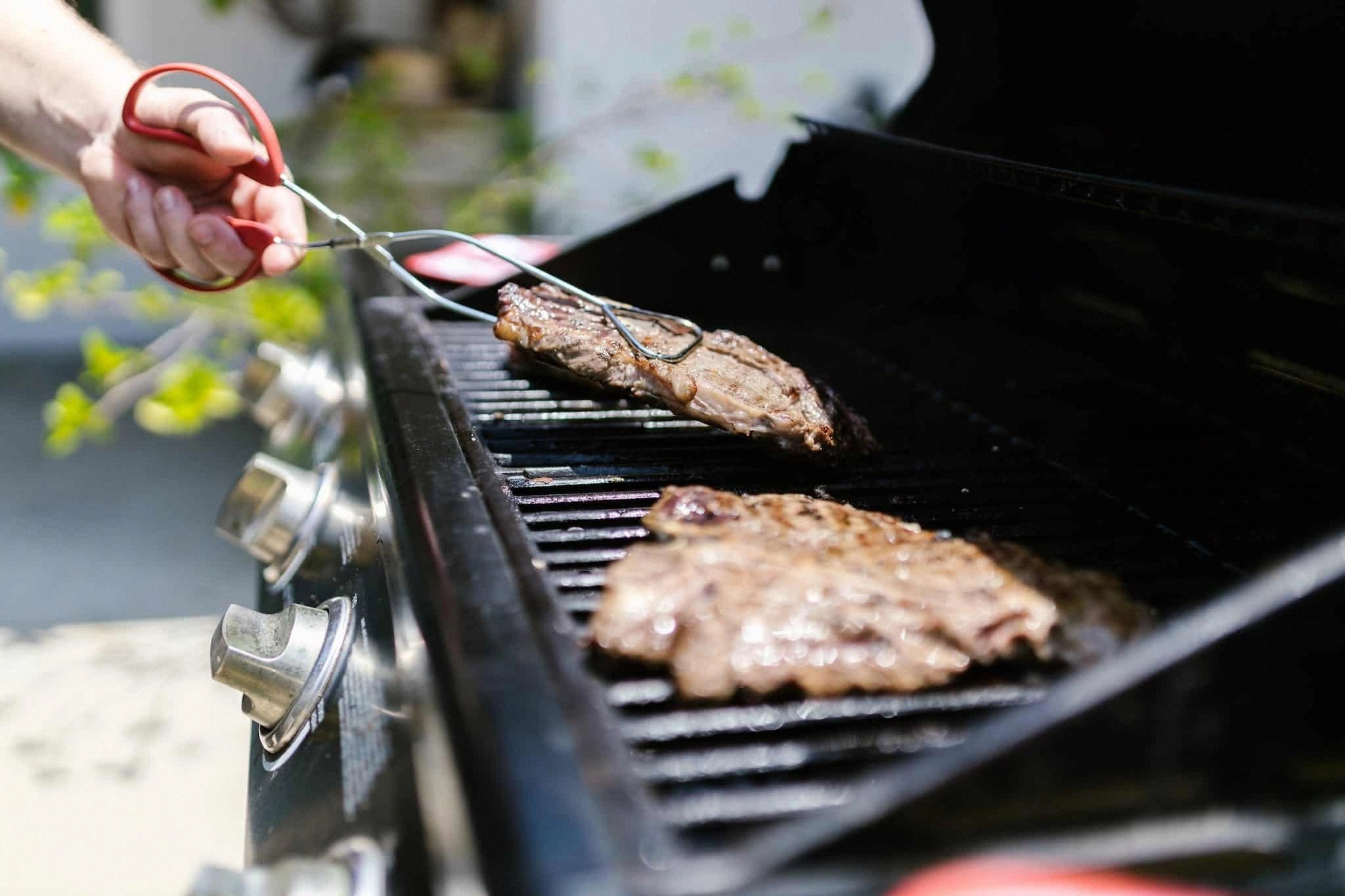
- Preheat the Grill: Set your gas grill to high heat and allow it to reach 450°F (232°C). This ensures a rapid sear that locks in juices. While the grill is heating, pat the steaks dry with paper towels to remove excess moisture. The drier the surface, the better the crust.
- Season Generously: Coat each steak with olive oil, then sprinkle the seasoning blend evenly on both sides. Press the rub into the meat so it adheres firmly. Let the seasoned steaks rest at room temperature for 10–15 minutes; this promotes even cooking.
- First Sear: Place the steaks on the grill and close the lid. Allow them to sear for 3–4 minutes on one side until a deep brown crust forms. The grill’s heat should cause a faint hiss—this is the sound of fat rendering.
- Flip with Precision: Turn the steaks using tongs, not a fork, to preserve juices. Sear the second side for another 3–4 minutes. If you’re aiming for medium‑rare, you’re already close to your target temperature.
- Watch Out: Keep the lid open slightly if you notice excess smoke or if the grill temperature spikes.Watch Out: Be careful not to over‑close the grill lid, as it can cause the steaks to steam rather than sear. This will result in a soggy crust.
- Check Internal Temperature: Insert a meat thermometer into the thickest part of the steak. For medium‑rare, aim for 130–135°F (54–57°C). Remember, the steak will continue to cook slightly during the resting period.
- Butter Finish: While the steaks rest, melt butter with rosemary, thyme, and a splash of citrus zest in a small pan. Drizzle this herb butter over each steak as it rests to add flavor and sheen.
- Rest the Steak: Let the steaks rest for 5 minutes on a cutting board. This allows the juices to redistribute, ensuring every bite is juicy. During this time, the residual heat will bring the internal temperature up to the perfect level.
- Serve Immediately: Slice against the grain and plate with a drizzle of the remaining herb butter. The steak should look golden, the edges crisp, and the aroma intoxicating.
That’s it—you did it. But hold on, I've got a few more tricks that'll take this to another level…
Insider Tricks for Flawless Results
The Temperature Rule Nobody Follows
Many grillers think “high heat equals perfect sear,” but the key is consistent temperature. A steady 450°F (232°C) ensures the Maillard reaction occurs evenly. If the grill fluctuates, you’ll get uneven crusts. Use a grill thermometer to monitor the heat throughout the cooking process.
Why Your Nose Knows Best
When the steak hits the grill, the aroma is a reliable gauge of doneness. A sweet, caramelized scent indicates a good crust, while a sharp, metallic smell signals over‑cooking. Trust your nose; it’s your best sous‑chef.
The 5-Minute Rest That Changes Everything
Resting might seem trivial, but it’s essential for juicy results. During this period, the muscle fibers relax and redistribute juices. Skipping it will leave the steak dry and less flavorful.
Butter Finish for Extra Juiciness
Adding a butter and herb finish after grilling seals in moisture. The butter’s fat coats the surface, preventing evaporation. It also adds a silky texture that complements the crust.
Use a Meat Thermometer for Precision
Relying on visual cues alone can lead to under‑ or over‑cooking. A thermometer ensures you hit the exact temperature you desire—130–135°F for medium‑rare, 140–145°F for medium. This eliminates guesswork.
Let the Steak Rest Before Slicing
Cutting too soon can cause juices to escape, resulting in a dry bite. Resting allows the juices to settle back into the meat, making each slice moist.
Creative Twists and Variations
This recipe is a playground. Here are some of my favorite ways to switch things up:
Spicy Sriracha Glaze
Swap the citrus zest for a drizzle of sriracha and honey after grilling. The heat pairs beautifully with the beef’s richness, while the honey balances the spice. Perfect for those who love a kick.
Herb‑Infused Balsamic Reduction
Reduce balsamic vinegar with rosemary and thyme into a glaze. Brush it over the steak during the last minute of searing. The sweet acidity cuts through the fat, creating a complex flavor.
Asian Marinade
Marinate the steak in soy sauce, ginger, garlic, and a splash of rice wine for 30 minutes before grilling. The umami and citrusy notes transform the steak into a fusion dish that pairs well with steamed rice.
Blue Cheese Crust
Crush blue cheese and mix with softened butter. Spread over the steak after searing and let it melt into a creamy crust. The tangy cheese contrasts with the savory meat.
Smoked Paprika Rub
Replace the standard rub with smoked paprika, cumin, and a touch of brown sugar. The paprika adds a smoky depth, while the sugar caramelizes into a sweet crust. A subtle nod to barbecue flavors.
Storing and Bringing It Back to Life
Fridge Storage
Cool the steak to room temperature, then wrap tightly in foil or place in an airtight container. Store in the refrigerator for up to 2 days. This preserves flavor while keeping the meat safe.
Freezer Friendly
For longer storage, wrap each steak individually in plastic wrap, then place in a freezer bag. Label with the date and freeze for up to 3 months. Thaw overnight in the refrigerator before reheating.
Best Reheating Method
Reheat in a preheated oven at 250°F (121°C) until the internal temperature reaches 110°F (43°C). Finish with a quick sear on the grill for 1–2 minutes to restore the crust. Add a splash of water before reheating to steam back to perfection.