
Thai Yellow Curry
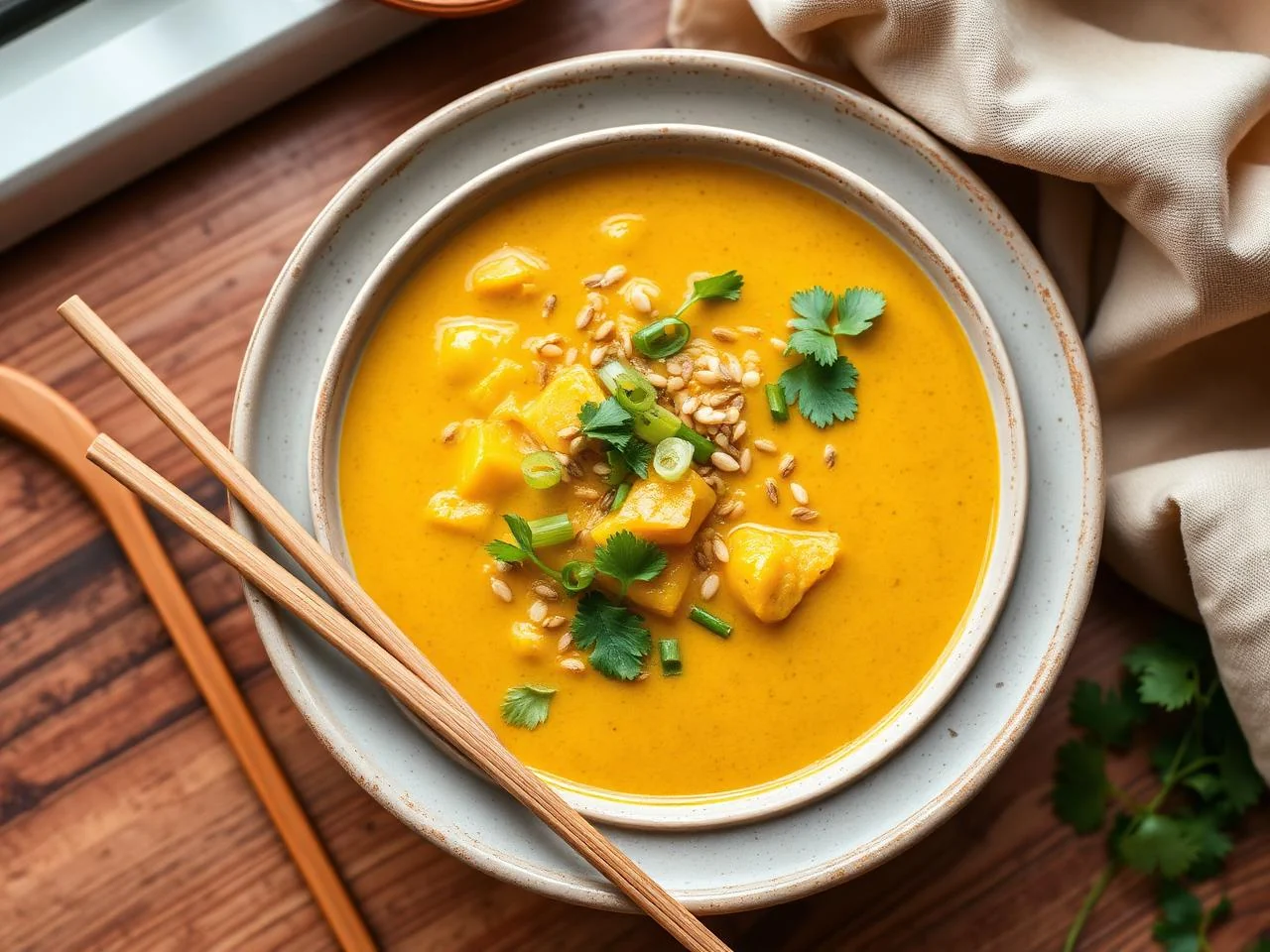
I still remember the first time I had Thai Yellow Curry - it was at a small restaurant in Bangkok, and the flavors just exploded in my mouth. The combination of tender chicken, rich coconut milk, and a blend of aromatic spices was like nothing I had ever tasted before. Since then, I've been hooked on this dish and have spent years perfecting my own recipe. Today, I'm excited to share it with you, so you can enjoy the authentic flavors of Thailand in the comfort of your own home.
One of the things that sets Thai Yellow Curry apart from other curries is the use of a specific type of curry paste, which gives the dish its distinctive yellow color and flavor. This paste is made from a blend of spices, including turmeric, cumin, coriander, and cinnamon, which are all commonly used in Thai cooking. By using this curry paste as the base of our sauce, we can create a rich and complex flavor profile that's both aromatic and slightly spicy.
In this recipe, we'll be using chicken as our protein of choice, but you can easily substitute it with shrimp, beef, or pork if you prefer. We'll also be adding some vegetables, such as bell peppers and bamboo shoots, to add texture and flavor to the dish. And of course, no Thai Yellow Curry would be complete without a sprinkle of fresh cilantro and a side of steamed rice.
So, let's get started and make this delicious Thai Yellow Curry together! With its creamy sauce, tender chicken, and blend of aromatic spices, this dish is sure to become a favorite in your household. Whether you're a seasoned cook or just starting out, this recipe is easy to follow and requires minimal special equipment.
As we cook, I'll be sharing some tips and tricks that I've learned along the way, from how to choose the right type of coconut milk to how to adjust the level of spiciness to your taste. And don't worry if you're new to Thai cooking - this recipe is designed to be approachable and easy to follow, with step-by-step instructions and clear explanations of each technique.
Why You’ll Love This Recipe
- This recipe is easy to make and requires minimal special equipment.
- The curry paste used in this recipe gives the dish a distinctive yellow color and flavor.
- You can customize the recipe to your taste by adding your favorite protein or vegetables.
- The dish is perfect for a weeknight dinner or a special occasion.
- The recipe makes a large batch of curry, which can be refrigerated or frozen for later use.
- The flavors in this dish are both authentic and delicious, making it a great introduction to Thai cuisine.
Why This Recipe Works
So, what makes this Thai Yellow Curry recipe so special? For starters, it's all about the balance of flavors. We're using a combination of coconut milk, fish sauce, and lime juice to create a rich and creamy sauce that's both tangy and slightly sweet. And by adding a blend of aromatic spices, including turmeric, cumin, and coriander, we're able to create a deep and complex flavor profile that's both authentic and delicious.
Another key element of this recipe is the use of a hot wok or skillet. By cooking the chicken and vegetables quickly over high heat, we're able to create a nice sear on the outside while keeping the inside tender and juicy. And by adding the sauce towards the end of cooking, we're able to create a rich and creamy texture that coats the chicken and vegetables perfectly.
Finally, it's all about the resting time. By letting the curry sit for a few minutes before serving, we're allowing the flavors to meld together and the sauce to thicken slightly. This makes all the difference in the world, as it allows the flavors to deepen and become even more complex and nuanced.
Overall, this Thai Yellow Curry recipe is a winner because it's all about balance and harmony. By combining the right ingredients in the right proportions and cooking them using the right techniques, we're able to create a dish that's both authentic and delicious. And with its creamy sauce, tender chicken, and blend of aromatic spices, this curry is sure to become a favorite in your household.
Ingredients You’ll Need
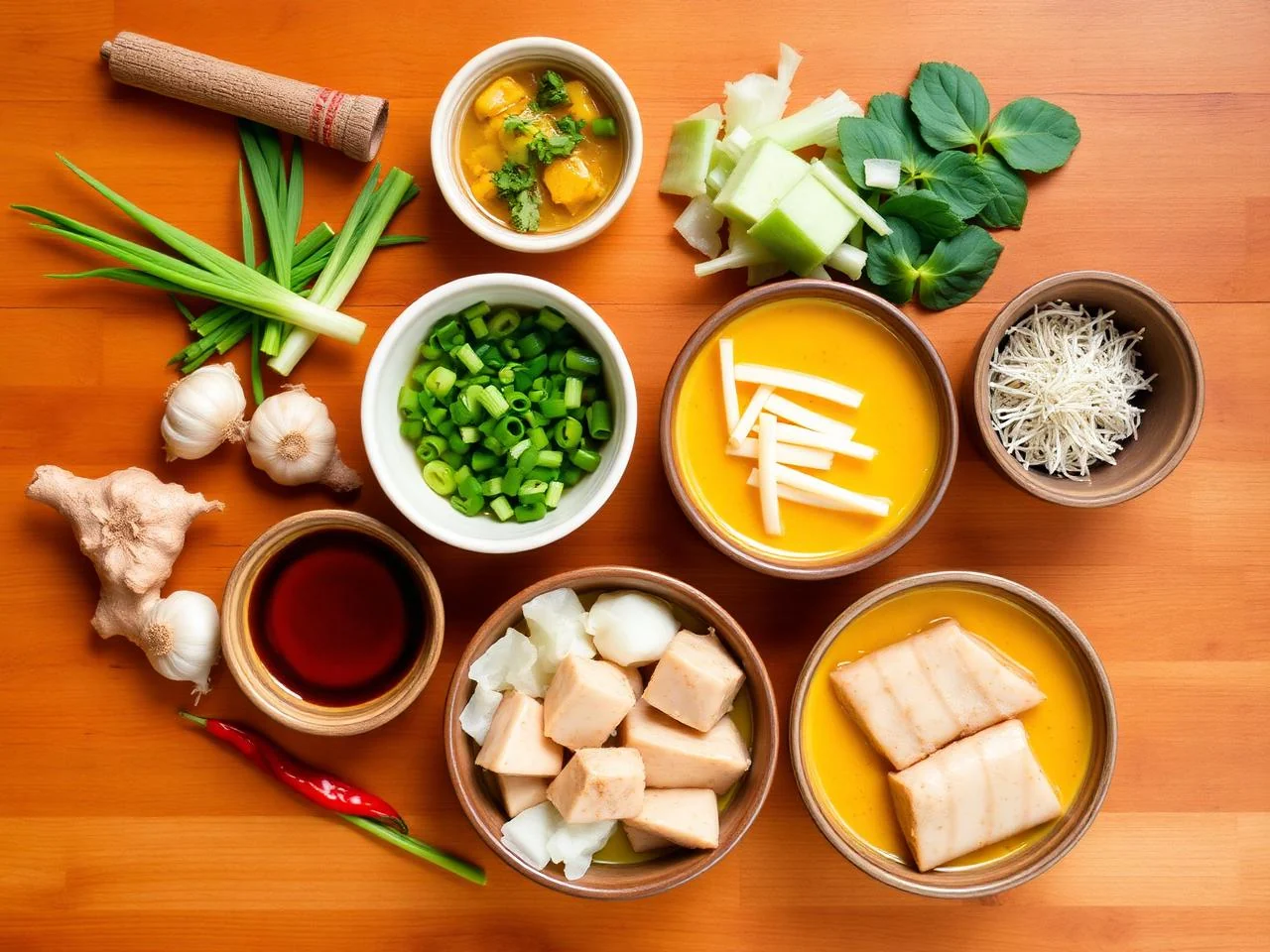
To make this delicious Thai Yellow Curry, you'll need a few special ingredients, including Thai yellow curry paste, coconut milk, and fish sauce. You can find these ingredients at most Asian markets or online. Be sure to choose a high-quality curry paste that's made with fresh spices and herbs, as this will make a big difference in the flavor of the dish.
In addition to these special ingredients, you'll also need some common pantry staples, such as vegetable oil, onions, garlic, and ginger. And of course, no Thai Yellow Curry would be complete without a sprinkle of fresh cilantro and a side of steamed rice.
- 2 lbs (900g) chicken thighs, boneless and skinlessYou can use chicken breast or a combination of chicken and shrimp if you prefer. Just be sure to adjust the cooking time accordingly.
- 2 tablespoons vegetable oilYou can use any type of vegetable oil, such as peanut or canola oil, but be sure to choose a neutral-tasting oil that won't overpower the other flavors in the dish.
- 4 cloves garlic, mincedFresh garlic is essential in this recipe, as it adds a depth of flavor that's hard to replicate with bottled garlic. Be sure to mince the garlic finely so it cooks evenly and doesn't overpower the other flavors.
- 1 tablespoon grated fresh gingerFresh ginger is another essential ingredient in this recipe, as it adds a warm and spicy flavor that complements the other ingredients perfectly. Be sure to grate the ginger finely so it cooks evenly and doesn't overpower the other flavors.
- 2 tablespoons Thai yellow curry pasteThis is the magic ingredient that gives the dish its distinctive yellow color and flavor. Be sure to choose a high-quality curry paste that's made with fresh spices and herbs, as this will make a big difference in the flavor of the dish.
- 2 cups (475ml) coconut milkFull-fat coconut milk is essential in this recipe, as it adds a rich and creamy texture that's hard to replicate with low-fat coconut milk. Be sure to stir the coconut milk well before using it, as it can separate and become watery if not stirred properly.
- 1 cup (250ml) chicken brothYou can use low-sodium chicken broth or make your own by simmering chicken bones in water. Be sure to use a high-quality broth that's made with fresh ingredients, as this will make a big difference in the flavor of the dish.
- 1 tablespoon fish sauceFish sauce is a salty and umami-rich condiment that's commonly used in Thai cooking. Be sure to choose a high-quality fish sauce that's made with fresh anchovies and salt, as this will make a big difference in the flavor of the dish.
- 1 tablespoon lime juiceFresh lime juice is essential in this recipe, as it adds a bright and tangy flavor that complements the other ingredients perfectly. Be sure to squeeze the lime juice freshly, as bottled lime juice can be too acidic and overpowering.
- 1/2 teaspoon saltYou can use any type of salt, such as sea salt or kosher salt, but be sure to choose a salt that's fresh and hasn't been sitting on the shelf for too long.
- 1/4 teaspoon black pepperFreshly ground black pepper is essential in this recipe, as it adds a warm and spicy flavor that complements the other ingredients perfectly. Be sure to grind the pepper freshly, as pre-ground pepper can be too fine and overpowering.
- 2 cups (250g) mixed bell peppers, slicedYou can use any type of bell pepper, such as green, red, or yellow, but be sure to choose peppers that are fresh and crisp. Bell peppers add a sweet and crunchy texture to the dish that complements the other ingredients perfectly.
- 1 cup (115g) bamboo shoots, slicedYou can use fresh or canned bamboo shoots, but be sure to choose shoots that are tender and not too fibrous. Bamboo shoots add a unique texture and flavor to the dish that's essential in Thai cooking.
Equipment You’ll Need
How to Make Thai Yellow Curry
- 1Heat 1 tablespoon of vegetable oil in a large heavy skillet or wok over medium-high heat until it reaches 350°F (175°C) on an instant-read thermometer.
- 2Add the minced garlic and grated ginger to the skillet and stir-fry until they're fragrant and lightly browned, about 1-2 minutes.
- 3Add the chicken to the skillet and cook until it's browned on all sides and cooked through, about 5-7 minutes. Remove the chicken from the skillet and set it aside.
- 4Add the remaining 1 tablespoon of vegetable oil to the skillet and stir in the Thai yellow curry paste. Cook for 1-2 minutes, stirring constantly, until the paste is fragrant and lightly browned.
- 5Add the coconut milk, chicken broth, fish sauce, and lime juice to the skillet and stir to combine. Bring the mixture to a simmer and cook for 2-3 minutes, or until it thickens slightly and reduces by about half.
- 6Add the sliced bell peppers and bamboo shoots to the skillet and cook until they're tender, about 3-5 minutes.
- 7Add the cooked chicken back to the skillet and stir to combine with the sauce and vegetables. Cook for an additional 1-2 minutes, or until the chicken is fully coated in the sauce.
- 8Season the curry with salt and black pepper to taste, then remove it from the heat and let it rest for 5-10 minutes before serving.
- 9Serve the curry hot, garnished with fresh cilantro and steamed rice on the side.
- 10To make the dish more substantial, you can add some boiled eggs, diced potatoes, or cooked noodles to the curry.
- 11To make the dish spicier, you can add more curry paste or use hotter peppers like habaneros or ghost peppers.
- 12To make the dish milder, you can use less curry paste or omit the seeds and membranes of the peppers, which contain most of the heat.
- 13To make the dish ahead of time, you can cook the curry up to a day in advance and refrigerate or freeze it until you're ready to serve.
Expert Tips
- Use high-quality ingredients, such as fresh spices and herbs, to get the best flavor out of your curry.
- Don't overcook the chicken or vegetables, as this can make them tough and dry.
- Adjust the level of spiciness to your taste by adding more or less curry paste.
- Use a variety of bell peppers, such as green, red, and yellow, to add color and texture to the dish.
- Add some acidity, such as lime juice or vinegar, to balance out the richness of the coconut milk.
- Experiment with different proteins, such as shrimp or beef, to change up the flavor and texture of the dish.
- Serve the curry with a variety of sides, such as steamed rice, noodles, or roti, to add some variety to the meal.
- Make the curry ahead of time and refrigerate or freeze it until you're ready to serve, as this can save time and reduce stress.
Common Mistakes to Avoid
- Not using high-quality ingredients, such as fresh spices and herbs, can result in a bland and unappetizing curry.
- Overcooking the chicken or vegetables can make them tough and dry, which can ruin the texture of the dish.
- Not adjusting the level of spiciness to your taste can result in a curry that's too hot or too mild.
- Not adding enough acidity, such as lime juice or vinegar, can make the curry too rich and heavy.
- Not serving the curry with a variety of sides, such as steamed rice or noodles, can make the meal feel incomplete and unbalanced.
- Not making the curry ahead of time and refrigerating or freezing it until you're ready to serve can result in a curry that's not as flavorful or textured as it could be.
Variations and Substitutions
- Add some boiled eggs or diced potatoes to the curry to make it more substantial.
- Use different types of protein, such as shrimp or beef, to change up the flavor and texture of the dish.
- Add some heat to the curry by using hotter peppers or more curry paste.
- Make the curry milder by using less curry paste or omitting the seeds and membranes of the peppers.
- Add some acidity, such as lime juice or vinegar, to balance out the richness of the coconut milk.
- Serve the curry with a variety of sides, such as steamed rice, noodles, or roti, to add some variety to the meal.
- Make the curry ahead of time and refrigerate or freeze it until you're ready to serve, as this can save time and reduce stress.
What to Serve With Thai Yellow Curry
Serve the curry hot, garnished with fresh cilantro and steamed rice on the side. You can also add some boiled eggs, diced potatoes, or cooked noodles to the curry to make it more substantial.
Some other options for serving the curry include:
Steamed rice: This is a classic pairing for Thai curry, as the rice helps to soak up the flavorful sauce.
Noodles: Rice noodles or egg noodles work well with this curry, as they add some texture and variety to the dish.
Roti: This is a type of Indian flatbread that's perfect for scooping up the curry sauce.
Naan bread: This is another type of Indian flatbread that's perfect for serving with the curry.
Vegetables: Steamed or roasted vegetables, such as broccoli or carrots, can add some color and texture to the dish.
Make-Ahead, Storage, Freezing and Reheating
The curry can be stored in the refrigerator for up to 3 days or frozen for up to 2 months. To refrigerate, let the curry cool to room temperature, then transfer it to an airtight container and refrigerate. To freeze, let the curry cool to room temperature, then transfer it to an airtight container or freezer bag and freeze.
To reheat the curry, simply thaw it overnight in the refrigerator, then reheat it in a saucepan over low heat, stirring occasionally, until it's hot and steaming. You can also reheat the curry in the microwave, but be careful not to overheat it, as this can cause the sauce to separate and become watery.
Some tips for storing and reheating the curry include:
Letting it cool to room temperature before refrigerating or freezing, as this can help prevent bacterial growth and keep the curry fresh.
Using airtight containers or freezer bags to store the curry, as this can help keep it fresh and prevent freezer burn.
Reheating the curry over low heat, stirring occasionally, to prevent the sauce from separating and becoming watery.
Adding a little water or coconut milk to the curry when reheating it, as this can help thin out the sauce and make it more creamy and flavorful.
Frequently Asked Questions
What type of protein can I use in this recipe?
You can use chicken, shrimp, beef, or pork in this recipe. Just be sure to adjust the cooking time accordingly.
Can I make this recipe ahead of time?
Yes, you can make this recipe ahead of time and refrigerate or freeze it until you're ready to serve. Just be sure to let it cool to room temperature before refrigerating or freezing, and reheat it over low heat, stirring occasionally, until it's hot and steaming.
Can I adjust the level of spiciness in this recipe?
Yes, you can adjust the level of spiciness in this recipe by adding more or less curry paste. You can also add some heat to the curry by using hotter peppers or more curry paste.
What type of sides can I serve with this recipe?
You can serve this recipe with a variety of sides, such as steamed rice, noodles, roti, or naan bread. You can also add some boiled eggs, diced potatoes, or cooked noodles to the curry to make it more substantial.
Can I freeze this recipe?
Yes, you can freeze this recipe for up to 2 months. Just be sure to let it cool to room temperature before freezing, and reheat it over low heat, stirring occasionally, until it's hot and steaming.
How long does it take to make this recipe?
It takes about 30-40 minutes to make this recipe, including prep time and cooking time.
Can I make this recipe in a slow cooker?
Yes, you can make this recipe in a slow cooker. Just be sure to cook the chicken and vegetables on high for 2-3 hours, or on low for 4-5 hours, until they're tender and the sauce has thickened.
Can I make this recipe in a Instant Pot?
Yes, you can make this recipe in an Instant Pot. Just be sure to cook the chicken and vegetables on high pressure for 5-7 minutes, or on low pressure for 10-12 minutes, until they're tender and the sauce has thickened.
Ingredients
- 2 lbs (900g) chicken thighs, boneless and skinless
- 2 tablespoons vegetable oil
- 4 cloves garlic, minced
- 1 tablespoon grated fresh ginger
- 2 tablespoons Thai yellow curry paste
- 2 cups (475ml) coconut milk
- 1 cup (250ml) chicken broth
- 1 tablespoon fish sauce
- 1 tablespoon lime juice
- 1/2 teaspoon salt
- 1/4 teaspoon black pepper
- 2 cups (250g) mixed bell peppers, sliced
- 1 cup (115g) bamboo shoots, sliced
Instructions
- Heat 1 tablespoon of vegetable oil in a large heavy skillet or wok over medium-high heat until it reaches 350°F (175°C) on an instant-read thermometer.
- Add the minced garlic and grated ginger to the skillet and stir-fry until they're fragrant and lightly browned, about 1-2 minutes.
- Add the chicken to the skillet and cook until it's browned on all sides and cooked through, about 5-7 minutes. Remove the chicken from the skillet and set it aside.
- Add the remaining 1 tablespoon of vegetable oil to the skillet and stir in the Thai yellow curry paste. Cook for 1-2 minutes, stirring constantly, until the paste is fragrant and lightly browned.
- Add the coconut milk, chicken broth, fish sauce, and lime juice to the skillet and stir to combine. Bring the mixture to a simmer and cook for 2-3 minutes, or until it thickens slightly and reduces by about half.
- Add the sliced bell peppers and bamboo shoots to the skillet and cook until they're tender, about 3-5 minutes.
- Add the cooked chicken back to the skillet and stir to combine with the sauce and vegetables. Cook for an additional 1-2 minutes, or until the chicken is fully coated in the sauce.
- Season the curry with salt and black pepper to taste, then remove it from the heat and let it rest for 5-10 minutes before serving.
- Serve the curry hot, garnished with fresh cilantro and steamed rice on the side.
- To make the dish more substantial, you can add some boiled eggs, diced potatoes, or cooked noodles to the curry.
- To make the dish spicier, you can add more curry paste or use hotter peppers like habaneros or ghost peppers.
- To make the dish milder, you can use less curry paste or omit the seeds and membranes of the peppers, which contain most of the heat.
- To make the dish ahead of time, you can cook the curry up to a day in advance and refrigerate or freeze it until you're ready to serve.