
Korean Bulgogi
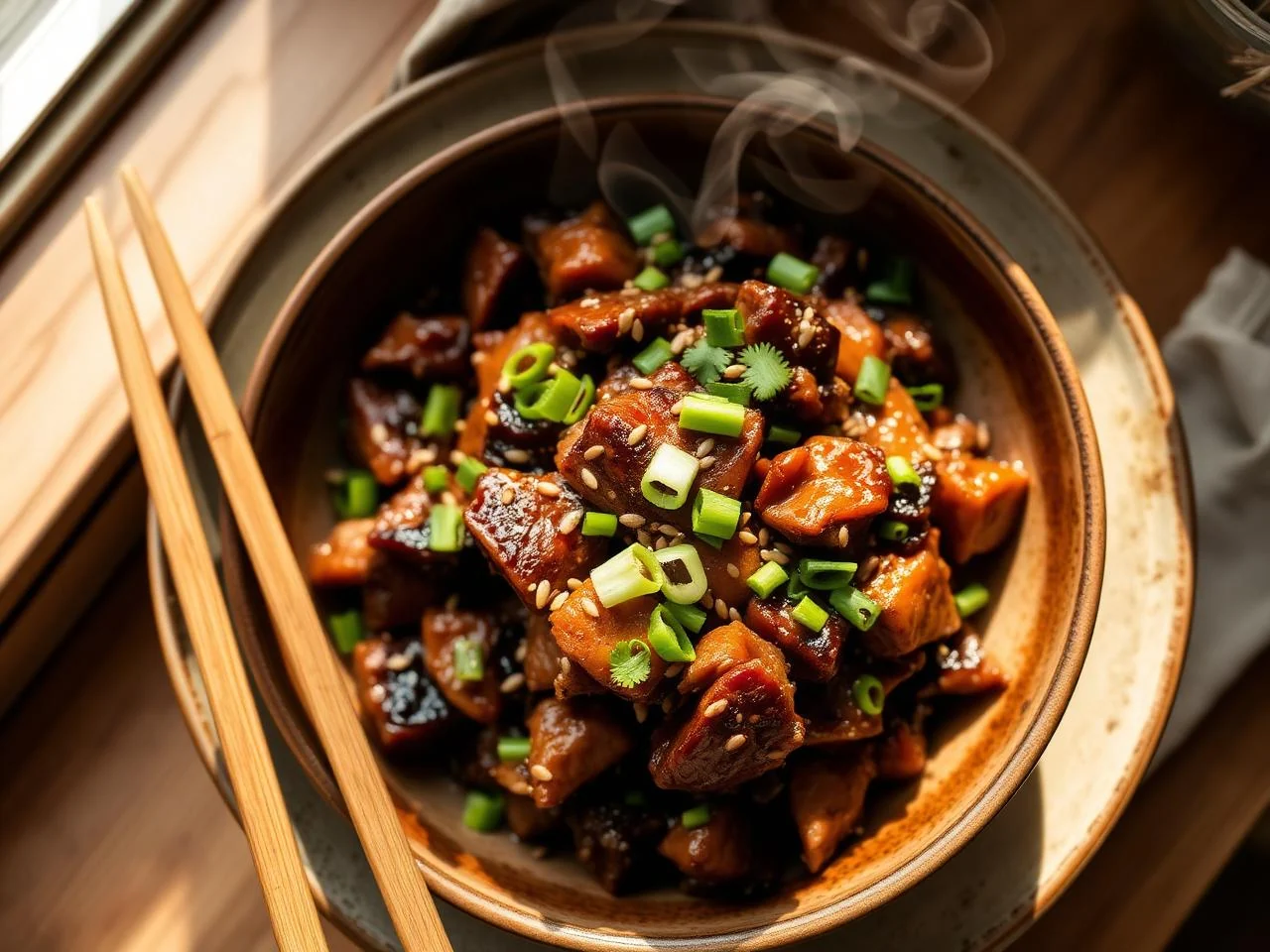
Korean Bulgogi, a classic Korean dish, is a staple in many Korean households and restaurants. This easy takeout-style Asian home cooking recipe is made from scratch in a real home kitchen, using simple ingredients and techniques. In this article, I will share with you my secrets for making the perfect Korean Bulgogi, with a focus on the right sauces, aromatics, and techniques.
As a home cook, I have always been fascinated by the rich flavors and spices of Korean cuisine. Korean Bulgogi is one of my favorite dishes to make and eat, and I am excited to share this recipe with you. With its sweet and spicy sauce, tender beef, and crispy vegetables, this dish is sure to become a favorite in your household as well.
The key to making great Korean Bulgogi is in the marinade. A good marinade should have a balance of sweet, salty, and spicy flavors, and should be made with high-quality ingredients such as soy sauce, garlic, and ginger. In this recipe, I will show you how to make a simple and delicious marinade using these ingredients, and how to cook the beef and vegetables to perfection.
This recipe is perfect for anyone who loves Korean food, or who is looking to try something new and exciting. It is also a great option for a weeknight dinner, as it can be made in under an hour and is relatively easy to prepare. So, let's get started and make some delicious Korean Bulgogi!
One of the things that I love about Korean Bulgogi is its versatility. It can be served with a variety of sides, such as rice, noodles, or kimchi, and can be made with different types of protein, such as beef, pork, or chicken. In this recipe, I will show you how to make a classic beef version, but feel free to experiment with different ingredients and variations to suit your taste.
Why You’ll Love This Recipe
- This recipe is easy to make and requires minimal ingredients
- It is a healthy and nutritious option, with a good balance of protein, vegetables, and whole grains
- It is a versatile dish that can be served with a variety of sides and can be made with different types of protein
- It is a great option for a weeknight dinner, as it can be made in under an hour
- It is a delicious and flavorful dish that is sure to become a favorite in your household
- It is a budget-friendly option, with ingredients that are easily available and affordable
- It is a crowd-pleasing dish that is perfect for entertaining guests
Why This Recipe Works
The key to making great Korean Bulgogi is in the cooking technique. The beef and vegetables should be cooked quickly over high heat, using a small amount of oil, to achieve a nice caramelized crust on the outside while keeping the inside tender and juicy. This technique is called 'velveting', and it is a common method used in many Asian dishes.
Another important aspect of Korean Bulgogi is the balance of flavors in the sauce. The sauce should be sweet, salty, and spicy, with a good balance of flavors to complement the beef and vegetables. In this recipe, I will show you how to make a simple and delicious sauce using ingredients such as soy sauce, sugar, and gochujang.
The type of beef used is also important. Thinly sliced ribeye or sirloin is best, as it cooks quickly and evenly. The beef should be sliced against the grain, to ensure that it is tender and easy to chew.
Finally, the resting time is crucial. After cooking, the beef and vegetables should be rested for a few minutes to allow the juices to redistribute and the flavors to meld together. This will result in a more tender and flavorful dish.
Ingredients You’ll Need
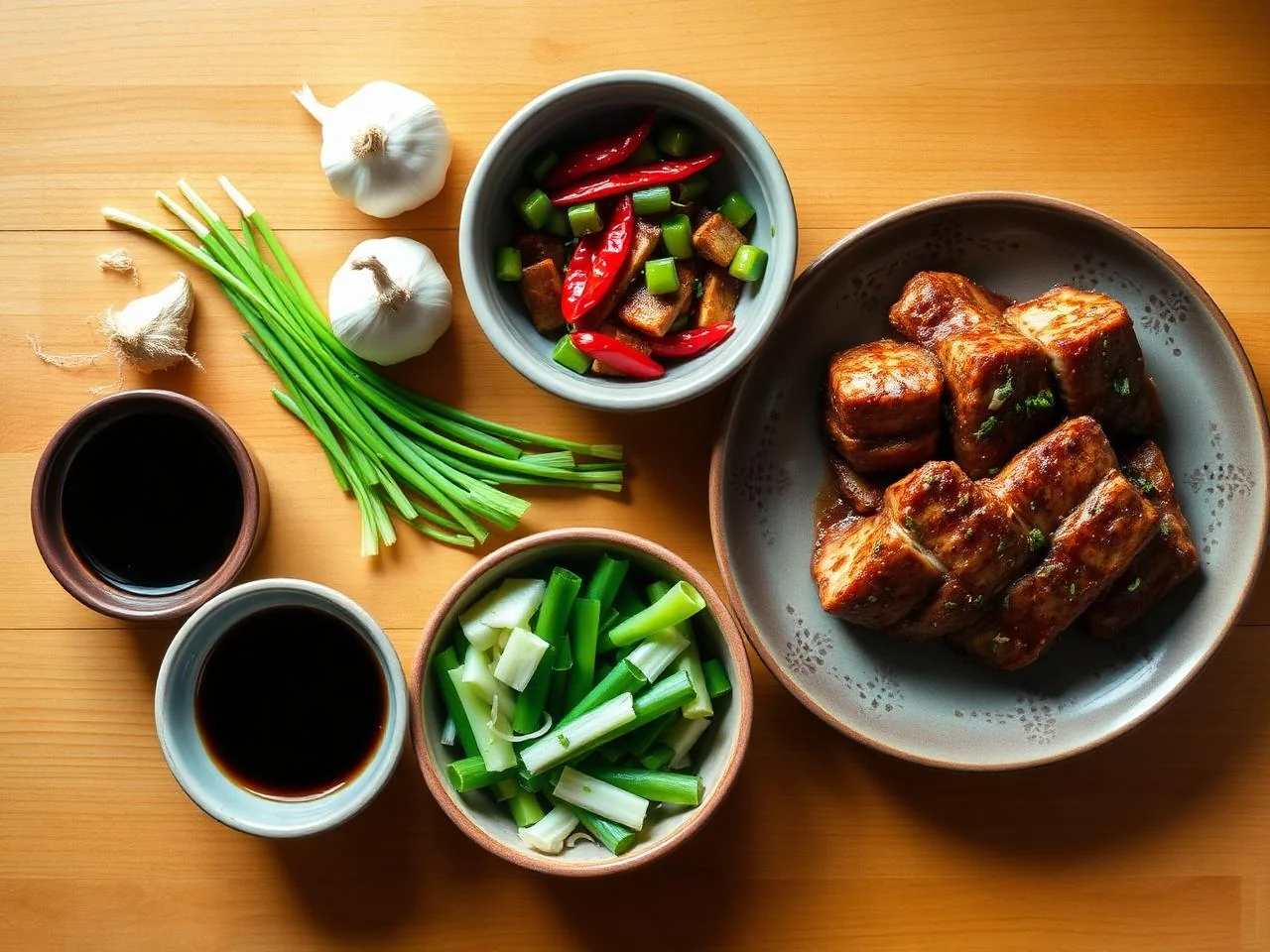
To make Korean Bulgogi, you will need a few simple ingredients, including beef, vegetables, and a variety of sauces and seasonings. The key is to use high-quality ingredients and to balance the flavors in the sauce. In this recipe, I will show you how to make a delicious and authentic Korean Bulgogi using ingredients such as soy sauce, garlic, and ginger.
When shopping for ingredients, be sure to look for thinly sliced beef, such as ribeye or sirloin, and a variety of colorful vegetables, such as bell peppers, carrots, and onions. You will also need a few basic sauces and seasonings, such as soy sauce, sugar, and gochujang.
- 1 lb (450g) ribeye beef, thinly slicedThinly sliced ribeye or sirloin is best, as it cooks quickly and evenly. Look for beef that is labeled as 'ribeye' or 'sirloin', and slice it against the grain to ensure tenderness.
- 2 tbsp soy sauceSoy sauce is a staple in Korean cuisine, and is used to add depth and umami flavor to the dish. Look for a high-quality soy sauce that is labeled as 'Korean-style' or 'Japanese-style'.
- 2 tbsp GochujangGochujang is a Korean chili paste that adds a sweet and spicy flavor to the dish. Look for a high-quality gochujang that is labeled as 'Korean-style' or 'spicy'.
- 2 tbsp brown sugarBrown sugar adds a rich and caramel-like flavor to the dish. Look for a high-quality brown sugar that is labeled as 'dark' or 'light'.
- 2 tbsp garlic, mincedGarlic is a fundamental ingredient in Korean cuisine, and is used to add depth and flavor to the dish. Look for fresh garlic that is labeled as 'minced' or 'crushed'.
- 1 tsp grated gingerGinger is a fundamental ingredient in Korean cuisine, and is used to add warmth and depth to the dish. Look for fresh ginger that is labeled as 'grated' or 'minced'.
- 1/4 cup vegetable oilVegetable oil is used to cook the beef and vegetables, and to add a crispy texture to the dish. Look for a high-quality vegetable oil that is labeled as 'neutral-tasting' or 'light'.
- 1 cup mixed vegetables, such as bell peppers, carrots, and onionsA variety of colorful vegetables adds texture and flavor to the dish. Look for fresh vegetables that are labeled as 'mixed' or 'assorted'.
- 2 tbsp sesame oilSesame oil is used to add a nutty and aromatic flavor to the dish. Look for a high-quality sesame oil that is labeled as 'Korean-style' or 'Japanese-style'.
- 1 tsp saltSalt is used to enhance the flavors in the dish, and to add a savory flavor. Look for a high-quality salt that is labeled as 'Korean-style' or 'sea salt'.
- 1/2 tsp black pepperBlack pepper is used to add a sharp and spicy flavor to the dish. Look for a high-quality black pepper that is labeled as 'freshly ground' or 'coarse'.
- 2 tbsp chopped green onions, for garnishChopped green onions add a fresh and oniony flavor to the dish, and are used as a garnish. Look for fresh green onions that are labeled as 'chopped' or 'sliced'.
- 1/4 cup toasted sesame seeds, for garnishToasted sesame seeds add a nutty and crunchy texture to the dish, and are used as a garnish. Look for high-quality sesame seeds that are labeled as 'toasted' or 'roasted'.
Equipment You’ll Need
How to Make Korean Bulgogi
- 1In a large bowl, whisk together soy sauce, Gochujang, brown sugar, garlic, and ginger to make the marinade. Add the sliced beef and mix to coat, then cover and refrigerate for at least 30 minutes or up to 2 hours.
- 2Heat 1 tablespoon of vegetable oil in a large skillet or wok over medium-high heat. Remove the beef from the marinade, letting any excess liquid drip off. Add the beef to the skillet and cook for 3-4 minutes per side, or until it reaches an internal temperature of 130-135 F for medium-rare.
- 3Transfer the beef to a plate and cover with foil to keep warm. In the same skillet, add the remaining 1 tablespoon of vegetable oil and cook the mixed vegetables over medium-high heat, stirring occasionally, until they are tender and lightly browned, about 5 minutes.
- 4Add the cooked beef back into the skillet with the vegetables and stir to combine. Cook for an additional 1-2 minutes, or until the beef is coated in the sauce and the vegetables are tender.
- 5Stir in the sesame oil and cook for 1 minute, or until the sauce is bubbly and slightly thickened.
- 6Season the dish with salt and black pepper to taste.
- 7Transfer the beef and vegetables to a serving platter and garnish with chopped green onions and toasted sesame seeds.
- 8Rest the dish for 5-10 minutes before serving, to allow the juices to redistribute and the flavors to meld together.
- 9Serve the Korean Bulgogi with steamed rice or noodles, and enjoy!
- 10To make the sauce, combine the soy sauce, Gochujang, brown sugar, garlic, and ginger in a small bowl and whisk to combine. This sauce can be made ahead of time and refrigerated for up to 24 hours.
- 11To cook the beef and vegetables ahead of time, cook them as directed, then let them cool to room temperature. Refrigerate or freeze until ready to serve, then reheat in a skillet or wok over medium-high heat until warmed through.
- 12To add some extra flavor to the dish, try adding some diced kimchi or Korean chili flakes to the sauce. You can also add some sliced mushrooms or bell peppers to the skillet with the vegetables for added texture and flavor.
- 13To make the dish more substantial, try serving it with some steamed bok choy or spinach. You can also add some cooked noodles or rice to the skillet with the beef and vegetables for a filling and satisfying meal.
Expert Tips
- Use high-quality ingredients, such as fresh garlic and ginger, to add depth and flavor to the dish.
- Don't overcook the beef, as it can become tough and dry. Cook it to the recommended internal temperature for medium-rare.
- Add the sesame oil at the end of cooking, as it can burn easily and add a bitter flavor to the dish.
- Use a variety of colorful vegetables to add texture and flavor to the dish.
- Don't be afraid to experiment with different ingredients and variations to make the dish your own.
- Let the dish rest for a few minutes before serving, to allow the juices to redistribute and the flavors to meld together.
- Serve the dish with steamed rice or noodles, and enjoy!
- Try adding some diced kimchi or Korean chili flakes to the sauce for an extra kick of flavor.
Common Mistakes to Avoid
- Overcooking the beef, which can make it tough and dry.
- Not using high-quality ingredients, such as fresh garlic and ginger, which can result in a lackluster flavor.
- Not letting the dish rest before serving, which can result in a lack of flavor and texture.
- Not using the right type of oil, such as vegetable oil, which can result in a greasy or bitter flavor.
- Not cooking the vegetables long enough, which can result in a crunchy or raw texture.
- Not seasoning the dish enough, which can result in a bland or uninspired flavor.
Variations and Substitutions
- Try using different types of protein, such as pork or chicken, for a variation on the dish.
- Add some diced mushrooms or bell peppers to the skillet with the vegetables for added texture and flavor.
- Use different types of noodles or rice, such as udon or jasmine rice, for a variation on the dish.
- Add some diced kimchi or Korean chili flakes to the sauce for an extra kick of flavor.
- Try using different types of vegetables, such as broccoli or carrots, for a variation on the dish.
- Use a different type of oil, such as coconut oil or avocado oil, for a variation on the dish.
- Add some toasted sesame seeds or chopped green onions to the dish for added texture and flavor.
What to Serve With Korean Bulgogi
Korean Bulgogi is a versatile dish that can be served with a variety of sides, such as steamed rice or noodles. It is also a great option for a weeknight dinner, as it can be made in under an hour and is relatively easy to prepare.
Some other options for serving Korean Bulgogi include serving it with a side of kimchi or Korean chili flakes, or adding some diced vegetables or noodles to the skillet with the beef and vegetables. You can also try serving it with a side of steamed bok choy or spinach for a filling and satisfying meal.
Make-Ahead, Storage, Freezing and Reheating
Korean Bulgogi can be made ahead of time and refrigerated or frozen for later use. To refrigerate, cook the beef and vegetables as directed, then let them cool to room temperature. Cover and refrigerate for up to 24 hours.
To freeze, cook the beef and vegetables as directed, then let them cool to room temperature. Transfer the beef and vegetables to an airtight container or freezer bag, and freeze for up to 3 months. To reheat, thaw the frozen beef and vegetables overnight in the refrigerator, then reheat in a skillet or wok over medium-high heat until warmed through.
When reheating, be sure to cook the beef and vegetables to an internal temperature of 165 F, to ensure food safety. You can also add some extra sauce or seasonings to the dish when reheating, to give it a fresh and flavorful taste.
It's also important to note that Korean Bulgogi can be made in advance and refrigerated or frozen, but it's best to cook the beef and vegetables just before serving, to ensure the best flavor and texture. If you do choose to make it ahead of time, be sure to reheat it properly and add any extra seasonings or sauce as needed.
Frequently Asked Questions
What is the best type of beef to use for Korean Bulgogi?
The best type of beef to use for Korean Bulgogi is thinly sliced ribeye or sirloin, as it cooks quickly and evenly and has a tender and juicy texture.
Can I use different types of vegetables for Korean Bulgogi?
Yes, you can use different types of vegetables for Korean Bulgogi, such as broccoli or carrots, but be sure to adjust the cooking time and seasonings accordingly.
How do I store Korean Bulgogi for later use?
Korean Bulgogi can be made ahead of time and refrigerated or frozen for later use. To refrigerate, cook the beef and vegetables as directed, then let them cool to room temperature. Cover and refrigerate for up to 24 hours. To freeze, cook the beef and vegetables as directed, then let them cool to room temperature. Transfer the beef and vegetables to an airtight container or freezer bag, and freeze for up to 3 months.
Can I make Korean Bulgogi ahead of time and reheat it later?
Yes, you can make Korean Bulgogi ahead of time and reheat it later, but be sure to cook the beef and vegetables to an internal temperature of 165 F, to ensure food safety. You can also add some extra sauce or seasonings to the dish when reheating, to give it a fresh and flavorful taste.
What is the best way to serve Korean Bulgogi?
Korean Bulgogi is a versatile dish that can be served with a variety of sides, such as steamed rice or noodles. It is also a great option for a weeknight dinner, as it can be made in under an hour and is relatively easy to prepare.
Can I use a different type of oil for Korean Bulgogi?
Yes, you can use a different type of oil for Korean Bulgogi, such as coconut oil or avocado oil, but be sure to adjust the seasonings and cooking time accordingly.
How do I add extra flavor to Korean Bulgogi?
You can add extra flavor to Korean Bulgogi by using different types of seasonings, such as Korean chili flakes or soy sauce, or by adding some diced vegetables or noodles to the skillet with the beef and vegetables.
Can I make Korean Bulgogi for a large group of people?
Yes, you can make Korean Bulgogi for a large group of people, but be sure to adjust the ingredient quantities and cooking time accordingly. You can also consider making it in advance and reheating it later, to make it easier to serve a large group.
Ingredients
- 1 lb (450g) ribeye beef, thinly sliced
- 2 tbsp soy sauce
- 2 tbsp Gochujang
- 2 tbsp brown sugar
- 2 tbsp garlic, minced
- 1 tsp grated ginger
- 1/4 cup vegetable oil
- 1 cup mixed vegetables, such as bell peppers, carrots, and onions
- 2 tbsp sesame oil
- 1 tsp salt
- 1/2 tsp black pepper
- 2 tbsp chopped green onions, for garnish
- 1/4 cup toasted sesame seeds, for garnish
Instructions
- In a large bowl, whisk together soy sauce, Gochujang, brown sugar, garlic, and ginger to make the marinade. Add the sliced beef and mix to coat, then cover and refrigerate for at least 30 minutes or up to 2 hours.
- Heat 1 tablespoon of vegetable oil in a large skillet or wok over medium-high heat. Remove the beef from the marinade, letting any excess liquid drip off. Add the beef to the skillet and cook for 3-4 minutes per side, or until it reaches an internal temperature of 130-135 F for medium-rare.
- Transfer the beef to a plate and cover with foil to keep warm. In the same skillet, add the remaining 1 tablespoon of vegetable oil and cook the mixed vegetables over medium-high heat, stirring occasionally, until they are tender and lightly browned, about 5 minutes.
- Add the cooked beef back into the skillet with the vegetables and stir to combine. Cook for an additional 1-2 minutes, or until the beef is coated in the sauce and the vegetables are tender.
- Stir in the sesame oil and cook for 1 minute, or until the sauce is bubbly and slightly thickened.
- Season the dish with salt and black pepper to taste.
- Transfer the beef and vegetables to a serving platter and garnish with chopped green onions and toasted sesame seeds.
- Rest the dish for 5-10 minutes before serving, to allow the juices to redistribute and the flavors to meld together.
- Serve the Korean Bulgogi with steamed rice or noodles, and enjoy!
- To make the sauce, combine the soy sauce, Gochujang, brown sugar, garlic, and ginger in a small bowl and whisk to combine. This sauce can be made ahead of time and refrigerated for up to 24 hours.
- To cook the beef and vegetables ahead of time, cook them as directed, then let them cool to room temperature. Refrigerate or freeze until ready to serve, then reheat in a skillet or wok over medium-high heat until warmed through.
- To add some extra flavor to the dish, try adding some diced kimchi or Korean chili flakes to the sauce. You can also add some sliced mushrooms or bell peppers to the skillet with the vegetables for added texture and flavor.
- To make the dish more substantial, try serving it with some steamed bok choy or spinach. You can also add some cooked noodles or rice to the skillet with the beef and vegetables for a filling and satisfying meal.