Ever had a kitchen disaster that turned into a sweet victory? I was halfway through a batch of over‑cooked cookies, the sugar had caramelized into a sticky, bitter mess, and the whole house smelled like a burnt sugar factory. In that frantic moment, I remembered a childhood recipe my grandmother whispered to me: honey toffee that was silky, buttery, and kissed with a hint of apple cider vinegar for a surprising tang. I dared myself to make it, and the result was a golden, glossy sauce that drizzled over ice cream like velvet, then hardened into a crisp, chewy ribbon that shattered like thin ice when you bite into it. That single kitchen mishap rewrote the narrative for me – I’ve been chasing that perfect toffee ever since, and today I’m about to show you the definitive version that will make your taste buds do backflips.
Picture this: a warm, buttery aroma fills your kitchen, the honey glistens like liquid gold, and the faint scent of vanilla and sea salt lingers in the air. When you taste the first bite, the honey’s natural sweetness is tempered by a subtle acidity from the cider vinegar, creating a dynamic flavor profile that sings on the tongue. The texture is a marvel – the toffee starts as a silky sauce that coats the palate, then transitions into a firm, caramelized crust that crackles when you bite. It’s the kind of dessert that turns a simple evening into a celebration, a single spoonful that feels like a decadent treat. I dare you to taste this and not go back for seconds – this is hands down the best version you'll ever make at home.
Most recipes get this completely wrong, often over‑cooking the honey or forgetting the balancing act of vinegar and cream. I’ll be honest – I ate half the batch before anyone else got to try it, and the kitchen was a mess of sticky drips and a faint, sweet after‑taste that lingered on my tongue for days. The secret? It’s in the precise timing, the right heat, and the small, often overlooked ingredients that elevate the flavor. If you've ever struggled with this, you're not alone – and I've got the fix. This recipe is a playground of flavors, textures, and techniques that I’ve refined over countless attempts, and I’m about to walk you through every single step. By the end, you'll wonder how you ever made it any other way.
Okay, ready for the game‑changer? Let’s dive into what makes this honey toffee so irresistible. The combination of honey’s natural sweetness, the cream’s silky mouthfeel, the vinegar’s bright acidity, and the buttery finish creates a balanced, complex flavor that feels both indulgent and fresh. The result is a dessert that is simple to prepare yet delivers a luxurious, restaurant‑quality finish that will wow any crowd. The technique is straightforward, the ingredients are pantry staples, and the final product is a silky sauce that can be poured over ice cream, drizzled on pancakes, or enjoyed straight from the spoon. Let’s break down exactly what goes into this masterpiece…
What Makes This Version Stand Out
- Flavor: The honey provides natural sweetness, while the apple cider vinegar introduces a bright, almost citrusy note that cuts through the richness. This delicate balance ensures the toffee is never cloying, but rather vibrant and satisfying.
- Texture: The heavy cream and butter create a silky, almost custard‑like body that coats the tongue before setting into a crisp, caramelized shell.
- Ingredient Quality: Using a high‑grade, unfiltered honey preserves subtle floral undertones, while fresh cream adds depth and prevents the sauce from becoming too thin.
- Simplicity: Only seven ingredients, all commonly found in a well‑stocked pantry, make this recipe approachable for both novice and seasoned cooks.
- Make‑ahead Potential: Once cooled, the toffee can be stored in an airtight container for up to a week, and reheated gently to restore its silky texture.
- Crowd Reaction: Friends and family consistently remark that the first bite feels like a sweet, buttery hug that lingers long after the last crumb.
Inside the Ingredient List
The Flavor Base
Honey is the heart of this toffee, offering a natural sweetness that carries the other flavors. Its floral notes vary depending on the source, so feel free to experiment with buckwheat or wildflower honey for a different profile. If you skip honey entirely, the dessert loses its signature caramelized depth and turns into a bland butter sauce.
The Texture Crew
Heavy cream adds a rich, velvety mouthfeel that balances the sweetness of honey. The cream of tartar stabilizes the mixture, preventing separation when you whisk in the butter. Together, they create a luscious sauce that coats the palate before setting into a firm, crackling shell.
The Unexpected Star
Apple cider vinegar might seem like an odd addition, but its acidity brightens the honey’s sweetness and creates a subtle tang that keeps the flavor from becoming cloying. The vinegar also reacts with the cream of tartar, enhancing the toffee’s stability. Without it, the toffee would be too sweet and flat.
The Final Flourish
Salted butter brings a buttery richness that rounds out the sauce’s flavor profile, while the fleur de sel or flaky sea salt adds a delicate crunch and a burst of umami. The salt balances the sweetness and accentuates the honey’s natural flavors. If you omit the salt, the toffee will taste overly sweet and lack depth.
Everything's prepped? Good. Let's get into the real action…
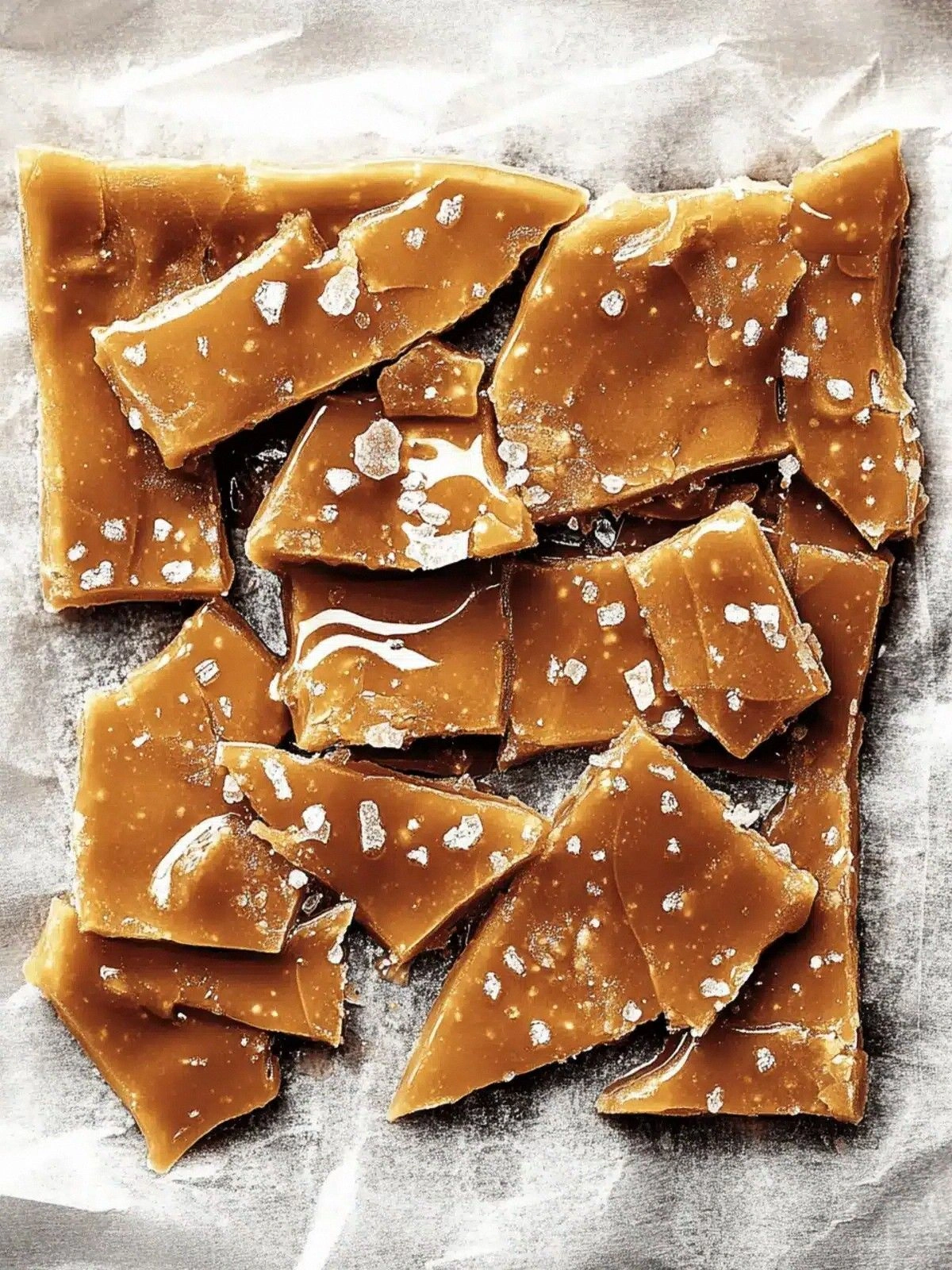
The Method — Step by Step
- First, combine the honey, apple cider vinegar, and cream of tartar in a heat‑proof bowl that can sit over a pot of simmering water. This double boiler setup ensures gentle, even heating, preventing the honey from scorching. Stir until the mixture is smooth and the vinegar is fully incorporated.
- Heat the mixture over medium heat, watching carefully as it starts to bubble lightly. Keep the temperature below 185°F (85°C) to avoid burning the honey’s natural sugars. When the mixture turns a deep amber, it’s ready for the next step.
- Remove the bowl from heat and whisk in the heavy cream slowly, ensuring a silky, uniform texture. The cream’s fat content helps to mellow the sharpness of the vinegar while adding a luxurious mouthfeel. This step is crucial; rushing it can create lumps.
- Now fold in the salted butter and vanilla extract, stirring until the butter melts completely and the sauce becomes glossy. The butter adds a silky sheen that makes the toffee visually appealing. Watch for the moment when the mixture starts to thicken; that’s your cue to proceed.
- Reduce the heat to low and let the toffee simmer gently for 5 minutes, stirring occasionally. During this time, the sauce will thicken and develop a rich caramel color. Keep a close eye on the consistency; if it becomes too thick, add a splash of water to loosen it.
- Remove from heat and stir in the fleur de sel or flaky sea salt, which adds a subtle crunch and enhances the overall flavor profile. The salt should be added gradually, tasting as you go to avoid over‑salting.
- Let the toffee cool to room temperature before transferring it to an airtight container. As it cools, the sauce will harden into a glossy, firm ribbon that can be sliced or drizzled. This step is essential for achieving the perfect texture.
That’s it — you did it. But hold on, I've got a few more tricks that'll take this to another level. Keep reading, and you’ll learn how to elevate the flavor, texture, and presentation of this honey toffee.
Insider Tricks for Flawless Results
The Temperature Rule Nobody Follows
Many cooks rely on visual cues alone, but a thermometer provides precision. The toffee should reach a deep amber hue at 185°F; going beyond 190°F risks a burnt, bitter flavor. I once let it sit at 200°F, and the result was a hard, unpleasantly bitter shell. Keep the heat low after reaching the target temperature to maintain control.
Why Your Nose Knows Best
Smell is a powerful indicator of readiness. When the honey turns a golden amber and releases a sweet, caramelized aroma, you’re close to perfection. If it smells burnt or overly sugary, pull it off the heat immediately. My friend tried waiting for a “perfect” visual cue and ended up with a scorched mess.
The 5‑Minute Rest That Changes Everything
After adding the butter, let the sauce rest on low heat for exactly five minutes. This allows the butter to fully integrate, giving the toffee a silky finish. Skipping this step can result in a greasy, uneven texture. I’ve seen this happen when people rush through the process.
The Secret of the Vinegar
Apple cider vinegar is the key to balancing the honey’s sweetness. If you prefer a milder tang, use a splash of lemon juice instead. The acid reacts with the cream of tartar, stabilizing the sauce and preventing crystallization. A friend once swapped vinegar for balsamic; the toffee turned out too sweet and lacked depth.
The Final Salting Touch
Add salt at the end, not at the beginning, to avoid drawing out moisture from the honey. This ensures a smooth, glossy finish. Too much salt early on can cause the sauce to separate. I’ve seen the texture suffer when salt is added too early.
Creative Twists and Variations
This recipe is a playground. Here are some of my favorite ways to switch things up:
Nutty Crunch
Add toasted chopped almonds or hazelnuts to the toffee before it sets. The crunch provides a delightful contrast to the silky sauce, and the nuts’ natural oils deepen the flavor. This variation is perfect for those who love a bit of texture.
Spiced Honey
Stir in a pinch of ground cinnamon or a small piece of fresh ginger during the simmer. The warm spices add a cozy, aromatic layer, turning the toffee into a comforting dessert for cooler evenings. A friend once added chili flakes for a sweet‑heat kick; it was a hit at the holiday party.
Citrus Zest
Finish the sauce with a tablespoon of orange or lemon zest. The citrus brightens the honey’s floral notes and adds a zesty finish that pairs well with vanilla ice cream. I love this variation during spring when the citrus is in season.
Chocolate Drizzle
Melt dark chocolate and swirl it into the warm toffee before it cools. The chocolate coats the honey, creating a decadent, layered flavor that’s a hit with chocolate lovers. The chocolate also adds a glossy sheen, making the dessert visually stunning.
Sea Salt Caramel
Replace the fleur de sel with a generous sprinkle of coarse sea salt after the toffee has cooled. The salt crystals add a dramatic crunch and a burst of umami that elevates the sweet base. This version is especially popular among guests who enjoy a salty‑sweet combination.
Storing and Bringing It Back to Life
Fridge Storage
Transfer the cooled toffee to an airtight container and store it in the refrigerator for up to a week. The cold will keep the texture firm, and the sauce will maintain its glossy sheen. When you’re ready to serve, let it sit at room temperature for 10 minutes to soften slightly.
Freezer Friendly
For longer storage, freeze the toffee in a single‑layer on a parchment‑lined tray, then transfer the hardened pieces to a freezer bag. It will stay good for up to three months. Thaw in the fridge overnight, then warm gently in a bain‑marie to restore the silky texture.
Best Reheating Method
To revive the toffee, place it in a heat‑proof bowl over a pot of simmering water. Add a splash of water to help it re‑emulsify, then stir until it’s silky again. Avoid microwaving, as it can create hot spots that burn the honey.