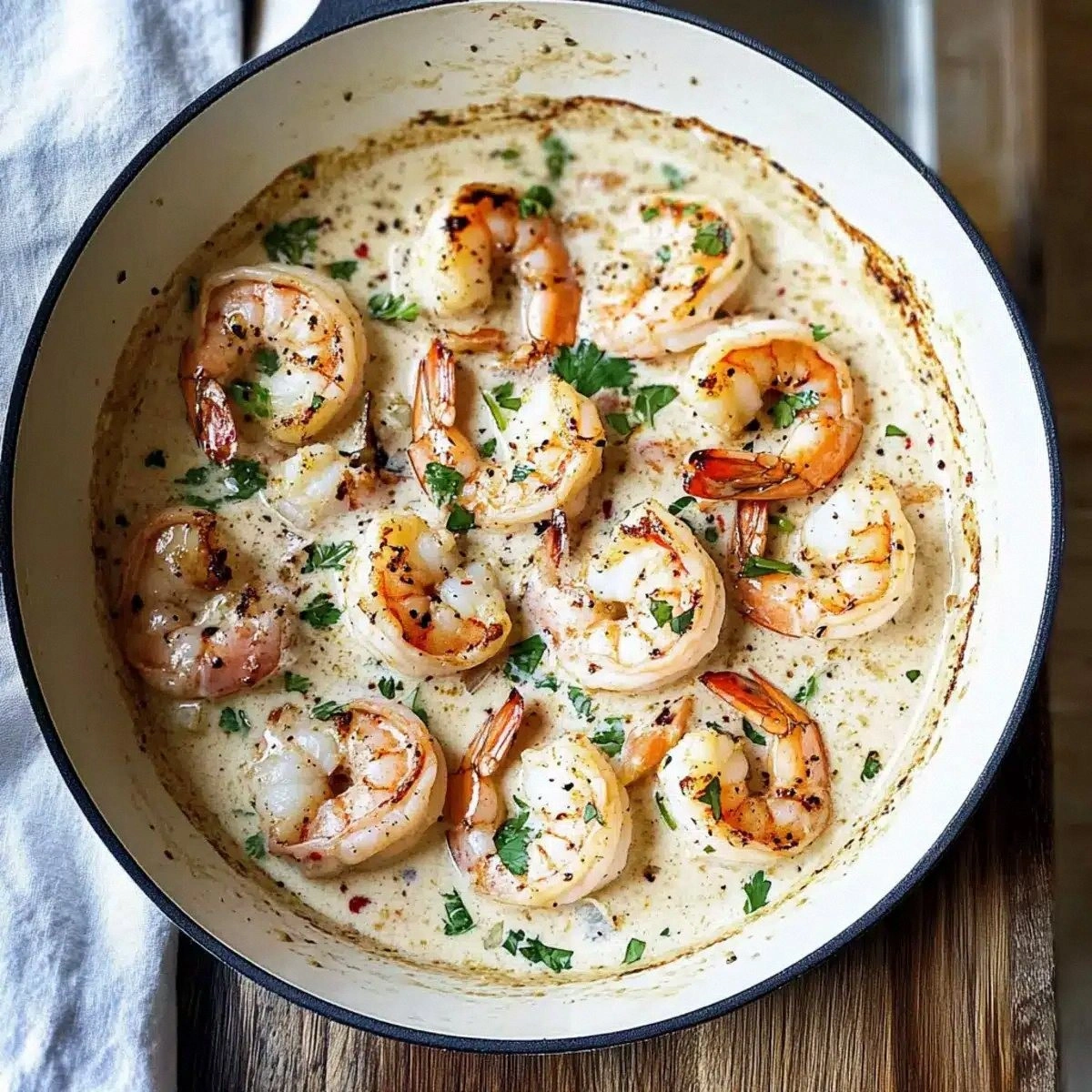
I was standing in my kitchen, staring at a half‑finished grocery bag and a sudden craving that felt like a tropical storm had rolled through my apartment. The pantry was a mess, the fridge was humming, and the only thing that seemed to make sense was a bold promise to myself: “I’m going to turn a simple shrimp dinner into something that makes the whole building smell like a beachside bar at sunset.” I grabbed the shrimp, a can of coconut milk, and a handful of spices, and what happened next was pure culinary fireworks. That first sizzle when the butter met the pan was louder than my neighbor’s late‑night karaoke, and the aroma that rose was a head‑on collision of garlic, lime, and sweet paprika that practically knocked me off my stool. I’ll be honest — I ate half the batch before anyone else got a chance to try it, and I’m still not over the fact that I dared myself to taste this and not go back for seconds.
Picture this: a skillet glowing amber, shrimp curling up like tiny pink rockets, and a sauce that coats each piece with the silkiness of a tropical breeze. The coconut milk doesn’t just sit there; it transforms into a velvety blanket that clings to the shrimp, while the lime juice adds a zing that snaps your palate awake like a splash of ocean water on a hot day. The garlic? It’s not just garlic; it’s a fragrant whisper that turns the whole dish into a love letter to your senses. The sound of the sauce bubbling, the sight of the cilantro scattering like confetti, the feel of the warm pan in your hands — every single detail is a reminder that cooking can be an adventure, not a chore. Most recipes get this completely wrong. Here’s what actually works: a perfect balance of heat, acidity, and a touch of sweetness that makes the flavor sing.
Now, why does this version stand out from every other “shrimp in coconut milk” you’ve seen online? First, I’m using a blend of sweet paprika and garlic powder that creates a depth you won’t get from plain salt and pepper. Second, the cornstarch slurry is the secret weapon that turns a potentially watery sauce into a glossy, restaurant‑quality glaze without any heavy cream. Third, the finishing splash of lime juice and honey is a flavor paradox that makes the dish feel both bright and comforting at the same time. And finally, the cilantro isn’t just a garnish; it’s an aromatic finale that lifts the whole experience like a perfect chord in a song. I dare you to taste this and not go back for seconds — that’s how confident I am.
Okay, ready for the game‑changer? I’m about to walk you through every single step — by the end, you’ll wonder how you ever made this any other way. Stay with me here — this is worth it, and I promise you’ll have a dish that’s not just dinner, but a story you’ll tell every time you serve it.
What Makes This Version Stand Out
- Flavor Explosion: The combination of garlic, lime, and a hint of honey creates a sweet‑savory balance that dances on the tongue and keeps you reaching for more.
- Silky Texture: The coconut milk and cornstarch slurry form a glossy, velvety sauce that clings to each shrimp like a luxurious coat.
- Speedy Simplicity: From prep to plate in under 45 minutes, this dish fits perfectly into a busy weeknight schedule without sacrificing elegance.
- Unique Twist: Sweet paprika adds a subtle earthiness that most recipes miss, turning the dish from ordinary to unforgettable.
- Crowd‑Pleaser: Whether you’re feeding a family or impressing guests, the bright colors and aromatic profile get rave reviews every time.
- Quality Ingredients: Fresh shrimp and full‑fat coconut milk provide the richness needed for a restaurant‑level finish.
- Make‑Ahead Friendly: The sauce actually improves after a short rest, making it perfect for batch cooking or meal prep.
Inside the Ingredient List
The Flavor Base
Garlic cloves and a medium yellow onion form the aromatic backbone of this dish. When sautéed in butter and olive oil, they release sugars that caramelize just enough to add a subtle sweetness, balancing the natural brininess of the shrimp. If you skip the onion, you’ll miss that underlying depth that makes the sauce feel full‑bodied. As a swap, you can use shallots for a milder flavor, but the classic onion remains the star of the base.
The Texture Crew
Coconut milk is the creamy canvas, while cornstarch is the secret binder that prevents the sauce from turning watery. A slurry of cornstarch and cold water, added at the right moment, turns the liquid into a glossy glaze that clings to the shrimp like velvet. If you’re gluten‑free, swap cornstarch for arrowroot powder; it works just as well and adds a slightly clearer sheen.
The Unexpected Star
Sweet paprika and a pinch of chili flakes bring a gentle heat and smoky undertone that you wouldn’t expect in a coconut‑based sauce. The paprika’s natural sweetness amplifies the coconut’s richness, while the chili flakes give a teasing kick that makes the palate stay engaged. If you prefer less heat, reduce the chili flakes, but keep at least a pinch to maintain that subtle zing.
The Final Flourish
A splash of lime juice, a drizzle of honey, and a handful of chopped cilantro finish the dish with brightness and freshness. The lime cuts through the richness, the honey rounds out the acidity, and the cilantro adds an herbaceous pop that lifts the entire plate. For a different herb profile, try Thai basil or mint; both will give a unique twist without losing the dish’s core identity.
Everything's prepped? Good. Let’s get into the real action and turn these ingredients into a dish that will have everyone asking for the recipe.
The Method — Step by Step
Pat the shrimp dry with paper towels and season them evenly with 1 teaspoon salt, 1 teaspoon black pepper, 1 teaspoon sweet paprika, and 1 teaspoon garlic powder. The seasoning should cling like a light dusting of snow on a mountain peak. Let the shrimp sit for a minute while you heat the pan; this helps the flavors penetrate the meat.
Heat a large skillet over medium‑high heat and add 1 tablespoon olive oil followed by 1 tablespoon unsalted butter. Once the butter foams and begins to turn golden, you’ll hear that satisfying sizzle that signals the pan is ready. Add the seasoned shrimp in a single layer, ensuring they’re not crowded; this guarantees a perfect sear.
Sear the shrimp for about 2 minutes per side, or until they turn a vivid pink and develop a light golden crust. The edges should start pulling away from the pan, a visual cue that they’re perfectly cooked. Remove the shrimp and set them aside on a plate; they’ll finish cooking in the sauce later.
In the same skillet, add the chopped yellow onion and the 4 minced garlic cloves. Sauté for 3‑4 minutes, stirring occasionally, until the onion becomes translucent and the garlic releases its fragrant perfume. This is the moment of truth for the flavor base; if you smell a sweet, caramelized scent, you’re on the right track.
Pour in the entire can of coconut milk, stirring to deglaze the pan and lift any browned bits from the bottom. Bring the mixture to a gentle simmer over medium heat, then add 1 tablespoon fish sauce, 1 tablespoon honey, and 2 tablespoons lime juice. The sauce should bubble gently, not roar; a gentle simmer allows the flavors to meld without curdling the coconut milk.
Create a slurry by whisking 1 tablespoon cornstarch with 1 tablespoon cold water until smooth. Slowly drizzle the slurry into the simmering sauce while whisking constantly. Within a minute, the sauce will thicken to a glossy, pour‑able consistency that clings to the back of a spoon.
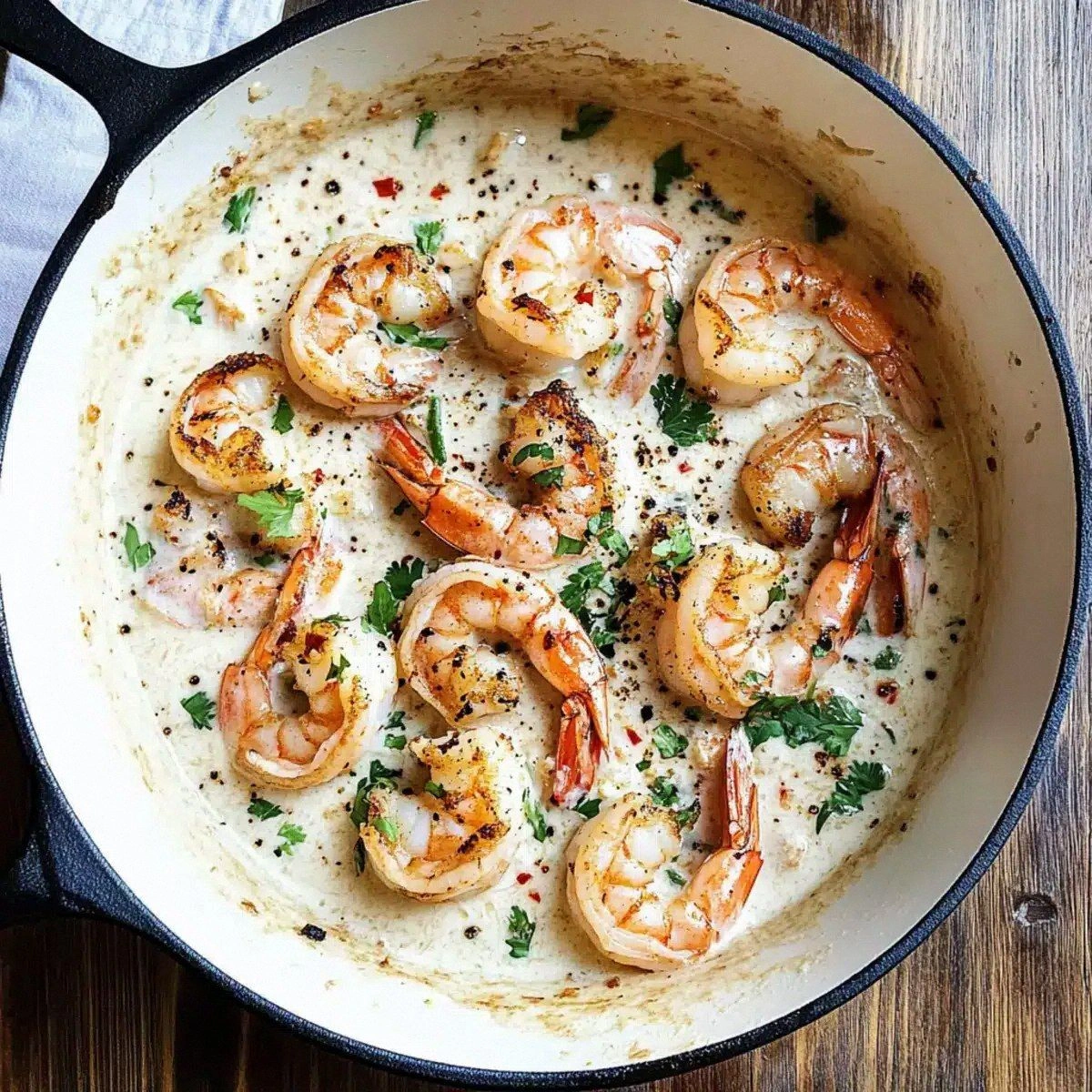
Return the seared shrimp to the skillet, nestling them into the sauce. Cook for an additional 2‑3 minutes, allowing the shrimp to absorb the coconut‑lime glaze while staying tender. Sprinkle 1 teaspoon chili flakes and a generous handful of chopped cilantro, then finish with a quick grind of freshly cracked black pepper.
That’s it — you did it. But hold on, I’ve got a few more tricks that’ll take this to another level, ensuring every bite is as unforgettable as the first.
Insider Tricks for Flawless Results
The Temperature Rule Nobody Follows
Never crank the heat to high when you add the coconut milk; a medium‑low simmer preserves the milk’s natural oils and prevents a bitter, burnt taste. I once tried a frantic high‑heat reduction and ended up with a sauce that tasted like scorched plastic. Keep the temperature steady, and you’ll get a silky texture that slides over the shrimp like silk.
Why Your Nose Knows Best
When the sauce starts to emit a sweet, nutty aroma, that’s the cue that the coconut milk has reduced enough. Trust your nose more than a timer; the scent tells you when the flavors have concentrated. If you ignore this and over‑reduce, you’ll end up with a sauce that’s too thick and loses its bright lime notes.
The 5‑Minute Rest That Changes Everything
After you finish cooking, remove the skillet from the heat and let the dish sit, covered, for exactly five minutes. This short rest allows the starches to fully gelatinize, giving the sauce that glossy finish and letting the shrimp soak up the extra flavor. Skipping this step is like serving a cake without letting it cool — the texture won’t be right.
Seasoning Layers, Not Dumping
Season at each stage: the shrimp before searing, the sauce after the coconut milk is added, and a final pinch of salt just before serving. This layered approach builds depth and prevents a flat taste. I’ve seen cooks dump all the salt at the end and end up with a bland dish; trust the process.
Cilantro Timing
Add cilantro right at the end, not during cooking. The delicate leaves wilt quickly and lose their bright flavor if exposed to heat for too long. A fresh sprinkle right before serving keeps the herb’s citrusy punch alive.
Balancing Sweet and Acid
If the sauce feels too sweet after adding honey, a splash more lime juice restores balance. Conversely, if it’s too acidic, a tiny drizzle of additional honey will smooth the edges. Taste as you go; this back‑and‑forth is the secret to a perfectly balanced sauce.
Creative Twists and Variations
This recipe is a playground. Here are some of my favorite ways to switch things up:
Thai Green Curry Remix
Swap the sweet paprika for 1 tablespoon Thai green curry paste. The curry adds a fragrant herbaceous layer that pairs beautifully with the coconut base. Serve over jasmine rice for a full‑blown Thai experience.
Spicy Mango Fusion
Add ½ cup diced ripe mango and increase the chili flakes to ½ teaspoon. The mango introduces a juicy sweetness that contrasts the heat, making each bite a surprise. This version is perfect for summer evenings.
Garlic‑Lemon Butter Shrimp
Replace the lime juice with 2 tablespoons fresh lemon juice and add an extra tablespoon of butter at the end. The lemon brightens the sauce while the butter gives a richer mouthfeel. This variation leans toward a classic French bistro style.
Vegan “Shrimp” Alternative
Use king oyster mushroom slices or plant‑based shrimp substitutes in place of the seafood. The mushrooms absorb the sauce wonderfully, mimicking the texture of shrimp while keeping the dish entirely plant‑based.
Coconut‑Lime Quinoa Bowl
Serve the shrimp and sauce over a bed of cooked quinoa mixed with a pinch of lime zest. The quinoa adds a nutty crunch and turns the dish into a wholesome one‑bowl meal that’s perfect for meal‑prep.
Storing and Bringing It Back to Life
Fridge Storage
Allow the dish to cool to room temperature, then transfer it to an airtight container. It will keep nicely for up to 3 days. When reheating, add a splash of water or extra coconut milk to revive the sauce’s silkiness.
Freezer Friendly
Portion the shrimp and sauce into freezer‑safe bags or containers, leaving a little headspace for expansion. Freeze for up to 2 months. Thaw overnight in the refrigerator, then gently reheat on the stove, stirring in a tablespoon of coconut milk to restore the glossy texture.
Best Reheating Method
Reheat over low heat in a skillet, adding 2‑3 teaspoons of water or coconut milk and stirring continuously. This gentle approach prevents the shrimp from overcooking and keeps the sauce from separating. A quick taste test will tell you if you need a dash more lime or honey to refresh the flavors.