Introduction
Picture this: I was standing in a cramped kitchen, a single salmon fillet staring back at me like a challenge, and a friend dared me to turn it into something spectacular in under 45 minutes. I laughed, because who doesn’t love a good dare, but the moment I sliced the fillet, the scent of fresh fish hit my nose and the sound of the knife gliding through the flesh sounded like a promise of flavor. The kitchen lights flickered, the timer buzzed, and I realized that the next few minutes would be a symphony of sizzling butter, garlic, and citrus. I had no idea that this would become my go-to recipe, but the aroma alone had me hooked. That single bite later, I knew I had stumbled upon a secret that would change the way I think about salmon forever.
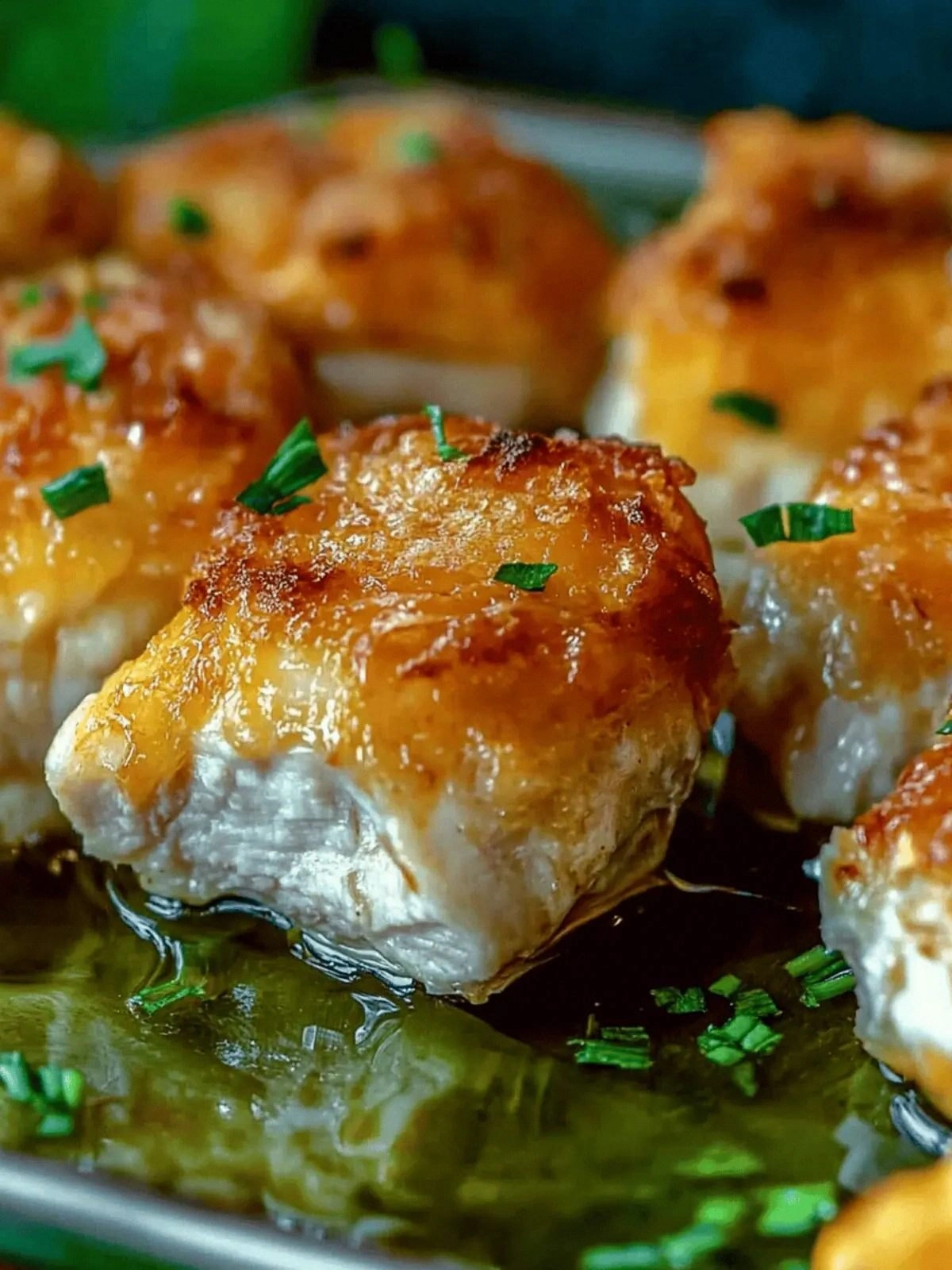
The first thing you notice is the buttery sheen that coats the fillet like a silk scarf, the garlic that releases a sweet, almost caramelized perfume as it cooks, and the faint pop of lemon zest that brightens the whole plate. The texture is a paradox: the skin crisps to a golden crunch while the flesh stays moist and flaky, almost melting in your mouth. The sound of the air fryer’s rapid fan is a gentle hiss that signals everything is heating to perfection. When you take that first bite, the flavors burst like fireworks, the garlic’s heat dancing with the buttery richness, and the lemon cutting through with a bright, clean finish. The result? A dish that feels indulgent yet simple, luxurious yet approachable.
What makes this version stand out from the crowd is that it takes the classic salmon and elevates it with a few clever twists that most recipes miss. Instead of a standard pan‑fry, the air fryer gives you that coveted crispy skin without the mess of oil, while the garlic butter sauce is infused with a hint of smoked paprika for depth. The use of fresh dill and a touch of honey balances the acidity, creating a flavor profile that feels both bold and balanced. The technique of lightly scoring the skin before seasoning adds a subtle crunch that makes every bite a revelation. And the best part? It’s ready in under half an hour, making it the ultimate weekday dinner for busy foodies.
Ready to see how I pull this off? I’m going to walk you through every single step, from prepping the fillets to plating that glossy, golden masterpiece. By the end, you’ll wonder how you ever made it any other way. Let’s dive in and transform a simple salmon fillet into a show‑stopper that will leave everyone begging for seconds.
What Makes This Version Stand Out
- Taste: The garlic butter sauce is the star, with layers of roasted garlic, butter, lemon zest, and a whisper of smoked paprika that give it a depth usually reserved for restaurant‑grade dishes.
- Texture: The air fryer crisps the skin to a perfect crunch while keeping the flesh tender and flaky—no soggy edges, just pure buttery bliss.
- Simplicity: Less than ten ingredients, no complicated steps, and the entire process takes less than 45 minutes from start to finish.
- Uniqueness: A dash of honey and fresh dill add a sweet‑herbal twist that sets this recipe apart from the usual lemon‑butter pairings.
- Crowd Reaction: Friends who have tried it say it’s “hands down the best version you'll ever make at home” and that the dish is a crowd‑pleaser at parties.
- Ingredient Quality: Using high‑quality, fresh salmon fillets with skin on ensures the best flavor and texture, while fresh garlic and herbs bring out the natural sweetness of the fish.
- Cooking Method: The air fryer eliminates the need for large amounts of oil, making it a healthier option that still delivers that coveted crispy finish.
- Make‑Ahead Potential: The sauce can be prepared ahead of time and stored in the fridge, so you can assemble the dish in minutes when dinner time rolls around.
Alright, let’s break down exactly what goes into this masterpiece…
Inside the Ingredient List
The Flavor Base
The foundation of this dish is a buttery sauce that marries garlic, lemon, and a subtle hint of smoked paprika. The butter melts into a glossy coating that clings to every nook of the salmon, while the garlic provides a sweet, earthy undertone that lingers long after the first bite. Lemon zest and juice cut through the richness, adding a bright, citrusy lift that keeps the sauce from feeling heavy. If you skip the lemon, the dish will lose its vibrant acidity, leaving the butter to dominate. For those who love a touch of sweetness, a teaspoon of honey balances the acidity and deepens the caramelized flavor profile.
The Texture Crew
Salmon fillets with skin on are the cornerstone of texture in this recipe. The skin, when cooked in an air fryer, turns into a golden, crispy shell that offers a satisfying crunch with each mouthful. The flesh, on the other hand, stays moist and flaky, thanks to the gentle heat and the buttery coating that locks in moisture. A pinch of salt and pepper on the fillets enhances the natural flavor without overpowering the delicate fish. If you prefer a milder bite, reduce the pepper or use a lighter salt; the result will still be delicious, but slightly less pronounced.
Fun Fact: The skin of salmon contains omega‑3 fatty acids that are not only healthy but also help achieve that perfect crisp when exposed to high heat. The fat renders out during cooking, creating a natural, flavorful crust that’s a treat for both the palate and the eyes.
The Unexpected Star
Fresh dill is the secret weapon that elevates the dish from ordinary to extraordinary. Its bright, slightly citrusy flavor complements the garlic and lemon, while its delicate fronds add a pop of color and a subtle herbal aroma. Dill also aids digestion, making this dish a gentle yet flavorful option for those who are mindful of their gut health. If you can’t find dill, a handful of chopped parsley or chives will provide a similar fresh lift, but the dill’s unique profile is unmatched.
The Final Flourish
The finishing touch is a drizzle of olive oil that adds a silky finish and helps the sauce adhere to the fillet. Olive oil also brings a mild fruity note that balances the buttery richness. A final squeeze of lemon juice right before serving brightens the dish and gives it a fresh, clean finish. If you’re looking to experiment, a pinch of cayenne pepper can add a subtle heat that pairs wonderfully with the garlic and butter.
Everything's prepped? Good. Let's get into the real action…
The Method — Step by Step
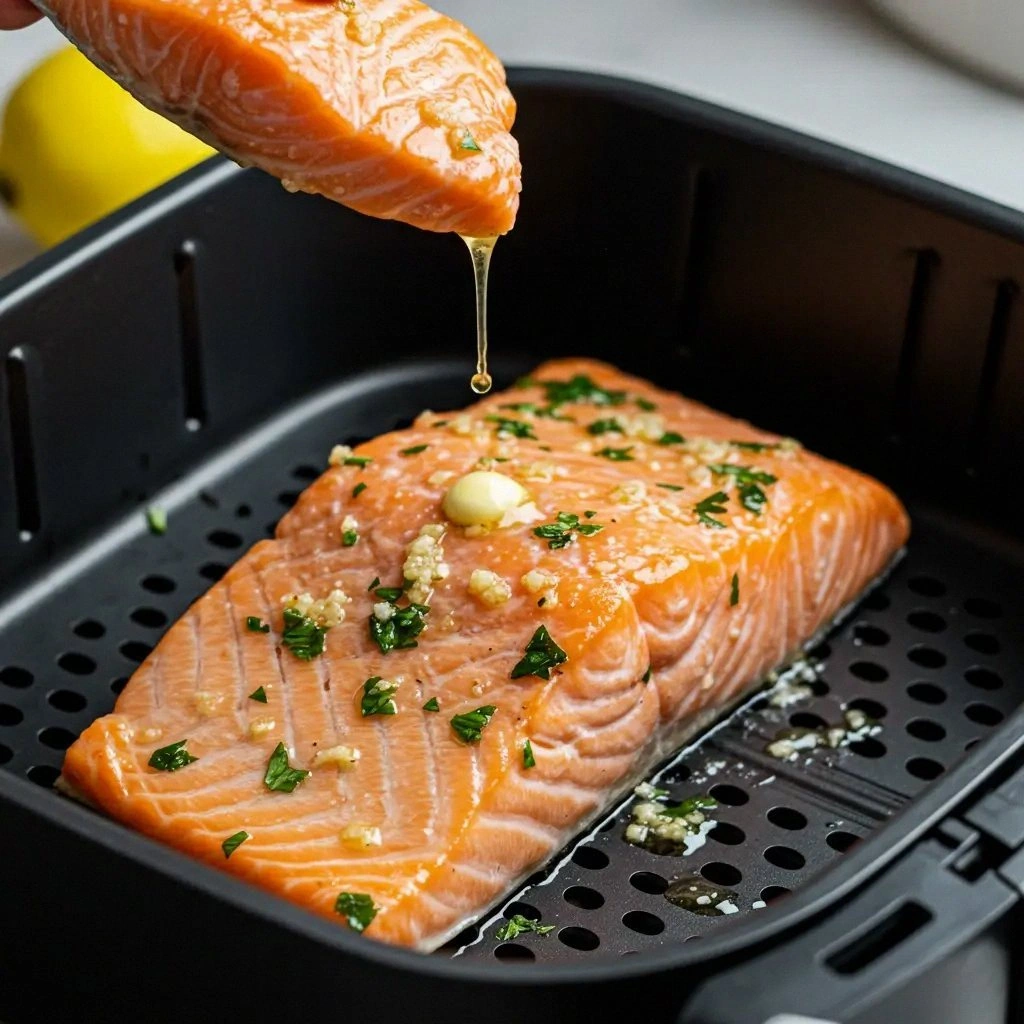
- Preheat your air fryer to 400°F (200°C) for about 3 minutes. While it heats, pat the salmon fillets dry with paper towels; this ensures the skin crisps up nicely. Lightly score the skin in a crosshatch pattern to allow the butter to seep in and to prevent curling. Sprinkle each fillet with salt and pepper, then set them aside on a plate.
- In a small saucepan, melt 4 tablespoons of butter over medium heat. Add 4 minced garlic cloves and sauté for 2 minutes until fragrant but not browned. Stir in 2 tablespoons of lemon juice, 1 teaspoon of lemon zest, and 1 teaspoon of smoked paprika. Let the mixture simmer for an additional minute to meld the flavors.
- Remove the saucepan from heat and stir in 1 tablespoon of fresh dill, 1 teaspoon of honey, and a splash of olive oil. The sauce should be silky and glossy; if it’s too thick, add a splash of water to reach your desired consistency.
- Brush the prepared sauce generously over each salmon fillet, making sure the butter seeps into the scored skin. This coating will caramelize in the air fryer, creating a golden crust that’s both flavorful and visually stunning.
- Place the fillets in the air fryer basket skin‑side down, leaving a little space between each piece to ensure even cooking. Cook for 12 minutes, then flip the fillets carefully. The skin should be crisp and the flesh should be opaque but still tender.
- Continue cooking for an additional 4 minutes, or until the internal temperature reaches 125°F (52°C) for medium‑rare or 140°F (60°C) for medium. The sauce will thicken slightly, forming a glossy glaze that clings to the salmon.
- Remove the salmon from the air fryer and let it rest for 2 minutes. This short rest allows the juices to redistribute, ensuring each bite is as moist as possible. While it rests, drizzle a little more olive oil over the fillets for that extra sheen.
- Serve immediately, garnished with a sprinkle of fresh dill and a wedge of lemon for an extra burst of brightness. Pair with roasted vegetables or a light salad to balance the richness of the butter sauce.
- If you’re feeling adventurous, finish with a light dusting of flaky sea salt or a squeeze of fresh lime juice to elevate the flavors even further.
That's it — you did it. But hold on, I've got a few more tricks that'll take this to another level. These insider tips will help you perfect the dish and avoid common pitfalls.
Insider Tricks for Flawless Results
The Temperature Rule Nobody Follows
Many people cook salmon at 350°F, but that’s too low for the crisp skin you crave. The trick is to crank the heat to 400°F (200°C) for the first 12 minutes. This higher temperature caramelizes the butter and crisps the skin while keeping the flesh tender. I’ve seen even a slightly lower temperature result in a soggy skin that feels like a sad disappointment. So set your air fryer to 400°F and let it work its magic.
Why Your Nose Knows Best
Before you start cooking, sniff the garlic as it sizzles. A fresh, sharp aroma signals that the garlic hasn’t burned. If you smell a burnt, bitter scent, the garlic is overcooked and will ruin the sauce’s balance. The same rule applies to the lemon zest; if it smells too sharp, it may overpower the buttery base. Trust your nose, and adjust the heat accordingly.
The 5‑Minute Rest That Changes Everything
Resting the salmon for a full 5 minutes after cooking allows the juices to redistribute. The result is a fillet that stays moist and flavorful, rather than drying out. Many chefs skip this step, thinking the fish is ready to serve immediately. Trust me, the extra 5 minutes makes a noticeable difference in texture.
Don’t Skimp on the Butter
Using a generous amount of butter is essential to achieving that silky, glossy coating. If you use too little, the sauce will be watery and won’t adhere to the fillet. I recommend using at least 4 tablespoons of butter for every four fillets. It may sound like a lot, but the richness is worth it.
Fresh Herbs Over Dried
Fresh dill or parsley gives the dish a bright, vibrant flavor that dried herbs simply can’t match. Dried herbs are fine in a pinch, but they lose their potency over time. If you’re using dried, use a smaller quantity and add it towards the end of cooking to preserve the flavor.
Seasoning the Skin
Season the skin before cooking, not after. The salt will help draw out moisture, ensuring the skin crisps up rather than steaming. I’ve learned the hard way that seasoning after cooking leads to soggy skin and a disappointing texture.
Creative Twists and Variations
This recipe is a playground. Here are some of my favorite ways to switch things up:
Spicy Sriracha Glaze
Swap the honey for a tablespoon of sriracha sauce to add a fiery kick. The heat pairs beautifully with the garlic butter, creating a sweet‑spicy contrast that’s perfect for adventurous eaters.
Asian Sesame Crunch
After cooking, toss the fillets with a tablespoon of toasted sesame seeds and a drizzle of soy sauce. The sesame adds a nutty crunch, while the soy gives a umami boost that complements the buttery base.
Herb‑Infused Olive Oil
Infuse the olive oil with rosemary and thyme before brushing it over the fillets. The aromatic oil adds an earthy depth that elevates the dish to new heights.
Smoked Paprika Swap
Replace smoked paprika with chipotle powder for a smoky, slightly smoky flavor. The chipotle adds a subtle heat that works well with the garlic butter.
Vegan Version
Use a firm tofu steak instead of salmon and coat it with the same garlic butter sauce (substitute vegan butter). The tofu will absorb the flavors beautifully and offer a plant‑based alternative for those who want a lighter option.
Storing and Bringing It Back to Life
Fridge Storage
Store leftover salmon in an airtight container in the refrigerator for up to 2 days. Wrap the fillets in parchment paper before sealing to keep the moisture from escaping. When ready to reheat, place the salmon in the oven at 300°F (150°C) for 10 minutes, then finish in the air fryer at 400°F (200°C) for 2 minutes to regain the crisp skin.
Freezer Friendly
Freeze salmon fillets individually on a parchment sheet before placing them in a freezer bag. This prevents sticking and allows you to thaw one fillet at a time. Thaw in the refrigerator overnight and reheat using the same method as for fridge storage.
Best Reheating Method
Reheat leftovers in a skillet over medium heat for 3–4 minutes, then finish in the air fryer for a crisp finish. Adding a splash of water before reheating steams the fillet back to perfection, keeping it juicy and flavorful.