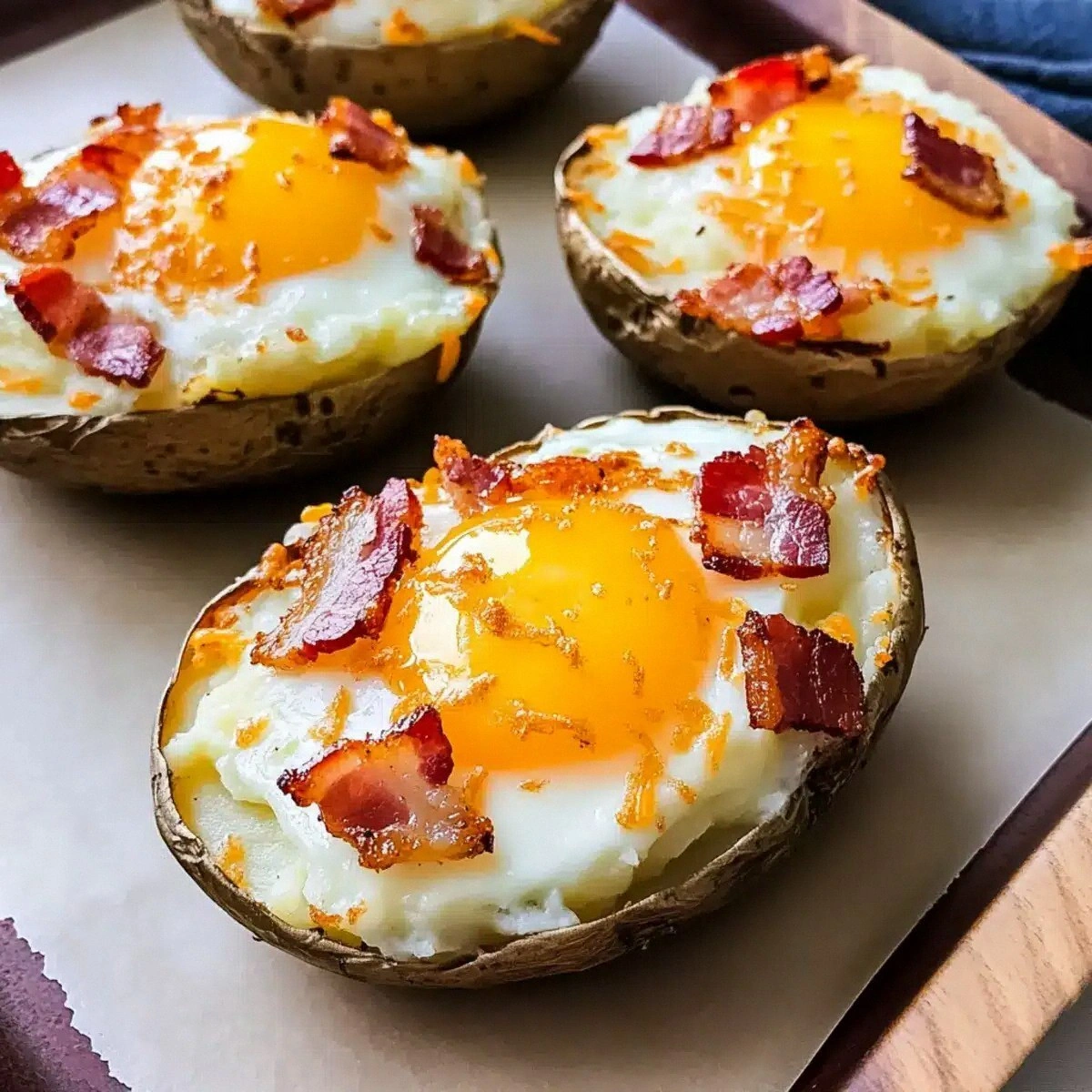
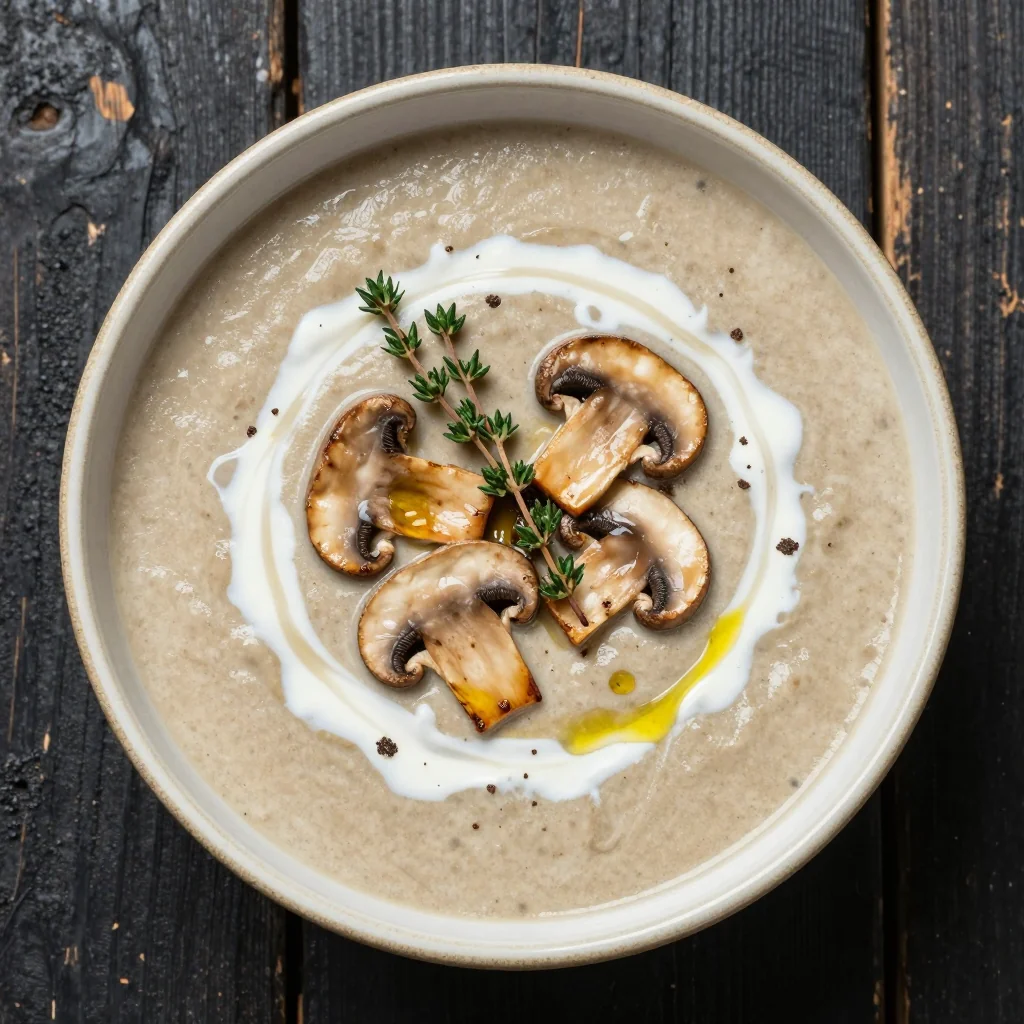
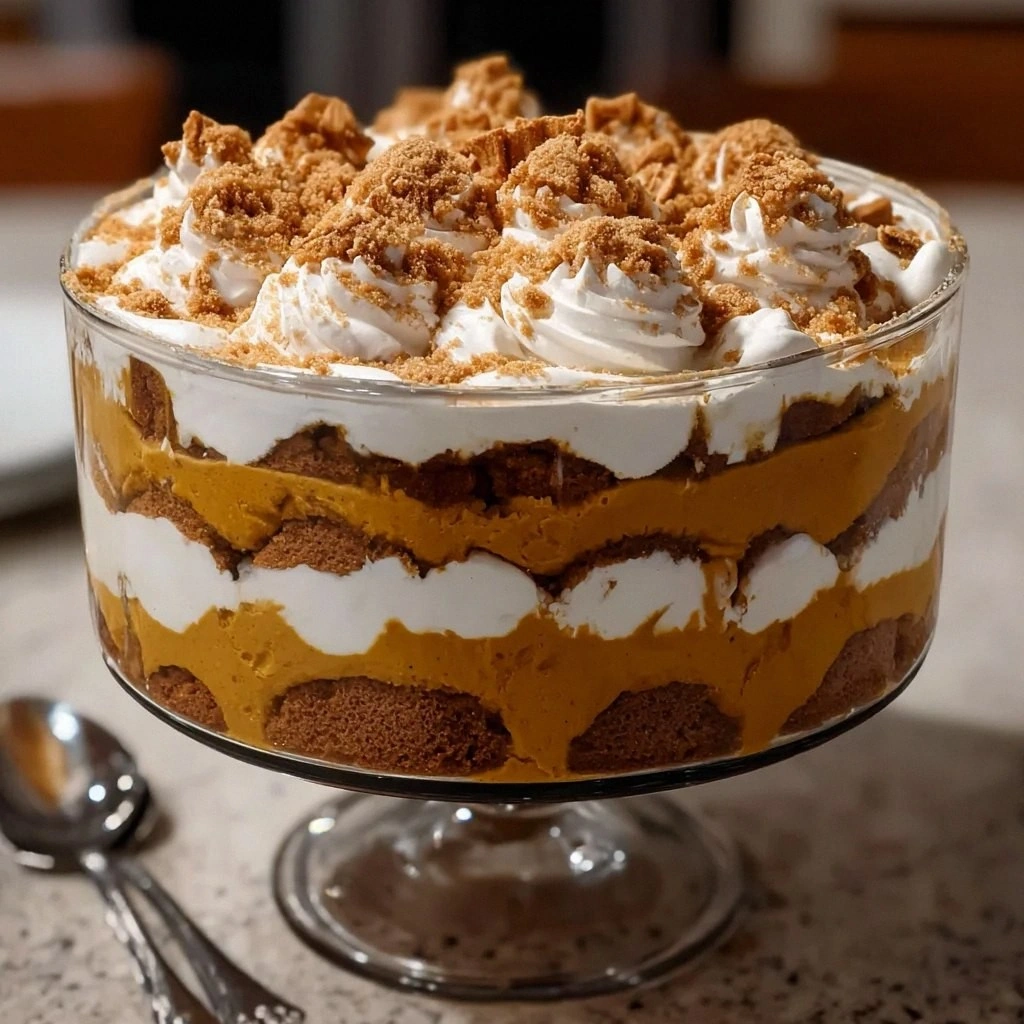
It started with a kitchen mishap that could have been a comedy of errors. I was attempting a humble bowl of mac and cheese, but the pot had a stubborn cling to it that refused to loosen. The onions, meant to add a whisper of sweetness, ended up tasting like burnt sugar. I stared at the charred mess, thinking, “What if I could turn this into something spectacular?” That moment sparked the birth of Decadent French Onion Soup Mac, a dish that marries the comforting familiarity of mac and cheese with the aromatic depth of French onion soup.
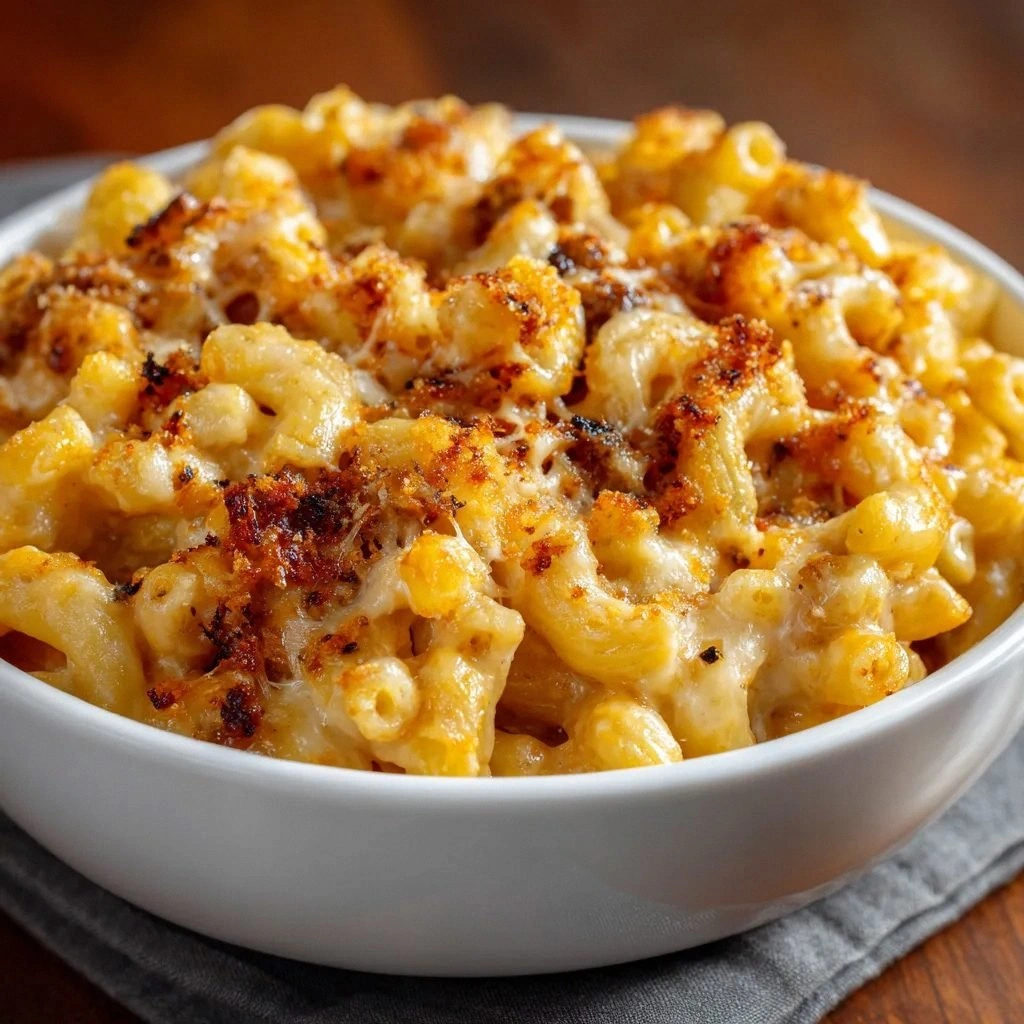
Picture this: the kitchen lights dim, the air thick with the scent of caramelized onions, a gentle hiss from the pan, and the sound of butter bubbling like a tiny orchestra. My eyes catch the glossy sheen of onions, their edges turning amber, while the steam rises in soft ribbons. The first bite delivers a burst of sweet, savory onion, followed by the creamy, nutty Gruyère that coats the pasta like velvet. The mozzarella adds that irresistible gooey stretch, and the crispy fried onions crown the dish, offering a crunch that shatters like thin ice. I dare you to taste this and not go back for seconds.
What sets this version apart is the intentional layering of flavors and textures, each component playing a distinct role. The beef broth grounds the dish with a savory depth that most mac and cheese recipes lack. The slow caramelization of onions ensures sweetness without overpowering. A roux of butter and flour creates a silky sauce that clings to the pasta. Gruyère’s nutty profile elevates the dish from ordinary to extraordinary. The mozzarella’s stretch is the comfort element that brings family vibes. Finally, the crispy fried onions add a playful crunch that breaks the creamy monotony. This is hands down the best version you'll ever make at home.
If you’ve ever struggled with a soggy mac, you’re not alone—I've been there, and I've got the fix. The secret lies in the caramelization: let the onions cook low and slow, and the sugars will release their full potential. The broth isn’t just a liquid; it’s a flavor carrier that enriches every strand of pasta. The heavy cream isn’t just for richness; it balances the saltiness of the cheeses. The final sprinkle of fried onions isn’t decorative; it’s a textural finale that makes each bite memorable. Picture yourself pulling this out of the oven, the whole kitchen smelling incredible, and knowing you’ve created something that will be talked about at every dinner table.
Let me walk you through every single step—by the end, you'll wonder how you ever made it any other way. I’ll share micro-challenges, bold claims, and real kitchen moments. I’ll keep you on your toes with power transitions that keep the excitement alive. And if you’re ready, the game‑changer is just a few sentences away.
What Makes This Version Stand Out
- Flavor Depth: The beef broth base introduces a savory undertone that elevates the dish beyond standard mac and cheese.
- Texture Play: The crispy fried onions add a crunchy counterpoint to the silky sauce and gooey cheese.
- Ingredient Quality: Using high‑grade Gruyère and fresh mozzarella ensures a melt that’s both flavorful and smooth.
- Caramelization Mastery: Slow‑cooked onions develop a natural sweetness that balances the richness.
- Make‑ahead Friendly: The dish can be assembled ahead and baked just before serving, saving you time.
- Versatility: It works as a main course or a hearty side, making it a crowd‑pleaser at any gathering.
- Visual Appeal: The golden crust of fried onions and the creamy sauce make for Instagram‑worthy plating.
- Comfort Factor: The combination of warm broth, melty cheese, and pasta delivers pure comfort food bliss.
Alright, let’s break down exactly what goes into this masterpiece…
Inside the Ingredient List
The Flavor Base
Beef broth is the backbone of this dish, providing a savory canvas that carries the caramelized onion notes throughout the sauce. If you prefer a vegetarian version, swap it for a hearty vegetable broth; the flavor profile remains robust. A good broth should be low in sodium to give you flexibility in seasoning later. Skipping the broth would leave the sauce thin and watery, which defeats the purpose of a thick, comforting bowl.
The Texture Crew
Elbow macaroni is chosen for its shape, which holds onto the sauce like a sponge, delivering a satisfying bite. The pasta should be cooked al dente before adding to the sauce, preventing it from becoming mushy. If you use a different shape, such as shells or penne, the sauce may cling differently, altering the mouthfeel. For a gluten‑free option, use a certified gluten‑free elbow macaroni; the texture will remain similar.
The Unexpected Star
Gruyère cheese is the unexpected star, offering a nutty, slightly sweet flavor that pairs beautifully with onions. The cheese’s melting properties create a silky, cohesive sauce. If you’re in a pinch, Swiss or Emmental can substitute, though the flavor will shift slightly. Using pre‑shredded cheese can save time but may affect melting quality due to added preservatives.
The Final Flourish
Crispy fried onions add the final flourish, delivering a crunch that contrasts the creamy interior. They also add a subtle caramelized onion flavor that enhances the overall profile. If you’re avoiding processed toppings, homemade fried onions made from thinly sliced onions fried until golden are a healthier alternative. Remember, the crunch should be present in every bite; otherwise, the dish feels flat.
Everything’s prepped? Good. Let’s get into the real action…
The Method — Step by Step
- Heat a large, heavy‑bottomed skillet over medium heat. Add two tablespoons of butter and let it melt until it starts to foam. Once foaming, introduce the thinly sliced onions. Stir them gently, ensuring they’re coated evenly, and let them cook slowly. The goal is a deep amber color and a sweet aroma; this will take about 25 minutes. This is the moment of truth—watch the onions transform from translucent to caramelized.
- After the onions are beautifully caramelized, sprinkle in one tablespoon of all‑purpose flour. Stir continuously for about two minutes to cook out the raw flour taste. The mixture should develop a light golden hue. This roux thickens the sauce and creates a silky base for the broth. If you’re watching the timer, this step is quick but crucial.
- Gradually pour in three cups of beef broth, whisking constantly to prevent lumps. The sauce should start to thicken immediately. Let it simmer for five minutes, allowing the broth to reduce slightly. This reduction concentrates the flavor, turning the sauce into a velvety broth. Keep an eye on the consistency; it should coat the back of a spoon.
- Add one cup of heavy cream and stir until fully incorporated. The cream brings richness and balances the saltiness of the cheeses. Reduce the heat to low and let the mixture bubble gently for another three minutes. The sauce should be glossy and thick enough to cling to the pasta.
- Stir in one cup of shredded Gruyère cheese, followed by one cup of shredded mozzarella. The cheeses should melt into a smooth, cohesive sauce. If the mixture looks too thick, add a splash of broth or cream to loosen it. The cheese melt is what makes this dish feel indulgent.
- Meanwhile, cook one cup of elbow macaroni in a separate pot of salted boiling water until it’s just al dente. Drain and set aside. The pasta should be firm to the bite; otherwise, it will become mushy when combined with the sauce.
- Fold the cooked macaroni into the cheese sauce, ensuring every noodle is coated. Mix gently to prevent the pasta from breaking. Let the mixture simmer for a minute to allow the flavors to meld. The pasta should feel warm and enveloped in the sauce.
- Transfer the mac and cheese mixture into a 9x13 baking dish. Sprinkle one cup of crispy fried onions over the top. The onions should be evenly distributed to provide consistent crunch in each bite. Bake at 375°F (190°C) for 10–12 minutes, or until the top is golden and bubbly. The final bake adds a delightful crispness to the dish.
- Remove from the oven and let it rest for five minutes before serving. This rest period allows the sauce to set, making it easier to scoop and ensuring the flavors are fully integrated. Plate it hot, and you’ll be greeted by an irresistible aroma that will have guests lining up for seconds.
That's it — you did it. But hold on, I've got a few more tricks that'll take this to another level...
Insider Tricks for Flawless Results
The Temperature Rule Nobody Follows
Many cooks think that a quick stir will suffice, but the key lies in maintaining a low, steady heat when caramelizing onions. This slow process allows the natural sugars to develop fully, creating a depth that’s impossible to replicate with high heat. If you rush, you’ll end up with a bitter, unevenly cooked dish. I’ve seen people skip this step and end up with onions that taste like burnt toast.
Why Your Nose Knows Best
Before you add the broth, pause and sniff the caramelized onions. A rich, sweet aroma signals that the onions are ready. If they still smell raw, give them a few more minutes. Your nose is a reliable indicator of readiness, and it saves you from a ruined sauce.
The 5‑Minute Rest That Changes Everything
After baking, let the dish rest for exactly five minutes. This rest period allows the cheese sauce to set, preventing it from sliding off when scooped. It also lets the flavors meld together, creating a cohesive bite. Skipping this step can leave the dish feeling disjointed.
Layering for Crunch
If you like extra crunch, reserve a handful of fried onions and sprinkle them on top after baking. This ensures that the crunch remains intact and doesn’t get soggy from the sauce. It’s a simple tweak that elevates the overall texture profile.
The Secret to a Golden Top
Sprinkle a little extra shredded cheese on top before baking. This creates a golden, bubbly crust that’s visually appealing and adds an extra layer of flavor. The cheese also helps trap heat, ensuring the top stays crisp while the interior stays creamy.
Creative Twists and Variations
This recipe is a playground. Here are some of my favorite ways to switch things up:
Smoky Chipotle Mac
Add a tablespoon of chipotle in adobo sauce to the sauce for a smoky kick. This pairs nicely with the sweet onions and adds a subtle heat that’s not overpowering. It’s perfect for those who like a bit of spice in their comfort food.
Herb‑Infused Delight
Stir in a handful of fresh thyme or rosemary before adding the broth. The herbs bring a fragrant, earthy note that complements the onions. This variation works well for a spring or summer dinner.
Cheesy Cauliflower Crust
Top the dish with a layer of shredded cauliflower, a pinch of Parmesan, and bake until golden. This adds a low‑carb twist while maintaining the cheesy, comforting essence of the dish.
Vegan Version
Use a plant‑based broth, coconut milk instead of heavy cream, and vegan cheese blends. The result is a creamy, flavorful bowl that satisfies without dairy. The texture remains silky, and the onions still provide that caramelized sweetness.
Breakfast Bounty
Serve the mac hot with a side of scrambled eggs or a poached egg on top. The runny yolk adds a luxurious richness that turns the dish into a hearty breakfast. It’s a great way to start the day with a comforting, protein‑rich meal.
Storing and Bringing It Back to Life
Fridge Storage
Cool the dish to room temperature, then cover tightly with plastic wrap or foil. Store in the refrigerator for up to three days. When reheating, add a splash of milk or broth to revive the sauce’s creaminess before microwaving or warming on the stovetop.
Freezer Friendly
Place the dish in an airtight freezer container or heavy‑duty freezer bag. It will keep well for up to two months. Thaw overnight in the refrigerator, then reheat on the stovetop, adding a little broth to loosen the sauce.
Best Reheating Method
The best method is to reheat on the stovetop over low heat, stirring occasionally. Add a tiny splash of water or broth to help steam the sauce back to its original silky texture. Avoid microwaving, as it can cause the cheese to separate and the onions to become mushy.