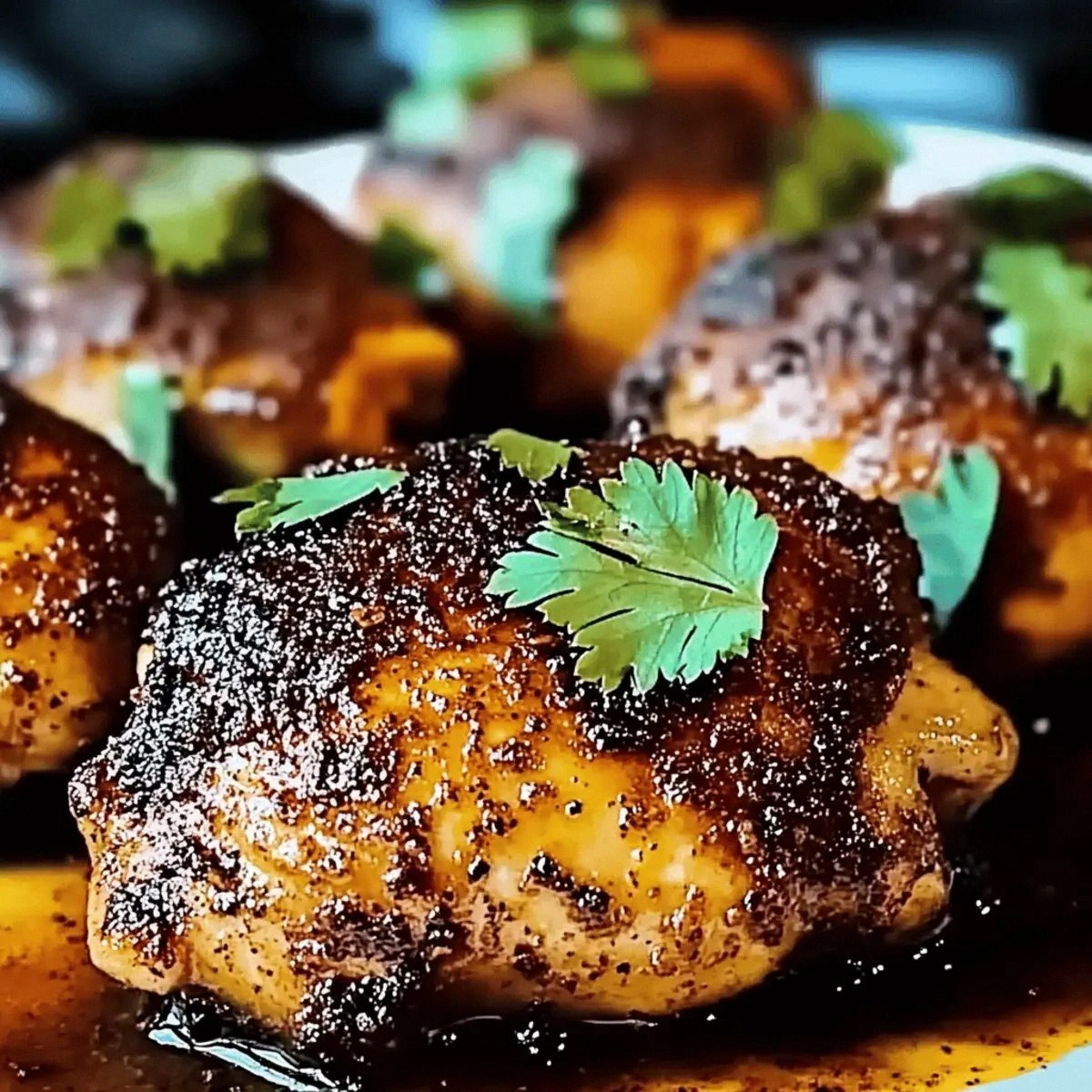
I was standing in my kitchen on a rainy Tuesday, staring at a half‑crushed pumpkin and a tub of buttermilk that had been waiting for a purpose since the last Thanksgiving. I’d tried three different pumpkin pound cake recipes that week, and each one turned out either dry as a desert or soggy enough to drown a small boat. I swear, I even considered tossing the whole thing into a bread maker just to see if technology could rescue my dignity. That’s when I dared myself to combine the tang of buttermilk with the sweet earthiness of pumpkin, and I added a secret‑weapon: a splash of heavy cream that turns the crumb into something you could actually carve a tiny sculpture out of.
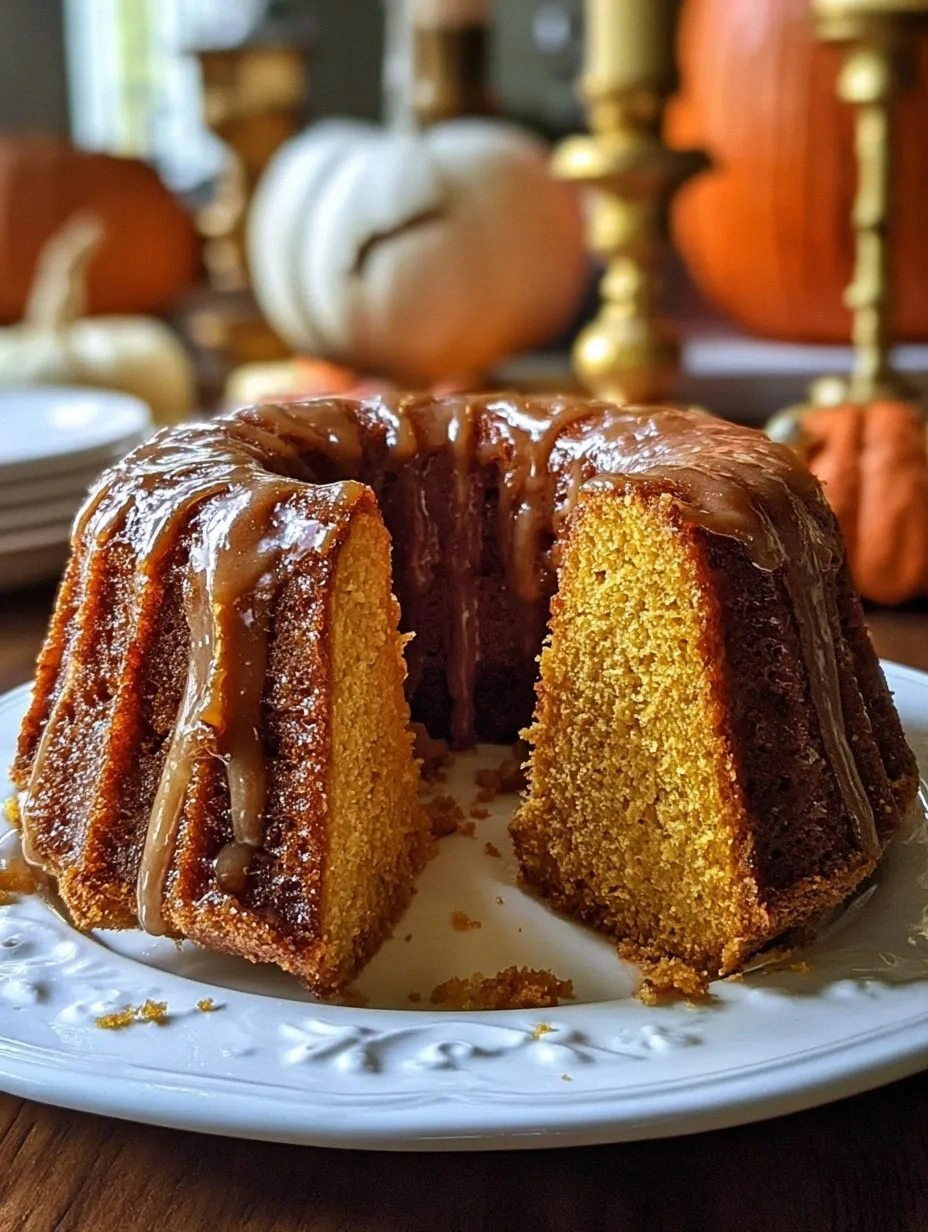
Picture this: the oven door opens and a warm, caramel‑spiced cloud rolls out, hugging the countertop like a cozy blanket. The top of the cake has that golden‑brown crust that cracks just enough to whisper “I’m done” without shouting. When you slice into it, the interior reveals a buttery, moist matrix speckled with flecks of cinnamon and a faint, creamy tang that makes your taste buds do a little happy dance. The aroma alone is a full‑on sensory overload—sweet pumpkin, buttery richness, a hint of vanilla, and that subtle sour note from the buttermilk that cuts through the sweetness like a perfectly timed drum solo.
Most pumpkin pound cake recipes get the balance wrong, either drowning the pumpkin in sugar or forgetting the fat that makes a pound cake “pound” in the first place. This version, however, hits the sweet spot with a precise ratio of flour to butter and a buttermilk‑pumpkin duet that keeps the crumb tender for days. I’m not exaggerating when I say this is hands down the best version you’ll ever make at home—if you’ve ever struggled with a dry crumb, you’re not alone, and I’ve got the fix.
And now for the kicker: I’m going to throw in a splash of orange zest that adds a citrusy brightness you never expected, plus a quick‑bake technique that creates those crisp edges that shatter like thin ice when you cut a slice. I dare you to taste this and not go back for seconds. Let me walk you through every single step — by the end, you’ll wonder how you ever made it any other way.
What Makes This Version Stand Out
- Flavor Harmony: The buttermilk adds a subtle tang that balances the pumpkin’s natural sweetness, while the spice blend delivers a warm, comforting depth that feels like a hug in every bite.
- Moisture Mastery: A combination of pumpkin puree, buttermilk, and a touch of melted butter creates a crumb that stays soft for up to a week, no reheating required.
- Texture Triumph: The batter is thick enough to hold its shape, yet airy enough to rise just enough for a tender, melt‑in‑your‑mouth texture.
- Simplicity: Only ten core ingredients, all pantry‑friendly, with no need for exotic gadgets or hard‑to‑find spices.
- Crowd‑Pleaser: Even the most skeptical eaters confess to a second slice, and kids love the faint orange hue that looks like a festive treat.
- Make‑Ahead Magic: This cake freezes beautifully; just thaw and warm for a dessert that feels freshly baked.
- Ingredient Quality: Using real pumpkin puree (not the canned kind) and cultured buttermilk elevates the flavor profile dramatically.
- Cooking Method: A low‑and‑slow bake followed by a brief high‑heat finish gives you a golden crust without over‑drying the interior.
Inside the Ingredient List
The Flavor Base
Pumpkin puree is the heart of this cake. It brings natural sweetness, moisture, and that unmistakable orange color that says “autumn” without the need for food coloring. If you skip it, you’ll lose the earthy undertone and the cake will feel like a plain butter pound cake. For the best flavor, roast a small sugar pumpkin, scoop out the flesh, and puree it in a food processor until silky.
Buttermilk is the secret weapon that cuts through the sugar and adds a gentle acidity, which tenderizes the gluten in the flour. This is why the crumb stays soft even after a few days. If you don’t have buttermilk, whisk 1 cup of milk with 1 tablespoon of lemon juice and let it sit for five minutes—voilà, a near‑identical substitute.
The Texture Crew
All‑purpose flour provides structure, while the combination of melted butter and softened butter creates a layered fat system. The melted butter coats the flour particles, preventing too much gluten development, and the softened butter adds richness. Skipping the melted butter will result in a denser cake that lacks that melt‑in‑your‑mouth feel.
Eggs act as emulsifiers, binding the fat and liquid together while also adding lift. Using room‑temperature eggs ensures they incorporate smoothly without curdling. If you’re allergic, a blend of ¼ cup unsweetened applesauce plus ¼ cup yogurt can mimic the moisture and binding properties.
The Unexpected Star
A dash of orange zest might seem out of place, but it adds a bright citrus note that lifts the heavy spices and makes the flavor profile pop. The zest’s essential oils are volatile, so add it at the very end of the wet‑ingredients mix to preserve its aroma. If you’re not a fan of citrus, a teaspoon of maple syrup can provide a similar depth without the zing.
The Final Flourish
Spices—cinnamon, nutmeg, ginger, and cloves—create the classic pumpkin pie flavor that everyone expects. Each spice contributes its own nuance: cinnamon offers warmth, nutmeg adds a sweet‑spicy edge, ginger brings a peppery bite, and cloves deliver a lingering aroma. Toasting the spices for a minute in a dry pan before adding them intensifies their fragrance.
Everything's prepped? Good. Let's get into the real action...
The Method — Step by Step
Preheat your oven to 325°F (165°C) and grease a 9×5‑inch loaf pan with butter, then dust it lightly with flour. This low‑and‑slow temperature is the secret to a moist interior; the gentle heat allows the batter to set gradually without forming a tough crust too early. When the pan is ready, set it aside and let the oven finish heating—patience here is key.
In a medium bowl, whisk together the flour, baking powder, baking soda, salt, and all the spices. The whisk does more than just combine; it aerates the dry mix, ensuring those spices are evenly distributed. Feel the powdery texture under your fingers—if any clumps remain, give it another quick whisk.
In a large mixing bowl, cream the softened butter and both sugars until the mixture is pale and fluffy, about three minutes on medium speed. This step is the foundation of the cake’s tender crumb; the air you incorporate now will expand in the oven, giving the cake its lift. I dare you to stop after one minute—trust me, the texture will suffer.
Gradually add the eggs, one at a time, beating well after each addition. The batter should look glossy and slightly thickened. Adding eggs slowly prevents the mixture from curdling, which would create a grainy texture. Once the last egg is incorporated, stir in the vanilla extract and orange zest.
Now comes the liquid duo: pour in the buttermilk and pumpkin puree, alternating with the melted butter. Start with a third of the buttermilk, mix, then add a third of the pumpkin, and continue until everything is smooth. The batter should be thick but pourable; if it feels too stiff, add a splash more buttermilk.
Scrape the batter into the prepared loaf pan, smoothing the top with the spatula. Tap the pan gently on the counter three times to release any large air bubbles—this ensures an even crumb and prevents large holes.
Place the pan in the oven and bake for 45‑50 minutes, or until a toothpick inserted into the center comes out clean with just a few moist crumbs. Around the 30‑minute mark, rotate the pan 180° for even browning. The edges will start pulling away from the sides of the pan—that’s your cue that the crust is forming.
When the cake is done, turn off the oven, crack the door open just a crack, and let the cake sit for 10 minutes. This gentle residual heat finishes the bake without over‑drying. Afterward, remove the cake from the pan and place it on a wire rack to cool completely. The cooling phase lets the crumb set, making slicing effortless.
That's it — you did it. But hold on, I've got a few more tricks that'll take this to another level...
Insider Tricks for Flawless Results
The Temperature Rule Nobody Follows
Never bake a pound cake at a scorching 375°F unless you love a dry crumb. The low 325°F oven lets the batter rise slowly, giving the gluten less time to tighten. If you’re in a rush, you can increase the temperature to 350°F but add an extra five minutes of baking time and cover the top with foil halfway through.
Why Your Nose Knows Best
When the cake reaches the perfect doneness, you’ll notice a faint toasty scent wafting from the oven—a sweet, buttery aroma with a hint of caramel. If you smell a burnt sugar note before the timer, pull the cake out; it’s a sign the crust is overcooking. Trust your nose more than the clock.
The 5‑Minute Rest That Changes Everything
After the cake has cooled on the rack, let it rest for five minutes before slicing. This short pause allows the moisture to redistribute, ensuring each slice is uniformly moist. Skipping this step leads to a crumb that feels dry near the edges.
The Butter‑Brush Finish
For an extra glossy top, brush the warm cake with a mixture of melted butter and a teaspoon of maple syrup right after it comes out of the oven. The sugars in the syrup caramelize slightly, giving the crust a subtle shine and a whisper of additional flavor.
The Secret of the Double‑Egg Technique
Separate the eggs, whisk the whites to soft peaks, and fold them into the batter at the very end. This adds lift without making the cake airy like a sponge. A friend tried skipping the egg whites once—let's just say the cake turned out dense enough to be a doorstop.
Creative Twists and Variations
This recipe is a playground. Here are some of my favorite ways to switch things up:
Maple‑Pecan Crunch
Stir in ½ cup toasted pecans and a drizzle of pure maple syrup into the batter. The nuts add a satisfying crunch, while the maple deepens the caramel notes, making the cake perfect for a fall brunch.
Chocolate Swirl Delight
Melt ¼ cup dark chocolate and swirl it through the batter just before baking. The chocolate ribbons create a visual contrast and a rich flavor pairing that will impress any chocolate lover.
Citrus‑Ginger Zing
Add 1 tablespoon freshly grated ginger and replace the orange zest with lemon zest. This brightens the flavor profile, turning the cake into a lively dessert that pairs beautifully with a dollop of whipped cream.
Spiced Apple Fusion
Replace half of the pumpkin puree with unsweetened applesauce and increase the cinnamon by an extra teaspoon. The apple adds a subtle tartness that balances the pumpkin’s sweetness, creating a dual‑fruit experience.
Vegan Velvet
Swap the butter for coconut oil, use flax‑egg replacer (1 tbsp ground flaxseed + 3 tbsp water per egg), and replace buttermilk with soy or almond milk mixed with 1 tablespoon lemon juice. The result is a dairy‑free cake that still boasts that buttery crumb.
Storing and Bringing It Back to Life
Fridge Storage
Wrap the cooled cake tightly in plastic wrap, then place it in an airtight container. It will stay fresh for up to five days. For an extra moisture boost, place a slice of apple on top of the wrap before sealing.
Freezer Friendly
Slice the cake, wrap each piece in parchment paper, then foil, and store in a zip‑top freezer bag. It can be frozen for up to three months. When you’re ready to serve, let a slice thaw at room temperature and then give it a quick 2‑minute warm‑up in the microwave.
Best Reheating Method
Preheat your oven to 300°F (150°C), place a slice on a baking sheet, and add a tiny splash of water (about a teaspoon) to the underside of the slice. Cover loosely with foil and heat for 8‑10 minutes. The steam revives the crumb, making it taste as fresh as the day it left the oven.