I was standing in my kitchen, staring at a pile of half‑cooked pasta and a can of beans that had seen better days. My friends had sent me a frantic text: “I need a comfort dish that’s quick, hearty, and will make the whole house smell like heaven.” I grabbed a pan, poured olive oil, and started to sauté. The sizzling sound was the first promise of what was to come.
That night, the air in my apartment was thick with the aroma of cumin, smoked paprika, and the subtle sweetness of fire‑roasted tomatoes. My taste buds tingled as the onions caramelized, releasing a caramelized sweetness that clung to the pan like a velvet blanket. I could almost hear the crunch of a fresh crunch of bell pepper, the gentle pop of garlic, and the satisfying hiss of broth boiling to a gentle simmer. The kitchen became a stage where every ingredient had a role, and I was the conductor.
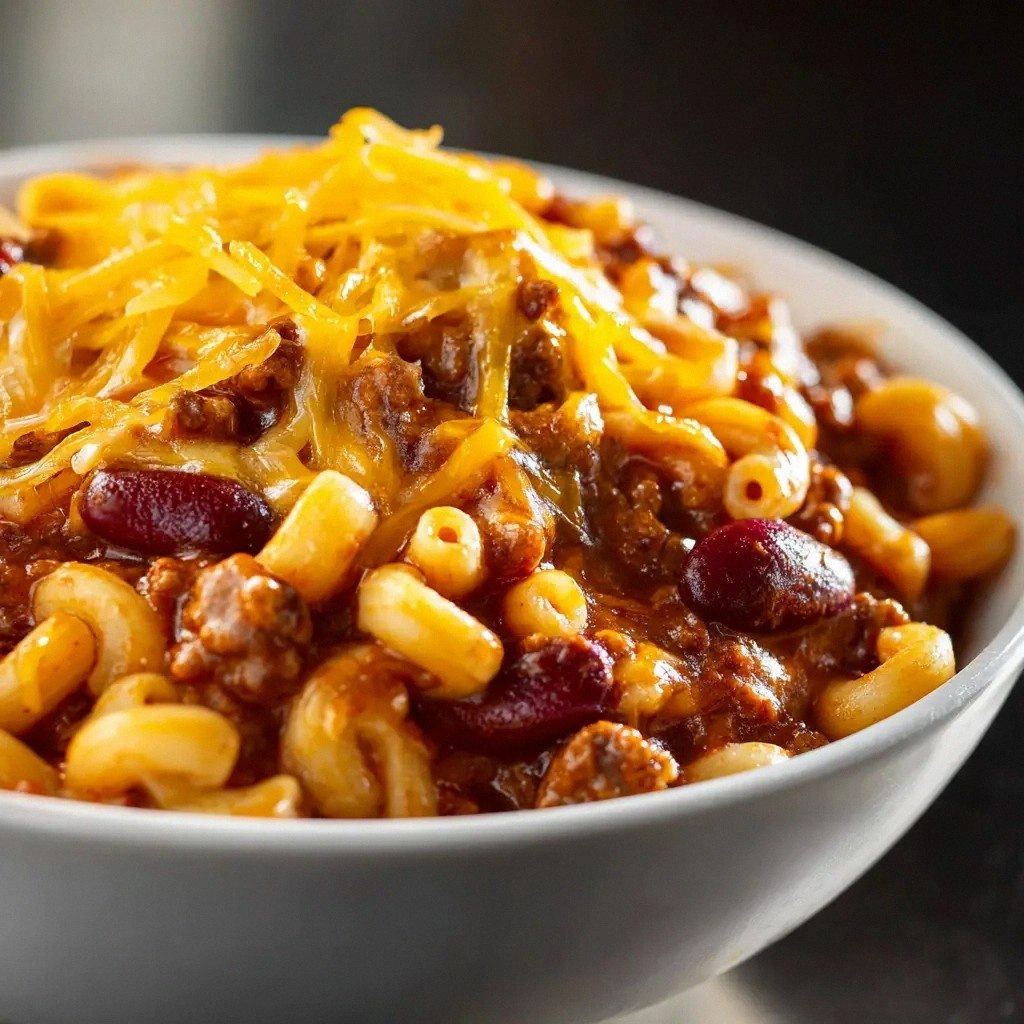
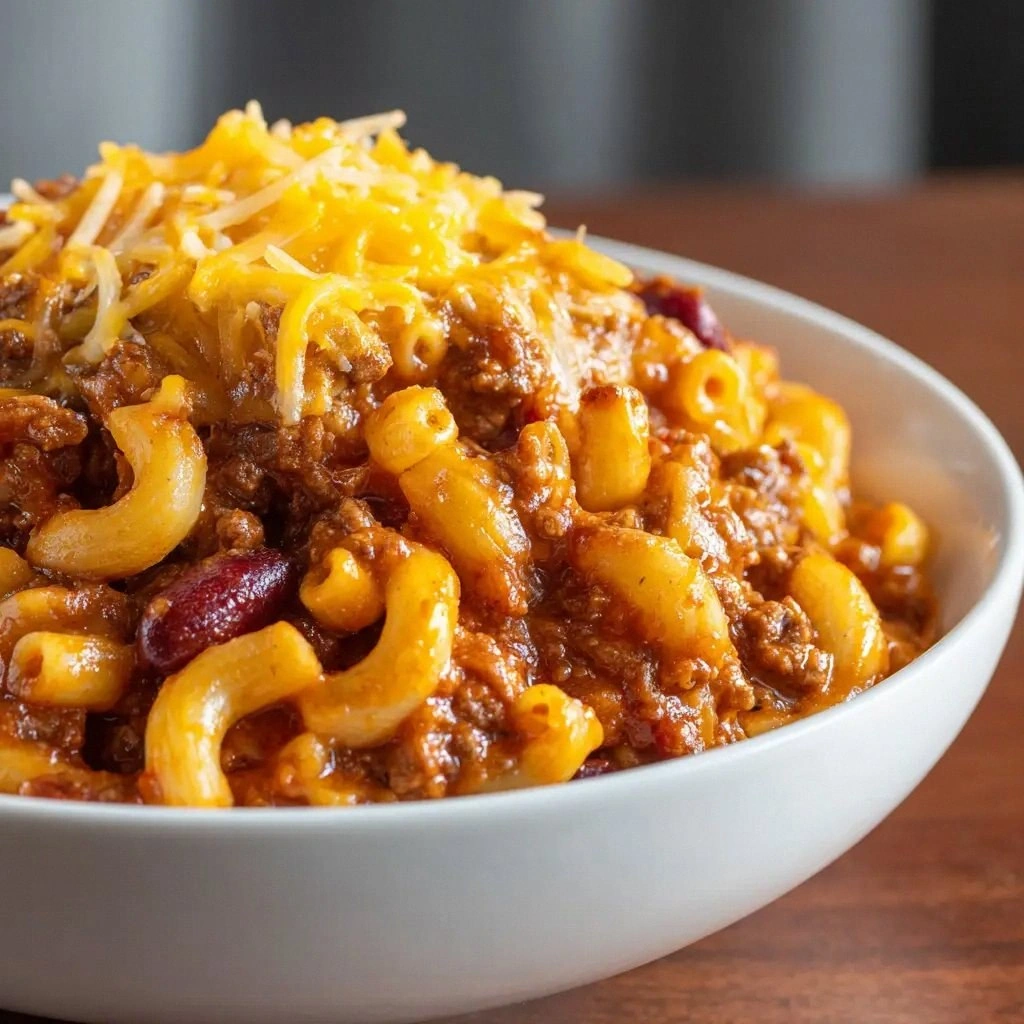
I was on a mission: to craft a one‑pot chili mac that was more than just a meal—it had to be an experience. I wanted the chili to punch with depth, the mac to be tender yet firm, and the cheese to melt into a silky, creamy coating that clung to every noodle. Most recipes I've tried either over‑cooked the pasta or let the chili become thin and watery. This version tackles those pitfalls head‑on, delivering a dish that is thick, flavorful, and comforting all at once.
What makes this version stand out is a secret technique: I finish the dish by folding in a splash of heavy cream and a generous handful of sharp cheddar, which creates a glossy, velvety sauce that clings to the noodles. I also let the chili simmer for just enough time to develop a deep umami flavor without losing the bright notes of the tomatoes. The result? A dish that feels like a hug in a bowl, and I dare you to taste this and not go back for seconds.
What Makes This Version Stand Out
- Flavor Depth: The combination of smoked paprika, cumin, and fire‑roasted tomatoes creates a layered taste that lingers on the palate. It’s not just spicy; it’s complex.
- Texture Play: The elbow macaroni stays al dente, offering a satisfying bite beneath the creamy, cheesy sauce. The sauce coats the pasta like velvet.
- One‑Pot Simplicity: No extra bowls, no extra cleanup—just a single pot, one stove, and one pan that does it all.
- Crowd‑Pleaser: Whether you’re feeding a family or a group of friends, the bold flavors and hearty texture keep everyone satisfied.
- Ingredient Quality: Using lean ground beef and fresh veggies keeps the dish wholesome without compromising on taste.
- Make‑Ahead Friendly: The chili thickens as it cools, making it perfect for meal prep or leftovers.
- Heat Control: The chili powder is balanced with a touch of smoked paprika, giving you a heat level that can be adjusted to your preference.
- Cheese Fusion: The blend of sharp cheddar and Monterey Jack offers a creamy, slightly tangy finish that elevates the dish.
Alright, let's break down exactly what goes into this masterpiece…
Inside the Ingredient List
The Flavor Base
Olive oil is the first thing you melt, creating a fragrant foundation. Lean ground beef adds protein and a rich, meaty depth; it’s the backbone of the chili. The yellow onion and green bell pepper bring sweetness and crunch, while the garlic provides a fragrant punch that lingers. Tomato paste and fire‑roasted diced tomatoes form the bulk of the sauce, giving it a deep, smoky flavor that’s both comforting and robust. If you skip any of these, the dish will feel flat and under‑developed.
The Spice Crew
Chili powder, cumin, smoked paprika, and dried oregano work together like a well‑coordinated choir. Chili powder gives that classic kick, but the cumin adds an earthy undertone that keeps the heat from becoming too harsh. Smoked paprika introduces a subtle smokiness that mimics the char of a grill, while oregano adds a herbal brightness that cuts through the richness. Swapping in fresh spices instead of dried can brighten the flavor, but the dried versions are more convenient for a quick meal.
The Texture Crew
Beef broth is the liquid that binds everything together, creating a velvety consistency that coats the noodles. Elbow macaroni is chosen for its shape and ability to absorb the sauce without becoming mushy. Heavy cream adds a silky richness that balances the acidity of the tomatoes, while the cheeses melt into a luscious coating that clings to each noodle. If you prefer a dairy‑free version, try coconut milk and nutritional yeast for a similar creamy texture.
The Unexpected Star
The fire‑roasted diced tomatoes are the secret to that deep, smoky flavor. Their charred edges add a subtle bitterness that balances the sweetness of the onions and the richness of the beef. If you can’t find fire‑roasted tomatoes, a can of diced tomatoes with a pinch of smoked salt works as a decent substitute. This ingredient is the difference between an average chili and a memorable one.
Everything's prepped? Good. Let's get into the real action…
The Method — Step by Step
- Heat the olive oil in a large, heavy‑bottomed pot over medium heat. Add the ground beef, breaking it apart with a wooden spoon. Cook until the beef is browned and crumbly, about 5–6 minutes. This step builds the savory foundation and releases the beef’s natural juices.
- Introduce the diced onion and green bell pepper to the pan. Sauté until the vegetables soften and the onion turns translucent, about 4 minutes. The onion’s natural sugars caramelize, creating a sweet undertone that balances the chili’s heat.
- Stir in the minced garlic and cook for 30 seconds until fragrant. Be careful not to burn it—garlic burns fast and turns bitter. This quick burst of aroma is the first hint of the dish’s depth.
- Add the tomato paste, chili powder, cumin, smoked paprika, oregano, salt, and black pepper. Stir until the spices coat the meat and vegetables, allowing the flavors to bloom. The paste thickens the mixture and locks in the spices.
- Pour in the fire‑roasted diced tomatoes and beef broth, stirring to combine. Bring the mixture to a gentle boil, then reduce the heat to low and let it simmer for 10 minutes. This simmer allows the tomatoes to break down, infusing the broth with rich flavor.
- Add the elbow macaroni, stirring to ensure it’s fully submerged in the liquid. Cover the pot, reduce the heat to low, and let it simmer for 10 minutes, stirring occasionally. The pasta will absorb the sauce, becoming tender yet firm.
- Uncover the pot, reduce the heat to medium, and let the mixture thicken for an additional 5 minutes. The sauce will reduce, creating a rich, velvety consistency that coats each noodle. Watch the edges pull away from the pot like thin ice—this is the sign it’s ready.
- Lower the heat to low, stir in the heavy cream, and fold in the sharp cheddar and Monterey Jack cheeses. The cheeses melt into a silky coating that clings to every noodle. Taste and adjust seasoning if needed.
- Serve immediately, optionally topping with fresh cilantro, a dollop of sour cream, or a sprinkle of extra cheese. The dish is best enjoyed hot, with the creamy sauce still bubbling gently.
That's it — you did it. But hold on, I've got a few more tricks that'll take this to another level…
Insider Tricks for Flawless Results
The Temperature Rule Nobody Follows
Cooking the beef over medium heat ensures it browns evenly without drying out. Too high a heat will char the outside while leaving the inside under‑cooked. Keep the heat steady, and let the meat release its juices naturally for maximum flavor.
Why Your Nose Knows Best
Smell the sauce as it simmers. A rich, earthy aroma signals that the tomatoes have broken down properly. If the scent is sharp or acidic, give it a few more minutes; the flavors need time to meld.
The 5‑Minute Rest That Changes Everything
After you finish cooking, let the chili mac sit uncovered for 5 minutes. This resting period allows the flavors to settle and the sauce to thicken slightly, giving the dish a more cohesive taste.
The Cheddar Factor
Using sharp cheddar instead of a milder cheese adds depth. The sharpness cuts through the richness of the cream and beef, balancing the overall profile. If you prefer a milder flavor, substitute with mozzarella.
The Garlic Trick
Add garlic after the onions have softened. This prevents it from burning and releasing a bitter taste. Garlic at the right moment releases a sweet, mellow flavor that enhances the dish.
Creative Twists and Variations
This recipe is a playground. Here are some of my favorite ways to switch things up:
Veggie‑Loaded Version
Add diced zucchini, mushrooms, and spinach during step 5. The veggies soak up the sauce and add a nutritious punch without altering the core flavor profile. This version is perfect for a vegetarian crowd.
Mexican Street Food Twist
Swap the elbow macaroni for small corn tortillas or corn chips. Stir them in during the last five minutes to create a crunchy, taco‑inspired texture. Top with fresh cilantro, lime wedges, and a drizzle of chipotle mayo.
Spicy Thai Variation
Replace the chili powder with red curry paste and add a splash of coconut milk. This gives the dish a fragrant, slightly sweet undertone while keeping the heat. Finish with a sprinkle of toasted peanuts for crunch.
Low‑Carb Switch
Use shirataki noodles or spiralized zucchini instead of pasta. The dish remains hearty, and the noodles absorb the sauce beautifully. Keep the rest of the ingredients the same for a comforting low‑carb meal.
Cheese‑Free Comfort
Replace the cheeses with nutritional yeast and a splash of dairy‑free milk. The nutritional yeast provides a cheesy flavor and a slight nuttiness. The dish stays creamy, and you can add a pinch of turmeric for color.
Breakfast‑Style Kick
Add breakfast sausage or bacon, and serve the chili mac over a bed of scrambled eggs. The savory protein pairs wonderfully with the creamy sauce, creating a hearty breakfast or brunch.
Storing and Bringing It Back to Life
Fridge Storage
Cool the chili mac to room temperature, then transfer it to an airtight container. Store in the refrigerator for up to 4 days. The flavors will deepen as the dish sits, making leftovers even more delicious.
Freezer Friendly
Divide the dish into individual portions and place them in freezer‑safe bags or containers. Freeze for up to 2 months. Thaw overnight in the refrigerator before reheating.
Best Reheating Method
Reheat on the stovetop over low heat, adding a splash of water or broth to loosen the sauce. Stir frequently until the dish is heated through. A quick microwave reheat works, but stir after 2 minutes to maintain texture.