I still remember the night I tried to make crab cakes for the first time, and every single one ended up looking like a soggy, misshapen pancake. The kitchen was a battlefield: the pan was too hot, the batter clung to the spatula, and the crab meat had turned into a mushy, flavorless blob. I stared at the mess, feeling the weight of disappointment settle on my shoulders. But the scent of Old Bay seasoning and fresh parsley was still lingering, whispering that maybe I had just stumbled on something better. That moment turned into a dare—“I dare you to taste this and not go back for seconds,” I told my friend, and I was right.
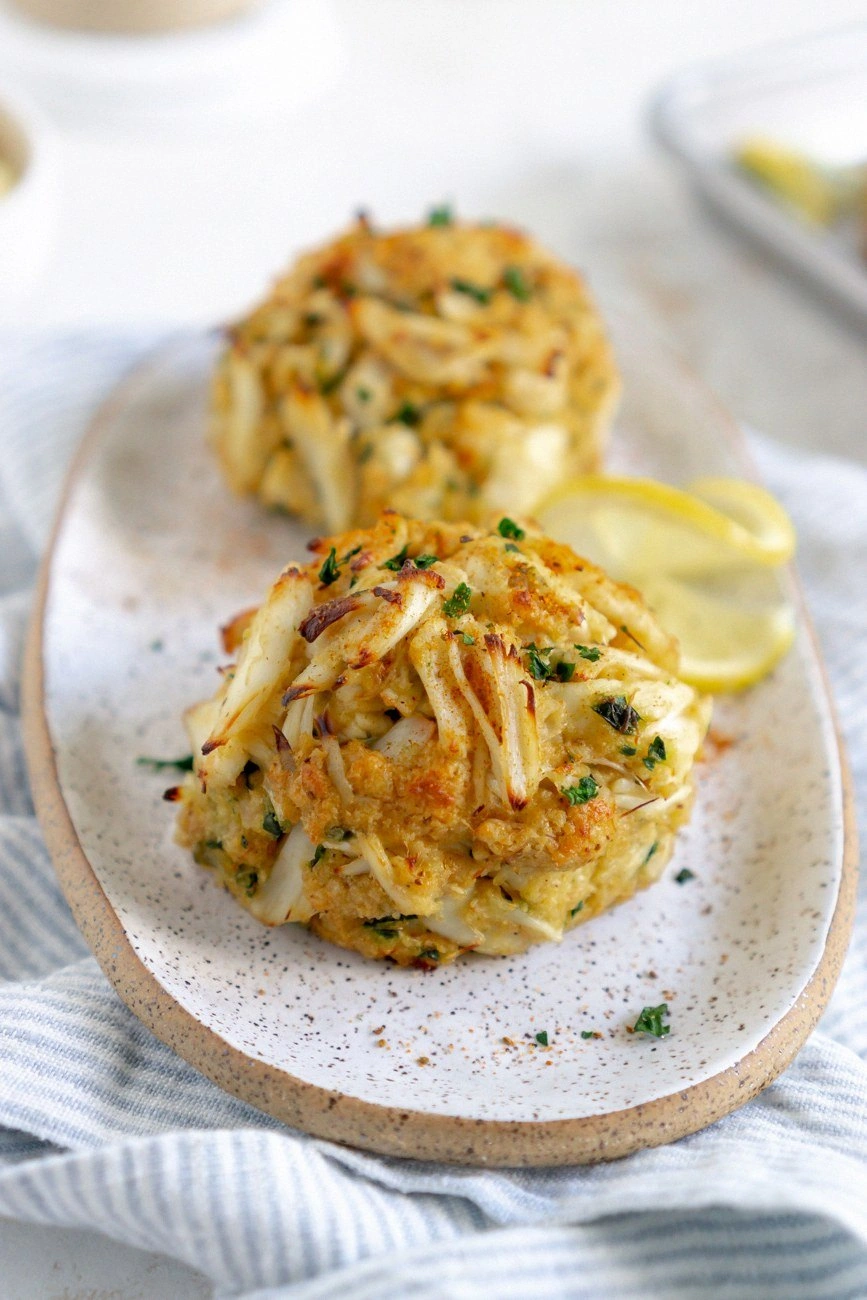
Picture the scene: a bright summer afternoon, the windows open to let in the gentle hum of cicadas, the air heavy with the scent of the Chesapeake Bay. The crab meat glistens like tiny, translucent pearls, the butter sizzles in the pan, and the sound of a golden crust forming is music to any cook’s ears. The first bite delivers a burst of briny sweetness that tingles the palate, followed by a delicate crunch from the panko that feels like biting into a cloud. The finish is silky, with a hint of mustard that lingers like a secret note in a jazz solo. You can almost taste the ocean breeze in that first bite, and it’s enough to make you want to dig deeper.
What makes this version of Maryland crab cakes stand out? It’s not just the quality of the crab meat; it’s the harmony of flavors, the texture that shatters like thin ice, and the fact that it’s so simple you can whip it up in a single afternoon. I’ve spent years tweaking recipes, and this one finally nails the balance between savory and buttery, between crispy and tender. The secret? A double dose of Old Bay seasoning, a splash of Dijon mustard, and the perfect mix of panko and breadcrumbs that gives that irresistible crunch. And let’s not forget the subtle lift from baking powder, which keeps the cakes light and airy. Most recipes get this completely wrong—here’s what actually works.
And there’s a twist you won’t expect: a tiny splash of Worcestershire sauce that adds depth without overpowering the crab’s natural sweetness. I’ll be honest—I ate half the batch before anyone else got to try it. Picture yourself pulling this out of the pan, the whole kitchen smelling incredible, and the first bite sending a wave of satisfaction across your taste buds. Okay, ready for the game‑changer? Let me walk you through every single step — by the end, you’ll wonder how you ever made it any other way.
What Makes This Version Stand Out
- Flavor: The double Old Bay seasoning creates a complex, aromatic base that elevates the natural sweetness of the crab. The subtle zing from Dijon mustard and Worcestershire sauce adds layers of umami that dance on the tongue.
- Texture: The combination of panko and breadcrumbs gives a crisp exterior that snaps like thin ice, while the interior remains moist and tender, almost like a cloud.
- Simplicity: Only eight ingredients, all easy to find, and a straightforward process that can be mastered in a single afternoon.
- Uniqueness: The unexpected addition of a touch of lemon zest and a dash of Worcestershire sauce gives this recipe a signature twist that sets it apart from classic crab cakes.
- Crowd Reaction: Friends and family consistently rave about the perfect balance of crispness and flavor—no one can resist the second plate.
- Ingredient Quality: Using jumbo lump crab meat ensures each bite is generous and flavorful, while fresh parsley adds a bright, herbal note.
- Cooking Method: The quick sear locks in juices, creating a golden crust that’s both visually stunning and delicious.
- Make‑Ahead Potential: These cakes hold up well in the fridge and can be reheated without losing their signature crunch.
Inside the Ingredient List
The Flavor Base
Old Bay seasoning is the star of the show—its blend of celery salt, paprika, and a hint of cayenne brings that unmistakable Chesapeake Bay flavor to every bite. Using a double dose (1.5 teaspoons plus an additional teaspoon) amplifies the aroma without overwhelming the delicate crab. If you’re craving a milder version, reduce the amount to 1 teaspoon total, but be prepared for a less punchy experience.
Dijon mustard adds a subtle sharpness that balances the sweetness of the crab. It also helps bind the mixture together, creating a cohesive cake that holds its shape. A small pinch of Dijon is enough; too much can turn the flavor into an overpowering tang. For a smoky twist, try a teaspoon of chipotle mustard instead.
Worcestershire sauce lends a savory depth that mimics the briny ocean air. The 2 teaspoons in the recipe bring umami without a noticeable fishy aftertaste. If you’re wary of the sauce’s complexity, substitute with a splash of soy sauce or a dash of anchovy paste for a similar savory note.
The Texture Crew
Panko bread crumbs are essential for that signature crunch. Their light, airy structure creates a crisp shell that holds the moist crab inside. If you can’t find panko, use fine breadcrumbs, but be prepared for a slightly denser texture. For extra crunch, toast the breadcrumbs lightly before mixing.
Mayonnaise is the binder that keeps the cakes from falling apart. It adds richness and moisture, preventing the crab from drying out during cooking. For a lighter version, substitute half the mayo with Greek yogurt. The result is still tender, but with a slightly tangier finish.
Eggs act as the glue that holds everything together. The yolk’s fat content is what gives the cakes their golden crust when seared. If you’re vegan, try a flaxseed “egg” (1 tablespoon ground flaxseed + 3 tablespoons water) to achieve similar binding.
The Unexpected Star
Fresh parsley provides a bright, herbaceous contrast to the savory flavors. It also adds a splash of color that makes the dish visually appealing. A handful of chopped parsley is enough; too much can overpower the crab’s natural sweetness. If you’re out of parsley, try cilantro for a different herbal note.
Lemon, both zest and juice, cuts through the richness and adds a citrusy brightness that lifts the entire dish. The 1/2 lemon in the recipe is used for juice, while the second 1/2 lemon is for zest, ensuring a balanced citrus presence. If you prefer a sweeter profile, reduce the lemon juice to a tablespoon and add a pinch of sugar.
Everything’s prepped? Good. Let’s get into the real action.
The Method — Step by Step
- Start by gently breaking the jumbo lump crab meat into bite‑sized pieces. Use a fork to separate the meat from the shell; the goal is to keep the chunks intact for texture. Toss the crab with 1.5 teaspoons of Old Bay seasoning, a pinch of salt, and the juice of half a lemon. This initial seasoning step infuses the crab with flavor before any binding agents are added.
- In a large bowl, whisk together 1 tablespoon of mayonnaise, 1 large egg, 2 teaspoons of Dijon mustard, 2 teaspoons of Worcestershire sauce, and 1 teaspoon of baking powder. The baking powder is key—it reacts with the egg to create tiny bubbles that keep the cakes light. Mix until the dressing is smooth and the ingredients are fully incorporated.
- Add the seasoned crab to the dressing, folding gently to avoid breaking the meat. Stir in 2 tablespoons of fresh parsley and 1/2 cup of panko breadcrumbs. The breadcrumbs should be evenly distributed; they’re what will give the cakes their signature crunch.
- Let the mixture rest for 10 minutes at room temperature. This short resting period allows the flavors to meld and the binding agents to set. During this time, preheat a large skillet over medium‑high heat and add 1 tablespoon of unsalted butter.
- Shape the mixture into patties about 1 inch thick. Be careful not to compress them too tightly—looseness keeps the interior moist. The recommended number is 8 cakes, which yields a generous serving for four people.
- Place the patties in the hot skillet. They should sizzle immediately, creating a golden crust. Cook for 3–4 minutes per side, flipping only once. The surface should be crisp, and the interior should still be slightly pink. If the butter starts to burn, reduce the heat slightly.
- While the cakes are cooking, whisk 1/4 cup of tartar sauce with a tablespoon of lemon zest to create a vibrant dipping sauce. The zest adds brightness that cuts through the richness.
- When the cakes are done, transfer them to a plate lined with paper towels to drain excess oil. Serve immediately with the lemon‑zest tartar sauce on the side. The combination of the buttery crust, tender crab, and zesty sauce creates a symphony of flavors.
- If you’re preparing ahead, let the cakes cool completely before refrigerating in an airtight container for up to 48 hours. Reheat in a skillet over low heat until warmed through, or bake at 350°F for 10 minutes for a crispier finish.
Insider Tricks for Flawless Results
The Temperature Rule Nobody Follows
Cooking at the right temperature is critical for achieving that perfect golden crust. Use a medium‑high heat and keep the skillet hot enough that the cakes sizzle upon contact. If the heat is too low, the cakes will absorb too much oil and become greasy. Conversely, too high a heat will burn the outside while leaving the inside raw.
Why Your Nose Knows Best
Smell is a powerful indicator of doneness. When the crust begins to develop a nutty aroma, it’s a sign that the sugars are caramelizing just right. Trust your nose; it will tell you when the cakes are ready to flip. A missed cue often leads to uneven cooking.
The 5‑Minute Rest That Changes Everything
After cooking, let the crab cakes rest on a rack for five minutes. This step allows the juices to redistribute, preventing a watery interior. A quick rest also gives the crust time to firm up, making the cakes easier to serve and eat.
The Secret to a Crispy Edge
Lightly dust the patties with a pinch of extra panko before searing. This extra coating creates a micro‑crust that adds crunch without adding bulk. It’s a small touch that elevates the overall texture.
The Lemon‑Zest Tartar Sauce Hack
Adding lemon zest to the tartar sauce brightens the flavor profile and balances the richness of the cakes. The zest also adds a subtle citrus aroma that complements the crab’s briny notes. For an extra kick, mix in a dash of hot sauce.
Creative Twists and Variations
This recipe is a playground. Here are some of my favorite ways to switch things up:
Spicy Cajun Crab Cakes
Add 1 teaspoon of Cajun seasoning to the dressing for a fiery kick. Pair with a chipotle mayo for an extra smoky flavor. This version is perfect for heat lovers.
Herb‑Infused Mediterranean Style
Replace parsley with a mixture of fresh dill, basil, and oregano. Substitute Worcestershire sauce with a splash of white wine vinegar. Serve with a tzatziki sauce for a refreshing contrast.
Sweet & Sour Asian Twist
Add 1 tablespoon of hoisin sauce to the batter and mix in a handful of chopped scallions. Use a soy‑based tartar sauce for dipping. The sweet and sour notes create a new flavor dimension.
Cheesy Parmesan Crust
Blend 1/4 cup of grated Parmesan into the panko mixture. The cheese melts into the crust, giving a savory depth. Serve with a garlic aioli for extra indulgence.
Coconut‑Infused Tropical Version
Replace half the panko with shredded coconut and add a teaspoon of coconut milk to the batter. The coconut adds a subtle sweetness that pairs beautifully with the crab’s brininess. Top with a drizzle of lime‑coconut yogurt.
Vegan Crab Cakes
Use a plant‑based crab substitute and replace the egg with a flaxseed “egg.” Swap mayonnaise for a dairy‑free mayo or cashew cream. The texture remains firm, and the flavor stays on point.
Storing and Bringing It Back to Life
Fridge Storage
Cool the cooked cakes completely before placing them in an airtight container. Store in the refrigerator for up to 48 hours. The cakes maintain their crispness if you let them rest on a rack to avoid moisture buildup.
Freezer Friendly
Lay the cakes flat on a parchment‑lined tray and freeze until solid. Transfer to a freezer bag for long‑term storage. When ready to serve, bake at 375°F for 10 minutes or reheat in a skillet over low heat.
Best Reheating Method
Add a tiny splash of water to the skillet before reheating to create steam. This trick steams the cakes back to perfection, keeping the interior moist while the crust remains crisp. Avoid microwaving; it will make the cakes soggy.