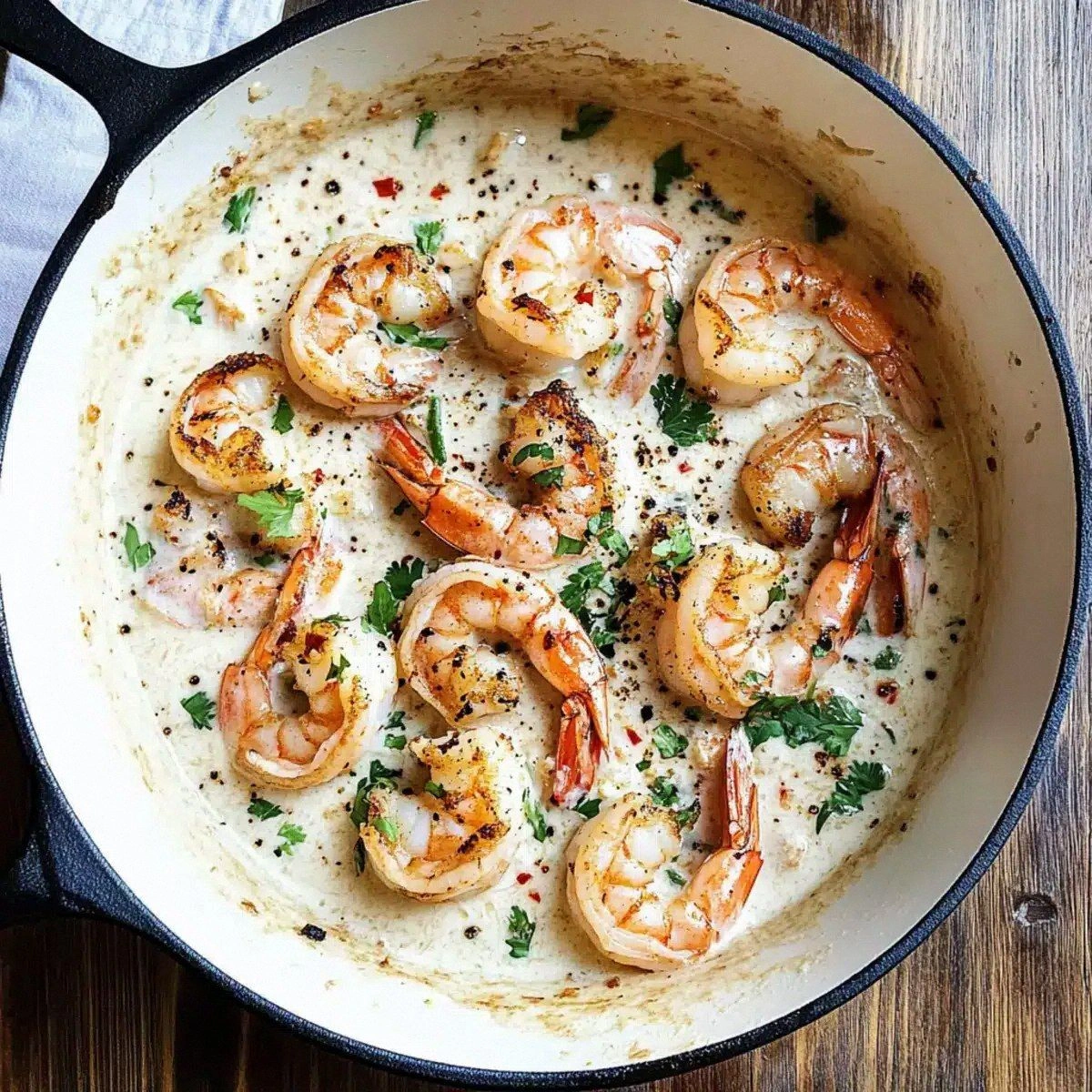
Picture this: I’m standing in a cramped kitchen, a pot of water boiling over the stove, and a friend’s Instagram story flashing the most drool‑inducing bowl of Buddha‑style goodness. I was craving something that would make my taste buds do a happy dance, and I decided to take a wild stab at a sweet‑potato‑centric bowl. The result? A miso‑glazed sweet potato Buddha that feels like a hug in a bowl, and I’m still laughing about the accidental caramelized edges that looked like tiny, crunchy moons. The kitchen was a mess, the counter was sticky, but the aroma of caramel and umami had me convinced I’d just invented a new culinary frontier.
That evening, I pulled the sweet potatoes out of the oven and watched them gleam like polished amber. The scent of miso mingled with maple syrup and sesame oil filled the air, creating an almost hypnotic perfume that made me want to take a bite before the bowl cooled. I could hear the gentle crackle of the roasted edges and feel the heat radiating from the quinoa base. The texture was a delightful contrast: silky, sweet potato, crunchy roasted broccoli, and a splash of creamy tahini that tied everything together. My friends who were skeptical at first were already reaching for their forks, and I swear I caught one of them saying, “I dare you to taste this and not go back for seconds.”
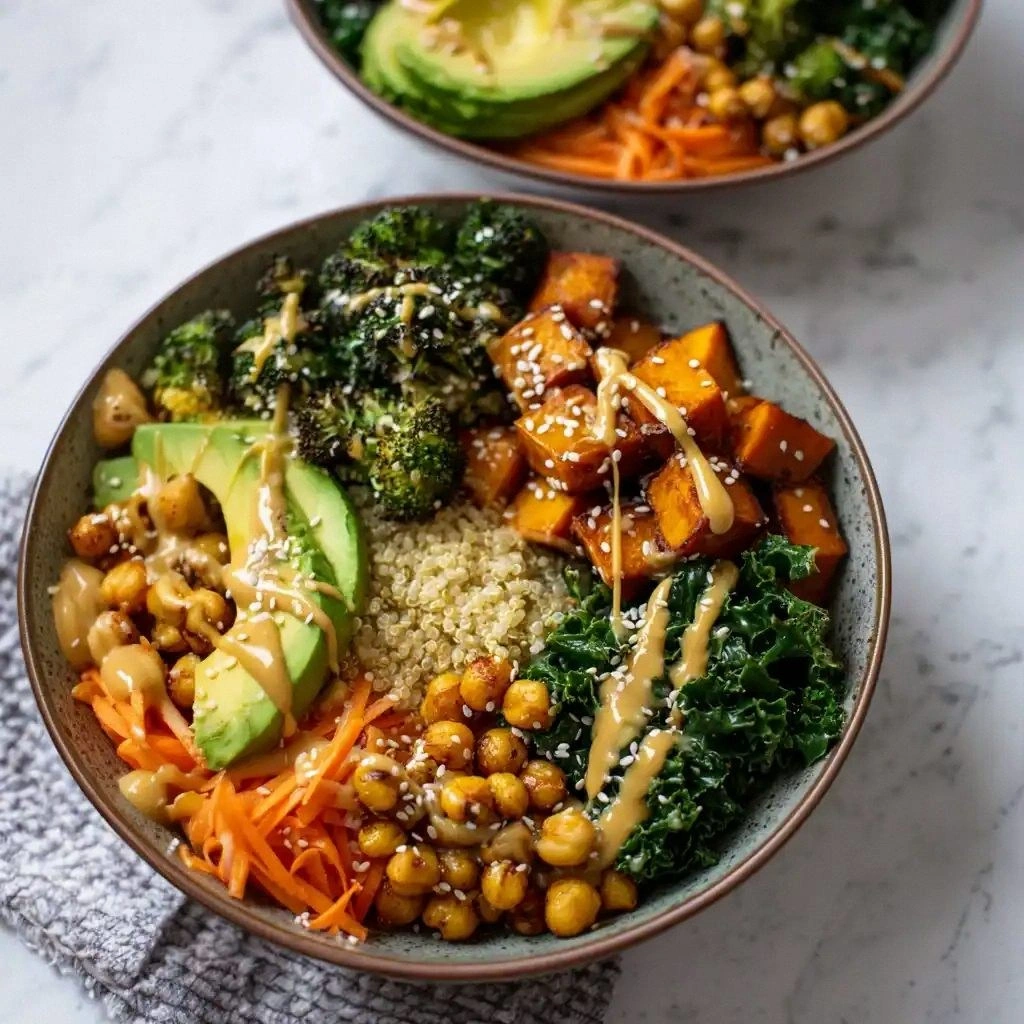
What makes this version stand out is not just the combination of flavors, but the way each component is elevated to a new level of deliciousness. The miso glaze is thicker than most, coating the sweet potato like velvet and caramelizing to a golden finish that is both sweet and savory. The quinoa is toasted just enough to give a nutty bite, while the kale and carrots add a pop of color and crunch that keeps the bowl from feeling too heavy. The avocado, sliced just before serving, melts into a silky layer that balances the sharpness of the miso. And let’s not forget the sesame seeds and fresh cilantro that add a peppery crunch and a bright, herbaceous lift.
I’m not just talking about taste; I’m talking about the sensory experience that turns a simple bowl into a masterpiece. From the moment you lift a fork, you’re greeted with a burst of umami, a hint of maple sweetness, and the subtle earthiness of roasted greens. The texture is a symphony: tender sweet potato, crisp veggies, creamy avocado, and a drizzle of silky tahini. The colors are vibrant—deep orange, emerald green, and a splash of golden sesame—that make the bowl look as good as it tastes. By the time you finish the last bite, your palate will be singing a chorus of “yes.”
What Makes This Version Stand Out
- Taste: The miso glaze is a masterclass in balancing sweet and umami. It caramelizes into a glossy, savory‑sweet coating that makes the sweet potato the star of the show.
- Texture: From the silky sweet potato to the crunchy roasted broccoli, every bite offers a different mouthfeel that keeps the bowl exciting.
- Nutrition: Packed with protein from quinoa and chickpeas, healthy fats from avocado and sesame oil, and fiber from the greens, this bowl is a balanced, plant‑based powerhouse.
- Simplicity: Despite its complex flavor profile, the recipe requires only a handful of pantry staples and takes less than an hour from start to finish.
- Make‑ahead: The miso glaze can be pre‑made, the sweet potato can be roasted ahead, and the quinoa can be cooked and stored—making it a perfect meal prep option.
- Visual Appeal: The vibrant colors—deep orange, emerald, and golden sesame—make the bowl Instagram‑worthy and instantly appetizing.
- Versatility: Swap quinoa for rice, use tofu instead of chickpeas, or switch the greens to spinach; this recipe adapts to whatever you have on hand.
- Guest Reaction: Friends who are usually skeptical about vegetarian dishes rave about the depth of flavor and the satisfying crunch.
Inside the Ingredient List
The Flavor Base
The miso paste and maple syrup create a glaze that is both sweet and savory. Miso brings depth and umami, while maple syrup adds a natural sweetness that balances the saltiness of tamari. If you skip this glaze, the sweet potato will taste plain and the bowl will lack that signature caramelized finish. You can swap miso for a soy‑based sauce if you’re allergic, but the flavor profile will shift slightly toward a cleaner, less complex taste. Choosing a high‑quality, white miso gives a subtle, delicate sweetness that doesn’t overpower the other ingredients.
The Texture Crew
The quinoa acts as a fluffy base that holds the vegetables together. It’s cooked until just tender, giving a subtle nuttiness that complements the sweet potato. The kale or mixed greens are chopped finely, providing a tender bite that contrasts with the roasted broccoli’s crispness. The shredded carrots add a natural sweetness and a pop of color. Each element is chosen for its ability to hold moisture and add distinct textures without overwhelming the bowl.
The Unexpected Star
Avocado is the secret sauce that brings a buttery, creamy layer. When sliced just before serving, it maintains its texture and adds healthy fats that help the body absorb the vitamins in the greens. The tahini drizzle is another layer of richness that ties everything together. If you’re avoiding nuts, you can replace tahini with a cashew cream for a similar mouthfeel. The sesame seeds add a nutty crunch that echoes the sesame oil used in the glaze.
The Final Flourish
Fresh cilantro or scallions provide a bright, herbaceous lift that cuts through the richness of the avocado and tahini. A squeeze of lemon juice adds acidity, brightening the overall flavor profile. The pinch of salt is crucial for balancing the sweetness and umami. If you prefer a spicier kick, a dash of sriracha or a sprinkle of crushed red pepper will add a subtle heat that complements the sweet potato’s natural sweetness. Each finishing touch is intentional, ensuring the bowl feels complete and satisfying.
Everything’s prepped? Good. Let’s get into the real action and start turning this list of ingredients into a bowl of pure bliss.
The Method — Step by Step
- Preheat your oven to 425°F (220°C). While the oven heats, peel the sweet potatoes and cut them into 1/2‑inch cubes. Toss the cubes in a bowl with 2 tablespoons of sesame oil, 1 tablespoon of tamari, and a pinch of salt. The oil helps the glaze stick and the tamari adds a savory depth that the miso alone can’t provide. Place the cubes on a parchment‑lined baking sheet, spreading them in a single layer to ensure even roasting.
- In a small saucepan, combine 2 tablespoons of miso paste, 1 tablespoon of maple syrup, 1 tablespoon of sesame oil, 1 tablespoon of tamari, 1 teaspoon of rice vinegar, 1 clove of minced garlic, and ½ teaspoon of grated ginger. Heat over medium heat, whisking constantly until the mixture thickens into a glossy sauce. The garlic and ginger provide a subtle heat that balances the sweetness of the maple syrup. When the sauce is ready, drizzle it over the sweet potato cubes, tossing gently to coat each piece evenly. The glaze will caramelize beautifully in the oven, creating a sweet‑savory crust.
- Roast the sweet potatoes for 25–30 minutes, or until they’re tender and edges are slightly crisp. The aroma of caramelized sweet potato should fill your kitchen like a comforting hug. When they’re done, let them cool slightly while you prepare the rest of the bowl. If you’re making the dish ahead of time, let the roasted sweet potatoes cool to room temperature and store them in an airtight container in the refrigerator for up to 3 days.
- While the sweet potatoes roast, cook 2 cups of quinoa according to package instructions. Once cooked, fluff it with a fork and let it cool to room temperature. Quinoa’s slightly nutty flavor pairs wonderfully with the sweet potato and adds a hearty base to the bowl. If you prefer a fluffier texture, add a splash of water before cooking and let the quinoa steam for an extra 5 minutes after the pot has been turned off.
- Heat a skillet over medium heat and add 1 cup of chopped kale or mixed greens. Sauté until just wilted, about 2–3 minutes. The greens should retain a bright green color and a slight crunch. Add 1 cup of roasted or steamed broccoli and 1 cup of shredded carrots to the skillet, tossing everything together for an additional minute. This quick sauté will warm the vegetables and allow the flavors to mingle.
- Prepare the tahini sauce by whisking together 2 tablespoons of tahini, 1 tablespoon of lemon juice, 1 teaspoon of maple syrup, 1 tablespoon of warm water, and a pinch of salt. The warm water helps dissolve the tahini into a silky, pourable sauce. If the sauce is too thick, add a splash more water until it reaches your desired consistency. This sauce will add a creamy, nutty finish that ties the bowl together.
- To assemble, start with a generous scoop of quinoa in the center of each bowl. Arrange the roasted sweet potato cubes, sautéed greens, broccoli, carrots, and chickpeas around the quinoa. Slice the avocado and place the slices on top, allowing them to melt slightly from the warmth of the vegetables. Drizzle the tahini sauce over the entire bowl and sprinkle 2 tablespoons of sesame seeds on top for a nutty crunch. Finish with a handful of fresh cilantro or scallions for a bright, herbaceous finish.
- Serve immediately, or let the bowl rest for a few minutes to allow the flavors to meld. The sweet potato will continue to caramelize slightly, and the tahini sauce will thicken into a silky glaze. If you’re storing leftovers, keep the sweet potatoes and quinoa separate from the wet ingredients to avoid sogginess. When reheating, add a splash of water or broth to the quinoa to revive its fluffiness.
- That’s it — you did it. But hold on, I’ve got a few more tricks that will elevate this bowl to another level. From adjusting the glaze thickness to mastering the perfect avocado melt, these insider secrets will keep your bowl consistently perfect.
Insider Tricks for Flawless Results
The Temperature Rule Nobody Follows
Many chefs roast sweet potatoes at 400°F, but I swear 425°F gives a crispier edge without overcooking the interior. The higher heat caramelizes the sugars faster, creating that coveted glossy finish. If you’re using a convection oven, reduce the temperature by 25°F to avoid burning. The trick is to keep the sweet potatoes in a single layer; overcrowding will steam them instead of roasting.
Why Your Nose Knows Best
The aroma of miso caramelizing is a telltale sign of perfection. When the sweet potato starts to emit a sweet, nutty scent, it means the sugars are caramelizing without burning. If you notice a sharp, burnt smell, the glaze is overcooked, and you’ll need to adjust the heat or time. A good rule of thumb is to remove the sweet potatoes when the edges are slightly darker than the center.
The 5‑Minute Rest That Changes Everything
After roasting, let the sweet potatoes rest for 5 minutes. This brief pause allows the steam to redistribute, resulting in a fluffier interior and a more pronounced caramelized crust. The rest period also gives the glaze a chance to thicken slightly, making it cling better to the veggies. Skip this step and you’ll end up with a slightly soggy, less flavorful bowl.
Balancing Sweetness with Acidity
The lemon juice in the tahini sauce cuts through the richness of the avocado and the sweetness of the miso glaze. If you prefer a sweeter sauce, reduce the lemon juice by half and add a splash more maple syrup. Conversely, for a tangier finish, increase the lemon juice and add a pinch of salt to bring out the flavors. The key is to taste as you go and adjust accordingly.
The Perfect Avocado Melt
Slice the avocado just before serving to keep it from browning. If you want a more melted texture, place the slices on the hot sweet potatoes for 1–2 minutes; the residual heat will soften the avocado without turning it mushy. A quick squeeze of lime juice can also prevent browning and add a fresh zing to the bowl.
The Ultimate Crunch Factor
To add an extra crunch, toast 2 tablespoons of sesame seeds in a dry skillet until golden brown. The toasted seeds bring a nutty aroma and a satisfying bite that complements the sweet potato’s softness. If you’re allergic to sesame, use pumpkin seeds or hemp seeds for a similar crunch.
Creative Twists and Variations
This recipe is a playground. Here are some of my favorite ways to switch things up:
Spicy Sriracha Twist
Add a teaspoon of sriracha to the miso glaze for a fiery kick that balances the sweetness. The heat pairs wonderfully with the creamy tahini sauce, creating a dynamic flavor profile. Great for those who love a little spice in their bowls.
Mediterranean Flair
Swap quinoa for couscous and replace chickpeas with kalamata olives. Drizzle a little olive oil and sprinkle feta cheese on top. The Mediterranean herbs bring a fresh, salty contrast to the sweet potato.
Southwest Vibes
Use corn, black beans, and a sprinkle of chipotle powder in the glaze. Add a dollop of guacamole and top with fresh cilantro. The smoky chipotle adds depth while the corn brings a sweet crunch.
Asian Fusion
Replace the tahini sauce with a ginger‑soy dressing and add sliced green onions. Toss the quinoa with toasted sesame oil for an extra nutty flavor. The combination of soy, ginger, and sesame creates a harmonious Asian-inspired bowl.
Protein Powerhouse
Add grilled tofu cubes or tempeh for an extra protein boost. Marinate the tofu in soy sauce, sesame oil, and garlic before grilling. The savory tofu pairs beautifully with the sweet potato and adds a satisfying chew.
Dessert‑Inspired Bowl
For a sweet twist, sprinkle coconut flakes and a drizzle of honey on top. Add a handful of dried cranberries for a burst of tartness. This version turns the bowl into a dessert‑style treat while still keeping the nutritional balance.
Storing and Bringing It Back to Life
Fridge Storage
Store the roasted sweet potatoes and quinoa separately in airtight containers for up to 4 days. Keep the wet ingredients—tahini sauce, avocado, and greens—in separate containers to prevent sogginess. When you’re ready to eat, combine all components and top with fresh cilantro.
Freezer Friendly
Freeze the roasted sweet potato cubes in a single layer on a baking sheet before transferring to a freezer bag. This prevents them from clumping together. The quinoa can also be frozen, but reheat it gently to avoid a mushy texture. The avocado should always be added fresh to maintain its creamy texture.
Best Reheating Method
Reheat the sweet potatoes and quinoa in a microwave or on the stovetop, adding a splash of water or broth to keep them moist. Warm the greens gently in a skillet until just wilted. When reheating, add a little extra tahini sauce to restore the silky glaze. A tiny splash of water before reheating steams the bowl back to perfection.