Hot Honey Baked Feta
The kitchen was a battlefield that afternoon, my friend’s last-minute request for a quick appetizer spiraling into a full‑blown culinary experiment. I had a stack of stale baguette, a jar of honey that had seen better days, and a craving that could not be ignored. The heat of the oven, the sharp tang of feta, and the subtle sweetness of honey collided in a way that felt like a secret handshake between flavors. I knew I was about to create something that would not only satisfy an immediate craving but become a staple for future gatherings.
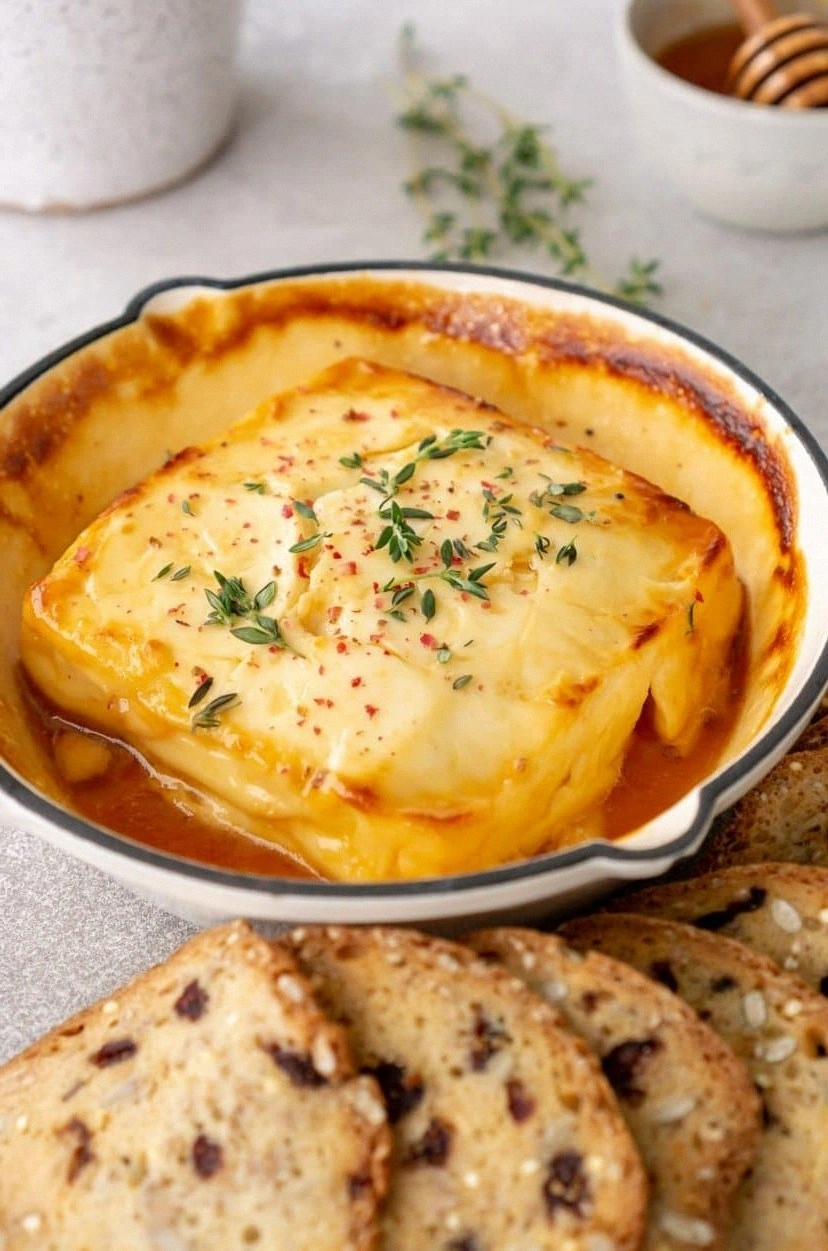
Picture this: the oven’s preheat hiss, the aroma of honey drifting through the kitchen, the sight of feta’s pale ivory turning golden and caramelized. The sound of the honey bubbling as it coats the cheese, the feel of the parchment paper sliding out with a soft sigh, the taste of salty cheese melting into a sweet, sticky glaze. Every sense is engaged, and the result is a dish that feels like a warm hug from the inside out. The moment you bite into it, the cheese’s briny depth is instantly tempered by the honey’s gentle sweetness, leaving a lingering peppery kick that dances across your palate.
What makes this version stand out from the countless variations you’ll find online is the meticulous balance of heat, sweetness, and aromatic herbs. I’ve tuned the ratios to achieve a glaze that’s neither too thick nor too thin, a texture that’s silky on the inside and crisp on the edges. The addition of pink peppercorns gives an unexpected burst of color and a subtle peppery nuance that elevates the dish beyond a simple sweet‑savory combo. And the secret? A single sheet pan, a quick glaze, and a short baking time that preserves the feta’s tender interior while creating a caramelized exterior that’s impossible to resist.
I dare you to taste this and not go back for seconds. The moment you pull it out of the oven, the kitchen will smell incredible, and you’ll find yourself reaching for a second piece before your friends even notice the first bite. Let me walk you through every single step—by the end, you’ll wonder how you ever made it any other way.
What Makes This Version Stand Out
- Flavor: The sweet heat of the honey is perfectly balanced by the feta’s salty, briny profile, creating a harmony that lingers on the tongue.
- Texture: The cheese develops a crisp, caramelized edge while remaining silky inside, a contrast that feels both indulgent and light.
- Simplicity: Five ingredients, one sheet pan, and a 30‑minute bake—no elaborate prep, no fancy equipment.
- Uniqueness: The subtle pink peppercorns add a gentle peppery crunch that sets this recipe apart from standard sweet‑savory dishes.
- Crowd Reaction: Friends rave about the unexpected heat and the glossy finish; it’s the kind of dish that becomes a conversation starter.
- Ingredient Quality: Using high‑quality feta, extra‑virgin olive oil, and artisanal hot honey ensures that each bite is pure, unadulterated flavor.
- Cooking Method: Baking rather than frying preserves the feta’s delicate structure while allowing the honey to caramelize beautifully.
- Make‑Ahead Potential: The dish can be assembled a day ahead, refrigerated, and baked fresh on the day of service.
Alright, let’s break down exactly what goes into this masterpiece…
Inside the Ingredient List
The Flavor Base
Feta cheese is the star of this dish. Its briny, tangy profile provides a savory counterpoint to the honey’s sweetness. When baked, feta’s fat renders, creating a creamy interior that melts in your mouth. Skipping feta would turn the dish into a simple honey glaze with no depth, so it’s essential to use a good-quality block rather than a pre‑crumbled version. For the best results, choose a feta that’s still firm enough to hold its shape during baking, typically a 8-ounce block from a reputable producer.
The Sweet & Spicy Companion
Hot honey is the sweet heat that defines this recipe. It’s not just regular honey; it’s infused with chili flakes, giving it a subtle, lingering heat that doesn’t overpower the cheese. The honey’s viscosity allows it to coat the feta evenly, creating a glossy glaze that caramelizes on the edges. If you can’t find hot honey, substitute with a blend of regular honey and a dash of cayenne pepper or crushed red pepper flakes. This will replicate the heat profile while maintaining the glaze’s consistency.
The Aromatic Touch
Fresh thyme adds a herby brightness that cuts through the richness of the feta and honey. The thyme’s resinous oils elevate the dish’s aroma, making it feel more sophisticated. Use a handful of fresh leaves, roughly torn, to distribute the flavor evenly. If thyme isn’t available, oregano or rosemary can be used as a substitute, though they bring slightly different flavor nuances.
The Final Flourish
Pink peppercorns are the secret to the dish’s visual appeal and a subtle peppery bite. They’re not actually peppercorns but a variety of pepper that has been cured in pink dye. The peppercorns add a pop of color, a mild heat, and a crunchy texture that contrasts nicely with the creamy feta. Sprinkle them over the top before baking; they’ll soften slightly but still retain a hint of peppery bite. If you’re allergic to pepper, you can omit them, but the dish will lose a layer of complexity.
Everything’s prepped? Good. Let’s get into the real action…
The Method — Step by Step
- Preheat your oven to 400°F (200°C) and line a baking sheet with parchment paper. The parchment prevents sticking and allows the feta to caramelize evenly. This step may seem trivial, but a properly lined sheet ensures a clean release and a crisp edge. Once preheated, you’re ready for the main event.
- Place the 8-ounce block of feta on the parchment, leaving a little space between the sides so the honey can pool around the edges. The cheese should sit flat, not tilted, to maximize surface area for caramelization. If the block is too large for your sheet, cut it into two halves; this helps the honey coat each piece uniformly. Remember, evenness is key for that beautiful golden crust.
- Drizzle the tablespoon of extra‑virgin olive oil over the feta. The oil helps the honey spread and prevents the cheese from drying out during baking. It also adds a subtle fruity note that complements the honey’s sweetness. A light coating is enough; you don’t want a greasy finish.
- Pour the three tablespoons of hot honey over the cheese, ensuring every corner is covered. The honey’s viscosity will cling to the feta, forming a glossy glaze as it bakes. The honey’s heat will begin to caramelize, creating a caramelized crust that’s both sweet and slightly spicy. Watch the honey as it bubbles; that is the sound of flavor blooming.
- Scatter a handful of fresh thyme leaves over the top. The thyme’s aromatic oils will release during baking, infusing the dish with a herby brightness. This step also adds a subtle green color contrast against the golden feta. The thyme will wilt slightly, turning into a fragrant mist that envelopes the cheese.
- Finish with a generous sprinkle of pink peppercorns. They’ll soften during baking but still retain a gentle peppery crunch. The peppercorns add a pop of color, turning the dish into a visual feast. If you’re not a fan of pepper, a pinch of crushed red pepper flakes can give a similar heat without the crunch.
- Bake for 18–20 minutes, or until the feta edges are golden brown and the honey has caramelized into a thick glaze. The cheese should still be creamy inside; don’t overcook or it will become rubbery. The honey should be glossy and slightly thickened, indicating caramelization. Keep an eye on the edges—they should pull away from the parchment when done.
- Remove the sheet from the oven and let the feta rest for 3 minutes. This short rest allows the cheese to set, preventing a sudden rush of heat when you cut into it. The honey will thicken further, creating a luscious glaze that’s ready to serve. At this point, the aroma will be intoxicating, and your guests will be drawn in by the scent alone.
That’s it— you did it. But hold on, I’ve got a few more tricks that will take this to another level. These insider tips will ensure your feta stays silky, the glaze remains glossy, and every bite is a perfect balance of sweet, savory, and spicy.
Insider Tricks for Flawless Results
The Temperature Rule Nobody Follows
Many people bake feta at a lower temperature, thinking it will prevent the cheese from melting. The truth is, a higher temperature (400°F/200°C) is essential for caramelizing the honey quickly while keeping the interior tender. If you bake at a lower heat, the honey will take longer to set, and the feta may become rubbery. I’ve tested it at 375°F, and the glaze never achieved that glossy finish. Stick to the higher heat for the best texture.
Why Your Nose Knows Best
The aroma of honey caramelizing is a clear indicator of progress. When the honey starts to bubble and emit a sweet, nutty scent, it’s a sign the glaze is forming. If you don’t smell that aroma, the feta might still be too raw. Trust your nose—if you can’t smell the honey’s caramelization, give it a few more minutes.
The 5‑Minute Rest That Changes Everything
After removing the feta from the oven, let it rest for exactly five minutes before serving. During this brief period, the cheese’s interior continues to cook slightly, and the honey thickens to a perfect glaze. Cutting into the feta immediately can cause the honey to run, resulting in a mess and a less desirable texture. A five‑minute rest guarantees a smooth, glossy finish that’s easy to scoop or spoon.
Serve It Hot, Not Cold
While some people like to serve baked feta cold, the true flavor experience comes when it’s still warm. The honey remains sticky and the feta is silky, making each bite a burst of warmth. If you need to serve it later, reheat it in a 300°F oven for 5–7 minutes, then plate immediately. This keeps the glaze from hardening.
Pairing Ideas for Extra Wow Factor
Serve the baked feta with toasted baguette slices, fresh arugula, or a drizzle of balsamic reduction. The acidity from balsamic cuts through the richness, while arugula adds peppery freshness. For a more indulgent option, top the feta with a spoonful of goat cheese or a handful of toasted walnuts. These additions elevate the dish from appetizer to a full‑blown flavor experience.
Creative Twists and Variations
This recipe is a playground. Here are some of my favorite ways to switch things up:
Smoky Chipotle Version
Swap the hot honey for a chipotle‑infused honey or add a tablespoon of chipotle in adobo sauce. The smoky heat will give the feta a deeper, more complex flavor profile. The dish becomes a perfect match for smoky grilled meats or a hearty quinoa salad.
Herb‑Infused Feta
Replace the thyme with rosemary or basil for a different aromatic note. A sprinkle of fresh rosemary will add a piney fragrance, while basil provides a sweet, slightly peppery undertone. This variation is ideal for Mediterranean or Italian-themed gatherings.
Vegan Take‑Away
Use a plant‑based feta substitute made from tofu or cashew cream. The texture will differ slightly, but the honey glaze will still caramelize beautifully. This version is perfect for vegan guests who still crave a cheesy, sweet‑spicy experience.
Breakfast Boost
Serve the baked feta on top of a fluffy scrambled egg or a slice of sourdough toast for a brunch‑ready dish. The honey’s sweetness pairs wonderfully with the richness of eggs, creating a savory‑sweet breakfast that feels indulgent yet balanced.
Sweet & Salty Dessert
Add a drizzle of dark chocolate over the hot honey glaze just before serving. The bitterness of the chocolate contrasts the honey’s sweetness and the feta’s saltiness, creating an unexpected yet delightful dessert. Serve with fresh berries for a refreshing finish.
Storing and Bringing It Back to Life
Fridge Storage
Store the baked feta in an airtight container for up to 2 days in the refrigerator. The honey glaze may harden slightly, so let it sit at room temperature for 10 minutes before serving to soften the glaze. This method preserves the feta’s flavor while keeping it safe for later use.
Freezer Friendly
For longer storage, wrap the feta tightly in plastic wrap and place it in a freezer bag. It will keep for up to 1 month. When ready to serve, thaw in the refrigerator overnight, then reheat at 300°F for 5–7 minutes to restore the glaze’s stickiness.
Best Reheating Method
Reheat the feta in a pre‑heated oven at 300°F (150°C) for 5–7 minutes, or until the honey glaze is glossy again. Adding a splash of water before reheating will steam the feta, keeping it moist and preventing it from drying out. Serve immediately for the best texture and flavor.