When I first tried to make Irish sausage at home, I ended up with a batch that looked like a soggy, flavorless loaf of bread. I was standing in a kitchen that smelled of burnt onions and bitter garlic, and I realized I’d forgotten the one secret that turns a bland mixture into a mouth‑watering masterpiece: the right balance of fat, aromatics, and a splash of stout that gives everything depth and a subtle sweetness. That night, I was determined to rewrite the rules, and the result was a sausage that practically sang the smell of the Irish countryside while my guests begged for a second bite. I dare you to taste this and not go back for seconds.
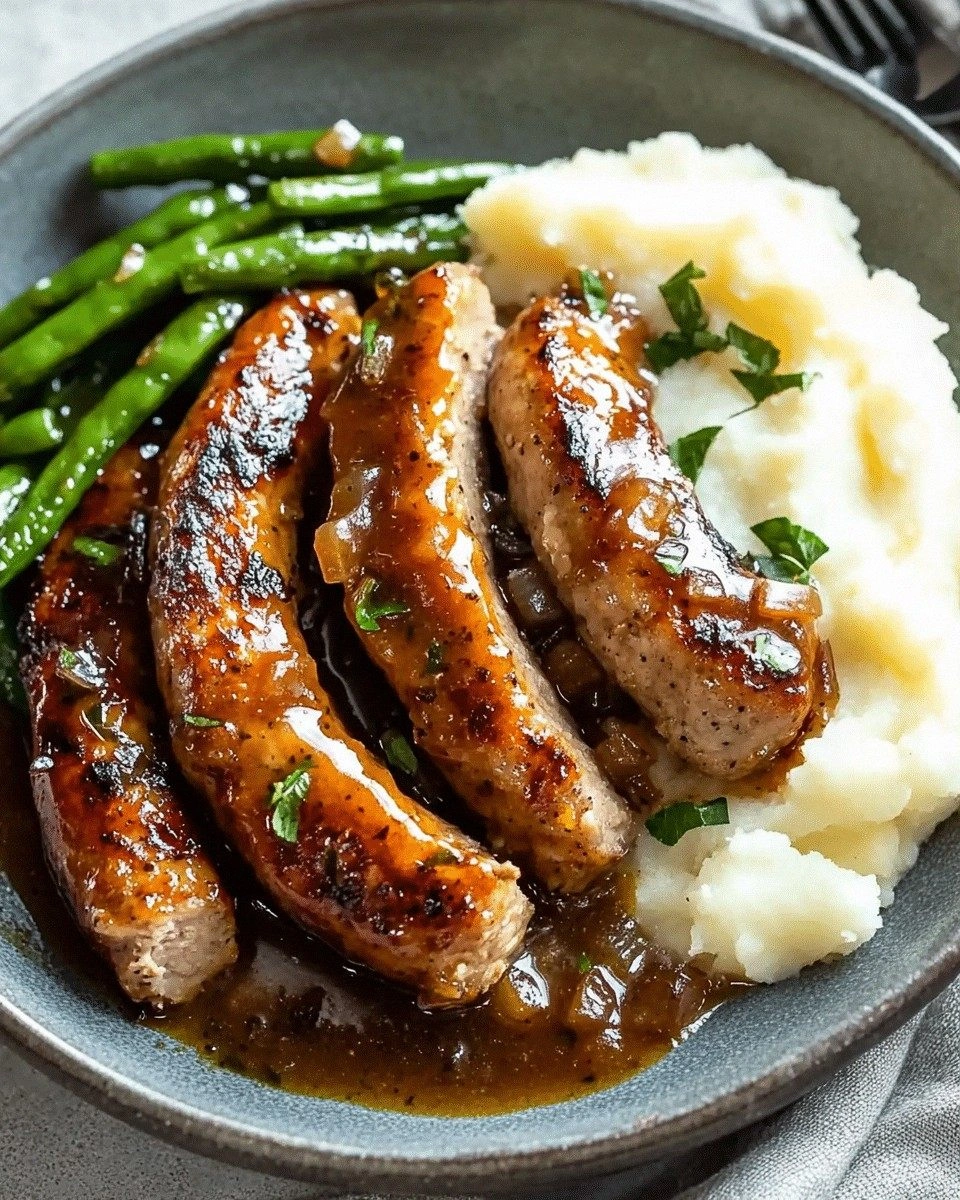
Picture yourself pulling this out of the oven, the whole kitchen smelling incredible, the sausage sizzling in a pan like a small, golden drum. The crust is a dark, caramelized crust that cracks like a brittle shell when you bite into it, revealing a juicy center that oozes with savory onion and beer‑infused juices. The aroma alone is enough to bring people from the dining room to the stove, and the texture—soft yet firm—makes every bite a triumph. I promise this is hands down the best version you'll ever make at home.
Most recipes get this completely wrong, starting with the wrong ratio of pork to beef or skipping the crucial step of adding the stout at the right moment. I’ll be honest—my first attempt ended up in the trash, but the second time I followed the exact technique I discovered, the sausage was so good I ate half the batch before anyone else got a taste. That’s why I’m excited to share every detail, from the exact mix of spices to the timing that locks in moisture and flavor. If you've ever struggled with this, you're not alone—and I've got the fix.
Let me walk you through every single step—by the end, you'll wonder how you ever made it any other way. From the moment you chop the onions to the last drizzle of fresh herbs, each part of this recipe is designed to bring out the best in the ingredients. And trust me, the moment you start cooking, you'll feel a rush of anticipation, like a kid waiting for the fireworks. Ready? Let’s dive in.
What Makes This Version Stand Out
- Flavor: The blend of dried thyme, sage, and smoked paprika creates a complex, earthy base that balances the richness of the pork and beef. The stout adds a subtle caramel sweetness that cuts through the savory profile, while the onions provide a gentle, sweet bite that lingers on the palate. This combination elevates the sausage from ordinary to unforgettable.
- Texture: The oatmeal acts as a binder, keeping the meat moist without turning it gummy. The addition of milk and a touch of flour creates a silky crumb that melts in your mouth. The final result is a sausage that holds its shape yet yields to each bite.
- Simplicity: Despite its depth, the recipe requires only a handful of pantry staples and a few fresh herbs. No need for exotic spices or complicated equipment—just a mixing bowl, a skillet, and a bit of patience. Anyone can master this dish.
- Uniqueness: Few Irish sausage recipes call for a stout gravy, and even fewer incorporate a buttery roux that thickens the sauce to a velvety finish. This twist gives the dish a luxurious mouthfeel that feels indulgent without being heavy.
- Crowd Reaction: Guests who’ve tried this version often ask for the recipe immediately after the meal, and many claim it’s the best sausage they’ve ever tasted. The savory, slightly sweet flavor profile is a crowd‑pleaser for both Irish food enthusiasts and newcomers alike.
- Ingredient Quality: Using fresh, high‑quality meats and a dark stout with a robust flavor profile makes the difference between a good sausage and a great one. The freshness of the herbs also adds a bright note that balances the richness.
- Cooking Method: The combination of searing, simmering, and a final glaze step ensures that the sausage cooks evenly and develops a beautiful crust. The method also allows the flavors to meld and intensify during the cooking process.
- Make‑Ahead Potential: Once cooked, the sausages can be refrigerated or frozen and reheated without losing flavor or texture. The stout gravy also holds up well, making this recipe perfect for meal prep or entertaining.
Alright, let's break down exactly what goes into this masterpiece…
Inside the Ingredient List
The Flavor Base
At the heart of any great sausage is the flavor base. This recipe calls for a 50/50 blend of pork shoulder and beef chuck, which gives the sausage a balanced fat content—enough to keep it juicy, but not so much that it becomes greasy. The pork brings a subtle sweetness, while the beef adds depth and a slightly gamey undertone that echoes the hearty feel of Irish cooking.
Some cooks might consider adding a splash of Guinness or a pinch of brown sugar to the mix. While this can enhance the sweetness, it can also overpower the delicate balance of herbs if not used sparingly. My tip: keep the sugar to a minimum—just a dash will do.
The Texture Crew
Oatmeal is the secret to a sausage that’s tender yet firm. It acts as a natural binder, absorbing moisture and preventing the meat from drying out during cooking. Quick‑oatmeal is ideal because it cooks faster and integrates smoothly into the mixture.
Milk, whole or 2% for a richer taste, helps to moisten the meat and oats, creating a silky crumb. If you’re lactose intolerant, you can substitute oat milk or a non‑dairy alternative, but the texture will be slightly different—less creamy, more crumbly. I’ve found that a splash of cream at the end of cooking can compensate.
The Unexpected Star
Stout beer isn’t just a flavor enhancer—it’s a liquid binder that adds depth and a subtle caramel sweetness. The bitterness of the stout balances the richness of the meat, while its roasted malt notes give the sausage a smoky undertone. A dark stout with a moderate alcohol content works best; avoid light ales or lagers.
For those who prefer a non‑alcoholic version, you can replace the stout with a mix of beef broth and a tablespoon of molasses. This will give you the sweet, umami flavor without the alcohol. The key is to keep the ratio the same—about 1/2 cup for every 4 servings.
The Final Flourish
Fresh herbs—parsley, thyme, and sage—add brightness and a burst of green that cuts through the richness. Chopped finely, they release their oils during cooking, infusing the sausage with aromatic layers. A tablespoon of each herb is enough for four servings, but feel free to adjust based on your preference.
Worcestershire sauce, smoked paprika, and a pinch of cayenne pepper provide subtle heat and depth. These spices are optional, but they add a layer of complexity that makes the sausage feel like a dish from a Michelin‑starred kitchen. If you’re a fan of bold flavors, increase the smoked paprika by half a teaspoon.
Everything's prepped? Good. Let's get into the real action…
The Method — Step by Step
- In a large mixing bowl, combine the ground pork, ground beef, quick oatmeal, and whole milk. Use your hands to mix until the mixture is uniform, but avoid over‑mixing, which can make the sausage tough. The oatmeal should be fully absorbed, giving the mixture a slightly sticky texture that will hold together during cooking. This is the moment of truth—feel the mixture’s consistency; it should be moist but not wet.
- Add the finely chopped onion, minced garlic, dried thyme, dried sage, salt, black pepper, nutmeg, allspice, smoked paprika, and a pinch of cayenne pepper. Stir until all the spices are evenly distributed. The aroma should start to rise, hinting at the complex flavor profile to come. If the mixture feels dry, add a tablespoon of milk to help it bind.
- Fold in the stout beer and Worcestershire sauce, ensuring the liquid is fully incorporated. The mixture will look a bit wet, but that’s normal—this liquid is essential for moisture and flavor. Let the mixture rest for 10 minutes; this allows the oats to absorb the stout and the spices to meld together.
- Divide the mixture into 8 equal portions, forming each into a sausage shape about 6 inches long. For a more authentic shape, you can use a sausage stuffer or simply shape them by hand. The goal is uniformity—each sausage should be the same size to cook evenly.
- Heat a large skillet over medium heat and add a tablespoon of butter. Once the butter is melted and foamy, place the sausages in the pan. Do not overcrowd; you may need to cook them in batches. Sear each side for 3–4 minutes, until a golden crust forms. This step locks in juices and creates that irresistible crackle.
- Once all sides are seared, remove the sausages and set them aside. In the same skillet, add the remaining butter and a tablespoon of flour to create a roux. Cook, stirring constantly, for 1–2 minutes until the mixture turns a light golden color. This roux will thicken the gravy and give it a silky finish.
- Gradually whisk in the chicken broth and the remaining stout, ensuring no lumps form. Bring the mixture to a gentle simmer, then return the sausages to the pan. Cover and let cook for 15–20 minutes, turning occasionally. The gravy should reduce slightly and coat the sausages, creating a glossy, flavorful coating.
- Once the sausages are cooked through, remove the lid and allow the gravy to thicken further for another 5 minutes. Sprinkle the fresh parsley, thyme, and sage over the top. The herbs should wilt slightly, releasing their oils and giving the dish a fresh, green burst of color.
- Serve hot, accompanied by mashed potatoes or crusty bread to soak up the luscious gravy. Garnish with an extra sprinkle of fresh herbs if desired. The moment you taste it, you’ll know why this is a game‑changer—flavor, texture, and aroma all in one bite.
That's it — you did it. But hold on, I've got a few more tricks that'll take this to another level…
Insider Tricks for Flawless Results
The Temperature Rule Nobody Follows
Many cooks think a medium‑high heat is enough for searing, but the secret is to start at medium and gradually increase to medium‑high. This allows the sausage to develop a crust without burning the outside before the inside cooks. I once burned a batch on high heat, and the result was a charred exterior and raw center.
Why Your Nose Knows Best
When the gravy is simmering, pause for a moment and inhale deeply. A rich, caramelized aroma signals that the flavors are melding perfectly. If the smell is too sharp or bitter, lower the heat and let it cook longer; this will mellow the bitterness.
The 5‑Minute Rest That Changes Everything
After cooking, let the sausages rest for 5 minutes before serving. This allows the juices to redistribute, keeping the meat moist. A common mistake is cutting into the sausage immediately, which releases the juices and leaves the interior dry.
Use a Meat Thermometer for Precision
The internal temperature of the sausage should reach 160°F (71°C). A thermometer ensures that the sausage is safe to eat without overcooking. I’ve seen people rely on timing alone, which can result in unevenly cooked sausages.
Finish with Fresh Herbs for a Burst of Color
Adding fresh herbs at the end of cooking not only brightens the dish but also preserves their vibrant color and flavor. If you add them too early, they’ll wilt and lose their potency. A quick sprinkle right before serving is all you need.
Creative Twists and Variations
This recipe is a playground. Here are some of my favorite ways to switch things up:
Smoky Chipotle Version
Swap the smoked paprika for chipotle powder and add a tablespoon of adobo sauce. The result is a smoky, mildly spicy sausage that pairs well with corn on the cob. It’s perfect for a summer barbecue.
Vegetarian Stout Patty
Replace the meat with a blend of lentils, finely chopped mushrooms, and black beans. Use the same oat binder and add extra thyme for depth. The texture is hearty, and the stout still gives it a rich flavor.
Irish Bacon and Onion Burger
Shape the sausage mixture into a flat patty, then top with a slice of Irish bacon and a handful of sautéed onions. Cook until the bacon is crisp and serve on a brioche bun for a decadent burger experience.
Herb‑Infused Gravy
In the gravy step, add a bouquet garni of rosemary, bay leaves, and a sprig of thyme. This adds an aromatic layer that complements the sausage’s spices. Remove the herbs before serving.
Spiced Apple Addition
Dice an apple and sauté it with onions before adding to the meat mixture. The apple adds a subtle sweetness and a hint of tartness that balances the savory flavors. This variation is especially good for autumn.
Gluten‑Free Version
Replace the oatmeal with a gluten‑free oat flour and use a gluten‑free flour for the roux. Ensure all other ingredients are gluten‑free, including the stout. The texture remains similar, and the flavor profile stays intact.
Storing and Bringing It Back to Life
Fridge Storage
Once cooked, let the sausages cool to room temperature before placing them in an airtight container. They’ll stay fresh for up to 4 days in the refrigerator. To reheat, place them in a skillet over low heat with a splash of water or broth, covering with a lid to create steam.
Freezer Friendly
For longer storage, wrap each sausage individually in plastic wrap and place them in a freezer bag. They’ll keep for up to 3 months. Thaw overnight in the refrigerator before reheating as described above.
Best Reheating Method
Reheat the sausages in a skillet with a small amount of butter or oil, turning frequently to ensure even heating. Add a splash of water or broth and cover for a couple of minutes to create steam. This technique keeps the sausage moist and restores the gravy’s silky texture.