Picture this: it’s a rainy Saturday night, the kitchen lights are dimmed, and the only thing that could break the monotony is a pot of broth simmering on the stove. I was staring at a bag of onions that had been sitting in the fridge for a week, feeling a little guilty for not using them. I reached for a handful, and the aroma that hit my nose was a promise of something comforting. That’s when I remembered a childhood memory of my grandma’s onion soup, but with a twist that made it silky and eggy, a dish that could turn a bland dinner into an instant crowd-pleaser.
I was not just cooking; I was crafting an experience. The onions, caramelized to a golden amber, released a sweet, almost buttery scent that filled the room. The stock bubbled gently, its savory depth rising like a slow sunrise. When I whisked in the eggs, the broth thickened into a velvety sheen that looked like liquid silk. The first spoonful was a revelation: the onions were sweet, the eggs gave a custard-like texture, and the sesame oil added a nutty finish that danced on the palate.
Most recipes for onion broth feel clunky—either too thin or too heavy, or they miss that silky finish that makes you want to sip it like a fine wine. This version is hands down the best you’ll ever make at home. It balances sweetness, umami, and a subtle nutty aroma without overwhelming the senses. The trick? A precise timing for caramelizing onions and a gentle whisking of eggs into the hot stock, so the broth never curdles but instead coats the rice like velvet. I dare you to taste this and not go back for seconds.
If you’ve ever struggled with onion-based broths, you’re not alone. I’ve seen people overcook onions until they’re charred, or add eggs too quickly and end up with clumps. This recipe eliminates those pitfalls with simple, clear steps and a few insider hacks. Stay with me here—this is worth it. Let me walk you through every single step — by the end, you’ll wonder how you ever made it any other way.
What Makes This Version Stand Out
- Flavor: The caramelized onions provide a deep, sweet backbone that pairs beautifully with the savory stock. The sesame oil adds a subtle nutty note that elevates the entire dish.
- Texture: The silky egg coating turns the broth into a creamy, comforting sauce that clings to the rice, creating a mouthfeel that feels like a hug.
- Simplicity: With only seven ingredients, this recipe is quick to assemble and requires minimal prep. Even a novice can master it.
- Uniqueness: The combination of onion and egg is uncommon in broths, giving it a distinctive identity that sets it apart from classic soups.
- Crowd Reaction: Friends who try it often say it’s the “comfort food” of the year, and many come back for the leftovers.
- Ingredient Quality: Using fresh onions and high-quality stock makes the difference between a good broth and a great one. The eggs should be at room temperature to prevent curdling.
- Cooking Method: The gentle whisking technique ensures the eggs emulsify into the broth, creating a smooth consistency.
- Make-Ahead Potential: Store the broth in the fridge for up to 48 hours or freeze for up to 3 months, making it a convenient weeknight solution.
Alright, let’s break down exactly what goes into this masterpiece…
Inside the Ingredient List
The Flavor Base
The stock is the backbone of any broth. I use a high-quality chicken or vegetable stock because it brings depth without overpowering the delicate onion sweetness. If you’re a vegetarian or vegan, opt for a robust vegetable stock; the key is a well-balanced umami profile. Skipping the stock would leave the dish thin and lacking that savory punch, turning it into a mere sauce.
When selecting stock, look for one with no added artificial flavors or excessive sodium. A homemade stock will give you complete control, but a store-bought option works if you’re short on time. A tip: simmer the stock with a bay leaf and a pinch of peppercorns for a subtle aromatic lift.
The Texture Crew
Eggs are the secret to that silky coat. They should be at room temperature before whisking; this reduces the risk of curdling when added to the hot broth. The eggs act as a natural emulsifier, binding the broth into a smooth, glossy texture that feels like a custard on your tongue.
If you’re worried about the eggs separating, whisk them with a dash of cold water or a teaspoon of flour before adding them. This creates a stable emulsion that resists breaking. Remember, the goal is a consistent, silky mouthfeel, not a scrambled egg texture.
The Unexpected Star
Sesame oil is more than a garnish; it’s a flavor enhancer that adds depth and a nutty aroma. Its high smoke point allows it to be heated briefly with the onions without burning. Many people skip this step, but the subtle sesame undertone makes the broth feel more complex and luxurious.
If you don’t have sesame oil, a light drizzle of toasted sesame seeds at the end can mimic the aroma. Alternatively, a few drops of toasted peanut oil can add a different but equally delightful twist.
The Final Flourish
Cooked white or jasmine rice is the canvas that absorbs the broth’s flavors. The rice’s neutral taste allows the onion and egg to shine, while its texture provides a satisfying bite. Using jasmine rice gives a fragrant, slightly floral note that complements the savory broth.
If you prefer a lower-carb option, swap jasmine rice for cauliflower rice or a handful of chopped broccoli stems for a subtle crunch. The key is to keep the grain or substitute light enough to soak up the sauce.
Everything’s prepped? Good. Let’s get into the real action…
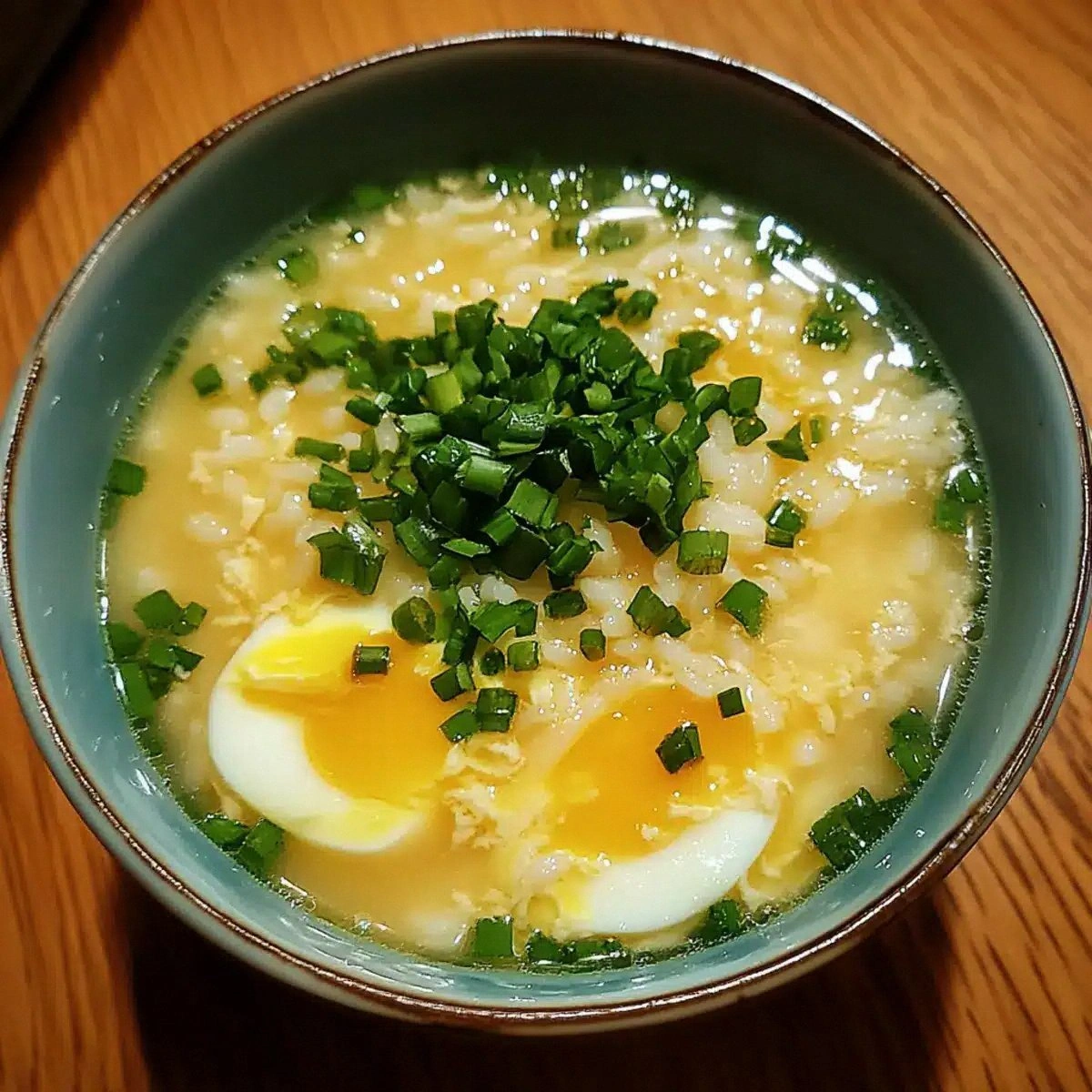
The Method — Step by Step
- Begin by finely slicing two medium onions into thin rings. Heat a large, heavy-bottomed pot over medium heat and add a splash of oil. The goal is to caramelize the onions slowly; this should take about 15 minutes. Watch for the onions to turn a deep amber and release a sweet fragrance that fills the kitchen.
- Add two minced garlic cloves to the pot. Let them sauté for 30 seconds until they’re aromatic but not browned. Garlic’s quick release of flavor will complement the sweet onions and deepen the broth’s profile. Be careful not to burn the garlic; a quick pop is all you need.
- Pour in four cups of stock and bring the mixture to a gentle simmer. Reduce the heat to low and let it simmer for 10 minutes. During this time, the stock will absorb the onion and garlic flavors, creating a rich base that feels like a comforting hug.
- Whisk two large eggs in a separate bowl until the whites and yolks are fully blended. This ensures a smooth incorporation later. If you’re nervous about curdling, whisk the eggs with a tablespoon of cold water or a teaspoon of flour to stabilize them.
- Slowly pour the whisked eggs into the simmering stock while continuously whisking the broth. This gradual integration prevents the eggs from scrambling. The broth should thicken into a silky custard-like consistency. If you see any lumps, strain the broth through a fine sieve.
- Stir in one teaspoon of sesame oil and let the mixture simmer for another 2 minutes. The oil will infuse the broth with a nutty aroma that feels like a warm hug. Keep the heat low to preserve the delicate flavor profile.
- Add one cup of cooked white or jasmine rice to the pot. Stir gently until the rice is fully coated with the silky broth. The rice absorbs the flavors, turning each bite into a burst of savory sweetness. Let it sit for a minute off the heat to allow the flavors to meld.
- Season with salt to taste. Taste the broth, and if it needs a bit more depth, add a pinch of black pepper or a splash of soy sauce for umami. Serve immediately, ladling the broth over the rice in a bowl. The final dish should look glossy, with a velvety sheen that invites you to dig in.
That’s it — you did it. But hold on, I’ve got a few more tricks that’ll take this to another level. Stay tuned for the insider tips that will turn this simple recipe into a kitchen staple.
Insider Tricks for Flawless Results
The Temperature Rule Nobody Follows
Many cooks think you can just drop eggs into a hot pot, but the secret lies in the temperature. Keep the broth at a gentle simmer (around 185°F). If the heat is too high, the eggs will scramble; too low, and the broth won’t thicken. Use a thermometer or watch for tiny bubbles forming along the edges of the pot.
Why Your Nose Knows Best
Smell is a powerful indicator of flavor balance. If the broth smells overwhelmingly onion, let it simmer longer to mellow the sweetness. If it smells flat, add a splash of lemon juice or a pinch of salt to brighten it. Your nose can guide you to the perfect balance before you even taste.
The 5-Minute Rest That Changes Everything
After you finish cooking, let the broth rest for five minutes off the heat. This short pause allows the flavors to marry and the texture to settle. A friend tried skipping this step once, and the result was a slightly watery broth that didn’t hold its silky coat.
The Perfect Onion Caramelization
To achieve the perfect caramelization, avoid stirring the onions too often. Let them brown evenly; a quick stir every few minutes is enough. If you notice uneven browning, add a splash of water to loosen the onions and let them steam for a minute before resuming the caramelization.
The Egg Whisk Technique
Whisk the eggs vigorously for at least 30 seconds before adding them to the broth. This incorporates air, creating a lighter, more stable emulsion. I’ve seen people whisk eggs just once, and the result is a dense, clumpy broth that feels more like a thick soup than a silky sauce.
The Final Sesame Oil Touch
Add sesame oil at the very end of cooking, not at the beginning. This preserves its delicate aroma and prevents it from burning. If you add it too early, you’ll lose that nutty finish, and the broth will taste more like oil than flavor.
Creative Twists and Variations
This recipe is a playground. Here are some of my favorite ways to switch things up:
Miso Magic
Stir in a tablespoon of white miso paste during the simmering phase. The miso adds depth and a subtle umami kick that complements the onion sweetness. This variation is perfect for a winter meal when you want something warm and hearty.
Spicy Sriracha Splash
Add a dash of sriracha or a pinch of red pepper flakes while whisking the eggs. The heat pairs surprisingly well with the creamy broth, giving it a lively kick that’s great for lunch or dinner.
Herb Garden
Introduce fresh herbs like thyme or bay leaves during the simmering stage. Remove them before adding the eggs. The herbs bring a fresh, aromatic layer that brightens the dish and makes it feel more complex.
Creamy Coconut Twist
Replace half of the stock with coconut milk for a tropical twist. The coconut adds a subtle sweetness that pairs beautifully with the onions. This version is a great match for grilled fish or tofu.
Seafood Surprise
Add a handful of shrimp or scallops to the broth during the last five minutes of simmering. The seafood cooks quickly and infuses the broth with a delicate briny flavor, turning the dish into a quick seafood stew.
Vegan Version
Use a plant-based stock and replace the eggs with a thickening agent like cashew cream or a tablespoon of flour. The result is a creamy, vegan-friendly broth that still delivers on flavor and texture.
Storing and Bringing It Back to Life
Fridge Storage
Store the broth in an airtight container in the refrigerator for up to 48 hours. When reheating, gently warm over low heat, stirring occasionally. Adding a splash of water or broth before reheating helps restore the silky texture.
Freezer Friendly
Freeze the broth in portion-sized containers for up to 3 months. Thaw overnight in the refrigerator before reheating. The texture remains smooth, but the flavor may mellow slightly; a pinch of salt or a splash of stock can brighten it.
Best Reheating Method
Reheat the broth in a saucepan over low heat, stirring frequently. If it looks too thick, add a bit of hot stock or water to loosen it. Finish with a drizzle of sesame oil to revive the aroma.