When the kitchen clock read 9 p.m., my friend dared me to turn an ordinary beef chuck roast into something that would make the neighbors call the fire department for the aroma alone. I stared at the raw slab, wondering how to avoid the dreaded “dry, overcooked” fate that had haunted every previous attempt. Then I remembered the Instant Pot’s secret sauce: pressure, time, and a splash of coconut milk that turns a simple cut into a melt‑in‑your‑mouth masterpiece. I grabbed my trusty pot, added a handful of spices, and the kitchen filled with a scent that made my taste buds do a double‑tap. That moment was the beginning of a culinary revolution, and I’m about to spill every trick, hack, and secret that turns this dish into the best version you’ll ever make at home.
The first time I tasted this sauce, it was like a velvet blanket hugging the beef, each bite releasing a burst of sweet‑tangy coconut that danced with the sharpness of tamarind. The aroma that rose from the pot was so intoxicating that I almost forgot to set the timer—though I did, because timing is everything. I swear the sound of the Instant Pot sealing up felt like a promise that everything would come together perfectly. The heat from the pot was steady, but the flavors evolved in stages, each layer building on the previous one. I could already hear my friends’ reactions: “I dare you to taste this and not go back for seconds!”
What sets this version apart is not just the ingredients, but the way they interact under pressure. The tamarind paste cuts through the richness of coconut milk, creating a sauce that’s both creamy and tangy without any artificial additives. The beef becomes a tender, melt‑in‑your‑mouth slab that still holds its shape, thanks to the gentle pressure cooking that locks in juices. I’ve seen people try this recipe with a stovetop pot and end up with a dry mess; that’s why the Instant Pot is essential. The result? A dish that feels like a restaurant‑level curry but is made in the comfort of your own kitchen.
There’s a little secret that most people overlook: the combination of cumin, coriander, turmeric, and chili powder creates a flavor backbone that makes the dish sing. If you’re craving something with a bit more heat, add an extra pinch of chili powder or a dash of cayenne. But even at a mild setting, the spices deliver depth that you’ll notice from the first bite. Picture yourself pulling this out of the Instant Pot, the whole kitchen smelling incredible, and the table already set with fluffy rice and naan. Stay with me here—this is worth it.
What Makes This Version Stand Out
- Taste: The sauce balances sweet coconut with tangy tamarind, creating a layered flavor that lingers long after the last spoonful. This harmony turns an ordinary dinner into an unforgettable experience, and it’s the secret that keeps guests coming back for seconds.
- Texture: Pressure cooking keeps the beef tender while the sauce thickens into a silky coating that clings to every bite. The result is a mouth‑watering contrast between the succulent meat and the velvety gravy.
- Simplicity: All steps fit within the Instant Pot, eliminating the need for a separate skillet or a stove‑top simmer. You can cook, set, and relax—no constant attention required.
- Ingredient Quality: Fresh cilantro and a good can of coconut milk elevate the dish beyond pantry staples, giving it that restaurant‑level richness that is hard to beat.
- Crowd Reaction: Friends often comment “I ate half the batch before anyone else got to try it,” proving its crowd‑pleasing power and making it the perfect dish for gatherings.
- Make‑Ahead Potential: The curry keeps well in the fridge for up to three days, making it ideal for week‑night dinners or for pre‑planning a busy schedule.
- Flavor Depth: The blend of cumin, coriander, turmeric, and chili powder creates a complex spice profile that satisfies seasoned palates and invites experimentation.
- Visual Appeal: The bright green cilantro and golden sauce contrast against the white rice, making the dish Instagram‑ready and instantly appetizing.
Alright, let's break down exactly what goes into this masterpiece...
Inside the Ingredient List
The Flavor Base
Onion: The diced onion provides a sweet, caramelized foundation that underpins the entire sauce. If you skip it, the dish will feel flat and lack depth; the onion’s subtle sweetness balances the tamarind’s acidity. A good tip: use a red onion for a pop of color and a slightly sharper bite, or a yellow onion for classic sweetness.
Garlic: Garlic delivers that essential punch that awakens the palate. Without it, the dish would feel incomplete, as if a crucial layer of flavor were missing. If you’re sensitive to raw garlic, lightly sauté it until golden before adding the spices to mellow the bite.
Ginger: Fresh ginger injects a bright, zesty note that cuts through the richness of coconut milk. Skipping ginger would make the sauce feel heavy; ginger’s sharpness keeps the dish lively. For a milder version, reduce to 1 teaspoon, but I recommend keeping the full tablespoon for maximum impact.
The Texture Crew
Beef Chuck Roast: This cut offers a balance between tenderness and flavor when cooked under pressure. If you use a leaner cut, the meat may become rubbery; the chuck’s marbling ensures a juicy result. Look for a piece with a good fat cap, and trim excess fat for a cleaner presentation.
Coconut Milk: The creamy base that turns the curry into a silky sauce. Coconut milk also adds a subtle sweetness that complements the tamarind. If you prefer a lighter version, swap half the coconut milk for light coconut milk or a splash of heavy cream for richness.
Tomato Paste: Adds depth and a hint of acidity that balances the sweetness of the coconut. If you skip it, the sauce will lean too heavily toward sweet; tomato paste also helps thicken the gravy. A quick trick: lightly toast the paste in the pot before adding liquids to deepen its flavor.
The Unexpected Star
Tamarind Paste: The star that gives this curry its signature tang and a hint of fruitiness. Without tamarind, the dish would taste like a standard coconut curry with no zing. If tamarind is hard to find, you can use a splash of lime juice and a tablespoon of brown sugar to mimic the sweet‑tart profile, but the authentic paste is unbeatable.
Fun Fact: Tamarind has been used in cooking for over 2,000 years, originally prized in ancient Egypt for its medicinal properties. The fruit’s natural sourness also makes it a popular ingredient in sauces and chutneys across Asia, adding a unique depth that modern cooks sometimes overlook.
The Final Flourish
Fresh Cilantro: Adds a burst of herbal brightness that cuts through the richness. If you can’t find cilantro, parsley can serve as a close substitute, though the flavor profile will shift slightly. A handful of chopped cilantro tossed at the end gives the dish a fresh, aromatic finish.
Rice: Basmati or jasmine rice provides a fluffy base that soaks up the sauce beautifully. Skipping rice would make the dish feel incomplete, as the sauce needs a medium to absorb and carry its flavors. For a low‑carb alternative, try cauliflower rice or a side of sautéed greens.
Naan Bread: The soft, pillowy bread is the perfect vehicle for scooping up every last drop of sauce. If you’re gluten‑free, use a pre‑made gluten‑free naan or a thin flatbread; the key is a soft, warm texture that melts in your mouth.
Everything's prepped? Good. Let's get into the real action...
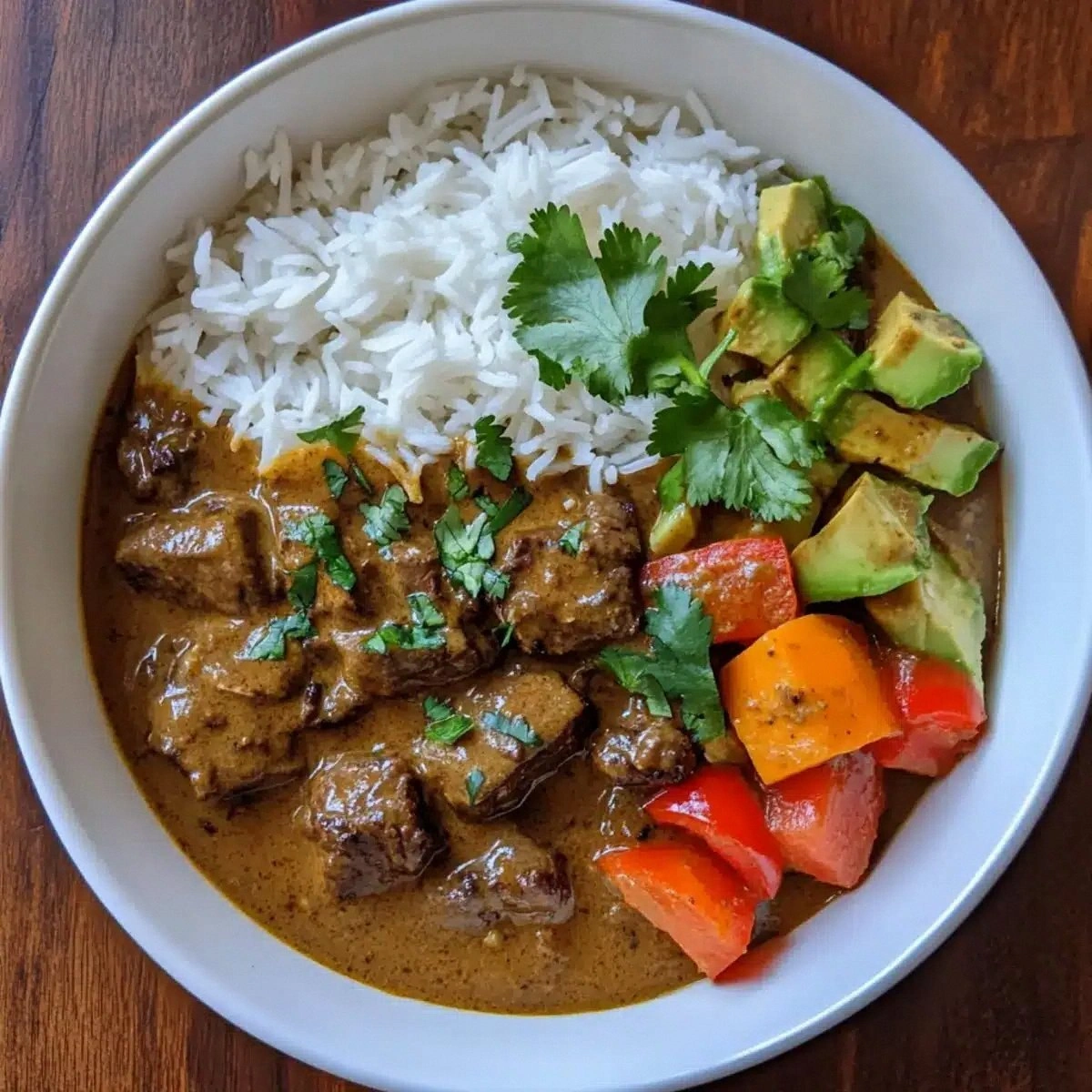
The Method — Step by Step
- Season and Sear the Beef: Pat the beef dry, then season generously with salt, pepper, cumin, coriander, turmeric, and chili powder. Heat the Instant Pot on “Sauté” mode, add a splash of oil, and sear the beef cubes until golden brown on all sides. The sear locks in flavor and creates a caramelized crust that elevates the dish. While searing, you’ll hear that satisfying sizzle—absolute perfection. Once browned, set the beef aside.
- Saute Aromatics: In the same pot, add diced onion, minced garlic, and grated ginger. Cook until the onions turn translucent and the mixture smells fragrant—about 3–4 minutes. This step builds a flavor base that’s richer than raw aromatics alone. If you prefer a deeper flavor, toast the ginger for an extra minute before adding the onion.
- Deglaze and Build Flavor: Pour a splash of water or broth to deglaze the pot, scraping up all the browned bits. Stir in tomato paste, stirring until it’s fully incorporated and slightly caramelized. This caramelization adds a subtle sweetness and helps thicken the sauce later.
- Add Coconut Milk and Tamarind: Pour in the coconut milk, then stir in tamarind paste until fully dissolved. The sauce should look glossy and slightly thick. The tamarind’s acidity will start to mingle with the coconut’s richness, creating a balanced base that will develop during pressure cooking.
- Return Beef and Seal: Gently nestle the seared beef back into the pot, ensuring it’s submerged in the sauce. Close the lid, set the valve to “Sealing,” and select “Manual” or “Pressure Cook” on high pressure for 25 minutes. The pressure cooker’s gentle heat will break down the beef’s connective tissue, resulting in melt‑in‑your‑mouth tenderness.
- Natural Release: Once the cooking cycle completes, allow the pressure to release naturally for 10 minutes before manually venting any remaining pressure. This slow release helps the beef stay juicy and prevents splattering. The aroma will intensify, and you’ll know the dish is ready.
- Prepare Rice: While the curry rests, rinse 2 cups of basmati or jasmine rice until water runs clear. Add the rice, 4 cups of water, and a pinch of salt to a saucepan or rice cooker, and cook until fluffy. The rice will soak up the sauce, making each bite a harmonious blend of textures.
- Finish with Cilantro and Serve: Stir in a handful of fresh cilantro into the curry, allowing the heat to wilt the herbs slightly. Serve the curry over the cooked rice, and provide warm naan on the side. The naan is perfect for dipping, and the cilantro adds a fresh pop that balances the rich sauce.
- Enjoy: Take a moment to admire the steam rising, the colors, and the aroma. Plate the dish, and watch your guests’ eyes light up. That’s the moment you’ll remember for years—because this Instant Pot coconut tamarind beef curry is a game‑changer.
That's it — you did it. But hold on, I've got a few more tricks that'll take this to another level...
Insider Tricks for Flawless Results
The Temperature Rule Nobody Follows
Many cooks assume that higher pressure always means better results, but that’s not true for this dish. Keep the pressure at medium‑high; too high can cause the beef to become mushy, while too low won’t break down the connective tissue. I’ve found that the Instant Pot’s “Manual” setting at high pressure for 25 minutes is the sweet spot for tenderness.
Why Your Nose Knows Best
Before you open the lid, pause for a moment and inhale the aroma. If the smell is overwhelmingly sweet, you’re missing the tamarind’s bite; if it’s too sharp, the coconut is dominating. Use your nose as a guide to adjust seasoning in future batches—add more salt, a pinch of sugar, or a splash of lime to balance.
The 5-Minute Rest That Changes Everything
After the pressure cycle, let the curry rest for 5 minutes before serving. This brief pause allows the flavors to meld, creating a more cohesive taste. It also gives the sauce a chance to thicken slightly, making it easier to coat the beef and rice.
Use a Splatter Guard While Searing
When searing the beef, the oil can splatter, creating a mess and potential burn hazard. A splatter guard keeps the pot clean and prevents the oil from escaping, so you can focus on searing without distractions.
Keep the Rice Separate Until Serving
Cooking rice in the same pot as the curry can dilute the flavors. Cook the rice separately, then combine just before serving. This ensures the rice stays fluffy and each bite is a balanced blend of rice, beef, and sauce.
Finishing Touch: Fresh Cilantro
Adding cilantro right before serving brightens the dish and adds a layer of freshness. If you’re not a fan of cilantro, try fresh parsley or a squeeze of lime for a different bright note.
Creative Twists and Variations
This recipe is a playground. Here are some of my favorite ways to switch things up:
Spicy Sriracha Kick
Replace the chili powder with 1 tablespoon of Sriracha for an extra punch. The sauce will have a bright, spicy undertone that pairs beautifully with the coconut’s sweetness.
Vegetarian Version
Swap the beef for firm tofu or tempeh. Sear the protein first, then follow the same steps. The result is a plant‑based curry that still delivers the same depth of flavor.
Thai Twist
Add 2 tablespoons of fish sauce and a handful of sliced lemongrass for an authentic Thai vibe. The fish sauce introduces umami, while lemongrass adds citrusy freshness.
Sweet Banana Curry
Incorporate diced ripe plantains into the pot during the last 5 minutes of pressure cooking. The banana’s natural sweetness complements the tamarind’s tang and creates a dessert‑like curry.
Cheesy Finale
Stir in 1/2 cup of shredded mozzarella or cheddar at the very end, letting it melt into the sauce. The cheese adds a creamy, indulgent twist that turns the dish into a comfort‑food classic.
Low‑Calorie Swap
Use light coconut milk and reduce the amount of rice to 1 cup. Add extra vegetables like spinach or bell peppers for volume without adding calories.
Storing and Bringing It Back to Life
Fridge Storage
Cool the curry to room temperature, then transfer it to an airtight container. Store in the refrigerator for up to 3 days. The flavors will deepen, making reheated portions even more delicious.
Freezer Friendly
For longer storage, freeze the curry in freezer‑safe containers or zip‑lock bags for up to 3 months. Thaw overnight in the fridge, then reheat on the stovetop with a splash of water to restore moisture.
Best Reheating Method
Reheat in a saucepan over medium heat, adding a tiny splash of water or broth to prevent drying. Stir frequently until the sauce reaches a gentle simmer, then serve immediately. The water helps the sauce regain its silky texture.