Picture this: I was standing in a kitchen that smelled like burnt toast and disappointment. A friend dared me to make a cauliflower dish that would wow a crowd. I stared at the florets, wondering if they could ever feel the love of a garlic‑parmesan coating. The only thing left was to trust my instincts and a secret recipe that had survived generations. I set the timer, because timing is everything when you’re about to turn a vegetable into a star. This is how a culinary mishap turned into a culinary triumph.
The moment the cauliflower hit the pan, it released a caramelized aroma that made my nose twitch. The sizzling sound was like a promise that something delicious was about to happen. As the edges browned, a faint crackle echoed, signaling the start of flavor. I could almost taste the sharpness of garlic, the buttery depth of parmesan, and the subtle nuttiness of the roasted florets. The texture was a perfect balance between tender centers and crisp edges that shatter like thin ice. By the end, the kitchen was filled with a golden glow and the unmistakable scent of victory.
What sets this version apart is the way it layers flavors without overwhelming the cauliflower. It’s not just about roasting; it’s about infusing the florets with a buttery garlic broth that coats each piece like velvet. The parmesan is grated finely, so it melts into a silky crust that crisps up just enough. The secret lies in the timing of adding the butter and the cheese, which creates a glossy finish that invites the palate. I dare you to taste this and not go back for seconds because the first bite already sings. And the best part? It’s a one‑pan wonder that keeps the cleanup to a minimum.
The trickiest part of the recipe is the moment you add the cheese. Too early, and it melts into a soggy mess; too late, and the cauliflower stays dry. I discovered that a splash of warm chicken broth or even a dash of milk right before the cheese helps it melt into a silky coating. This subtle tweak turns a simple roasted cauliflower into a gourmet experience. Most recipes get this completely wrong, but here’s what actually works. The result is a golden crust that holds its shape, delivering a crunch that’s satisfying without being brittle.
If you’ve ever struggled with getting cauliflower to taste anything but bland, you’re not alone. I’ve tried everything from plain salt and pepper to heavy sauces, but none matched the simplicity and depth of this dish. The key is to let the garlic and parmesan do the heavy lifting, while the olive oil and butter provide a rich base. The flavor profile is a harmonious blend of savory, nutty, and slightly sweet, with a hint of citrus from the parsley. Picture yourself pulling this out of the oven, the whole kitchen smelling incredible, and your guests asking for the recipe. That sizzle when it hits the pan? Absolute perfection.
Alright, let’s walk through every single step together. By the end, you’ll wonder how you ever made it any other way. I’ll keep you side by side, offering tips, jokes, and a few kitchen hacks along the way. So grab your apron, preheat that oven, and let’s turn humble cauliflower into a showstopper. Remember, the secret is in the timing and the love you pour into each step. Ready? Let’s dive in.
What Makes This Version Stand Out
- Flavor Depth: The combination of fresh garlic, buttery olive oil, and aged parmesan creates a taste that lingers on the palate. The subtle heat from a pinch of crushed red pepper adds a gentle kick without overpowering the natural sweetness of the cauliflower.
- Texture Perfection: The florets emerge from the oven with a tender center and a crisp, caramelized exterior that crackles delightfully. The cheese forms a silky crust that holds its shape, offering a satisfying bite that’s neither soggy nor dry.
- One‑Pan Simplicity: All the action happens on a single sheet pan, eliminating the need for multiple pots and pans. This means less cleanup and more time to enjoy the aroma that fills your kitchen.
- Crowd‑Pleaser Factor: Whether you’re hosting a dinner party or feeding the family, this dish receives rave reviews. Guests often ask for the recipe, and you’ll be the hero of the night.
- Ingredient Quality: Using high‑quality parmesan and fresh garlic elevates the dish from ordinary to extraordinary. The difference is palpable in every bite.
- Make‑Ahead Friendly: The roasted cauliflower can be prepared ahead of time and reheated without losing its crispness. This makes it perfect for busy weekdays or last‑minute gatherings.
- Nutritional Balance: Packed with protein from the cheese, healthy fats from the olive oil, and fiber from the cauliflower, this dish is both delicious and wholesome.
Inside the Ingredient List
The Flavor Base
Garlic: Fresh minced garlic infuses the dish with a robust, aromatic profile that lingers long after you’ve finished eating. If you’re sensitive to raw garlic, a quick sauté in the olive oil before adding the cauliflower will mellow its bite while still delivering that essential punch. Swap for roasted garlic cloves for a sweeter, caramelized flavor, or use garlic powder for a more subtle note.
Olive Oil: A generous splash of extra‑virgin olive oil coats the florets, ensuring even roasting and preventing sticking. For a heart‑healthy alternative, try avocado oil, which offers a higher smoke point and a neutral flavor that lets the garlic shine. The key is to coat the cauliflower evenly; a light mist is all you need.
Salt and Pepper: Seasoning is the backbone of any great dish. Salt enhances the natural sweetness of the cauliflower, while freshly ground pepper adds a gentle heat that balances the richness of the cheese. If you’re watching sodium, use a low‑sodium seasoning blend and adjust to taste.
The Texture Crew
Cauliflower Florets: Choose a medium‑size head of cauliflower, as it provides a good balance of tender stems and robust florets. Cut the florets into uniform pieces to ensure even roasting; uneven sizes can lead to some parts being over‑cooked while others remain raw. If you prefer a softer texture, leave the stems attached for a more rustic feel.
Butter: Adding a tablespoon of unsalted butter at the right moment creates a glossy finish and deepens the flavor profile. If you’re vegan or dairy‑free, a splash of coconut oil can mimic the buttery richness without the dairy. Butter also helps the parmesan melt into a silky coating.
Chicken Broth or Water: A splash of warm broth or water right before adding the cheese keeps the cauliflower moist and prevents the cheese from clumping. If you’re aiming for a lower sodium version, use a homemade broth or a low‑sodium option. For a hint of umami, try a dash of soy sauce or fish sauce.
The Unexpected Star
Parmesan Cheese: Grated finely, parmesan melts into a golden crust that crisps just enough to provide texture. The aged flavor of parmesan adds depth, and the cheese’s natural saltiness complements the garlic and olive oil. For a sharper taste, use a more mature parmesan; for a milder profile, choose a younger cheese.
Fresh Parsley: Chopped parsley not only adds a pop of color but also a bright, herbaceous note that cuts through the richness. If parsley is out of season, try cilantro or basil for a different twist. A handful of parsley also helps balance the dish’s overall flavor profile.
The Final Flourish
Lemon Zest: A sprinkle of fresh lemon zest adds a bright, citrusy finish that brightens the dish. It also balances the richness of the cheese and butter, creating a more rounded flavor. If you don’t have a zester, a fine grater works well.
Crushed Red Pepper: A pinch of crushed red pepper offers a subtle heat that complements the garlic. It’s optional but recommended for those who enjoy a little spice. Use sparingly to avoid overpowering the dish.
Everything's prepped? Good. Let's get into the real action...
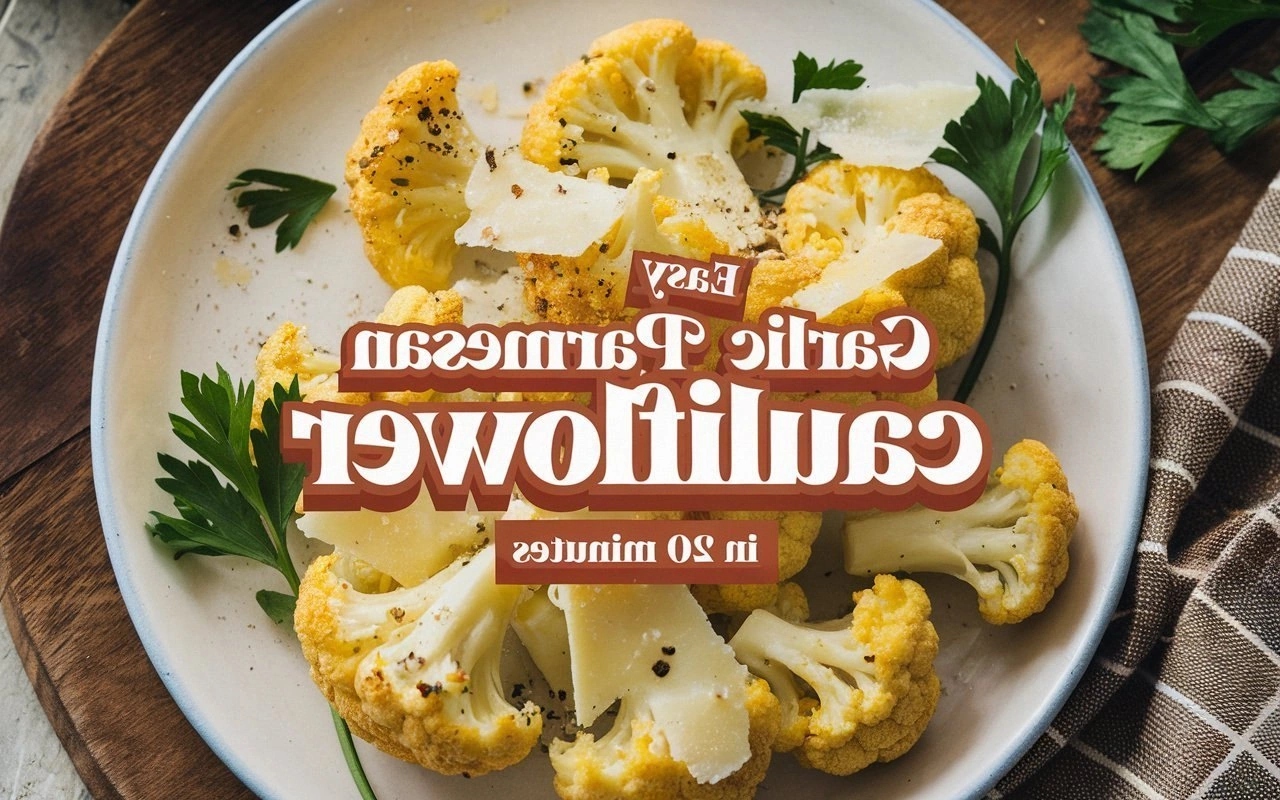
The Method — Step by Step
- Preheat your oven to 425°F (220°C). Line a large baking sheet with parchment paper to prevent sticking. Lightly grease the parchment with a tablespoon of olive oil or a non‑stick spray. This step ensures the cauliflower will roast evenly and develop a beautiful golden crust.
- Wash the cauliflower head under cold water and pat dry. Separate the florets, trimming the stem into bite‑sized pieces for even cooking. Place the florets in a large bowl, discarding any tough outer leaves. The uniform size will guarantee consistent roasting.
- In the same bowl, add the minced garlic, olive oil, salt, and pepper. Toss the cauliflower until every floret is evenly coated. This coating not only prevents burning but also infuses the florets with aromatic flavors that will caramelize in the oven.
- Spread the coated cauliflower in a single layer on the prepared baking sheet. Roast for 15 minutes, then remove the sheet and gently stir the florets to promote even cooking. The edges should start to brown and develop a slight crunch.
- Add the butter, a splash of warm chicken broth, and the grated parmesan to the sheet. Toss the cauliflower again so the cheese melts into a silky coating. This step creates a glossy, golden crust that’s irresistible.
- Return the sheet to the oven for another 10 minutes, or until the cauliflower is tender and the cheese crust is golden brown. Keep a close eye on the color; you want a beautiful amber hue without burning. The final roasting step locks in the flavors and gives the dish its signature crunch.
- Remove the pan from the oven and sprinkle freshly chopped parsley and a pinch of lemon zest over the top. Let the dish rest for 5 minutes to allow the flavors to meld. The rest period also lets the cheese set into a silky coating that’s easier to serve.
- Serve immediately while the cauliflower is still warm and the crust is crisp. Pair it with a light salad or a protein of your choice for a balanced, satisfying meal. Enjoy the burst of savory, nutty flavor that will leave everyone craving more.
That's it — you did it. But hold on, I've got a few more tricks that'll take this to another level...
Insider Tricks for Flawless Results
The Temperature Rule Nobody Follows
Many cooks think that a lower oven temperature is gentler, but for cauliflower, a high heat of 425°F is essential to develop that caramelized exterior. The intense heat sears the florets quickly, sealing in moisture while creating a crisp, golden crust. If you’re using a convection oven, reduce the temperature by 25°F to avoid over‑browning.
Why Your Nose Knows Best
The aroma of garlic roasting in olive oil is a reliable indicator that the cauliflower is halfway done. A fragrant, toasty scent means the sugars are caramelizing, signaling that it’s time to flip the florets. Trust your nose; it’s the best judge of doneness.
The 5‑Minute Rest That Changes Everything
Letting the cauliflower rest after roasting allows the steam to redistribute, ensuring even moisture and a uniform texture. The cheese coating also sets during this time, making it easier to scoop without tearing. Skipping this step can result in a less cohesive dish.
How to Avoid Over‑Roasting
Keep an eye on the color rather than the time alone. The florets should be bright golden and slightly charred on the edges. If you notice the edges burning, reduce the heat or remove the pan for a few minutes.
The Secret to a Crispy Crust
Sprinkling a thin layer of grated parmesan on top before the final roast gives the crust an extra crunch. The cheese melts into a crisp sheet that separates from the cauliflower, creating a delightful textural contrast. Don’t forget to whisk the cheese into the butter for a silky finish.
Pairing Perfection
This dish pairs wonderfully with a light, citrusy salad or a protein like grilled chicken or salmon. The richness of the cauliflower balances with the brightness of the salad, creating a harmonious meal. For a vegetarian option, serve it with a hearty lentil stew.
Creative Twists and Variations
Spicy Sriracha Kick
Swap a pinch of crushed red pepper with a teaspoon of sriracha for a fiery version. The heat pairs beautifully with the buttery garlic, creating a dish that’s bold and comforting. This twist is perfect for spice lovers who crave an extra kick.
Creamy Broccoli Fusion
Replace cauliflower with broccoli florets for a different vegetable base. Add a splash of heavy cream before roasting to create a richer, creamier texture. The broccoli’s natural sweetness complements the parmesan for a decadent side.
Herb‑Infused Greek Twist
Replace parsley with chopped dill and add a tablespoon of feta cheese after roasting. The dill’s bright flavor and feta’s tang create a Mediterranean vibe that’s refreshing and savory. This variation is ideal for a Greek‑inspired meal.
Cheesy Bacon Bites
Cook diced bacon until crisp, then mix it into the cauliflower before roasting. The smoky bacon flavor elevates the dish, while the cheese still provides the creamy coating. This version is a crowd‑pleaser for bacon enthusiasts.
Vegan Parmesan Alternative
Use a plant‑based parmesan substitute or nutritional yeast to keep the dish dairy‑free. The nutty flavor of nutritional yeast adds depth without compromising the creamy texture. This option is great for vegans or those with dairy sensitivities.
Mediterranean Olive Oil Boost
Drizzle extra virgin olive oil and a squeeze of lemon juice after roasting. The citrusy brightness lifts the dish, making it feel lighter and fresher. This simple addition brings a Mediterranean flair that’s both elegant and easy.
Storing and Bringing It Back to Life
Fridge Storage
Store leftovers in an airtight container in the refrigerator for up to 3 days. The cauliflower will retain its texture if you keep it sealed, preventing it from drying out. Reheat gently to preserve the golden crust.
Freezer Friendly
Freeze the roasted cauliflower in portioned containers for up to 2 months. Label each container with the date to keep track. Thaw in the refrigerator overnight before reheating to maintain flavor.
Best Reheating Method
Reheat in a preheated oven at 350°F (175°C) for 10 minutes, or until warmed through. Add a splash of water or broth to the pan to keep the cauliflower moist. This method restores the crispness of the crust without drying out the florets.