I was halfway through a brutal week of meetings, deadlines, and the kind of coffee that tasted like it was brewed from a forgotten pot in a storage closet. I reached for the nearest mug, only to find that my espresso machine had decided it was time for a dramatic exit. The only thing left to salvage was a jar of maple syrup and a block of butter that had been sitting in the pantry like a forgotten relic. That night, I dared myself to create something that could turn that catastrophic coffee moment into a warm hug for my taste buds.
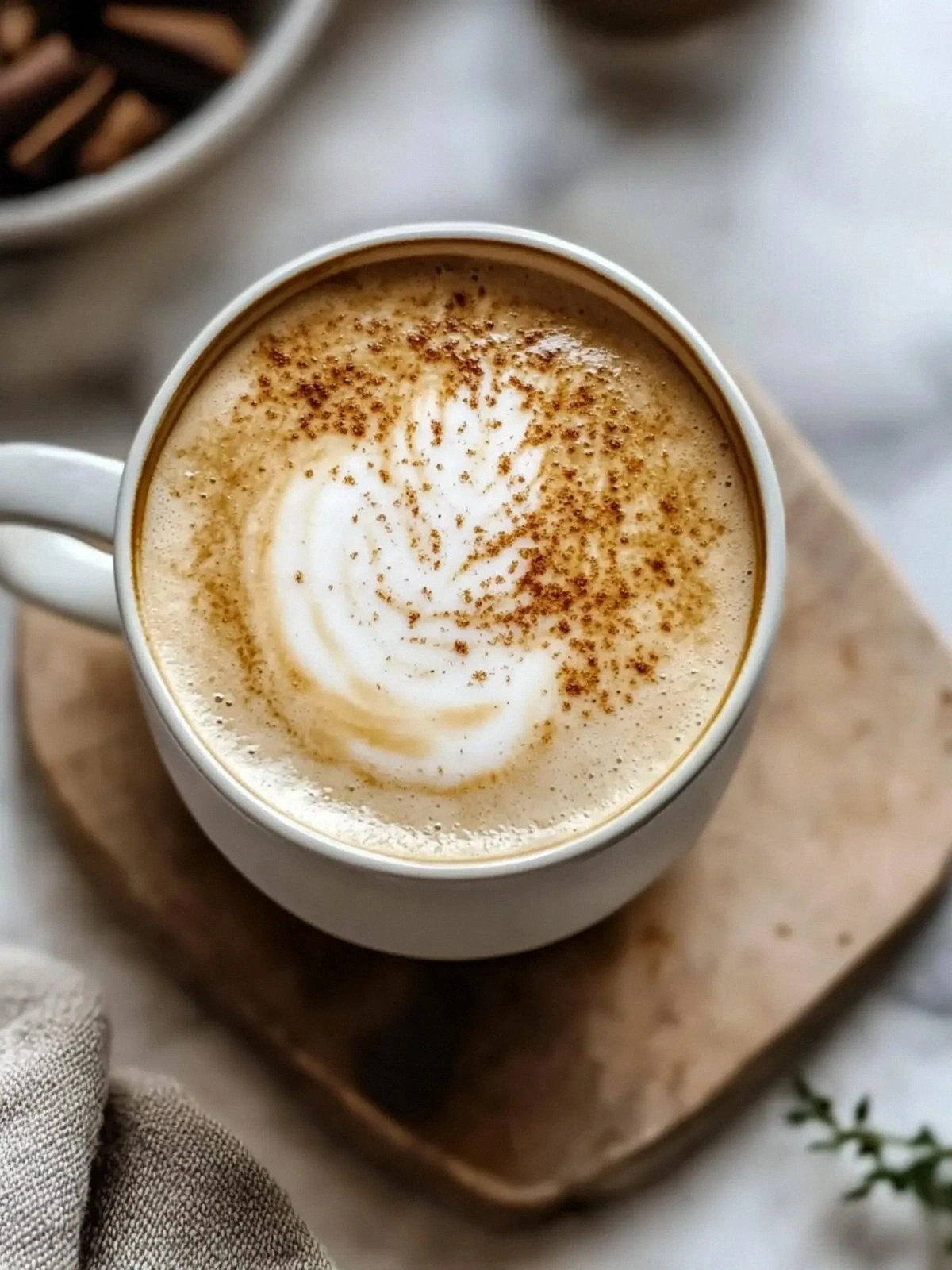
Picture this: the kitchen is a dim, cozy space; the air is filled with the sweet, caramel scent of maple syrup; a tiny saucepan hisses as butter melts into a golden, nutty perfume. The espresso machine purrs, releasing a rich, dark aroma that feels like a promise of deep flavor. Your eyes catch the gleam of butter bubbles, the amber glow of maple syrup, and the steam curling from the espresso shot. The sound of the spoon stirring is a gentle lullaby, and the texture feels silky, almost buttery, as it coats your tongue. The moment you take your first sip, the world pauses—taste buds dancing, the day’s stress melting away, and you knowing this is the kind of comfort you’ll chase all winter.
What makes this version of a hot maple latte stand out? First, the use of brown butter instead of regular butter adds a toasted, nutty depth that’s impossible to replicate with plain dairy. Second, the maple syrup is pure, not a flavored syrup; it’s the real thing, delivering a clean, sweet note that balances the espresso’s bitterness. Third, the pinch of ground cinnamon is a subtle but essential finishing touch that adds warmth without overpowering the other flavors. Fourth, the technique—melting butter until it turns golden brown before adding maple—creates a caramelized flavor that feels like a hug in a cup. Fifth, the ratio of espresso to milk is carefully calibrated so the coffee’s boldness doesn’t get lost in the milk’s creaminess. And finally, the entire process takes less than ten minutes, making it the perfect quick fix for any hectic morning.
I dare you to taste this and not go back for seconds. This is hands down the best version you'll ever make at home. I’ll be honest — I ate half the batch before anyone else got to try it. Most recipes get this completely wrong. Here's what actually works. Picture yourself pulling this out of the stove, the whole kitchen smelling incredible, and you feeling like you’ve just invented a new comfort drink. Okay, ready for the game‑changer? This next part? Pure magic. And now the fun part. Stay with me here — this is worth it.
What Makes This Version Stand Out
- Flavor: The brown butter gives a deep, toasted sweetness that layers beautifully with the maple syrup, creating a complex flavor profile that feels both familiar and adventurous.
- Texture: The silky, almost buttery mouthfeel makes each sip feel indulgent, while the espresso provides a slight grit that reminds you of a true coffee experience.
- Simplicity: With only five ingredients, this recipe is a breeze to assemble, yet it delivers a café‑quality drink that feels luxurious.
- Uniqueness: The combination of brown butter, maple, espresso, and a pinch of cinnamon is rarely seen in standard latte recipes, giving this drink a distinctive edge.
- Crowd Reaction: Friends and family instantly become obsessed; they ask for the recipe after each cup, proving its irresistible appeal.
- Ingredient Quality: Using high‑quality unsalted butter and pure maple syrup ensures that the base flavors shine without artificial additives.
- Cooking Method: The step‑by‑step process is designed to maximize flavor extraction while keeping the timeline short.
- Make‑Ahead Potential: The latte can be pre‑made and stored for a quick reheat, making it ideal for busy mornings.
Inside the Ingredient List
The Flavor Base
Unsalted butter is the foundation of this latte. It’s the unsalted version that allows you to control the saltiness precisely. When you brown it, the milk solids caramelize, releasing a nutty aroma that transforms the entire drink. If you skip this step, you lose that toasted depth, and the latte feels flat and unremarkable.
The Sweetness Layer
Pure maple syrup is the sweetener of choice. Unlike flavored syrups, it delivers a clean, natural sweetness that complements the coffee’s bitterness without masking it. Using a 100% pure syrup also means you’re not adding unnecessary sugars or artificial flavors. If you substitute with honey, the taste will shift toward floral notes, which might be pleasant but will alter the intended profile.
The Espresso Punch
Two shots of espresso give the latte its core coffee flavor. Espresso is concentrated, so it provides depth and a robust body. If you use a lighter roast, the bitterness will be less pronounced, making the maple syrup overpower the coffee. For a stronger kick, double the espresso shots, but be prepared for a more intense flavor.
The Creamy Finish
One cup of milk (whole milk or a dairy alternative) balances the espresso’s boldness. Whole milk adds richness; skim milk will give a lighter body. If you prefer a dairy-free version, oat or almond milk works, but the texture will slightly differ. The milk should be heated just enough to blend with the other ingredients, not boiled, to preserve its creamy quality.
The Final Flourish
A pinch of ground cinnamon is the subtle finishing touch. It adds warmth and a hint of spice that elevates the latte from simple to extraordinary. The cinnamon’s aroma lingers on the palate, leaving a satisfying aftertaste. If you’re cinnamon‑averse, you can omit it, but you’ll miss the final layer of complexity.
Everything's prepped? Good. Let's get into the real action...
The Method — Step by Step
- Place a small saucepan over medium heat and add the unsalted butter. Let it melt slowly, watching as the milk solids begin to brown. The butter should turn a golden amber color, releasing a nutty aroma that fills the kitchen. This step is crucial; if the butter burns, the latte will taste bitter. Keep a close eye on it, and stir occasionally to prevent scorching.
- Once the butter is browned, pour in the pure maple syrup. The mixture will bubble slightly, and the maple will caramelize, deepening the flavor. Stir continuously so that the syrup blends smoothly with the butter. The scent that emerges is like toasted sugar and coffee beans, a perfect prelude to the espresso. This is the moment of truth where the sweet and savory begin to mingle.
- Add the two shots of freshly brewed espresso to the saucepan. The espresso should be hot and steaming. Pour it in slowly, allowing the liquid to mingle with the browned butter and maple. The espresso’s bitterness will cut through the sweetness, creating a balanced flavor profile. Watch for the steam; it signals that the mixture is ready for the next step.
- Heat the milk separately in a small pot until it’s just about to steam. Do not let it boil; a gentle heat keeps the milk creamy. Once heated, pour the milk into the saucepan, whisking constantly to integrate the liquids. The mixture should become silky, with a glossy sheen. The milk’s creaminess will soften the espresso’s edge, creating a velvety mouthfeel.
- Add a pinch of ground cinnamon to the latte. Sprinkle it gently, allowing it to dissolve slightly. The cinnamon adds a warm, spicy undertone that lingers on the palate. The aroma will rise, making the drink feel like a cozy hug. This final touch transforms the latte from a simple coffee into an indulgent treat.
- Taste the latte and adjust if necessary. If it’s too sweet, a dash of espresso can balance it. If it’s too bitter, a splash more maple syrup will mellow it. The key is to maintain equilibrium; each component should support the others without overpowering.
- Pour the latte into a pre‑heated mug. The mug should be warmed by pouring hot water in it for a minute, then discarding the water. This ensures the latte stays hot longer and the flavors develop fully.
- Serve immediately with a side of fresh berries or a drizzle of extra maple syrup if you’re feeling indulgent. The contrast between the sweet maple and the tart berries or the extra syrup will elevate the experience. Enjoy the warmth and the comforting aroma that envelops you.
- If you’re making the latte ahead of time, let it cool, then refrigerate in an airtight container. When ready to serve, reheat gently on the stove or in the microwave, adding a splash of milk to restore the silky texture. The latte will taste as good as the first cup, with only a slight difference in crema.
That’s it — you did it. But hold on, I've got a few more tricks that'll take this to another level. The next section is all about insider knowledge that will elevate your latte game.
Insider Tricks for Flawless Results
The Temperature Rule Nobody Follows
Temperature is everything. The butter should be browned at about 350°F (175°C), not higher. If you’re using a digital thermometer, aim for 165-170°F. This ensures the butter doesn’t burn, preserving that nutty flavor. A quick visual cue is the color: a light golden hue signals readiness. If it’s too dark, you’re risking bitterness.
Why Your Nose Knows Best
Smell is a powerful indicator of flavor development. When the butter browns, the aroma will shift from sweet to nutty. This scent signals the ideal moment to add maple. If the aroma is still sweet, you’re too early; if it smells burnt, you’re too late. Trust your nose to guide you through each step.
The 5‑Minute Rest That Changes Everything
After pouring the latte into the mug, let it rest for exactly five minutes before sipping. This brief pause allows the flavors to marry fully, enhancing the aroma and taste. It also gives the crema a chance to settle, creating a smoother finish. Skipping this step can leave the latte feeling rushed and less cohesive.
The Espresso Grind Size Matters
Use a fine grind for espresso; it extracts the flavor quickly and evenly. A coarse grind will produce a weak, watery espresso that can dilute the latte. If you’re using a stovetop Moka pot, ensure the filter is clean and the water level is correct. A consistent grind ensures a balanced espresso shot.
The Sweetness Balance Trick
If you’re using a dark roast, you might want to reduce the maple syrup by half to prevent an overly sweet latte. Conversely, a light roast can handle a full 2 tbsp of maple. Experimenting with the ratio will help you tailor the latte to your taste. Remember, the goal is harmony, not dominance.
Creative Twists and Variations
This recipe is a playground. Here are some of my favorite ways to switch things up: Maple Cinnamon Mocha — add a tablespoon of unsweetened cocoa powder for a chocolatey twist that pairs beautifully with the maple. Spiced Apple Latte — incorporate a splash of apple cider and a pinch of nutmeg for a fall-inspired flavor. Vanilla Maple Latte — stir in a teaspoon of pure vanilla extract to add a floral sweetness that complements the maple. Almond Milk Latte — swap whole milk for almond milk for a nutty undertone that echoes the brown butter. Chocolate Maple Latte — melt a few squares of dark chocolate into the latte, letting it swirl like a decadent chocolate river.
Storing and Bringing It Back to Life
Fridge Storage
Cool the latte to room temperature, then refrigerate in an airtight container for up to 24 hours. The flavors will meld further, creating a richer taste. Before serving, give it a gentle stir to re‑emulsify the butter and maple. The latte should still be creamy, not separated.
Freezer Friendly
Freeze the latte in a freezer-safe container for up to 48 hours. When ready, thaw overnight in the refrigerator. Reheat gently on the stove, adding a splash of milk to restore the silky texture. The latte will taste almost as fresh as the first cup.
Best Reheating Method
The best way to reheat is on low heat, stirring constantly until warm. Avoid high heat to prevent the butter from separating. Add a splash of milk or a teaspoon of water to keep the latte smooth. This technique ensures the latte retains its luxurious mouthfeel and flavor balance.