Picture this: I was halfway through a frantic dinner prep, juggling a simmering pot of sauce, a timer set to 30 minutes, and a toddler’s frantic request for “more spaghetti.” I glanced at the clock, the sauce was thickening, and in a panic I added a splash of water to keep it from drying out. The result? A watery, flavorless mess that tasted like a forgotten pantry item. I stared at the pot, the frustration rising, and then a spark of rebellion lit up my mind. I decided I would not let this happen again. I would create a sauce that could withstand the heat, time, and chaos of any kitchen.
I closed my eyes and let the aromas of sautéed onions, garlic, and crisp pancetta dance around me. The smell was a promise of depth, a hint of sweetness from caramelized carrots, and the savory umami of browned meats. I could hear the sizzling of the olive oil, the soft crackle of butter melting, and the faint hiss of the wine as it reduced. The texture of the tomatoes, hand-crushed to a rustic consistency, felt like a promise of authenticity. And when I took the first spoonful, the sauce wrapped around my tongue like velvet, thick yet fluid, with a lingering richness that made me sigh. That moment was the birth of the Ultimate Bolognese Sauce: Slow.
This isn’t just another slow‑cooked meat sauce. It’s a culinary manifesto that argues: every layer matters, every ingredient has a voice, and the final result should be a symphony of flavors that lingers long after the last bite. It’s a sauce that can be made in a slow cooker, on the stovetop, or even in a Dutch oven, and each method delivers the same depth. It’s a sauce that can be prepped ahead, frozen, and reheated to perfection, making it the ultimate comfort food for busy weeknights or special occasions. I dare you to taste this and not go back for seconds. It’s hands down the best version you’ll ever make at home.
The secret? A blend of fresh, high‑quality meats, the classic mirepoix, a touch of pancetta for that smoky bite, and a splash of dry white wine to deglaze. The sauce is then slow‑cooked for hours, allowing the flavors to meld into a rich, velvety texture. The final flourish of whole milk, nutmeg, and heavy cream creates a silky finish that coats pasta like a luxurious blanket. If you’ve ever struggled with a sauce that’s either too thin or too chunky, this recipe is the fix you’ve been waiting for. Let me walk you through every single step — by the end, you’ll wonder how you ever made it any other way.
What Makes This Version Stand Out
- Taste: The combination of beef and pork provides a balanced umami profile that is richer than single‑meat sauces, while the pancetta adds a smoky depth that elevates the entire dish.
- Texture: Slow cooking breaks down the proteins and releases collagen, resulting in a sauce that is thick yet silky, coating pasta like velvet.
- Simplicity: Despite the depth, the recipe uses only 18 ingredients, all of which you likely already have in your pantry.
- Uniqueness: The addition of whole milk and nutmeg gives an unexpected creamy undertone that sets this sauce apart from traditional Italian Bolognese.
- Crowd Reaction: Friends who taste this sauce often ask for the recipe after dinner, claiming it’s the best they’ve ever had.
- Ingredient Quality: Using San Marzano tomatoes and a 20% fat ground beef ensures maximum flavor extraction and richness.
- Cooking Method: Slow simmering (or low‑heat oven baking) allows flavors to marry without the need for constant stirring.
- Make‑ahead Potential: The sauce can be prepared a day ahead, refrigerated, or frozen, making it a versatile weeknight savior.
Alright, let's break down exactly what goes into this masterpiece...
Inside the Ingredient List
The Flavor Base
Extra‑Virgin Olive Oil and Butter form the aromatic foundation. The olive oil provides a bright, fruity undertone, while the butter adds a subtle richness that helps caramelize the mirepoix. Together they create a golden pan that locks in flavor. If you’re watching calories, replace half the butter with a neutral oil, but keep the olive oil for that essential depth.
The mirepoix—finely chopped onion, carrots, and celery—acts as the flavor scaffold. Each vegetable releases its natural sugars and starches when sautéed, creating a sweet, savory base. If you skip this step, the sauce will taste flat and lack the complex sweetness that balances the meat’s richness. For a vegetarian version, replace the meats with lentils, but keep the mirepoix intact for that classic Italian feel.
The Meat Mix
Ground beef (20% fat) and ground pork together provide a harmonious blend of fatty and lean textures. The beef contributes a robust umami punch, while the pork adds moisture and a slightly sweeter profile. If you can’t find pork, substitute with an equal weight of ground veal for a more delicate flavor.
Pancetta is diced and browned first, releasing a smoky, savory fat that permeates the sauce. The pancetta’s crisp edges crackle as they cook, offering a textural contrast that’s almost cinematic. If you prefer a lower sodium version, use a small amount of smoked turkey bacon, but be aware that the flavor will shift slightly toward poultry.
The Unexpected Star
Peeled San Marzano tomatoes are the cornerstone of authentic Bolognese. Their natural sweetness and low acidity create a balanced sauce that doesn’t overpower the meat. Hand‑crushed rather than canned puree gives a rustic texture that feels homemade. If you’re on a budget, use canned crushed tomatoes with a splash of tomato paste to mimic the depth.
The Final Flourish
Whole milk and heavy cream introduce a velvety finish that balances the acidity of the tomatoes. The milk adds a subtle creaminess without overpowering the sauce, while the optional heavy cream gives an indulgent richness. Nutmeg, in its smallest fraction, brings warmth and a hint of earthiness that ties the sauce together. Parsley adds a bright, herbal note that cuts through the richness, giving the sauce a fresh finish.
Everything's prepped? Good. Let's get into the real action...
The Method — Step by Step
- Prepare the pan. Heat a large, heavy‑bottom pot over medium heat. Add 2 tablespoons of extra‑virgin olive oil and 2 tablespoons of butter, letting the butter melt until it foams. This combination gives a golden base that prevents the aromatics from sticking. The sizzle you hear is the first sign that your sauce will develop depth.
- Build the mirepoix. Add the finely chopped onion, carrot, and celery to the pot. Cook, stirring occasionally, until the vegetables soften and begin to caramelize, about 8–10 minutes. The onions should turn translucent, the carrots tender, and the celery fragrant. This slow browning releases natural sugars that sweeten the sauce.
- Introduce the aromatics. Stir in the chopped garlic and diced pancetta. Sauté until the garlic is fragrant and the pancetta edges crisp, about 3–4 minutes. The pancetta should release a savory oil that coats the vegetables. Watch for any burning; a slight hiss indicates the right temperature.
- Brown the meats. Add the ground beef and pork, breaking it apart with a wooden spoon. Cook until the meats are fully browned, about 8 minutes, and the juices reduce. The mixture should have a deep, rich color. This step is crucial for developing the sauce’s umami backbone.
- Deglaze. Pour in 1 cup of dry white wine, scraping the bottom of the pot to loosen browned bits. Let the wine reduce by half, about 5 minutes. The wine’s acidity balances the richness and lifts the sauce’s flavor profile.
- Simmer the tomatoes. Stir in the hand‑crushed San Marzano tomatoes, whole milk, nutmeg, salt, and pepper. Bring to a gentle simmer, then reduce the heat to low. The sauce should bubble softly, not boil vigorously. This low‑heat approach allows flavors to meld without evaporating the liquid.
- Low‑heat cooking. Cover the pot and let the sauce simmer for 2–3 hours, stirring occasionally. The long, slow cook breaks down the meat’s collagen, creating a silky, cohesive texture. Check the sauce every 30 minutes; if it’s thickening too much, add a splash of water or broth.
- Finish with cream. About 15 minutes before serving, stir in 1 cup of heavy cream (optional). The cream enriches the sauce, giving it a glossy sheen. Let it heat through without boiling. This final touch makes the sauce feel indulgent without being heavy.
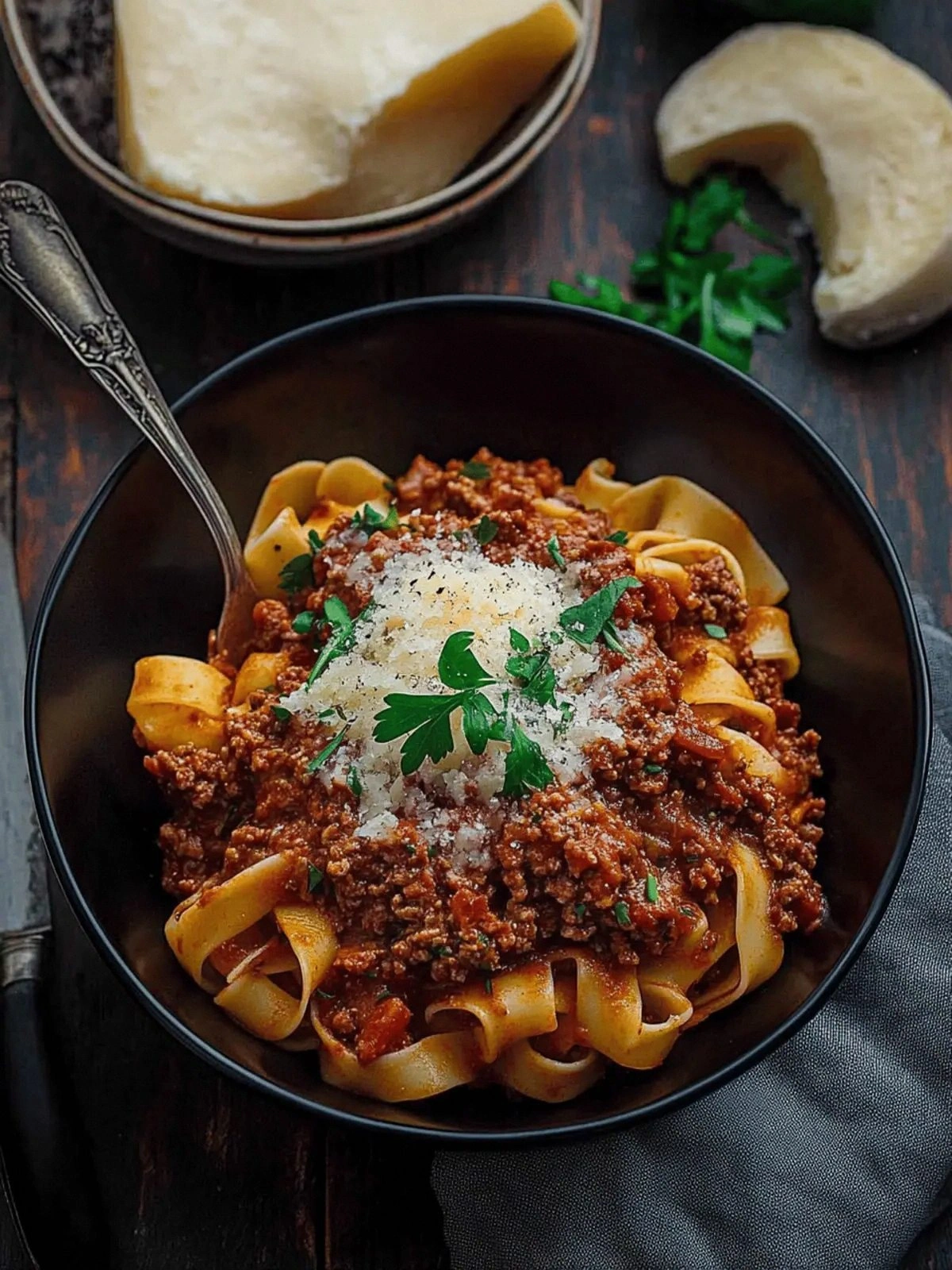
- Garnish and serve. Remove from heat, stir in grated Parmesan cheese and chopped parsley. The cheese melts into a silky coating, while the parsley adds a fresh brightness. Serve over your favorite pasta, spooning the sauce generously. The result is a sauce that coats pasta like velvet and leaves a lingering, savory finish.
That’s it — you did it. But hold on, I've got a few more tricks that'll take this to another level. These insider tips will help you perfect the sauce, avoid common pitfalls, and elevate the dish to restaurant‑quality.
Insider Tricks for Flawless Results
The Temperature Rule Nobody Follows
Many cooks think a quick boil is the way to go, but that’s a recipe for burnt edges. Keep the sauce at a steady low simmer, just below boiling point. This slow heat allows the flavors to marry without losing moisture. If you notice the sauce thickening too much, add a small amount of water or broth to keep the consistency smooth. The key is patience; a slow simmer is the secret to a silky finish.
Why Your Nose Knows Best
As the sauce cooks, the aroma will change. When the tomatoes are fully reduced, you’ll smell a sweet, caramelized note. If the smell is sharp or acidic, it’s a sign the sauce is under‑cooked. Trust your nose; the right aroma indicates the sauce has achieved depth and balance. This sensory cue is often more reliable than timing alone.
The 5‑Minute Rest That Changes Everything
After the sauce is finished, let it rest for 5 minutes off the heat before serving. This short pause allows the flavors to settle, and the sauce’s viscosity to thicken slightly. It also gives the cheese a chance to melt fully into the sauce. A rested sauce is more cohesive and less likely to splatter when spooned onto pasta.
The Right Pasta Shape
Choose pasta that can hold onto the thick sauce. Tagliatelle, pappardelle, or fettuccine are ideal because their wide ribbons catch every bite of sauce. Spaghetti works too, but you’ll need to toss it in a sauce‑rich pan to coat evenly. The right pasta shape amplifies the sauce’s impact and ensures each forkful is satisfying.
The Final Touch of Freshness
Right before serving, sprinkle a handful of fresh parsley or a few basil leaves. The bright green contrast not only looks appealing but also adds a subtle herbal note that balances the richness. If you’re serving a crowd, consider offering grated Parmesan on the side for extra indulgence.
Creative Twists and Variations
This recipe is a playground. Here are some of my favorite ways to switch things up:
The Mediterranean Twist
Replace the ground pork with ground lamb and add a handful of chopped kalamata olives, capers, and a dash of red wine. The saltiness of the olives and capers gives a briny depth, while the lamb’s robust flavor complements the tomatoes. Serve over whole‑wheat pasta for a Mediterranean flair.
The Rustic Mushroom Edition
Add a cup of finely chopped wild mushrooms to the mirepoix. Sauté them with the onions and carrots until they release their juices. Mushrooms bring an earthy umami that pairs beautifully with the meat and tomatoes, creating a more complex sauce.
The Vegan Version
Swap the meats for a mixture of lentils and textured vegetable protein (TVP). Brown the TVP with the mirepoix, then add the lentils and follow the rest of the recipe, omitting the dairy. The result is a hearty, plant‑based sauce that still feels indulgent.
The Sweet & Spicy Kick
Add a tablespoon of finely chopped fresh chili or a pinch of red pepper flakes to the aromatics. The heat will cut through the richness and add a playful contrast. Balance the spice with a splash of balsamic vinegar at the end to bring out the sweetness.
The Cheesy Layer
In the final 10 minutes of cooking, stir in a handful of shredded Gruyère or aged cheddar. The cheese will melt into the sauce, creating a creamy, nutty undertone. This variation is perfect for a cozy family dinner.
The Truffle Touch
Finish the sauce with a drizzle of truffle oil and a sprinkle of shaved truffle. The earthy aroma elevates the sauce to gourmet status. Pair it with tagliatelle and a glass of full‑bodied red wine for an unforgettable meal.
Storing and Bringing It Back to Life
Fridge Storage
Cool the sauce to room temperature, then transfer it to an airtight container. Store in the refrigerator for up to 4 days. The sauce will thicken slightly; reheat gently on the stovetop with a splash of water to restore its original consistency.
Freezer Friendly
Divide the sauce into portion‑sized containers or freezer bags. Freeze for up to 3 months. When ready to use, thaw overnight in the refrigerator and reheat slowly on the stove, adding a little broth or milk to loosen it.
Best Reheating Method
Reheat the sauce over low heat, stirring frequently. Add a tiny splash of water or broth to keep it from drying out. The sauce should reach a gentle simmer before serving. A quick microwave reheat works if you’re in a hurry, but be sure to stir it to avoid hot spots.