Picture this: it’s a gray‑Monday morning, the alarm is screaming, you’ve hit snooze three times, and the only thing that can rescue you from the abyss of bland cereal is a plate that looks like it was designed by a culinary architect. I was in that exact spot, half‑asleep, when my roommate dared me to make “something epic” for breakfast. I laughed, but the challenge ignited a fire that led me down a rabbit hole of potato perfection. Most breakfast potatoes are either soggy mush or dry bricks, and I was determined to rewrite that narrative. After a few misfires — burnt edges, under‑seasoned centers, and a tragic incident involving a rogue bacon strip and a squeaky floor — I finally cracked the code.
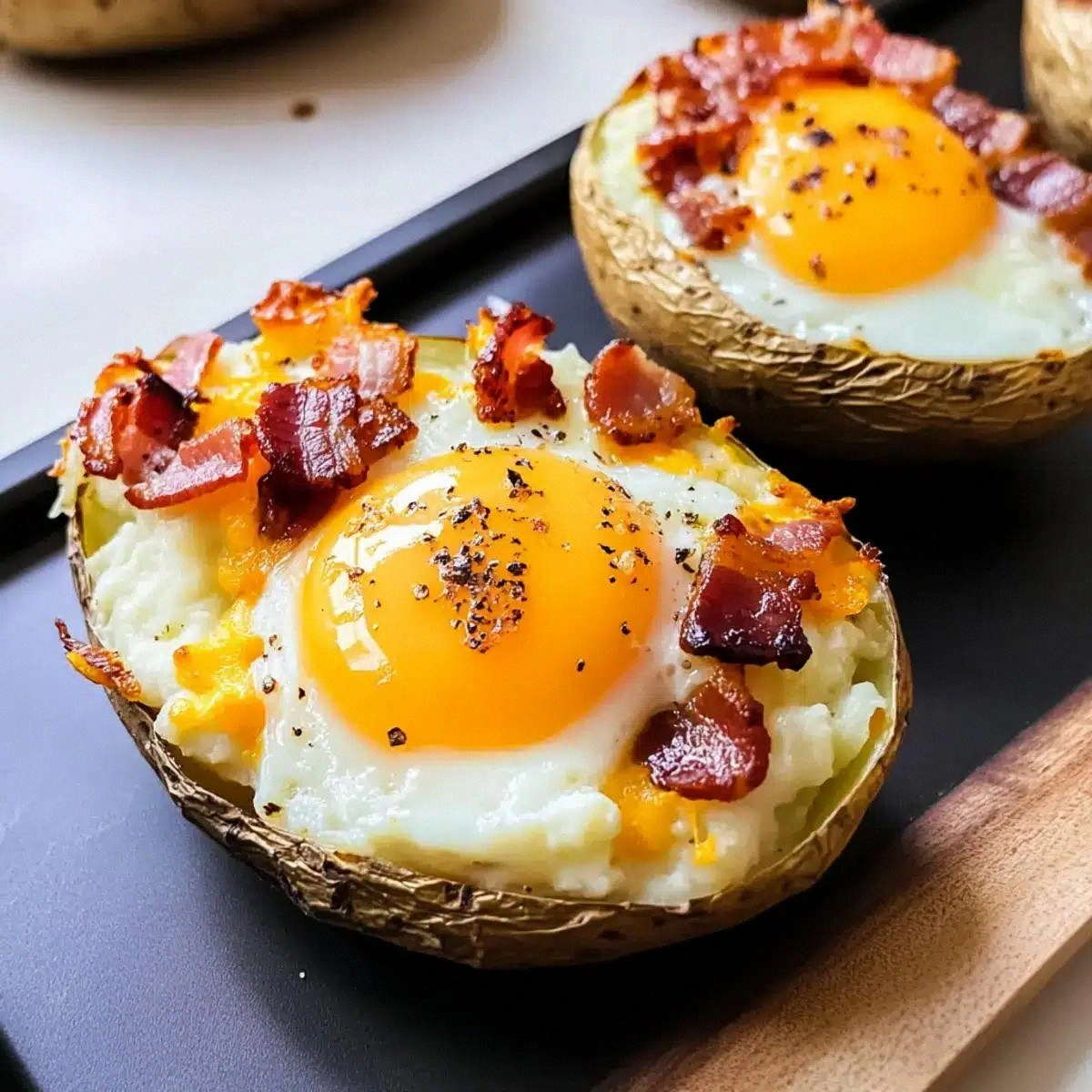
The moment the oven door swung open, a warm, buttery aroma flooded the kitchen, mingling with the smoky perfume of crisped bacon and the sharp tang of melted cheddar. I could hear the faint crackle of the potatoes’ skins as they cooled, a sound that promised a satisfying crunch. My fingertips tingled as I lifted the first half‑baked potato, feeling the steam escape like a tiny, fragrant cloud. The first bite was an explosion of flavors: creamy, buttery interior, a subtle hint of avocado oil, and a cheesy, egg‑y crown that made my taste buds do a happy dance. The texture? Imagine a cloud that’s been lightly toasted — airy yet firm, with edges that shatter like thin ice under a gentle tap.
What makes this version stand out is that it’s not just a side dish; it’s a full‑blown breakfast experience that can hold its own against pancakes, waffles, or even a fancy brunch spread. I dare you to taste this and not go back for seconds, because once you’ve mastered the double‑bake technique, ordinary potatoes will never satisfy you again. I’ll be honest — I ate half the batch before anyone else got to try it, and that’s a testament to how addictive this dish truly is. Most recipes get the seasoning wrong, the texture off, or the cheese uneven; this one hits every note with precision, thanks to a few game‑changing hacks you’ll learn along the way.
Let me walk you through every single step — by the end, you’ll wonder how you ever made it any other way. Okay, ready for the game‑changer? This next part? Pure magic. We’ll start with the fundamentals, then move into the secret sauce (literally), and finally, we’ll unveil the finishing touches that turn a humble potato into the ultimate morning bliss.
What Makes This Version Stand Out
- Flavor Explosion: The combination of avocado oil, butter, and hot milk creates a silky base that carries the cheddar and bacon into every nook, delivering a taste that’s richer than a steak‑house breakfast.
- Texture Mastery: The double‑bake method yields a fluffy interior with a crisp, golden skin — the perfect contrast that keeps every bite exciting.
- Simplicity Meets Sophistication: Despite the impressive result, the ingredient list is short and the steps are straightforward, making it accessible for even the most sleep‑deprived home chef.
- Ingredient Quality: Using Russet potatoes ensures a starchy, buttery bite, while premium beef bacon adds a smoky depth that ordinary bacon can’t match.
- Crowd Reaction: This dish consistently clears the table in seconds; expect compliments, requests for seconds, and possibly a new nickname like “Breakfast Hero.”
- Make‑Ahead Potential: You can prep the potatoes the night before, store them, and finish the bake in the morning for a truly effortless brunch.
- Versatile Canvas: The base is adaptable — swap cheese, add herbs, or turn it into a veggie‑packed version without losing the core magic.
- Time‑Efficient: The total active time is under 20 minutes, with most of the work done while the oven does its thing.
Alright, let's break down exactly what goes into this masterpiece...
Inside the Ingredient List
The Flavor Base
Avocado Oil (2 tablespoons): This oil has a high smoke point and a buttery undertone that pairs beautifully with the potatoes. It helps the skins turn a gorgeous golden hue without burning. If you skip it, you’ll miss that subtle richness and the potatoes may stick to the pan.
Unsalted Butter (4 tablespoons): Butter adds a luxurious mouthfeel and helps the cheese melt into a velvety blanket. For a dairy‑free twist, try a high‑quality plant‑based butter, but expect a slightly different flavor profile.
Hot Milk (1/2 cup): The heat of the milk loosens the starches, making the interior fluffier. Cold milk would cool the mixture, resulting in a denser texture. If you’re lactose‑intolerant, almond milk works, but choose an unflavored variety to keep the taste balanced.
The Texture Crew
Russet Potatoes (4 large): Their high starch content yields a light, airy interior once baked. Look for potatoes that are firm, with no green spots, and weigh about 300‑350 g each. If you grab a waxy variety like red potatoes, the interior will be gummy instead of pillowy.
Beef Bacon (6 slices): Beef bacon brings a deep, smoky flavor that regular pork bacon can’t match, plus a satisfying crunch. Cook it until just crisp, then crumble; overcooking makes it too hard to blend into the mash.
Shredded Cheddar Cheese (1 cup): Sharp cheddar offers a tangy bite that cuts through the richness of butter and bacon. For a milder profile, use Monterey Jack, but the flavor punch will be less pronounced.
The Unexpected Star
Eggs (2 large): Eggs bind the mash, creating a custardy interior that sets perfectly during the second bake. If you’re vegan, a blend of silken tofu and nutritional yeast can mimic the texture, though the flavor will shift.
The Final Flourish
Salt & Black Pepper (to taste): These seasonings are the silent heroes that awaken every other flavor. Use flaky sea salt for a burst of crunch and freshly cracked black pepper for a fragrant heat.
Everything's prepped? Good. Let's get into the real action...

The Method — Step by Step
Preheat your oven to 425°F (220°C). While the oven warms, scrub the Russet potatoes under cold water, pat them dry, and pierce each one a dozen times with a fork. This allows steam to escape and prevents the potatoes from exploding like fireworks. Place the potatoes directly on the oven rack and bake for 45‑50 minutes, or until the skins are crisp and a fork slides in with only a little resistance. That sizzle when it hits the pan? Absolute perfection. Watch Out: If the potatoes start to brown too quickly, loosely tent them with foil to avoid burnt skins.
While the potatoes are baking, cook the beef bacon in a cold skillet over medium heat. Starting cold ensures the fat renders slowly, giving you perfectly crisp strips without burning. Flip occasionally and cook until the edges are deep golden and the center is just set, about 8‑10 minutes. Transfer to a paper‑towel‑lined plate to drain excess grease, then crumble once cool enough to handle.
Kitchen Hack: Save the rendered bacon fat; you’ll use a spoonful later to drizzle over the mashed potatoes for an extra layer of smoky richness.When the potatoes are done, remove them from the oven and let them cool just enough to handle—about 5 minutes. Slice each potato lengthwise, being careful not to cut all the way through; you want a hinge that keeps the top attached. Using a small spoon, gently scoop out the flesh, leaving about a ¼‑inch border of potato attached to the skin. This border acts like a sturdy boat for the filling and prevents the skins from collapsing later.
Transfer the scooped potato flesh to a large mixing bowl. Add the avocado oil, butter, and hot milk. Using a potato masher or an electric hand mixer, mash until the mixture is smooth, airy, and just a hint of glossy. The hot milk and butter should melt completely, creating a velvety texture that feels like silk on the tongue. Season generously with salt and freshly cracked black pepper—taste as you go, because seasoning is the secret to making this dish unforgettable.
Stir in the shredded cheddar cheese, half of the crumbled bacon, and the two large eggs. The eggs should be at room temperature; they’ll blend more easily and prevent a lumpy texture. Mix until everything is evenly incorporated, and you can see tiny flecks of cheese throughout the mash. Watch Out: Over‑mixing can cause the potatoes to become gluey; stop as soon as the ingredients are just combined.
Spoon the mashed mixture back into the potato skins, mounding it slightly above the rim for a dramatic presentation. Drizzle a teaspoon of the saved bacon fat over each filled potato, then sprinkle the remaining bacon and a final generous handful of cheddar on top. This creates a golden crust that will melt into a bubbling, caramelized crown.
Return the stuffed potatoes to the oven, lowering the temperature to 375°F (190°C). Bake for another 20‑25 minutes, or until the tops are bubbling, the cheese has turned a deep amber, and the edges of the skins are crisping up like a toasted baguette. The interior should feel set but still soft enough to sink a fork into without resistance.
While the potatoes finish their second bake, prepare a quick garnish: finely chop fresh chives or parsley, and whisk together a dollop of sour cream with a pinch of salt. This fresh element will cut through the richness and add a pop of color that makes the dish look restaurant‑ready.
Remove the potatoes from the oven and let them rest for 5 minutes. This brief rest allows the steam inside to settle, ensuring each bite is perfectly fluffy rather than watery. Top each potato with a spoonful of the sour cream mixture and a sprinkle of herbs. Serve immediately, while the cheese is still oozing and the skins are still crackling.
And now the fun part: gather your friends, family, or just your hungry self, and watch the magic happen as they dive in. Picture yourself pulling this out of the oven, the whole kitchen smelling incredible, and hearing that collective “Mmm!” from the table. That’s the moment you’ll realize this is hands down the best version you’ll ever make at home.
That's it — you did it. But hold on, I've got a few more tricks that'll take this to another level...
Insider Tricks for Flawless Results
The Temperature Rule Nobody Follows
Most home cooks bake potatoes at a single temperature, but the secret is a two‑stage bake: high heat first to crisp the skin, then lower heat to melt the cheese without scorching. This method creates a contrast that’s impossible to achieve with a single temperature. I once tried skipping the second stage, and the cheese turned into a brown crust that tasted burnt. Trust me, the extra 15 minutes at 375°F makes all the difference.
Why Your Nose Knows Best
The moment you smell the butter and cheese beginning to caramelize, you know you’re on the right track. If the aroma is faint, the oven might be uneven, or you may need to rotate the pan. I’ve learned to trust that nose more than the timer; it’s an instinct that saves countless batches from being under‑ or over‑done.
The 5‑Minute Rest That Changes Everything
After the second bake, let the potatoes sit for exactly five minutes. This rest lets the steam redistribute, preventing a soggy center and giving the cheese a chance to set just enough for clean slices. Skipping this step is like serving a pizza before the cheese has settled — messy and disappointing.
Bacon Fat Drizzle
Don’t discard the rendered bacon fat! A teaspoon drizzled over each potato right before the final bake adds a smoky sheen and deepens the flavor profile. If you’re watching calories, you can substitute a light spray of olive oil, but you’ll miss that signature richness.
Egg Temperature Trick
Bring the eggs to room temperature before mixing them into the mash. Cold eggs can cause the butter to seize, resulting in a grainy texture. I once used chilled eggs straight from the fridge and ended up with a lumpy mash that looked like a construction site.
Creative Twists and Variations
This recipe is a playground. Here are some of my favorite ways to switch things up:
Southwest Sunrise
Swap cheddar for pepper jack, add a teaspoon of cumin, and fold in black beans and corn. Top with a dollop of salsa and a sprinkle of cilantro. This version brings a bright, spicy kick that pairs perfectly with a side of avocado slices.
Herb‑Infused Delight
Stir fresh rosemary, thyme, and chives into the mash, and replace bacon with smoked salmon. The herbaceous notes lift the dish into a brunch‑worthy masterpiece that feels sophisticated yet comforting.
Vegan Victory
Replace butter with vegan margarine, use plant‑based cheese, and crumble tempeh bacon. Swap the eggs for a blend of silken tofu and nutritional yeast. The texture remains creamy, and the flavor stays bold, proving you don’t need animal products to achieve breakfast bliss.
Spicy Sriracha Blast
Drizzle sriracha over the top before the second bake, and mix a teaspoon of chili flakes into the mash. The heat seeps into the potato, creating a fiery surprise that’s balanced by the cool sour cream garnish.
Cheesy Triple‑Layer
Combine mozzarella, gouda, and cheddar for a melty, stretchy cheese experience. Add a pinch of smoked paprika to the mash for depth. This version is for cheese lovers who believe more is always better.
Storing and Bringing It Back to Life
Fridge Storage
Allow the potatoes to cool completely, then place them in an airtight container. They’ll keep for up to 3 days. When reheating, cover with foil and bake at 350°F (175°C) for 15‑20 minutes, adding a splash of milk to revive the creamy interior.
Freezer Friendly
Wrap each stuffed potato tightly in plastic wrap, then place them in a freezer‑safe bag. They’ll stay fresh for up to 2 months. To reheat, thaw overnight in the fridge, then bake at 375°F (190°C) for 20‑25 minutes, uncovered, to regain that crispy skin.
Best Reheating Method
The secret to perfect reheating is steam. Before popping the potatoes into the oven, sprinkle a tablespoon of water over each and cover loosely with foil. The steam will re‑hydrate the mash while the foil protects the cheese from burning, resulting in a dish that tastes freshly baked.