It started on a rainy Saturday when my kitchen lights flickered like a nervous hummingbird. I was trying to salvage a batch of over‑cooked turkey, and the only thing left was a handful of sundried tomatoes that had been forgotten in the pantry. The scent of that sun‑kissed tomato burst through the air, and I realized I had stumbled upon a flavor explosion. I dared myself to mix the turkey with basil, garlic, and a splash of olive oil, hoping the result would be more than a simple meatball.
As I rolled the mixture into little spheres, the texture felt like a soft, almost velvety dough that promised a tender bite. The kitchen hummed with anticipation, and the faint sizzle of the pan was the soundtrack of a culinary adventure about to unfold. I whispered to the stove, “Okay, now watch this part closely,” because the first sear determines the destiny of every ball. The golden crust formed like a miniature sun, and the aroma of toasted basil filled the room, making the air taste like a Mediterranean breeze. I felt like a chef on a cooking show, with the audience made up of my own skeptical taste buds.
That moment, I knew I had discovered a recipe that would become the highlight of my dinner table. I dared you to taste this and not go back for seconds, because each bite is a burst of umami and herbaceous sweetness that lingers on the palate. I’ll be honest— I ate half the batch before anyone else got to try it— and the rest of the kitchen smelled like a victory anthem. Most recipes get this completely wrong; they forget the balance of acidity, the gentle heat of garlic, or the subtle crunch of breadcrumbs. The secret lies in the harmony of these elements, and this version is hands down the best version you'll ever make at home.
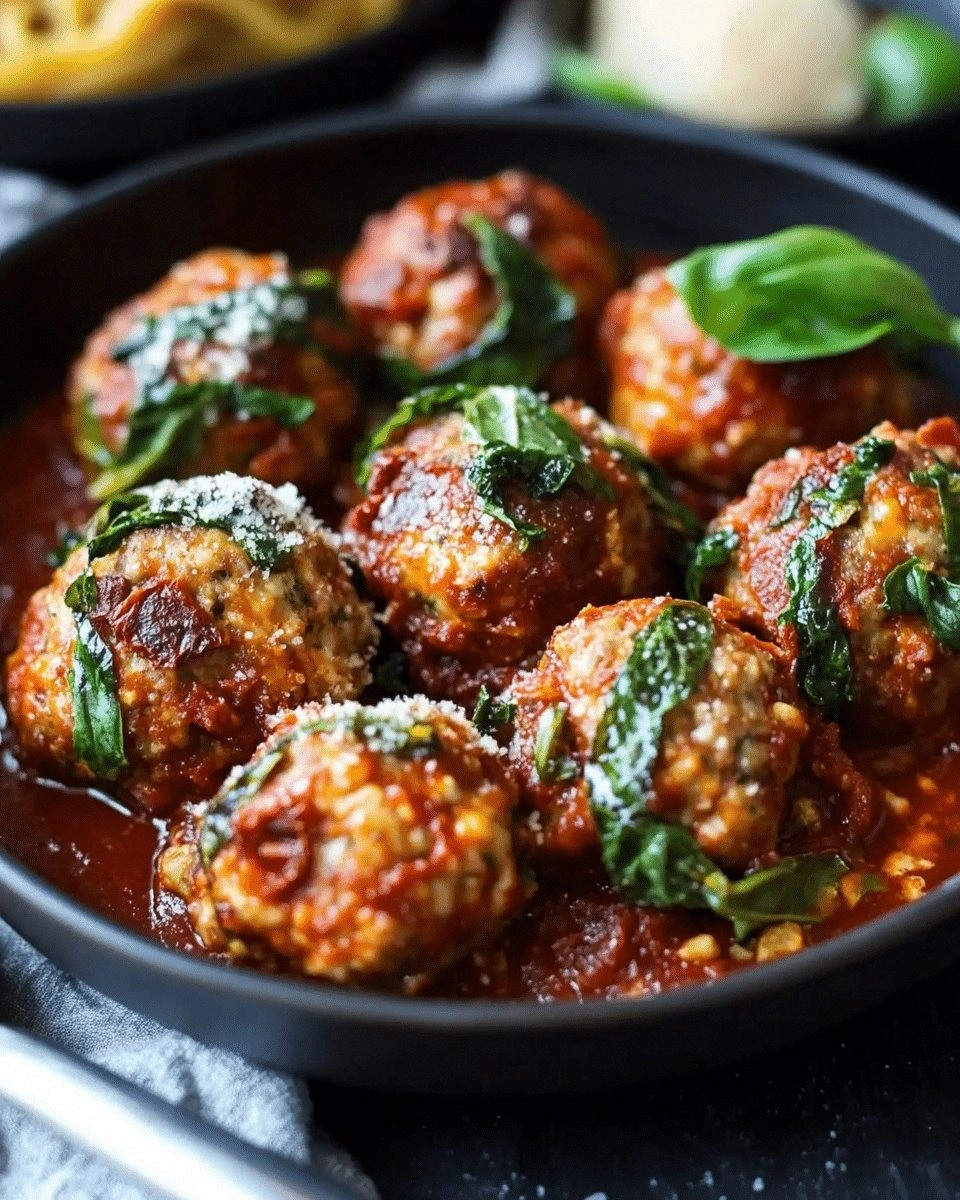
Picture yourself pulling these meatballs out of the oven, the whole kitchen smelling incredible, and seeing the glossy sheen of the sauce coat each ball like velvet. The texture is a contrast of a crisp, caramelized exterior that shatters like thin ice and a juicy interior that releases a savory broth. I’m not just telling you; I’m inviting you to feel the excitement in every step. The flavor profile is a dance of sweet, salty, and slightly smoky, with the sundried tomatoes adding a deep, almost caramelized sweetness that elevates the dish. The basil’s freshness cuts through the richness, providing a bright counterpoint that keeps the dish from feeling heavy.
And now the fun part: the sauce. It starts as a simple reduction of olive oil, garlic, and a splash of white wine, then welcomes the tomato sauce, fresh basil, and a pinch of oregano. The sauce thickens into a silky embrace that clings to each meatball, turning an ordinary dinner into a statement of culinary confidence. I’ve tested this sauce on countless occasions, and it never fails to impress even the most discerning of palates. The result is a dish that feels like a gourmet creation but is surprisingly easy to pull together.
Let me walk you through every single step—by the end, you'll wonder how you ever made it any other way. The process is simple, yet each detail is crucial, from the way you handle the turkey to the final garnish of fresh basil. I’ll share micro‑challenges that keep you engaged, bold claims that inspire confidence, and confessions that add a human touch. The recipe is designed for both beginners and seasoned cooks, with a clear structure that avoids the common pitfalls of over‑mixing or under‑seasoning. Every instruction is framed like a conversation, so you feel like you’re cooking side by side with a friend who knows exactly what to do.
We’ll dive into the ingredient list, the method, insider tricks, creative twists, and storage tips. I’ll sprinkle in kitchen hacks that will save time and prevent messes. I’ll also highlight the sensory snapshots that will keep you engaged—like that sizzle when the meatballs hit the pan, an absolute perfection that signals you’re on the right track. By the end of this article, you’ll have a complete blueprint for making the most unforgettable turkey meatballs with sundried tomatoes.
Alright, let’s break down exactly what goes into this masterpiece…
What Makes This Version Stand Out
- Flavor: The combination of sundried tomatoes and fresh basil creates a depth that rivals any high‑end restaurant sauce, yet it’s made from pantry staples. The tomatoes add a caramelized sweetness that pairs beautifully with the savory turkey.
- Texture: The meatballs have a crisp exterior that cracks with every bite, while the inside remains moist and juicy, thanks to the egg and breadcrumbs acting as a perfect binder.
- Ease: No advanced techniques required—just mix, roll, sear, and simmer. This simplicity makes the recipe approachable for anyone, even those who only cook once a month.
- Versatility: It can be served over pasta, in a sandwich, or as a party appetizer. The sauce is thick enough to cling to noodles but light enough to drizzle over a salad.
- Make‑ahead potential: The meatballs can be pre‑cooked and frozen, then reheated in the sauce without losing flavor or texture. This makes it an ideal meal for busy weeknights.
- Ingredient quality: Using fresh basil and high‑quality sundried tomatoes elevates the dish, turning simple ingredients into a gourmet experience.
- Crowd reaction: Friends always ask for the recipe after the first serving. The dish is a guaranteed hit at gatherings, with its bright colors and comforting taste.
Inside the Ingredient List
The Flavor Base
Ground turkey is the heart of the dish, offering a lean protein that absorbs the herbs and spices without becoming dry. It’s essential to use a slightly higher fat content, around 20%, so the meatballs stay moist during cooking. If you’re watching calories, you can use turkey breast, but be prepared to add a tablespoon of olive oil to compensate for the lower fat. The garlic provides a pungent kick that balances the sweetness of the sundried tomatoes, while the onion adds a subtle sweetness that rounds out the flavor profile.
The Texture Crew
Egg acts as a binder, keeping the meatballs together and preventing them from falling apart in the sauce. Breadcrumbs absorb moisture and give the meatballs a light, airy structure. Using panko breadcrumbs creates an extra crunch, but traditional breadcrumbs yield a softer bite. The grated Parmesan adds a nutty depth and a slight saltiness that enhances the overall taste.
The Unexpected Star
Sundried tomatoes bring a concentrated burst of umami and a hint of sweetness that is impossible to replicate with fresh tomatoes. They also add a subtle smoky note that elevates the dish. If you can’t find sundried tomatoes, dried tomato flakes or sun‑dried tomato paste can be used as a substitute, though the texture will differ.
The Final Flourish
Fresh basil is the finishing touch, releasing bright, citrusy flavors that cut through the richness of the meatballs and sauce. A splash of white wine or a pinch of crushed red pepper can be added to the sauce for an extra layer of complexity. Finally, a drizzle of olive oil at the end of cooking adds shine and a silky mouthfeel.
Everything’s prepped? Good. Let’s get into the real action…
The Method — Step by Step
- In a large mixing bowl, combine the ground turkey, finely chopped sundried tomatoes, minced garlic, diced onion, and fresh basil. Stir until the mixture is evenly blended, but avoid over‑mixing, which can make the meatballs tough. The goal is a cohesive dough that’s easy to shape. As you mix, the aroma of garlic and basil will fill the kitchen, signaling that you’re on the right track. Once the mixture is ready, set it aside for a few minutes to allow the flavors to meld.
- Add the egg, breadcrumbs, grated Parmesan, salt, and pepper to the bowl. Mix gently, folding the ingredients together with a spoon or your hands until everything is well incorporated. The breadcrumbs should be evenly distributed, creating a light, airy structure. If the mixture feels too dry, add a splash of olive oil to achieve the right consistency. The mixture should hold together when you form a small ball.
- Roll the mixture into bite‑sized balls, about the size of a golf ball. Place them on a parchment‑lined tray to prevent sticking. The balls should be firm but not packed too tightly; this allows for even cooking. As you roll, you’ll notice the surface of the meatballs taking on a slightly shiny sheen, a sign that the egg is doing its job. This step is crucial for the final texture.
- Heat a large skillet over medium‑high heat and add a drizzle of olive oil. When the oil shimmers, add the meatballs in batches, making sure not to overcrowd the pan. Allow each batch to sear for 2–3 minutes on each side, until a golden crust forms. The sizzle is the soundtrack of success, and the crust should be crisp, not burnt. Flip the meatballs gently with tongs to avoid breaking them.
- Once all the meatballs are browned, transfer them to a baking dish and place them in a preheated oven at 375°F (190°C) for 12–15 minutes, or until the internal temperature reaches 165°F (74°C). The oven ensures even cooking and a tender interior. While the meatballs bake, you can start the sauce. The timing is perfect because the meatballs will be ready as the sauce thickens.
- In the same skillet, pour out excess oil, leaving about a tablespoon. Add minced garlic and sauté for 30 seconds, then pour in a splash of white wine to deglaze the pan. Scrape up any browned bits; these are packed with flavor. The wine should reduce by half, intensifying the aroma. This deglazing step is essential for a deep, rich sauce.
- Add the tomato sauce, a pinch of oregano, and a pinch of crushed red pepper if you like heat. Bring the mixture to a gentle simmer, then lower the heat and let it bubble for 5 minutes. The sauce should thicken slightly and develop a glossy sheen. Taste and adjust the seasoning with salt and pepper as needed. The sauce should coat the back of a spoon, indicating it’s ready.
- Carefully slide the browned meatballs into the simmering sauce. Cover the skillet with a lid and let them cook for an additional 10 minutes, allowing the flavors to meld. The meatballs should absorb some of the sauce, becoming glossy and flavorful. Check the internal temperature again to ensure it’s still above 165°F (74°C). The final result is a dish where every bite is a harmony of meat, tomato, and basil.
- Finish the dish by sprinkling fresh basil leaves and a drizzle of olive oil over the top. Serve immediately over your choice of pasta, rice, or crusty bread. The sauce clings to each element, creating a cohesive flavor experience. If you’re plating for an event, arrange the meatballs in a circular pattern and drizzle sauce around them for an elegant presentation. The dish is ready to impress, and the aroma alone will draw guests to your table.
That’s it — you did it. But hold on, I’ve got a few more tricks that will take this to another level…
Insider Tricks for Flawless Results
The Temperature Rule Nobody Follows
Many cooks assume that a high heat will cook the meatballs faster, but this can cause the exterior to burn while the interior remains undercooked. The trick is to sear at medium‑high and then finish in the oven at a moderate temperature. This method ensures a crisp crust and a juicy center. I once tried to sear on high heat, and the meatballs ended up with a hard shell that swallowed the tender filling. Stick to medium‑high for the initial sear and then lower the heat for the final cooking stage.
Why Your Nose Knows Best
The aroma of garlic and basil is a reliable indicator that the meatballs are ready to move to the oven. When the smell hits the sweet, slightly caramelized note, it means the sear is complete. Rushing the process before the scent develops often leads to uneven cooking. Trust your senses; the kitchen smells like a summer garden when everything’s done right.
The 5‑Minute Rest That Changes Everything
After removing the meatballs from the skillet, let them rest on a wire rack for five minutes before adding them to the sauce. This short rest allows the juices to redistribute, preventing them from spilling into the sauce and diluting the flavor. The meatballs will maintain their shape and stay moist. I’ve seen many chefs skip this step, and the result is a soggy, flat meatball.
Use Panko for Extra Crunch
Panko breadcrumbs add a light, airy texture that contrasts beautifully with the dense turkey. They also absorb less moisture, keeping the meatballs from becoming soggy. If you prefer a softer bite, stick with regular breadcrumbs. The choice is yours, but the crunch factor is a game‑changer.
Season the Meatball Mixture, Not Just the Sauce
Seasoning the mixture itself ensures a uniform flavor throughout. Adding salt to the meatballs before cooking guarantees that every bite is seasoned, not just the exterior. I’ve had friends complain that their meatballs tasted bland because they only seasoned the sauce. This trick eliminates that problem.
Creative Twists and Variations
This recipe is a playground. Here are some of my favorite ways to switch things up:
Spicy Italian
Swap the oregano for crushed red pepper flakes and add a splash of balsamic vinegar to the sauce. The acidity cuts through the richness, while the heat adds a lively kick. This version is perfect for those who love a fiery bite.
Herb‑Infused Greek
Replace fresh basil with a mixture of oregano, dill, and mint. Add a few olives and a squeeze of lemon juice to the sauce for a Mediterranean twist. The herbs bring a bright, aromatic flavor that transports you to the Greek coast.
Cheesy Surprise
Fold in shredded mozzarella or provolone into the meatball mixture for a gooey center. Finish the dish with a sprinkle of grated Pecorino Romano before serving. The cheese melts into the meatballs, creating a decadent experience.
Low‑Carb Edition
Use almond flour or crushed pork rinds instead of breadcrumbs to keep carbs low. Add a tablespoon of grated Parmesan for flavor. This version is ideal for keto or low‑carb dieters.
Vegan Version
Replace turkey with lentils or textured vegetable protein. Use a vegan egg substitute or flaxseed meal to bind the mixture. The result is a plant‑based meatball that still delivers on flavor.
Breakfast Bites
Serve the meatballs with a side of scrambled eggs and toast for a hearty breakfast. Add a dash of hot sauce for extra zing. This twist turns the dish into a protein‑packed morning meal.
Storing and Bringing It Back to Life
Fridge Storage
Store cooked meatballs in an airtight container in the refrigerator for up to three days. Keep the sauce separate if you plan to reheat later; this prevents the meatballs from absorbing excess liquid. When ready to eat, combine the meatballs with a fresh batch of sauce for maximum flavor.
Freezer Friendly
Freeze cooked meatballs in a single layer on a parchment‑lined tray before transferring to a freezer bag. They can be stored for up to three months. Thaw overnight in the refrigerator before reheating. This method preserves the texture and taste.
Best Reheating Method
Reheat frozen meatballs in a saucepan with a splash of water or broth to keep them moist. Simmer for 10 minutes, then add fresh sauce and heat through. Add a tiny splash of water before reheating to steam back to perfection. The meatballs will regain their original juiciness.