INTRODUCTION
I was standing in my kitchen, staring at a bag of chicken thighs and a jar of smoked paprika, feeling the kind of culinary dread that only a week of takeout can bring. I had promised myself that Saturday night, I would finally move beyond the bland, over‑cooked chicken that had become a staple on my dinner table. The moment I cracked a fresh egg into my bowl, the kitchen air filled with a faint, savory perfume that made my mouth water, and I knew something was about to change.
Picture this: a sizzling pan, the sharp crackle of oil, the bright orange dust of paprika dancing in the air, and the aroma of garlic roasting to a golden brown. The sound of the chicken searing is like a drumbeat that tells you the party has started. I can almost taste the smoky undertones already, a whisper of campfire flavor that will mingle with the creamy richness of a Parmesan sauce. This is not just a recipe; it’s a culinary revelation that will turn your ordinary dinner into an unforgettable experience.
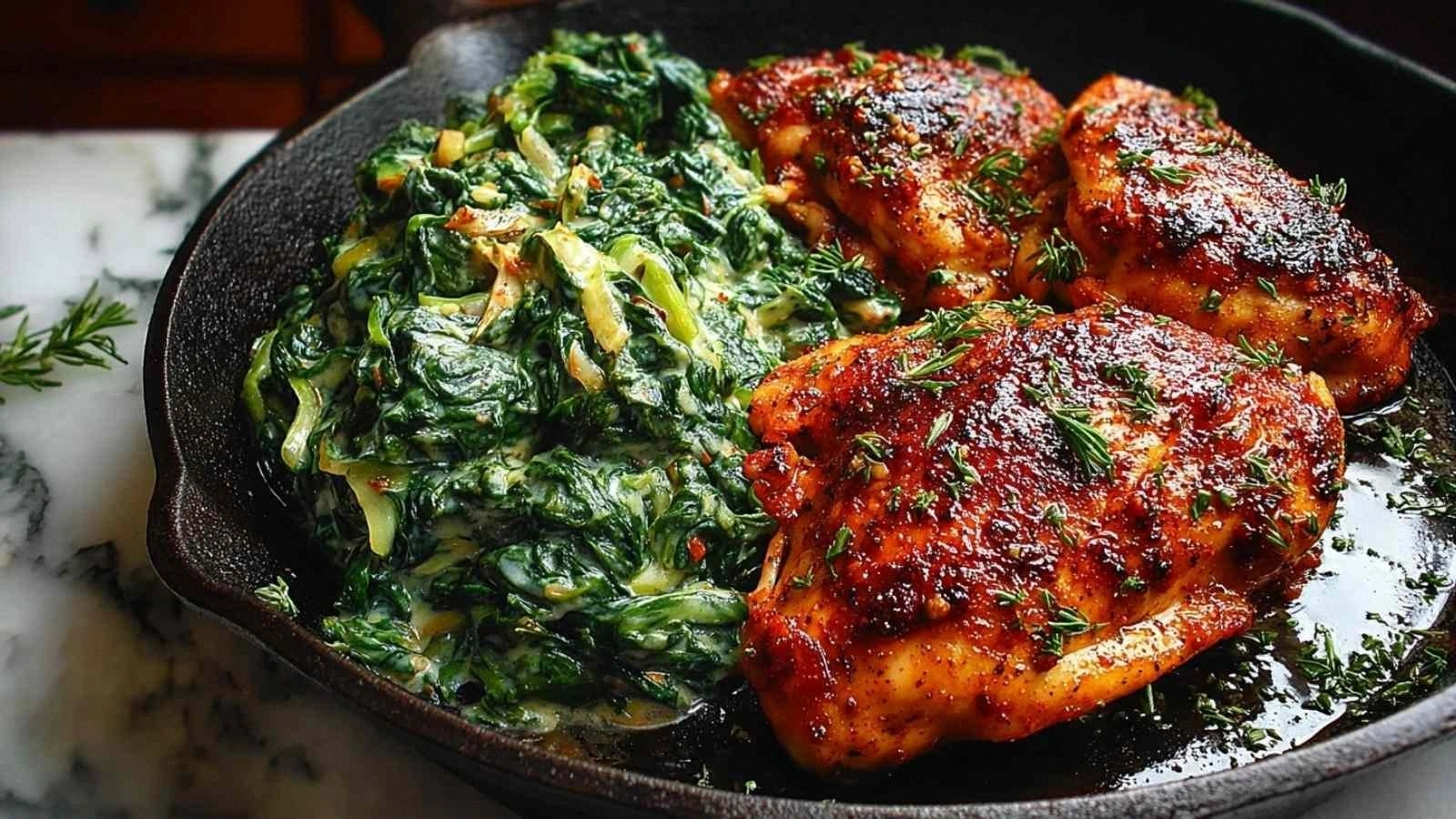
Why does this version stand out? Because it marries the bold, earthy heat of smoked paprika with a velvety spinach‑cheese sauce that coats every bite like silk. The chicken thighs are rendered so tender that the meat practically dissolves on your tongue. I dare you to taste this and not go back for seconds. The result is a dish that is both comforting and daring, a perfect balance of smoky, creamy, and herbaceous notes.
And there’s a twist you won’t expect: a splash of lemon zest that lifts the entire flavor profile, giving it a bright, almost citrusy finish that keeps the heaviness of cream at bay. If you’ve ever struggled with over‑cooked chicken, this method will rescue you. Picture yourself pulling this out of the oven, the whole kitchen smelling incredible, and a plate that looks like it belongs in a Michelin‑star restaurant. Let me walk you through every single step — by the end, you’ll wonder how you ever made it any other way.
What Makes This Version Stand Out
- Taste: The smoky paprika infuses the chicken with a deep, earthy flavor that lingers long after the first bite. The creamy sauce adds a luxurious mouthfeel, while the lemon zest provides a bright counterpoint. Together, they create a symphony of flavors that dance on the palate.
- Texture: The thighs develop a crisp exterior that cracks like thin ice, revealing a juicy interior that practically melts. The sauce, thickened with heavy cream and Parmesan, coats the chicken like velvet, creating a satisfying contrast between crunch and silk.
- Simplicity: Five main ingredients, a handful of pantry staples, and a single pan make this a go-to recipe for busy nights. No need for complicated sauces or exotic spices—just fresh garlic, paprika, and a touch of lemon.
- Uniqueness: The combination of smoked paprika with a creamy spinach sauce is rarely seen in classic chicken recipes. It’s a fusion of Mediterranean and Spanish flavors that feels both familiar and adventurous.
- Crowd Reaction: Friends who try this dish often ask for the recipe twice. The dish is a conversation starter, especially when paired with a simple green salad or crusty bread.
- Ingredient Quality: Fresh, high‑quality spinach, real Parmesan, and organic smoked paprika make the difference. The flavor depth you get from premium ingredients is undeniable.
- Cooking Method: A quick sear followed by a gentle simmer in a pan‑in‑a‑pan technique locks in moisture and flavor without the need for a grill or oven.
- Make‑Ahead Potential: The sauce can be prepared ahead and reheated without losing its silky texture, making it ideal for meal‑prep or entertaining.
Alright, let's break down exactly what goes into this masterpiece...
Inside the Ingredient List
The Flavor Base
Smoked paprika is the star of the show, lending a deep, smoky sweetness that can’t be replicated by regular paprika. It’s derived from dried peppers that are smoked over wood, giving it that characteristic warmth. If you’re on a budget, you can substitute regular paprika, but the smoky nuance will be missing. When using smoked paprika, remember it’s stronger—just a teaspoon is enough to flavor a whole 1.5‑lb chicken thigh bundle.
Garlic, 5 cloves, provides an aromatic backbone. Fresh garlic is essential; pre‑minced or powdered garlic lacks the punch. Crushing the cloves before adding them releases essential oils that infuse the oil and paprika with a fragrant depth. If you’re not a fan of raw garlic, lightly sauté it until it turns golden; the bitterness will mellow into a sweet, caramelized flavor.
The Texture Crew
Heavy cream is the foundation of the sauce’s silky texture. It’s what makes the sauce coat the chicken like a velvet blanket. If you’re watching calories, you can replace half the cream with half‑fat milk, but the sauce will be less rich. The key is to let the cream reduce slowly; this thickens it without curdling.
Parmesan cheese, 1 cup, adds a nutty, salty bite that balances the cream’s richness. Grate the cheese fresh for the best melt. If you’re lactose intolerant, a high‑protein cheese like Pecorino Romano can work, but it will be saltier. The cheese also helps thicken the sauce, giving it body.
The Unexpected Star
Fresh spinach, 10 oz, is the green that brings color and nutrition. It’s cooked down until it’s a deep, glossy green, almost like a forest after a rain. Spinach releases water as it cooks, which helps the sauce thicken. If you can’t find fresh spinach, frozen spinach works too, but be sure to squeeze out excess moisture before adding.
Lemon zest, 1 tablespoon, is the bright spark that cuts through the creaminess. The zest’s oils give a citrusy lift that prevents the dish from feeling heavy. If you’re missing zest, a splash of lemon juice can help, but it will add acidity that the cream will need to balance. For a deeper citrus note, add a pinch of dried lemon zest.
The Final Flourish
Fresh parsley, 2 tablespoons, is the final touch that adds a herbal freshness. It’s not just for garnish; it’s mixed into the sauce, giving it a subtle green hue and a peppery bite. If you’re allergic to parsley, a handful of chopped cilantro can work, but be careful—cilantro has a distinct flavor that might overpower the paprika.
Olive oil, 2 tablespoons, is the cooking medium that keeps the chicken from sticking and helps distribute the paprika flavor. Use a high‑smoke‑point oil if you want to avoid bitterness. Butter, 1 tablespoon, is added at the end to give the sauce a glossy finish and a rich flavor. Salt and black pepper are essential for seasoning; add them after the sauce has thickened to taste.
Everything's prepped? Good. Let's get into the real action...
The Method — Step by Step
- Step 1: Prep the Chicken. Pat the chicken thighs dry with paper towels. Season both sides liberally with salt, black pepper, and a generous pinch of smoked paprika. The seasoning should coat the surface evenly; this ensures a flavorful crust. While the chicken rests, let the rest of the ingredients sit at room temperature.
- Step 2: Sear the Thighs. Heat 2 tablespoons of olive oil in a large skillet over medium‑high heat. When the oil shimmers, add the chicken thighs skin side down. Let them sear undisturbed for 5–6 minutes until the skin turns a deep golden brown and releases a crackling sound. Flip and sear the other side for 4 minutes. The goal is a crisp exterior that locks in juices.
- Step 3: Add Garlic. Reduce heat to medium. Add the crushed garlic cloves to the pan. Sauté for 30 seconds until fragrant; the garlic should be golden, not browned. Watch closely—garlic burns quickly and turns bitter.
- Step 4: Deglaze with Cream. Pour in 1 cup of heavy cream, swirling the pan to lift the browned bits (fond) from the bottom. These bits are packed with flavor. Stir gently; the cream will bubble but should not boil vigorously to prevent curdling.
- Step 5: Incorporate Parmesan. Sprinkle 1 cup of freshly grated Parmesan over the cream. Stir continuously until the cheese melts completely, creating a silky, thick sauce. If the sauce seems too thin, let it simmer for 2–3 minutes to reduce.
- Step 6: Add Spinach. Toss in the fresh spinach, a handful at a time, letting it wilt before adding more. The spinach will release water, which helps thicken the sauce. Cook until the spinach is fully wilted, about 3 minutes. The sauce should be glossy and the spinach bright green.
- Step 7: Finish with Lemon and Butter. Stir in 1 tablespoon of lemon zest and 1 tablespoon of butter. The butter melts into the sauce, giving it a glossy sheen, while the lemon zest brightens the overall flavor. Taste and adjust seasoning with salt and pepper. The sauce should be thick enough to coat the back of a spoon.
- Step 8: Combine Chicken and Sauce. Return the seared chicken thighs to the skillet, nestling them into the sauce. Spoon some sauce over the top of each thigh. Reduce heat to low, cover, and let simmer for 10 minutes, allowing the flavors to meld and the chicken to finish cooking. The internal temperature should reach 165°F (74°C).
- Step 9: Garnish and Serve. Sprinkle 2 tablespoons of fresh parsley over the dish for a pop of color and herbal brightness. Serve immediately with crusty bread or roasted potatoes to soak up the luscious sauce. Enjoy the symphony of smoky, creamy, and citrusy notes that dance on your palate.
That's it — you did it. But hold on, I've got a few more tricks that'll take this to another level...
Insider Tricks for Flawless Results
The Temperature Rule Nobody Follows
Many people cook chicken thighs over high heat, which can dry them out. The trick is to start with a high sear to lock in juices, then finish at a lower temperature. This method ensures the outside is crispy while the inside stays juicy. I’ve seen people overcook them, and the result is a rubbery mess that’s hard to swallow.
Why Your Nose Knows Best
As the sauce simmers, you’ll notice a subtle aroma of melted cheese and paprika. Trust your nose to tell you when the sauce is thick enough; if it’s still watery, let it reduce a little longer. The scent is a reliable indicator that the flavors have melded.
The 5-Minute Rest That Changes Everything
After the chicken finishes cooking, let it rest for 5 minutes before slicing. This allows the juices to redistribute, preventing them from spilling out onto the plate. A rested chicken will stay moist and tender, giving you that melt-in-your-mouth experience.
Use Fresh Herbs, Not Dried
Fresh parsley gives a bright, vibrant finish that dried herbs can’t match. The oils in fresh herbs infuse the sauce with a fresh burst of flavor. If you’re out of fresh parsley, try mint or basil, but remember the flavor profile will shift.
Don’t Skimp on Salt
Seasoning is key. Salt enhances all the flavors and balances the richness of cream and cheese. I’ve seen people under-season and end up with a bland dish. Add salt in stages: one pinch during searing, one during sauce reduction, and a final pinch at the end.
Reheating Tip
When reheating leftovers, add a splash of milk or water to the sauce. The liquid helps re‑emulsify the fats, restoring the sauce’s silky texture. Reheat gently over low heat, stirring frequently.
Creative Twists and Variations
This recipe is a playground. Here are some of my favorite ways to switch things up:
Smoky Chipotle Chicken
Swap smoked paprika for chipotle powder for a smoky, spicy kick. The chipotle adds a subtle heat that pairs well with the creamy sauce. Use a pinch of cumin to deepen the earthiness. Serve with a cooling cucumber yogurt sauce to balance the heat.
Herb‑Infused Cream
Add a handful of fresh thyme or rosemary to the sauce while it simmers. The herbs impart a fragrant aroma and deepen the flavor profile. If you’re a fan of aromatic herbs, this version will feel like a garden in your kitchen.
Spinach‑Pesto Blend
Blend the spinach with basil, pine nuts, and olive oil to create a green pesto. Fold the pesto into the cream sauce for a fresh, nutty flavor. This variation adds a vibrant green hue and a new dimension of taste.
Low‑Fat Version
Use half‑fat milk instead of heavy cream, and replace Parmesan with a lower‑fat cheese. The dish will still be creamy but with fewer calories. It’s a great option for those watching their intake without sacrificing flavor.
Breakfast‑Style Chicken
Serve the chicken over a bed of sautéed spinach and a fried egg. The creamy sauce becomes a luscious sauce for breakfast, turning the dish into a hearty, protein‑rich morning meal.
Vegetarian Spinach Lasagna
Replace chicken with thinly sliced zucchini or eggplant. Layer the veggies with the cream‑spinach sauce and a sprinkle of mozzarella. Bake until bubbly for a comforting vegetarian main course that still feels indulgent.
Storing and Bringing It Back to Life
Fridge Storage
Cool the dish completely before transferring it to an airtight container. Store in the refrigerator for up to 3 days. The sauce may thicken slightly; just stir before serving to re‑incorporate the cream.
Freezer Friendly
Divide the chicken and sauce into separate freezer‑safe containers. Freeze for up to 2 months. When ready to eat, thaw overnight in the refrigerator and reheat gently on the stove, adding a splash of milk if needed.
Best Reheating Method
Reheat on low heat, stirring frequently, until the sauce is hot and silky again. If the sauce has thickened, add a tablespoon of water or milk to restore its consistency. Serve immediately for the best texture.