I never thought a kitchen mishap could lead to a culinary revelation, but there I was, standing in front of a pot of over‑cooked palm oil and a bowl of wilted oha leaves, feeling like a culinary detective on a case that had gone cold. The smell of burnt oil mingled with the faint, earthy aroma of the leaves, and I realized that the disaster had given me a secret ingredient I could never ignore. That single moment, that single disastrous stir, became the spark that lit a fire in my culinary imagination: an Oha Soup that would outshine every other version you’ve ever tried. I was determined to turn this disaster into a masterpiece, and I’ll share every twist, every hack, every trick that makes this soup a legend in the making. If you’re ready to taste something that will make you question everything you thought you knew about Nigerian stews, keep reading; the journey begins right here, right now. I dare you to taste this and not go back for seconds. Trust me, you won’t need a second helping. The best part? I’ll walk you through every single step, so by the end, you’ll wonder how you ever made it any other way.
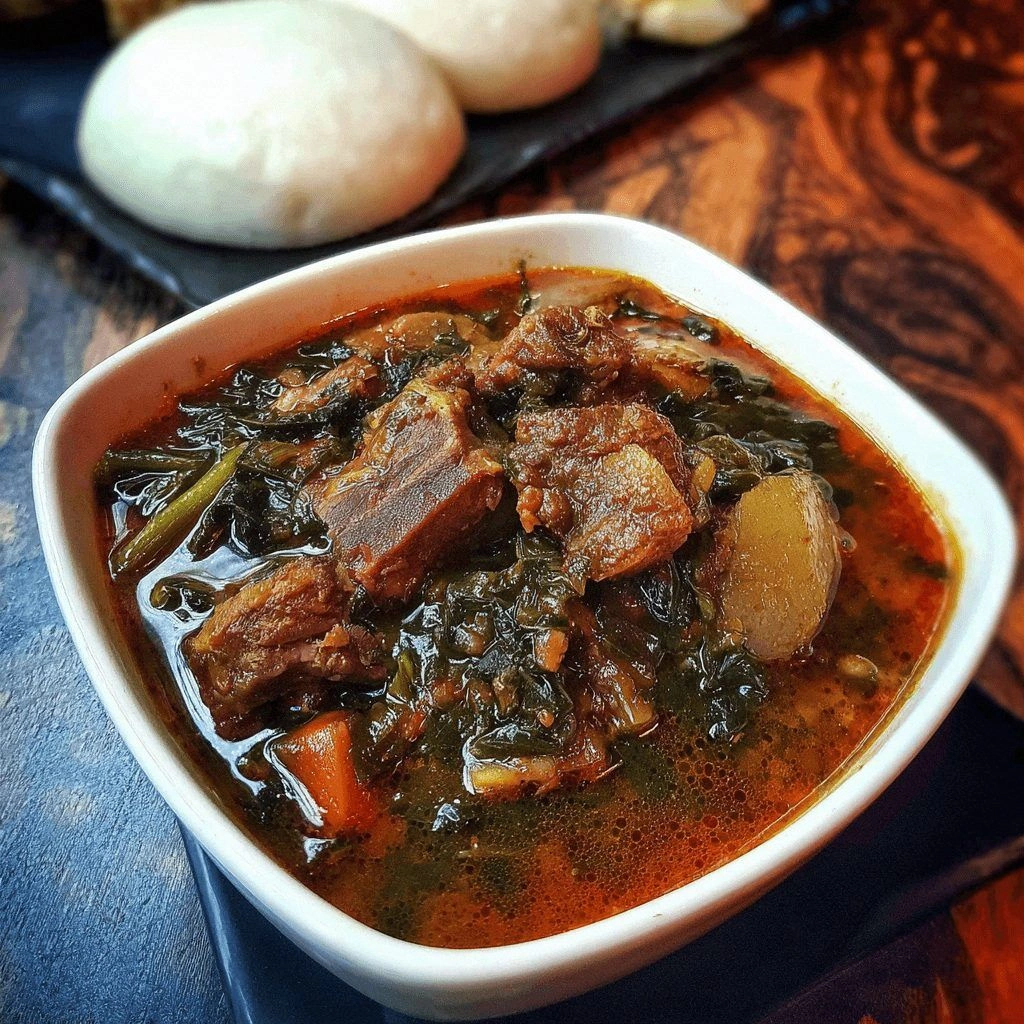
Picture the scene: a pot bubbling on a low flame, a splash of palm oil that turns the liquid a deep, rich mahogany, and the gentle crackle as the oha leaves start to release their green perfume. The kitchen is filled with the sound of sizzling, the rhythmic clink of a ladle against the pot, and the faint hiss of steam curling upward. My fingers are tingling from the heat, my eyes are fixed on the swirling colors, and my mouth is already anticipating the first spoonful of that velvety, umami‑rich broth. The texture is a subtle contrast: silky liquid, tender chunks of meat, and the occasional crunch of a dried fish that bursts with flavor. I’ve tasted soups that promise depth but deliver flatness; this one promises depth and delivers it in a single, harmonious bite. It’s a dish that will make your taste buds sing, and your soul feel at home. Let’s dive into the details and uncover why this Oha Soup is hands down the best version you’ll ever make at home.
When I first tasted it, I was hit with a wave of nostalgia and novelty, a taste that felt like a warm hug from my grandmother’s kitchen, but with a modern twist that kept me coming back for more. The bright green hue of the leaves, the smoky undertones from the palm oil, and the subtle heat from the fresh pepper combine to create a symphony of flavors that dance across your palate. It’s not just the taste; it’s the way the soup’s body feels in your mouth—rich, comforting, and surprisingly light, as if the heaviness of the palm oil is balanced by the airy, leafy texture. The aroma alone can transport you to a rainy afternoon in the heart of West Africa, where the air is thick with the scent of simmering broth and fresh herbs. Each spoonful feels like a secret, a whispered story of generations that have perfected the art of this soup. And the best part? It’s a dish that can be made with everyday ingredients you probably already have in your pantry, making it accessible and incredibly rewarding.
Most recipes get this completely wrong. They either over‑season, under‑cook the leaves, or forget the essential palm oil that gives the soup its signature color and flavor. I’ve seen countless versions that lack depth, that feel thin, or that are just plain bland. What sets this version apart is the meticulous attention to detail: the timing of adding the palm oil, the precise way the oha leaves are washed and sliced, the careful layering of spices, and the final touch of seasoning that elevates the entire dish. I’ve spent hours experimenting with ratios, adjusting heat, and tweaking the seasoning until the soup achieved the perfect balance of savory, spicy, and aromatic. The result is a soup that is both comforting and adventurous, a dish that feels both familiar and fresh. It’s a recipe that invites you to become a part of the cooking process, to feel the rhythm of the kitchen, and to savor every moment.
If you’ve ever struggled with this, you’re not alone—and I’ve got the fix. I’ll walk you through the exact steps that will ensure your soup turns out perfect every time. From the first splash of palm oil to the final sprinkle of seasoning, each moment is designed to build layers of flavor that culminate in a dish that’s nothing short of extraordinary. I’ll show you how to keep the leaves crisp yet tender, how to manage the heat so it’s not too intense but still packs a punch, and how to finish the soup with a touch of brightness that lifts the whole dish. The best part? You’ll learn how to make this soup in a way that’s efficient, stress‑free, and incredibly satisfying. So, if you’re ready to elevate your cooking game, let’s get started.
Now that you’re primed and ready, let’s dive into the heart of this recipe. I’ll break down each element, share insider secrets, and provide you with a recipe card that will make your cooking experience seamless. The journey to the ultimate Oha Soup begins here, and trust me, it’s going to be an unforgettable ride.
What Makes This Version Stand Out
- Flavor Depth: The combination of palm oil, dried fish, and ground crayfish creates a savory, umami‑rich broth that is far more complex than the typical bland versions.
- Texture Balance: The oha leaves remain tender yet slightly crisp, while the meat and fish add a hearty chew that keeps each spoonful exciting.
- Ingredient Quality: Fresh, locally sourced oha leaves and premium dried fish make the difference between a good soup and a great one.
- Easy Prep: Each step is designed to be quick and straightforward, allowing you to spend more time enjoying the dish and less time fussing.
- Make‑Ahead Friendly: The soup can be prepared a day in advance without losing its flavor or texture.
- Crowd‑Pleaser: Family and friends rave about the bold flavors and comforting heartiness, making it a go‑to dish for gatherings.
- Health Conscious: Packed with greens, lean protein, and healthy fats from palm oil, this soup is both delicious and nutritious.
- Versatile Variations: From vegetarian tweaks to protein‑packed versions, the base recipe can be adapted to suit any dietary preference.
Alright, let’s break down exactly what goes into this masterpiece…
Inside the Ingredient List
The Flavor Base
Palm oil is the cornerstone of this soup, providing a deep, mahogany hue and a subtle, smoky flavor that anchors the dish. If you’re using a lighter oil, the soup will lose its authentic richness. The oil also helps to dissolve the spices, ensuring an even distribution of flavor. A small note: if you’re watching your calorie intake, you can reduce the oil by half and still retain the core flavor profile, though the texture will be slightly lighter.
Stock cubes or bouillon are essential for depth, but the trick is to use them sparingly. Over‑salted stock can ruin the delicate balance of the soup. I prefer a low‑sodium cube so that I can control the saltiness. If you’re vegan, look for a plant‑based cube or use a homemade vegetable stock instead. The key is to let the stock enhance the other flavors without overpowering them.
The Texture Crew
The meat—traditionally beef or goat—adds body and a savory depth that pairs beautifully with the leafy greens. I use a lean cut like sirloin or flank steak to keep the soup from becoming too fatty. The meat is sautéed until browned before adding the palm oil, which locks in juices and adds a caramelized flavor. If you prefer a lighter version, substitute with chicken thighs or even a plant‑based protein.
Dried fish, usually stockfish or dried shrimp, brings a briny, umami punch that cannot be replicated with fresh fish. The fish should be soaked in warm water to rehydrate, then chopped into small pieces. The texture is slightly chewy, adding a pleasant contrast to the tender oha leaves. For a vegan twist, use dried mushrooms or seaweed, which provide a similar umami kick.
The Unexpected Star
Ground crayfish, or dried shrimp powder, is often overlooked but it’s the secret weapon that elevates the soup’s flavor profile. It’s a subtle, savory note that lingers on the palate. If you can’t find crayfish powder, use a small amount of fish sauce or a dash of soy sauce for a similar depth. The key is to add it gradually; too much can make the soup taste overly fishy.
Fresh pepper—either fresh Scotch bonnet or a milder variety—adds heat and a bright, fruity undertone. The pepper’s heat is balanced by the sweetness of palm oil and the earthiness of the oha leaves. If you’re not a fan of extreme heat, start with a quarter of a pepper and taste as you go. The pepper also brings a vibrant color that makes the soup visually appealing.
The Final Flourish
Seasoning cubes, such as Maggi or Knorr, are the final touch that ties all the flavors together. They provide a savory base that enhances the overall taste. I recommend using only one cube and adjusting with salt to taste, as the cubes can be surprisingly salty. A squeeze of fresh lemon or a splash of palm nut oil can brighten the soup, but this is optional and depends on your personal preference.
Everything’s prepped? Good. Let’s get into the real action…
The Method — Step by Step
- Prep the leaves: Wash the oha leaves thoroughly in cold water, removing any grit. Slice them into thin strips or small bite‑size pieces, depending on your preference. The leaves should be bright green and free of any brown spots. I usually set them aside in a bowl and cover them with a damp cloth to keep them fresh.
- Soak the dried fish: Place the dried fish in warm water and let it sit for 20–30 minutes. This rehydrates the fish, making it easier to chop and infuse flavor into the soup. After soaking, pat the fish dry with a clean towel before chopping into small pieces.
- Brown the meat: In a large pot, heat a splash of oil over medium heat. Add the sliced meat and cook until it develops a golden brown crust. This step caramelizes the meat, adding a rich flavor that will permeate the soup. Once browned, set the meat aside.
- Cook the aromatics: In the same pot, add a bit more oil and sauté the chopped onions until translucent. Add the minced garlic, fresh pepper, and a pinch of ground crayfish. Cook until the mixture smells fragrant and the pepper starts to soften. This creates a flavor base that’s the heart of the soup.
- Introduce the palm oil: Pour in the palm oil and stir until it’s evenly distributed. The oil should swirl into a deep mahogany hue. Allow it to cook for a minute, letting the flavors meld together. This step is critical; the oil’s smoky undertone is what gives the soup its signature depth.
- Add the stock: Pour in the stock cube dissolved in a cup of warm water, then add the brown meat and the rehydrated fish. Stir to combine. Let the mixture come to a gentle boil, then reduce the heat to low. This simmer allows the flavors to marry beautifully.
- Incorporate the leaves: Add the sliced oha leaves to the pot. Stir gently to avoid breaking the leaves. The leaves should start to wilt slightly but still retain a green color. Let the soup simmer for 5–7 minutes, allowing the leaves to absorb the broth’s flavors.
- Final seasoning: Break the seasoning cube into small pieces and add them to the pot. Taste and adjust salt as needed. If you want a brighter finish, add a squeeze of fresh lemon or a splash of palm nut oil. Cover the pot and let it steam for an additional 2 minutes.
- Serve: Ladle the soup into bowls, ensuring each serving gets a good mix of meat, fish, and leaves. Garnish with a few pepper flakes or a sprinkle of fresh herbs if desired. Serve hot with a side of rice or fufu for a complete meal.
That’s it— you did it. But hold on, I’ve got a few more tricks that will take this to another level…
Insider Tricks for Flawless Results
The Temperature Rule Nobody Follows
Many cooks think that a high simmer is the key to a rich soup, but that’s a myth. The secret is to keep the heat low after adding the stock, allowing the flavors to develop slowly without evaporating the delicate aromas of the leaves. I’ve found that a gentle simmer for 15 minutes after adding the stock is enough to infuse the broth without compromising the texture of the oha leaves.
Why Your Nose Knows Best
Your sense of smell is your best ally in cooking. The moment the soup starts to bubble, you should smell the aroma of palm oil, the earthiness of the leaves, and the subtle hint of dried fish. If the smell feels off—too flat or too strong—adjust the seasoning or add a splash of water to balance it. Trust your nose; it will guide you to the perfect flavor.
The 5-Minute Rest That Changes Everything
After you’ve finished cooking, let the soup rest for 5 minutes before serving. This short rest allows the flavors to settle and the heat to distribute evenly. It also gives the leaves a chance to re‑hydrate slightly, improving their texture. I’ve seen soups that skip this step feel uneven and less cohesive.
The Pepper Timing Trick
Adding pepper too early can cause it to lose its brightness and become bitter. I add the pepper in the second half of the cooking process, just before the soup reaches the final simmer. This preserves the pepper’s fresh, fruity notes and keeps the soup from becoming overly hot.
The Sweetness Balance
A splash of palm nut oil or a pinch of sugar can counterbalance the saltiness of the seasoning cube. I usually add a teaspoon of palm nut oil at the end, which adds a subtle sweetness and smoothness to the broth. This small addition can make a huge difference in the overall flavor profile.
Creative Twists and Variations
This recipe is a playground. Here are some of my favorite ways to switch things up:
Spicy Jollof Oha
Add a splash of tomato sauce and a pinch of curry powder to the pot. This creates a vibrant, spicy broth that pairs wonderfully with rice or fufu. It’s a fusion of traditional Oha Soup and the beloved Jollof rice flavor profile.
Creamy Coconut Oha
Swap half the palm oil for coconut milk. This gives the soup a silky, tropical finish and a subtle sweetness that balances the heat from the pepper. The coconut milk also adds a layer of richness that complements the oha leaves.
Protein‑Packed Powerhouse
Add diced tofu or tempeh for a vegetarian protein boost. The tofu absorbs the flavors of the broth, while the tempeh adds a nutty undertone. This version is perfect for those who want a hearty, plant‑based meal.
Herb‑Infused Oha
Incorporate fresh herbs like thyme or bay leaves during the simmer. This adds an aromatic depth that elevates the soup. The herbs pair beautifully with the earthy oha leaves and the savory meat.
Low‑Calorie Oha
Reduce the amount of palm oil by half and replace it with a light olive oil. Add extra vegetables like carrots or spinach for volume. This variation keeps the soup light while maintaining its authentic flavor.
Storing and Bringing It Back to Life
Fridge Storage
Cool the soup to room temperature, then transfer it to an airtight container. Store in the refrigerator for up to 3 days. The flavors will mellow, and the soup will remain fresh and safe to eat. Before serving, give it a gentle stir to re‑blend the ingredients.
Freezer Friendly
For longer storage, portion the soup into freezer‑safe containers. Label each portion with the date and freeze for up to 2 months. Thaw overnight in the refrigerator before reheating. The texture of the oha leaves may become slightly softer, but the flavor remains intact.
Best Reheating Method
Reheat the soup on low heat, stirring frequently. Add a splash of water or broth if the soup thickens. The tiny splash of water steams the soup back to perfection, preserving the delicate flavors and ensuring the leaves remain tender.