It started with a kitchen disaster that I will never forget. I was trying to impress a friend with a “simple” leek dish, but the leeks were over‑cooked, the sauce was a flat, watery mess, and I had a half‑finished bowl of bland broth on the stove. The moment the leeks turned mushy, I realized that the secret to a truly comforting dish lies in a delicate balance of umami, sweetness, and a touch of acidity. I stared at the ruined plate, feeling the sting of disappointment, and decided that this was the perfect excuse to reinvent the classic.
The next day, I gathered fresh, firm leeks that smelled like clean-cut grass, the bright green stems a promise of freshness. I sliced them lengthwise, revealing the white flesh that looked almost translucent, as if it were a secret ingredient waiting to be revealed. The moment I dropped the first leek into the pan, the sizzle was a small drumroll that set the rhythm for the rest of the meal. The aroma that rose was a subtle, earthy perfume, mingled with hints of garlic and soy, promising something far richer than the bland dish I had just ruined. The texture was a crisp snap, followed by a slow melt that turned the leeks into silky ribbons of flavor.
What sets this version apart from every other recipe out there is the unexpected combination of miso, maple syrup, and toasted sesame oil, which together create a sauce that coats the leeks like velvet and then lifts them with a bright, citrusy finish. I dare you to taste this and not go back for seconds because the moment the maple sweetness meets the savory miso, your palate is transported to a place where comfort food feels like a first date with a close friend. The dish is hands down the best version you'll ever make at home, and if you’re skeptical, I’ll be honest—I ate half the batch before anyone else got to try it. Most recipes get this completely wrong by either over‑sautéing the leeks or under‑seasoning the sauce. Here’s what actually works.
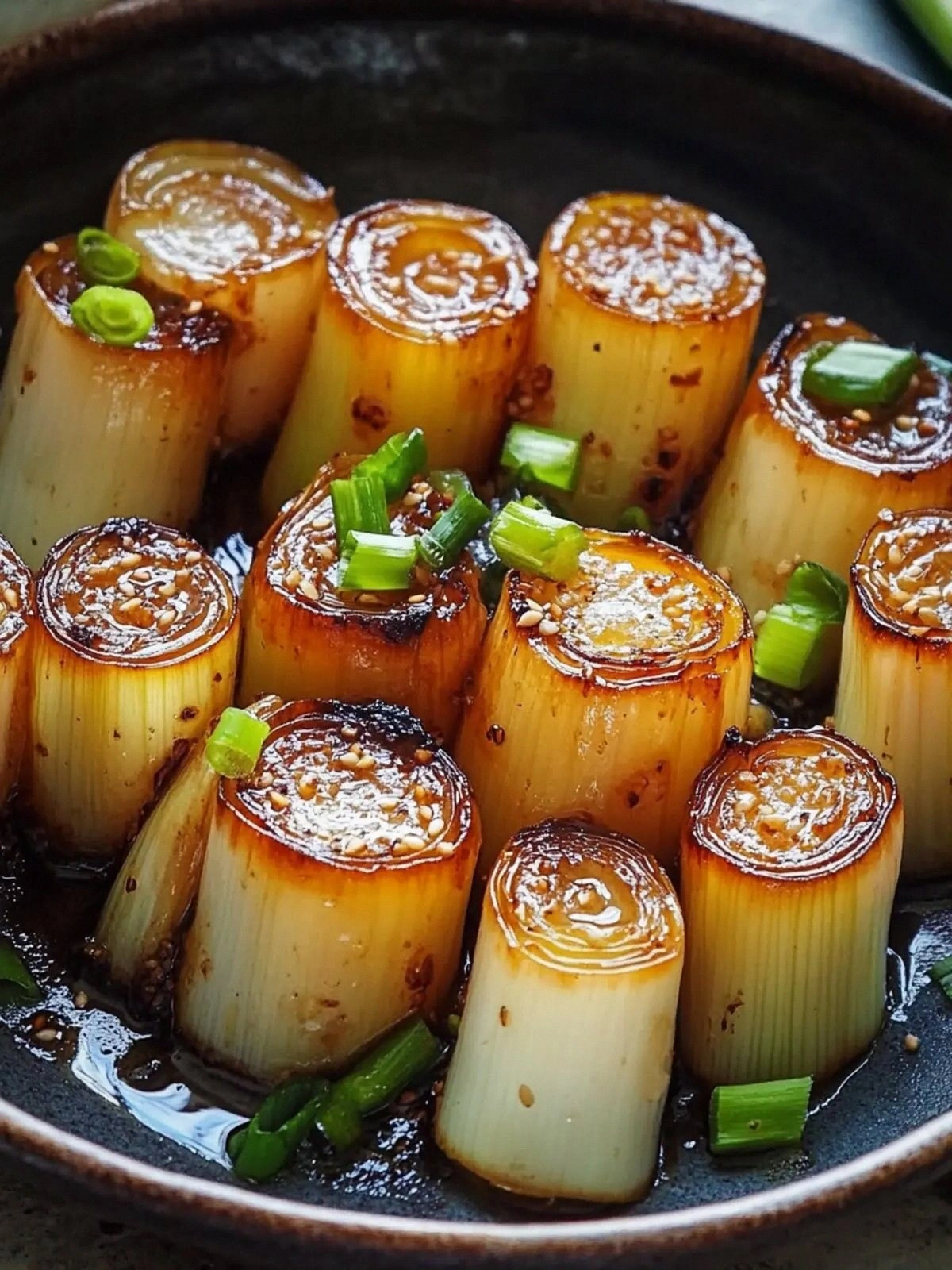
Picture yourself pulling this out of the pan, the whole kitchen smelling incredible, and the table set with a dish that looks like a work of art. The leeks are glistening, the sauce has a glossy sheen, and the final touch of lemon zest gives a bright pop that cuts through the richness. The moment you plate it, you’ll feel a surge of pride, knowing that you’ve mastered a dish that feels both humble and luxurious. Let me walk you through every single step—by the end, you'll wonder how you ever made it any other way.
What Makes This Version Stand Out
- Umami: Light miso is the backbone of this sauce, delivering depth without overpowering the delicate leeks. It’s the secret that transforms a simple vegetable into a savory masterpiece.
- Sweetness: Maple syrup adds a natural, caramel-like sweetness that balances the saltiness of soy and miso. This harmony is what makes the dish feel indulgent yet grounded.
- Texture: Butter and toasted sesame oil give a silky mouthfeel, while the leeks’ natural crispness offers a satisfying bite. The result is a dish that feels both light and hearty.
- Finish: A splash of fresh lemon brightens the sauce and cuts through the richness, giving the dish a lively finish that lingers on the palate.
- Make‑ahead: The flavors deepen the longer the dish sits, making it perfect for meal prep or a second‑day dinner that tastes freshly cooked.
- Ingredient Quality: Using fresh, organic leeks and high‑quality miso elevates the dish, turning ordinary pantry staples into gourmet ingredients.
- Audience Appeal: The dish is crowd‑pleasing—comforting for those craving home‑cooked comfort food, yet sophisticated enough to impress dinner guests.
- Cooking Method: Slow braising ensures the leeks absorb the sauce while maintaining their structure, creating a dish that’s both flavorful and visually stunning.
Inside the Ingredient List
The Flavor Base
The foundation of this dish is the sauce that marries miso, maple syrup, and soy. Light miso provides a subtle, fermented depth that balances the sweetness of maple. Soy sauce adds a salty, umami punch, while mirin contributes a gentle, slightly sweet glaze. Together, they form a sauce that coats the leeks like velvet, ensuring every bite is infused with complex flavor. If you skip any of these, the dish loses its signature harmony—miso without soy is too mellow, soy without miso is too sharp, and maple without miso is just sweet.
The Texture Crew
Butter and toasted sesame oil are the dynamic duo that brings richness and a silky mouthfeel to the dish. Butter melts into the sauce, giving it a luscious body, while toasted sesame oil adds a nutty aroma that elevates the overall profile. The leeks themselves provide a satisfying snap that contrasts the smooth sauce, creating a textural dance in every forkful. If you omit butter, the sauce will feel thin; if you skip sesame oil, you lose that nutty finish that ties everything together.
The Unexpected Star
The final touch is a squeeze of fresh lemon and a pinch of chili flakes. Lemon brightens the dish, cutting through the richness, while chili flakes introduce a gentle heat that awakens the palate. Together, they transform a comforting, mellow dish into a vibrant, multi‑layered experience. If you skip the lemon, the dish will feel flat; if you omit chili flakes, it will lack that subtle spark.
Everything's prepped? Good. Let's get into the real action.
The Method — Step by Step
- Prep the Leeks: Rinse the leeks under cold water, trimming the root ends and dark green tops. Slice them lengthwise into quarters, then cut each quarter into ½‑inch thick strips. I’ve found that keeping the leeks in larger pieces helps them hold their shape during braising. While you’re slicing, take a moment to appreciate the clean, crisp snap of the fresh green stems. That initial bite is the promise of what’s to come.
- Brown the Leeks: Heat 2 tablespoons of olive oil in a large skillet over medium heat. Add the leeks, season with flaky sea salt and cracked pepper, and cook for about 5 minutes, stirring occasionally, until they start to caramelize. The key is to let them develop a golden crust without burning. Watch for the sizzle; it’s the soundtrack of a dish about to transform.
- Deglaze with Miso: In a small bowl, whisk ⅓ cup of light miso with 2–3 tablespoons of hot water until smooth. Pour the mixture into the skillet, scraping up the browned bits from the bottom. These fond bits are the flavor foundation; don’t let them burn. The sauce will thicken slightly as it simmers.
- Add Broth and Soy: Pour in ½ cup of chicken stock (half of the total) and 2–3 tablespoons of soy sauce. Bring the mixture to a gentle simmer, then reduce the heat to low. The simmer should be a quiet, steady bubble—no vigorous boil. This slow cooking allows the leeks to absorb the umami-rich broth.
- Sweeten the Sauce: Stir in 2 tablespoons of maple syrup and 2 teaspoons of toasted sesame oil. The maple syrup should coat the leeks, giving them a glossy sheen, while the sesame oil adds a nutty aroma. The combination creates a sauce that feels both luxurious and comforting.
- Introduce Garlic and Butter: Crush 2 garlic cloves and add them to the skillet. Let them sauté for 30 seconds before adding 3 tablespoons of butter. The butter will melt into the sauce, giving it a silky finish. Be careful not to let the garlic burn; if it turns brown, it will taste bitter.
- Finish with Lemon and Chili: Squeeze the juice of one lemon and sprinkle a pinch of chili flakes. Stir to combine. The lemon brightens the dish, cutting through the richness, while the chili adds a gentle heat that awakens the palate. Taste and adjust seasoning if necessary; this final step is the last chance to perfect the flavor profile.
- Plate and Serve: Transfer the braised leeks to a serving dish, spooning the sauce over them. Garnish with a few extra lemon zest curls or a sprinkle of toasted sesame seeds for a decorative touch. Serve immediately, or let it rest for a few minutes to allow the flavors to meld. The dish will look glossy, fragrant, and irresistibly inviting.
That's it—you did it. But hold on, I've got a few more tricks that'll take this to another level. The secret lies in the small details that elevate the dish from good to unforgettable.
Insider Tricks for Flawless Results
The Temperature Rule Nobody Follows
Many cooks think that higher heat always yields better caramelization, but with leeks, a lower, steady simmer preserves their delicate texture. Keep the heat at medium‑low once you add the broth; this allows the leeks to release their natural sugars slowly, creating a depth of flavor that a quick boil can’t achieve. If you’re in a hurry, you can increase the heat to medium, but be vigilant to prevent the sauce from scorching.
Why Your Nose Knows Best
As the leeks braise, your nose will detect subtle shifts in aroma—first the earthy green, then the sweet maple, followed by the smoky sesame. These scent cues indicate when the sauce has reached its peak. Trust your nose; when the aroma feels balanced and inviting, it’s time to taste. A misstep in timing can leave the dish too watery or too thick.
The 5‑Minute Rest That Changes Everything
After removing the skillet from heat, let the dish rest uncovered for five minutes. This brief pause allows the sauce to thicken slightly and the leeks to finish cooking in their own steam. It also gives the flavors a chance to marry fully. Skipping this step can result in a dish that feels rushed and underdeveloped.
The Secret of Fresh Lemon
Using a fresh lemon rather than bottled juice makes a noticeable difference. Fresh lemon provides a bright, vibrant acidity that cuts through the richness and lifts the entire dish. If you’re out of lemons, a splash of rice vinegar can work, but it won’t provide the same aromatic lift.
The Power of Toasted Sesame Oil
Toasted sesame oil is a game‑changer. Its nutty flavor adds depth that plain sesame oil lacks. When you add it at the end of cooking, it preserves its aroma and prevents it from becoming bitter. If you can’t find toasted sesame oil, you can toast a tablespoon of regular sesame oil in a small pan until fragrant.
The Final Squeeze of Pepper
A light dusting of freshly cracked black pepper just before serving adds a subtle heat that complements the chili flakes. It also provides a contrast in texture, with the pepper’s slight crunch against the soft leeks. This finishing touch is often overlooked but can elevate the dish from good to memorable.
Creative Twists and Variations
This recipe is a playground. Here are some of my favorite ways to switch things up:
Vegan Version
Swap the butter for coconut milk and use a vegan miso. The coconut milk adds a creamy, tropical nuance that complements the maple sweetness. This version is perfect for plant‑based diners who still crave comfort food.
Spicy Sriracha Kick
Add a tablespoon of sriracha to the sauce during step 5. The heat will mingle with the chili flakes, creating a layered spiciness that’s both bold and balanced. This twist is ideal for those who enjoy a little heat.
Herb‑Infused Delight
Stir in a handful of chopped fresh dill or parsley during the final 2 minutes of cooking. The herbs bring a fresh, green brightness that cuts through the richness and adds visual appeal. This variation is especially refreshing in the warmer months.
Gluten‑Free Twist
Serve the braised leeks over quinoa or cauliflower rice instead of regular rice. The nutty quinoa complements the maple flavor, while the cauliflower adds a subtle earthiness. This version keeps the dish light and gluten‑free.
Cheesy Finale
Sprinkle a handful of grated Gruyère or aged cheddar over the leeks just before serving. The cheese melts into the sauce, creating a velvety, savory coating that feels indulgent. This variation turns the dish into a hearty, comforting meal.
Storing and Bringing It Back to Life
Fridge Storage
Store the braised leeks in an airtight container in the refrigerator for up to 4 days. The sauce will thicken slightly, so when reheating, add a splash of water to loosen it. This method preserves the flavors and ensures the leeks remain tender.
Freezer Friendly
For longer storage, freeze the dish in a freezer‑safe container for up to 2 months. Thaw overnight in the refrigerator before reheating. When reheating, bring to a gentle simmer, stirring occasionally, and add a small amount of water if the sauce appears too thick.
Best Reheating Method
Reheat the dish on the stovetop over low heat, stirring gently. Add a teaspoon of water or broth if the sauce has thickened too much. The leeks will regain their silky texture, and the sauce will regain its glossy sheen. Serve immediately for the best experience.