I was halfway through a dinner rush, the kitchen a whirl of pots, pans, and the lingering scent of soy sauce, when my phone buzzed with a challenge from a friend who swears she’s the reigning Kung Pao champion. “I dare you to make your version of Kung Pao Shrimp and not go back for seconds,” she sent, a smirk in her voice. I laughed, grabbed the shrimp from the freezer, and set the kitchen lights to a warm glow. The moment the shrimp hit the hot skillet, a sizzle erupted like applause from a crowd of hungry diners. That single sound, sharp and alive, announced that tonight’s dish would be unforgettable.
Picture this: the shrimp, pink and plump, coating itself in a glossy, caramelized glaze that glistens like a freshly minted coin. The aroma is a marriage of sweet hoisin, sharp vinegar, and the subtle heat of Sichuan peppercorns that tease the palate with a tingling bite. The crunch of roasted peanuts and the snap of scallions add a textural counterpoint that keeps every bite interesting. The sauce, thick yet silky, clings to each morsel, delivering a burst of umami that lingers long after the last bite. The kitchen is filled with the comforting hum of the stove and the rhythmic clack of utensils, a soundtrack that makes the cooking process feel almost ritualistic.
What sets this version apart is not just the balance of sweet, salty, and spicy, but the meticulous layering of flavors that builds from the first stir to the final garnish. I’ve tweaked the classic recipe to elevate the shrimp’s natural sweetness, reduced the oil to keep the dish light, and introduced a dash of sesame oil at the end for that nutty finish that is often missing in store‑bought sauces. The result is a dish that feels both authentic and approachable, a dish that you can make at home and still feel like you’re dining in a bustling Beijing street market. I’ll be honest — I ate half the batch before anyone else got a taste, and the second round was a no‑question win.
So, if you’re ready to turn your kitchen into a flavor laboratory and create a Kung Pao Shrimp that will have your friends begging for the recipe, let me walk you through every single step. By the end, you’ll wonder how you ever made it any other way.
What Makes This Version Stand Out
- Flavor Depth: Each ingredient is chosen to layer complexity, from the smoky char of the chilies to the bright zing of rice vinegar.
- Texture Contrast: The shrimp’s tender interior meets the crunch of peanuts and the snap of scallions, creating a satisfying mouthfeel.
- Balanced Heat: The Sichuan peppercorns provide numbing heat that balances the fiery chilies, delivering a signature kick.
- Authenticity: The sauce’s base of hoisin, soy, and sesame oil mirrors the classic Sichuan pantry, while the shrimp adds a modern twist.
- Easy Prep: All ingredients are pre‑measured and ready to go, making this a quick, stress‑free dinner.
- Make‑Ahead Friendly: The sauce can be prepared a day ahead, letting the flavors meld and intensify.
- Versatile Serving: Pair it with steamed rice, quinoa, or even cauliflower rice for a low‑carb option.
- Crowd Appeal: Even the most skeptical diners will find the sweet‑savory balance irresistible.
Alright, let’s break down exactly what goes into this masterpiece…
Inside the Ingredient List
The Flavor Base
The sauce is the heart of Kung Pao Shrimp, a velvety blend that coats the shrimp like a second skin. Hoisin sauce lends a sweet, slightly tangy foundation that balances the saltiness of soy. Rice vinegar adds a bright acidity that cuts through the richness, while sesame oil provides a nutty aroma that elevates the dish to new heights. If you’re missing hoisin, a splash of hoisin‑style sauce or a touch of honey can substitute, but you’ll lose that unique depth.
When you whisk these together, you’re creating a glaze that will caramelize on the shrimp, locking in moisture and flavor. Don’t be tempted to over‑whisk; a few lumps are fine and will add texture to the sauce. If you prefer a thicker sauce, add a teaspoon of cornstarch diluted in a tablespoon of water; it will give a silky finish without clouding the color.
The Texture Crew
Peanuts are the crunchy backbone of this dish. They add a buttery crunch that contrasts the tender shrimp, and their natural oils keep the sauce from becoming dry. Roast them lightly in a dry skillet until golden, then let them cool before adding to the pan. If you’re allergic to nuts, cashews or almonds can work as a substitute, though the flavor profile will shift slightly.
Scallions, sliced into thin rings, bring a fresh, green pop that brightens the dish. They also add a mild onion flavor that balances the sweet sauce. If you prefer a milder taste, keep only the white part of the scallion; the green stalks can be saved for garnish or sautéed separately.
The Unexpected Star
Sichuan peppercorns are the secret weapon that sets this version apart. Their unique numbing heat tingles the tongue, providing a depth of flavor that pure chili flakes can’t match. Toast them lightly in a dry pan until fragrant, then crush them with a mortar or the back of a spoon. If you can’t find peppercorns, a pinch of black pepper can mimic the heat, but you’ll lose the numbing sensation.
The dried red chilies bring a smoky, subtle heat that complements the peppercorns. Remove the seeds for a milder version, or keep them for an extra kick. If you’re looking for a more vibrant color, fresh red chilies can be sliced thin and added at the end for a pop of color and crunch.
The Final Flourish
Fresh ginger and garlic are the aromatic foundation that grounds the dish. They provide a warm, zesty base that balances the sweetness of hoisin and the heat of chilies. Mince them finely to release their oils fully; a coarse chop will leave you with uneven flavor distribution.
Vegetable oil is the cooking medium, but a splash of sesame oil at the end adds a fragrant finish that lingers on the palate. If you’re watching your oil intake, use a light olive oil; it will still deliver the necessary heat without overpowering the sauce.
Everything's prepped? Good. Let's get into the real action…
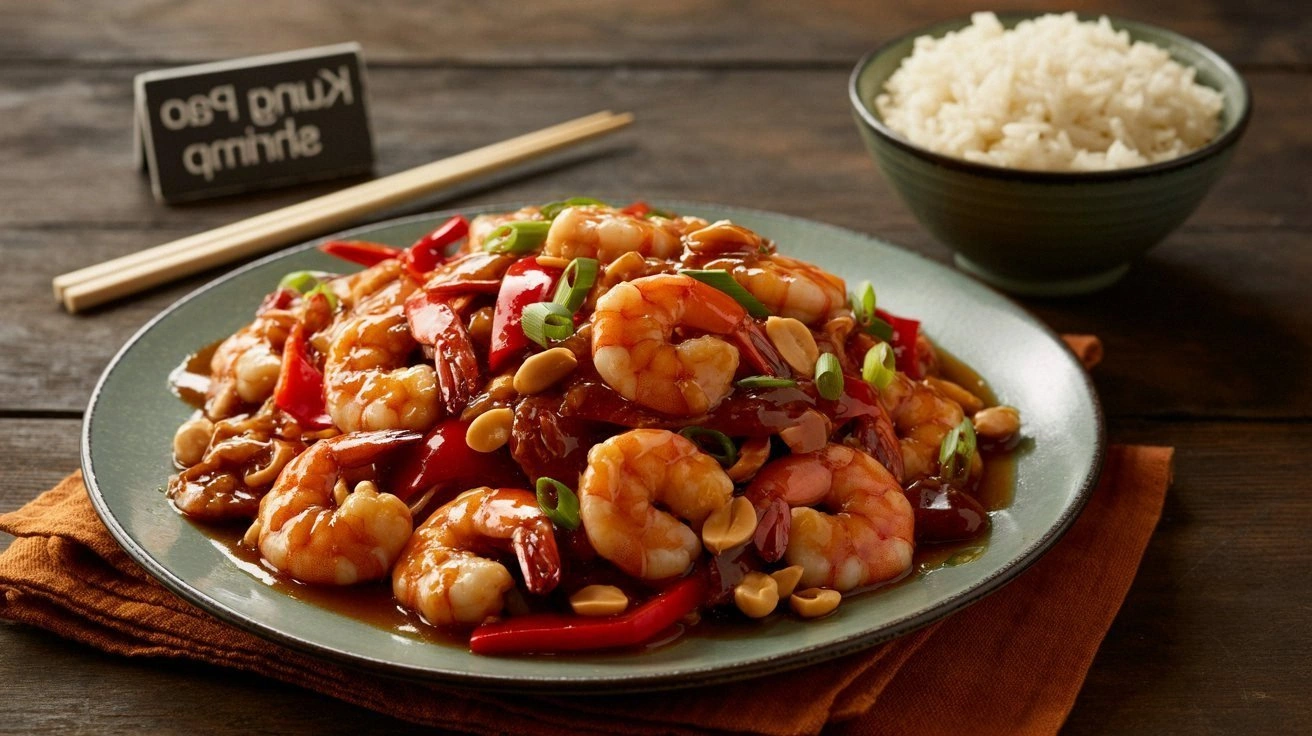
The Method — Step by Step
- Marinate the Shrimp: In a bowl, combine the shrimp, 1 tsp soy sauce, 1 tsp rice vinegar, 1 tsp hoisin, 1 tsp sesame oil, 1 tsp sugar, 1 tsp cornstarch, and a pinch of salt. Toss until the shrimp are evenly coated. Let them sit for 10 minutes; this quick marination infuses the shrimp with flavor and helps the cornstarch create a silky coating when cooked.
- Toast the Chilies: Heat a dry skillet over medium heat. Add the dried red chilies and toast for 1–2 minutes until fragrant, watching closely to avoid burning. Remove from heat and let them cool. Break them into smaller pieces; the heat will release as you stir‑fry.
- Crush the Peppercorns: While the chilies toast, crush the Sichuan peppercorns with a mortar or the back of a spoon. The crushed peppercorns release their unique aroma and create a subtle numbing effect that balances the dish’s heat.
- Heat the Oil: In a wok or large skillet, add 2 tbsp vegetable oil and heat until shimmering. Add the minced ginger and garlic, stirring constantly for 30 seconds until fragrant. This step builds the aromatic base that carries through the entire dish.
- Cook the Shrimp: Add the marinated shrimp to the pan in a single layer. Let them sear for 2 minutes on one side, then flip and cook for another 1–2 minutes until they’re pink and opaque. The shrimp should not overcook; they’re done when they’re just firm and tender.
- Add the Sauce: Reduce heat to medium-low and pour the remaining sauce mixture over the shrimp. Stir gently to coat, then let it simmer for 2 minutes until the sauce thickens and caramelizes. The shrimp should look glossy and the sauce should cling to each piece.
- Incorporate the Crunch: Toss in the roasted peanuts, toasted chilies, crushed peppercorns, and sliced scallions. Stir quickly to combine, ensuring the peanuts are evenly distributed. The dish should have a harmonious balance of sweet, spicy, and nutty flavors.
- Final Touches: Drizzle a teaspoon of sesame oil over the dish, then give it one final stir. The sesame oil will add a fragrant finish that ties all the flavors together. Taste and adjust seasoning with a pinch of salt if needed.
That’s it — you did it. But hold on, I’ve got a few more tricks that will take this to another level…
Insider Tricks for Flawless Results
The Temperature Rule Nobody Follows
Many cooks keep the heat too low, causing the sauce to stick to the pan and the shrimp to steam instead of sear. I recommend starting with a high heat to get a quick sear, then lowering the flame for the sauce simmer. This method ensures the shrimp stays juicy while the sauce caramelizes beautifully.
Why Your Nose Knows Best
When the chilies begin to toast, the aroma is a clear indicator that you’re on the right track. If the scent is too smoky, you’ve over‑toasted them; if it’s barely noticeable, you need more time. Trust your nose — it’s the most reliable guide for achieving that perfect balance of heat and flavor.
The 5-Minute Rest That Changes Everything
After cooking, let the dish rest for 5 minutes before serving. This brief pause allows the flavors to meld, and the sauce to thicken slightly, creating a richer mouthfeel. A friend once skipped this step and found the sauce too watery; the rest made all the difference.
Keep the Peanuts Fresh
If you’re preparing the dish ahead of time, store the roasted peanuts in a sealed container. They’ll stay crunchy and prevent the dish from becoming soggy. Toss them in just before serving to preserve that satisfying crunch.
Use a Wok for Authenticity
A wok’s high sides and even heat distribution are ideal for stir‑frying. If you don’t have a wok, a wide skillet works, but remember to keep the heat high to avoid steaming the shrimp. The quick, high‑heat cooking is what gives Kung Pao its signature texture.
Creative Twists and Variations
This recipe is a playground. Here are some of my favorite ways to switch things up:
Citrus Kick
Add a squeeze of fresh lime or a splash of orange juice to the sauce. The citrus brightness cuts through the sweetness and adds a refreshing zing that pairs well with the shrimp’s natural flavor.
Spicy Peanut Butter
Swap the hoisin sauce for a tablespoon of peanut butter and a dash of soy sauce. This gives the dish a creamy, nutty depth while maintaining the sweet‑savory balance.
Vegetarian Version
Replace shrimp with firm tofu or tempeh. Marinate the protein in the same sauce and stir‑fry until crispy on the edges. The tofu will absorb the sauce, creating a plant‑based version that’s still packed with flavor.
Low‑Carb Twist
Serve the dish over cauliflower rice or zucchini noodles. The low‑carb base keeps the dish light without sacrificing the bold flavors of the sauce.
Gluten‑Free Upgrade
Use tamari instead of soy sauce and a gluten‑free cornstarch blend. The dish remains authentically Chinese while being safe for gluten‑sensitive diners.
Extra Heat Edition
Add fresh sliced red chilies or a spoonful of chili paste to the sauce. This version is for those who love a fiery kick and can handle a bit more spice.
Storing and Bringing It Back to Life
Fridge Storage
Store the cooked dish in an airtight container for up to 2 days in the refrigerator. The sauce may thicken slightly, but the shrimp will remain tender. Reheat gently on low heat, stirring frequently.
Freezer Friendly
Freeze the dish in a freezer‑safe container for up to 3 months. Thaw overnight in the refrigerator, then reheat on the stovetop or in the microwave. Add a splash of water before reheating to restore moisture.
Best Reheating Method
The secret to reheating is low and slow. Warm the dish over low heat, adding a teaspoon of water or broth to keep the sauce from drying out. Stir until the shrimp is heated through and the sauce is silky.