Picture this: I was standing in my kitchen, a freshly caught red snapper on my cutting board, the scent of citrus and sea air mingling with the sharp tang of garlic. The clock was ticking, my friend had just texted that she’d be over in twenty minutes, and I was about to turn a simple dinner into a culinary catastrophe. I tossed the fillets in a bowl, added a generous handful of Cajun seasoning, and—without thinking—sprinkled an entire tablespoon of sugar on the pan. The sugar caramelized, the snapper was ruined, and I stared at a blackened mess that tasted like burnt ambition. I laughed, but the taste lingered, a bitter reminder that even a single mistake can ruin a meal. That night, I vowed to find the perfect balance of heat, cream, and citrus that would make every bite a celebration, not a regret.
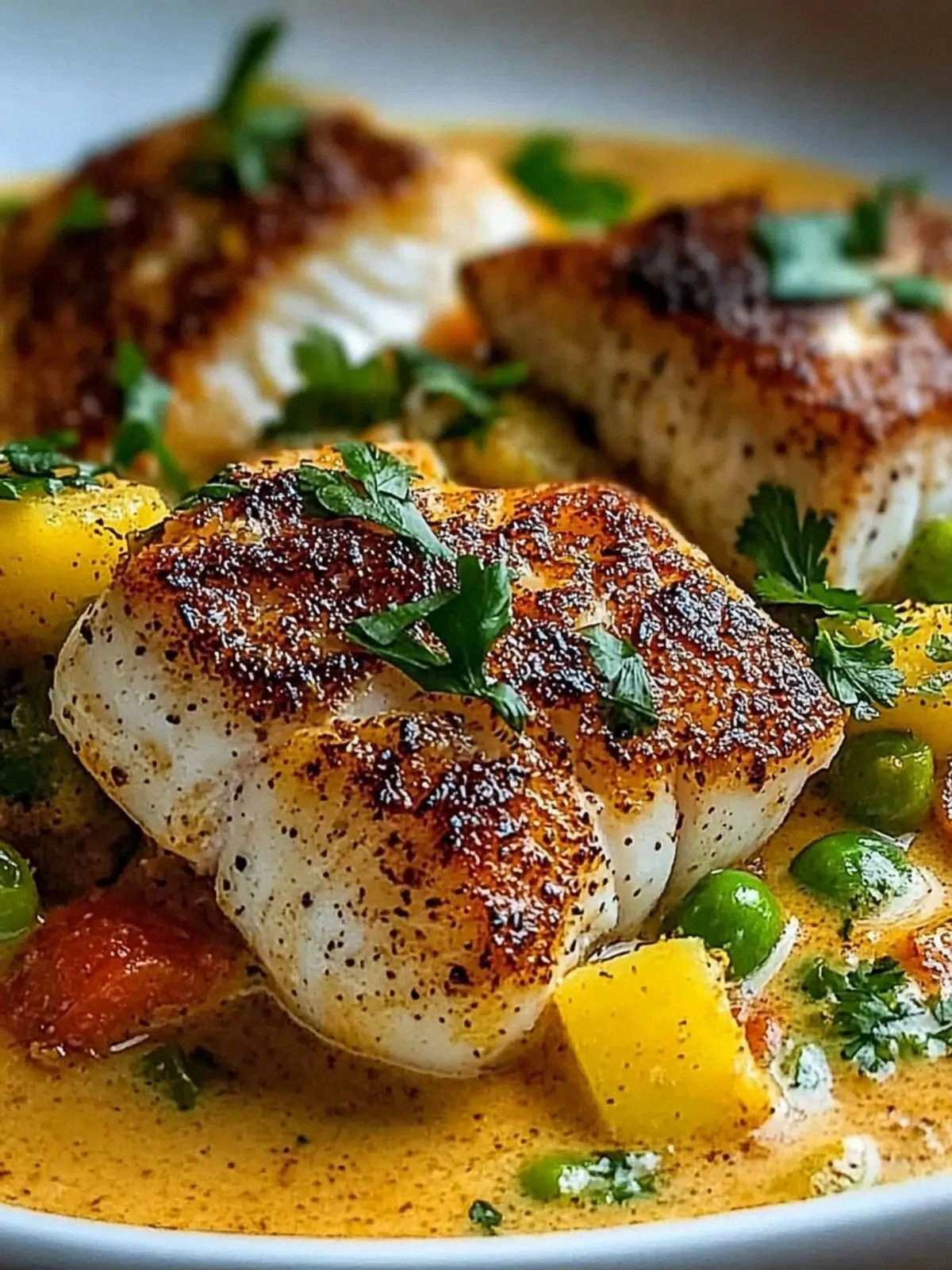
Fast forward to the kitchen of this post, where the snapper glistens like a jewel under a soft golden glaze. The air is thick with the aroma of garlic sautéed in butter, the whisper of fresh tomatoes, and the subtle perfume of heavy cream simmering to silky perfection. The sound of the pan sizzles as the fish sears, a rhythmic drumbeat that promises a crispy edge that shatters like thin ice when bitten. The texture is a delightful contrast: the snapper’s flesh is tender and flaky, the sauce coats it like velvet, and the diced tomatoes add a burst of juicy acidity that cuts through the richness. If you close your eyes, you can almost taste the tangy heat of Cajun spices dancing on your tongue, the buttery richness that lingers, and the faint hint of citrus that lifts the whole dish.
What makes this version stand out is not just the bold flavors, but the meticulous layering of technique and ingredient quality. I’m not talking about a generic “fry the fish” recipe; this is a symphony of flavors, textures, and timing that turns an ordinary dinner into a headline-worthy meal. The sauce is a silky, creamy Cajun custard that clings to the fish, while the tomatoes provide a bright, almost acidic counterpoint that keeps the palate from getting weighed down. The fish itself is never overcooked—just seared to lock in moisture, then finished in the sauce so the heat gently permeates. The result is a dish that feels indulgent yet balanced, luxurious yet approachable. If you’ve ever tried a “Cajun cream” dish that was either too greasy or too bland, this is the definitive version that will make you wonder how you ever settled for anything else.
I dare you to taste this and not go back for seconds. I’ve spent hours perfecting the ratios, the timing, and the subtle seasoning tweaks that make this sauce sing. I’ll be honest—there were moments when I almost abandoned the recipe, thinking it was too complex or too indulgent for a weeknight dinner. But the moment the sauce hit the pan, the kitchen filled with an aroma that made my mouth water and my heart race. Picture yourself pulling this out of the pan, the whole kitchen smelling incredible, and the plate looking like a work of art. Let me walk you through every single step—by the end, you’ll wonder how you ever made it any other way.
What Makes This Version Stand Out
- Flavor Depth: The combination of Cajun seasoning, garlic, and a splash of citrus zest creates a complex flavor profile that balances heat, sweetness, and acidity. Each bite delivers a layered experience that keeps the palate engaged.
- Texture Contrast: The snapper’s flaky interior is juxtaposed with a silky, custard-like sauce that coats the fillets without overwhelming them, while the diced tomatoes add a burst of juicy crunch.
- Ingredient Quality: Using fresh, high‑quality fish and real butter instead of margarine elevates the dish, ensuring a buttery finish that’s both rich and clean.
- Cooking Method: Quick searing followed by gentle simmering in the sauce locks in moisture, preventing the fish from drying out while allowing the flavors to meld.
- Time Efficiency: Despite its gourmet feel, the entire dish can be assembled and cooked in under 45 minutes, making it perfect for busy week‑night dinners.
- Versatility: The sauce can be paired with rice, quinoa, or crusty bread, and the recipe scales beautifully for larger gatherings or single‑serve portions.
- Visual Appeal: The vibrant orange of the Cajun crust against the pale snapper and the glossy sheen of the sauce create a plate that’s as pleasing to the eye as it is to the taste buds.
Inside the Ingredient List
The Flavor Base
At the heart of this dish is a simple yet powerful base: olive oil, butter, and minced garlic sautéed to a fragrant golden hue. The olive oil provides a smooth canvas that allows the butter to melt without burning, while the garlic releases its natural sweetness. This aromatic foundation sets the stage for the Cajun seasoning, which infuses the sauce with a smoky, peppery kick. If you’re watching calories, you can swap half the butter for a lighter oil, but the richness of butter is essential for the creamy texture.
The Texture Crew
Heavy cream is the secret weapon that turns this dish from ordinary to extraordinary. It creates a silky coating that clings to the snapper, delivering a luscious mouthfeel that’s hard to resist. The diced tomatoes, meanwhile, add a pop of juiciness and acidity that cuts through the cream’s richness. Together, they form a sauce that is both comforting and vibrant. If you’re lactose intolerant, a coconut cream can serve as a suitable alternative, though it will alter the flavor profile slightly.
The Unexpected Star
Cajun seasoning is often dismissed as a generic spice blend, but in this recipe it’s the star that brings everything together. It’s a balanced mix of paprika, cayenne, thyme, and oregano that adds depth and a subtle heat without overpowering the fish. The key is to use a high‑quality blend that isn’t overly salty; a pinch of fresh black pepper can brighten the flavor. If you prefer a milder heat, reduce the cayenne or replace it with smoked paprika for a different twist.
The Final Flourish
Salt and pepper are the unsung heroes that bring harmony to the dish. They’re added at the very end to taste, ensuring that the delicate flavors of the fish and sauce are not masked. A pinch of smoked salt can add an extra layer of complexity, while freshly cracked pepper provides a bright, aromatic finish. Remember, the goal is to enhance, not overpower—so taste as you go and adjust accordingly.
Everything's prepped? Good. Let's get into the real action...
The Method — Step by Step
- Pat the snapper fillets dry with paper towels; this step is crucial for achieving a crisp sear. Season both sides with the Cajun blend, pressing the spices into the flesh so they adhere. The fish should look glossy and slightly golden once cooked. This is the moment of truth: a good sear locks in flavor and moisture.
- Heat a large, heavy‑bottomed skillet over medium‑high heat. Add the olive oil and let it shimmer until it’s just about to smoke. Once the oil is hot, slide the fillets into the pan, skin side down if they have skin. You should hear an immediate sizzle; that’s the sound of a perfect sear. Watch the edges: they’ll start to pull away from the pan when they’re ready to flip.
- Let the fillets cook undisturbed for 3–4 minutes on the first side. Avoid moving them; the goal is to develop a beautiful golden crust. Flip the fillets gently with a spatula, and sear the other side for an additional 2–3 minutes. The fish should still be slightly translucent in the center, indicating it’s not overcooked.
- Remove the fillets from the skillet and set them aside on a plate. This pause allows the juices to redistribute, ensuring the fish stays moist. If you’re cooking for a crowd, keep the fillets warm in a low‑heat oven (about 200°F) while you finish the sauce.
- Reduce the heat to medium and add the butter to the same skillet. Let it melt completely, then toss in the minced garlic. Sauté until fragrant, about 30 seconds—watch out for the garlic to brown, or it will turn bitter. The aroma should be rich and inviting.
- Pour in the chicken or seafood broth, scraping up any browned bits from the pan. This deglazing step lifts the flavorful bits that are the foundation of the sauce. Allow the broth to reduce by half, concentrating its savory notes.
- Stir in the heavy cream, then add the diced tomatoes. Bring the mixture to a gentle simmer, letting the flavors meld for about 5 minutes. The sauce should thicken slightly, creating a glossy coat that will cling to the fish. The tomatoes add a subtle acidity that brightens the dish.
- Return the snapper fillets to the skillet, nestling them into the sauce. Spoon a little sauce over each fillet to ensure they’re fully coated. Let the fish finish cooking in the sauce for 3–4 minutes, just until it’s opaque and the flavors are absorbed. The sauce should be silky, not watery.
- Season the dish with salt and pepper to taste. A pinch of smoked salt can elevate the flavor profile, adding a subtle smokiness that complements the Cajun seasoning. Taste the sauce; if it feels too thick, add a splash of broth or cream to loosen it.
- Plate the fillets on warm plates, spooning the remaining sauce over them. Garnish with fresh herbs, like chopped parsley or a squeeze of lime, to add a burst of freshness. Serve immediately, as the sauce is best when it’s warm and creamy.
That’s it—you did it. But hold on, I’ve got a few more tricks that will elevate this dish from great to unforgettable.
Insider Tricks for Flawless Results
The Temperature Rule Nobody Follows
Many cooks assume that a high heat is always best for searing fish. In reality, the ideal temperature is medium‑high—just enough to create a golden crust without charring the exterior. Keep the pan preheated; if the oil shimmers too quickly, reduce the heat slightly. A consistent temperature ensures even cooking and a beautiful texture that’s both crisp and tender.
Why Your Nose Knows Best
The aroma of garlic and butter is a reliable indicator of progress. When the garlic releases its fragrance, you know the base is ready. If the smell starts to turn metallic, the garlic is burning. Trust your senses—your nose is a better judge than the clock when it comes to flavor development.
The 5‑Minute Rest That Changes Everything
After searing, let the fillets rest for 5 minutes before adding them to the sauce. This rest period allows the juices to redistribute, preventing the fish from drying out during the final simmer. The result is a moist, succulent fillet that holds together beautifully.
Use Fresh Broth for Depth
Store‑bought broth often contains excess sodium and artificial flavors. Opt for a homemade or high‑quality store brand; the subtle umami will enhance the sauce’s complexity. If you’re short on time, a quick simmer of water with a bouillon cube can suffice, but aim for the best broth you can find.
Keep the Sauce Creamy, Not Watery
If the sauce becomes too thin, reduce it further over low heat. Adding a tablespoon of flour or cornstarch mixed with water can thicken it without altering the taste. Just stir vigorously to avoid lumps—your sauce should coat the fillets like a silky blanket.
Finish with a Splash of Citrus
A squeeze of fresh lime or a dash of lemon zest at the very end brightens the dish and cuts through the richness. The citrus also brings out the natural sweetness of the snapper, creating a harmonious balance of flavors. It’s a simple step that makes the dish feel fresh and lively.
Creative Twists and Variations
This recipe is a playground. Here are some of my favorite ways to switch things up:
Smoky Chipotle Version
Swap the Cajun seasoning for a smoky chipotle blend and add a dash of chipotle in adobo for an extra kick. The sauce will take on a deep, earthy flavor that pairs wonderfully with corn tortillas or a side of smoky black beans.
Herb‑Infused Mediterranean
Replace the Cajun blend with a Mediterranean herb mix—oregano, thyme, rosemary, and a touch of lemon zest. This version leans toward a lighter, herbaceous profile, perfect for a summer lunch or a brunch with friends.
Vegan Creamy Delight
Use coconut milk or cashew cream in place of heavy cream, and a vegan butter substitute for the butter. The result is a dairy‑free dish that still delivers a rich, velvety sauce, ideal for those with dietary restrictions.
Spicy Coconut Curry
Infuse the sauce with a splash of coconut milk, curry powder, and a pinch of red pepper flakes. The tropical notes from the coconut balance the heat, creating a dish that feels both exotic and comforting.
Seafood Medley
Combine the snapper with shrimp or scallops for a luxurious seafood medley. The quick cooking time ensures that all the proteins stay tender, while the sauce envelops each bite in creamy, Cajun goodness.
Roasted Tomato Accent
Roast the diced tomatoes with a drizzle of olive oil, salt, and pepper before adding them to the sauce. The roasted tomatoes bring a deeper, caramelized sweetness that elevates the dish’s overall flavor profile.
Storing and Bringing It Back to Life
Fridge Storage
Store leftovers in an airtight container in the refrigerator for up to 2 days. The sauce will thicken slightly, so when you reheat, add a splash of broth or water to loosen it. Reheat gently on low heat, stirring frequently, until warmed through.
Freezer Friendly
For longer storage, freeze the sauce and fish separately in freezer‑safe containers. The fish can be stored for up to 3 months, while the sauce lasts 2 months. When ready to serve, thaw the fish in the refrigerator overnight, then reheat the sauce as described above.
Best Reheating Method
Reheat the sauce in a saucepan over low heat, whisking constantly to prevent separation. Add a tablespoon of water or broth to restore the sauce’s silky texture. Serve immediately over freshly cooked rice or steamed vegetables for a quick, comforting meal.