Picture this: I’m standing in my kitchen, the air thick with the scent of cumin and coriander, and a friend’s voice rings out from the living room, “I dare you to taste this and not go back for seconds.” The kitchen, that place of chaotic triumphs, had just suffered a disaster—my last attempt at tikka masala had turned out dry, flavorless, and frankly, a culinary crime scene. The moment my eyes caught the flicker of a neon kitchen timer, I knew I was about to rewrite the rulebook. This isn’t just a recipe; it’s a confession, a triumph, a promise that the next time you reach for takeout, you’ll think twice.
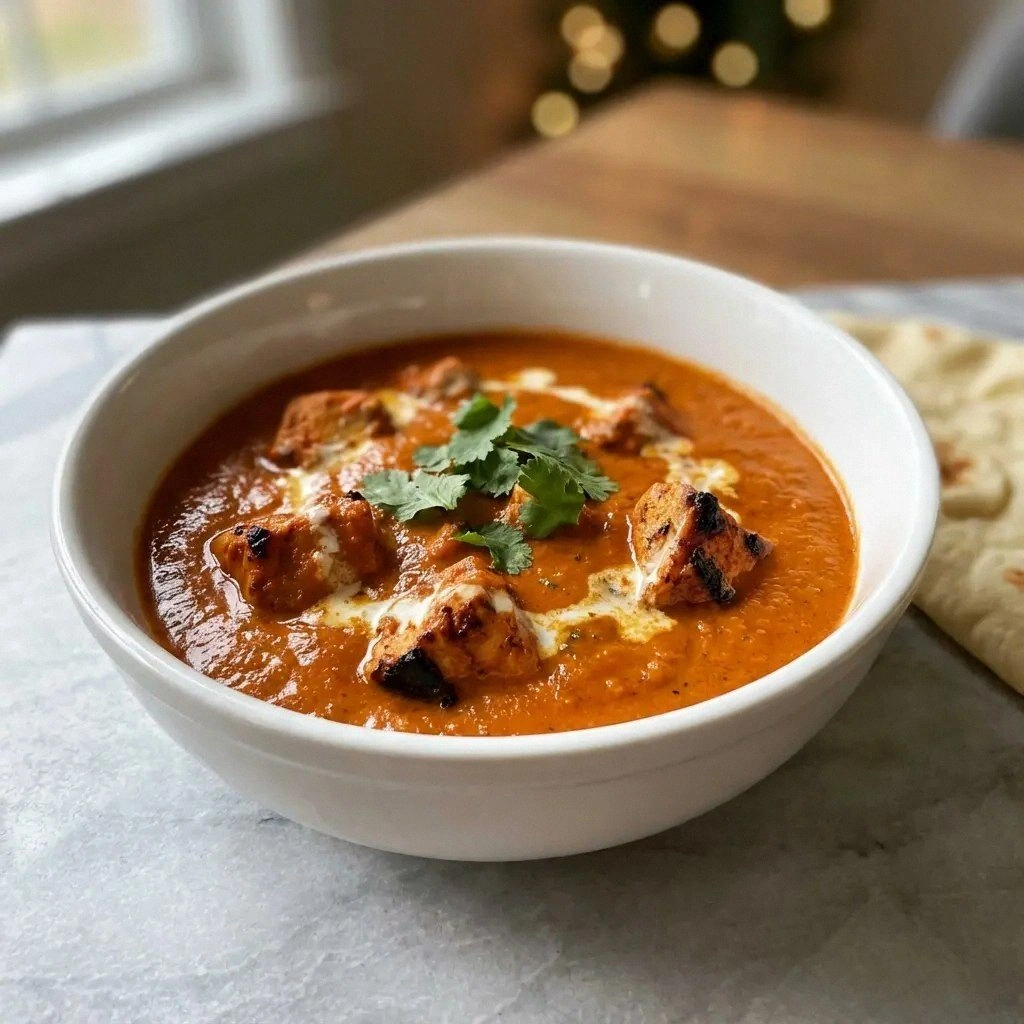
From the first glance at the sizzling onions, to the moment the tomato‑cream sauce begins to thicken like a silky velvet, every sensory cue is a cue to keep going. The bright orange of the crushed tomatoes cuts through the deep amber of the ghee, while the aroma of fresh ginger and garlic fills the room like an old favorite song. You’ll hear the gentle hiss as the sauce simmers, feel the heat radiating from the pan, taste the subtle sweetness of sugar balancing the acidity of the tomatoes, and see the glossy sheen of the finished dish glimmering under the kitchen light. If you’re tired of bland, pre‑mixed spice blends that taste like a generic supermarket aisle, this version will shatter your expectations.
What sets this homemade Chicken Tikka Masala apart is that it’s built on a foundation of fresh, honest ingredients and a technique that locks in moisture and flavor. I’ve spent years refining the marination, the sauté, and the sauce, and I’ll let you in on a secret: the yogurt isn’t just a tenderizer; it’s a flavor base that carries the spices through every bite. The sauce doesn’t just coat the chicken; it envelops it, turning each bite into a mini celebration of spice, cream, and aromatic herbs. Most recipes get this completely wrong, but I’ve cracked the code and I’m ready to share it.
Picture yourself pulling this dish out of the pan, the whole kitchen smelling incredible, and knowing you’re about to serve a meal that will have everyone asking for seconds. The anticipation is half the joy; the taste is the other half. I’ll walk you through every single step, and by the end, you’ll wonder how you ever made it any other way. Let’s get started.
What Makes This Version Stand Out
- Taste: The balance of heat from Kashmiri red chili powder, sweetness from a touch of sugar, and depth from garam masala creates a complex flavor profile that’s unmistakably authentic.
- Texture: Tender, juicy chicken that stays moist thanks to a yogurt‑based marination that also infuses the meat with subtle spice.
- Simplicity: Only 15 key ingredients, no complicated steps—just a few minutes of prep and a slow, comforting simmer.
- Uniqueness: The addition of kasoori methi (dried fenugreek leaves) gives a smoky, slightly bitter note that sets it apart from standard kits.
- Crowd Reaction: Friends who’ve tried other versions rave about how this feels like a home‑cooked, restaurant‑level dish that’s both comforting and adventurous.
- Ingredient Quality: Fresh, high‑fat yogurt, real ghee, and fresh herbs—nothing pre‑packaged or processed.
- Cooking Method: Marinate overnight, sear to lock in juices, then finish in a creamy tomato sauce—this three‑step process is the secret to flavor.
- Make‑Ahead Potential: The sauce can be made up to two days ahead, and the chicken can be pre‑cooked and reheated without losing moisture.
Alright, let’s break down exactly what goes into this masterpiece…
Inside the Ingredient List
The Flavor Base
At the heart of any great tikka masala is the marination. The yogurt, when combined with ginger, garlic, and a dash of lemon juice, creates a tenderizing matrix that also carries the spices. The acidity breaks down the collagen in the chicken, ensuring each bite remains succulent. If you skip the yogurt, the chicken will end up dry and the spices won’t have a medium to cling to, leading to a flat flavor profile.
The Texture Crew
The 2 lbs of boneless, skinless chicken are the star of the show. Whether you choose breasts or thighs, the key is to cut them into bite‑sized pieces so they cook evenly. The ghee or vegetable oil is used for searing; it gives a slight caramelization that adds depth. If you’re watching calories, you can replace ghee with a neutral oil, but be prepared for a slightly less rich finish.
The Unexpected Star
Kasoori methi is the secret weapon that gives this sauce a smoky, slightly bitter undertone. It’s often overlooked in copycat recipes, but it adds an earthy complexity that elevates the dish. If you can’t find dried fenugreek leaves, a pinch of fresh fenugreek leaves or even a dash of fenugreek powder works, though the flavor will be milder.
The Final Flourish
Fresh cilantro is the finishing touch that brightens the dish. It’s not just garnish; it brings a burst of herbaceous freshness that cuts through the richness of the sauce. The sugar, while optional, balances the acidity of the tomatoes and brings a subtle caramelization during simmering. Remember, salt is always a taste‑to‑taste situation; start with 1/2 teaspoon and adjust.
Everything’s prepped? Good. Let’s get into the real action…
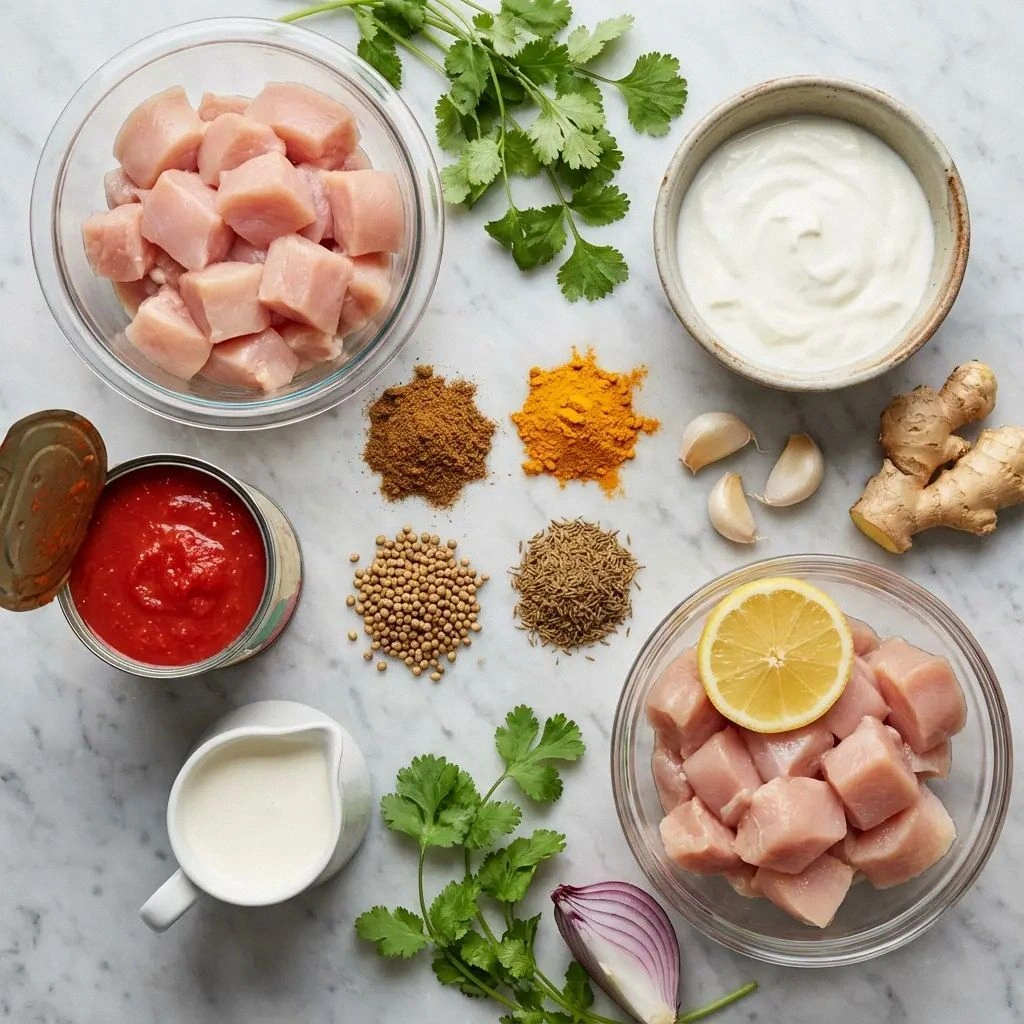
The Method — Step by Step
- Marinate the Chicken: In a large bowl, combine the yogurt, 1 tablespoon grated ginger, 1 tablespoon minced garlic, 1 teaspoon turmeric, 1 teaspoon garam masala, 1 teaspoon Kashmiri red chili powder, 1 teaspoon ground cumin, 1 tablespoon lemon juice, and 1/2 teaspoon salt. Toss the chicken pieces until fully coated. Cover and refrigerate for at least 2 hours, ideally overnight. This step is the flavor foundation—don’t skip it.
- Heat the Pan: Place a heavy-bottomed skillet over medium heat and add 2 tablespoons ghee or oil. When the fat shimmers, add the finely chopped onion. Sauté until translucent and slightly golden, about 5 minutes. The onions should release their natural sweetness without burning.
- Add Aromatics: Stir in the remaining 1 tablespoon grated ginger, 1 tablespoon minced garlic, 1 teaspoon ground cumin, 1 teaspoon ground coriander, and 1/2 teaspoon turmeric. Cook for 1–2 minutes until the spices are fragrant. The aroma should fill the kitchen, signaling the sauce is building depth.
- Sear the Chicken: Increase heat to medium-high and add the marinated chicken in a single layer. Allow each side to sear for 2–3 minutes before flipping. The edges should develop a slight crust, locking in juices. This is the moment of truth—don’t rush it.
- Deglaze and Simmer: Pour in the crushed tomatoes, stirring to combine. Reduce heat to low and let the mixture simmer for 15 minutes, uncovered. The sauce should thicken and the chicken should be fully cooked. Watch for bubbling; if it’s too thick, add a splash of water.
- Finish with Cream: Stir in the heavy cream, 1 tablespoon sugar, and 1 teaspoon kasoori methi. Simmer for an additional 5 minutes, allowing the flavors to meld. The sauce should be silky, with a bright orange hue.
- Adjust Seasoning: Taste the sauce; add salt as needed. If you prefer a hotter kick, sprinkle a little extra Kashmiri chili powder. Remember, the sauce should be a balance of heat, sweetness, and spice.
- Garnish and Serve: Sprinkle fresh cilantro over the top. Serve immediately over basmati rice or warm naan. The dish should look glossy and the aroma should be irresistible.
That’s it— you did it. But hold on, I’ve got a few more tricks that will take this to another level…
Insider Tricks for Flawless Results
The Temperature Rule Nobody Follows
Many people cook tikka masala on high heat, which can scorch the sauce and burn the spices. I always set the stove to low and let the flavors develop slowly. The result is a sauce that’s silky, not bitter, and the chicken stays juicy. If you’re using a gas stove, keep the flame at the lowest setting possible.
Why Your Nose Knows Best
Before you add the heavy cream, pause and sniff the sauce. It should smell like a warm, earthy kitchen, not like a burnt pot. If it smells off, reduce the heat and let it simmer longer; the spices need time to mellow. Trust your nose—it’s a reliable taste tester before you even taste the dish.
The 5-Minute Rest That Changes Everything
After simmering, let the dish rest for 5 minutes off the heat. This allows the flavors to settle and the sauce to thicken slightly. The rest is often overlooked but it’s the difference between a good and a great dish.
Use Fresh Ingredients for a Burst of Flavor
Fresh ginger and garlic provide a punchier flavor than their powdered counterparts. If you’re pressed for time, a quick blend of fresh herbs in a food processor can save hours of manual chopping.
Keep the Ghee Warm
When you add the ghee to the pan, let it melt slowly. A hot pan can cause the ghee to separate, resulting in a greasy sauce. Gently warming the fat ensures a smooth, cohesive flavor profile.
Creative Twists and Variations
This recipe is a playground. Here are some of my favorite ways to switch things up:
Spicy Vegan Version
Swap the chicken for paneer or tofu, and replace the heavy cream with coconut milk. Use a plant‑based yogurt for marination. The result is a creamy, spicy dish that’s completely dairy‑free but still full of depth.
Low‑Carb Twist
Serve the sauce over cauliflower rice instead of basmati. Reduce the sugar to a teaspoon or eliminate it entirely. The dish stays low in carbs while still delivering the same rich flavor.
Herb‑Infused Variation
Add a handful of fresh mint or basil during the final simmer. The herb adds a fresh, almost citrusy brightness that pairs well with the smoky fenugreek.
Breakfast Tikka
Use diced chicken and serve the sauce over scrambled eggs. Top with a drizzle of yogurt and fresh cilantro for a protein‑packed breakfast that feels like a brunch special.
Garnish Upgrade
Finish with toasted sliced almonds or a sprinkle of pomegranate seeds for a sweet crunch that contrasts the creamy sauce.
Storing and Bringing It Back to Life
Fridge Storage
Store the sauce and chicken in an airtight container in the refrigerator for up to 3 days. The flavors will deepen, making it even more delicious.
Freezer Friendly
Freeze in portioned containers for up to 2 months. When reheating, thaw overnight in the fridge, then gently simmer on low heat, adding a splash of water to restore moisture.
Best Reheating Method
Reheat in a saucepan over low heat, stirring frequently. Add a tiny splash of water or broth before heating to keep the sauce from drying out. The result is a silky, freshly‑made texture.