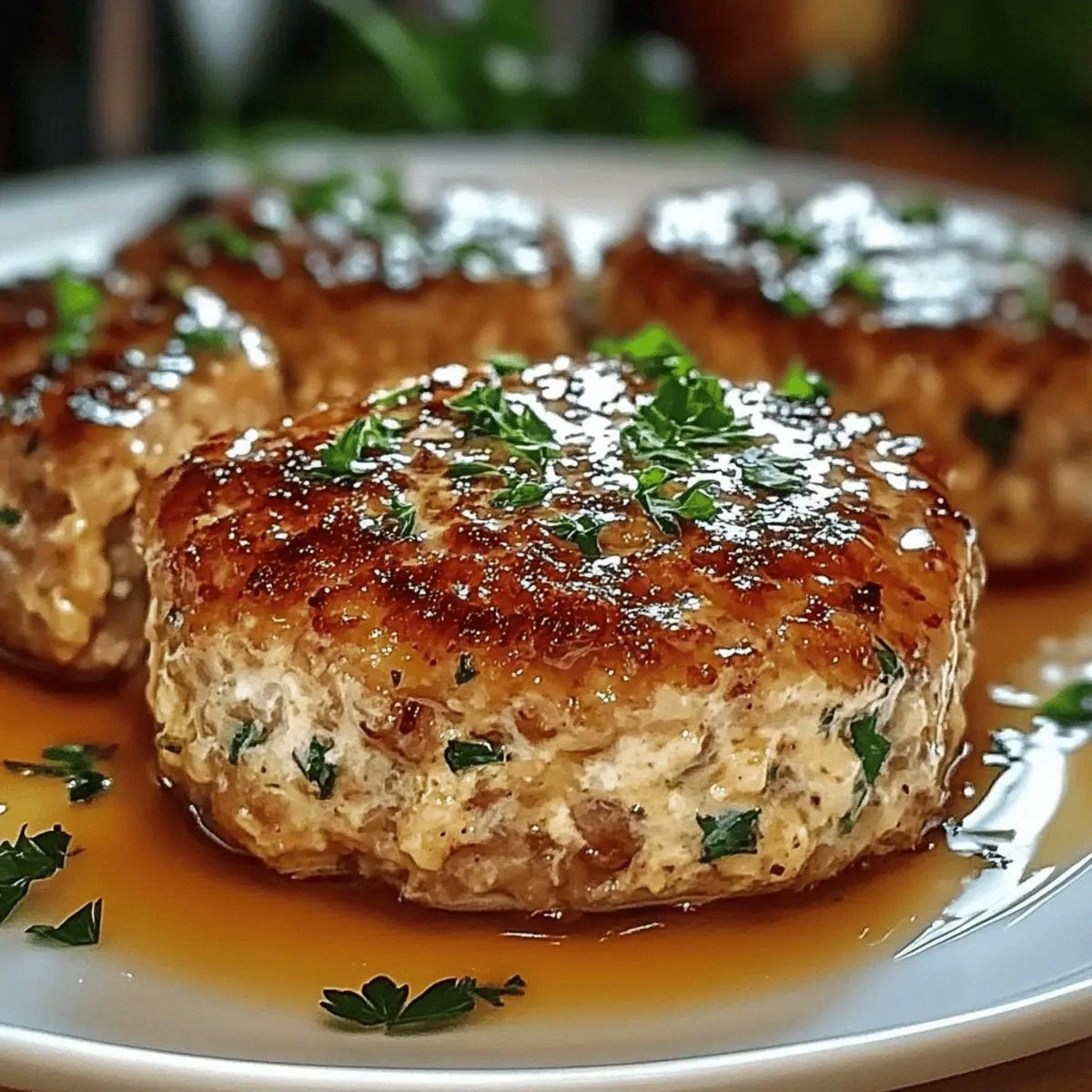
Picture this: I’m standing over a stovetop that’s been flirting with disaster all week, a half‑cooked turkey that decided to quit mid‑roast, and a craving for something that feels like a hug from the inside. I tossed a packet of frozen chicken nuggets into the oven, only to hear that unmistakable crunch that says “you’ve already given up.” That was the moment I dared myself to reinvent the classic meatloaf, but with ground chicken, garlic, and parmesan stealing the spotlight. I wanted something that could rescue a sad dinner night and still feel indulgent enough to make my friends ask for seconds without feeling guilty.
The kitchen filled with the scent of garlic sautéing in olive oil, a buttery aroma that seemed to whisper, “stay a little longer.” My ears caught the sizzle, a crisp, confident pop that told me the flavor base was forming a golden foundation. I could feel the heat radiating from the pan onto my forearms, a comforting reminder that something delicious was brewing. When I finally lifted the lid, a cloud of steam rose, carrying hints of Italian seasoning and fresh parsley that made my mouth water before the first bite even arrived.
Most meatloaf recipes treat ground meat like a bland canvas, coating it with ketchup and calling it a day. This version flips the script: we’re using lean ground chicken for a lighter texture, panko breadcrumbs for a delicate crumb, and a Parmesan‑garlic glaze that turns the crust into a crunchy, cheesy crown. The secret? A splash of chicken broth that keeps the loaf moist from the inside out, and a butter‑parmesan glaze that caramelizes into a glossy, savory finish. I’ll be honest — I ate half the batch before anyone else got a chance to try it, and that’s a confession you’ll hear often from anyone who’s tasted this masterpiece.
Okay, ready for the game‑changer? I’m about to walk you through every single step — by the end, you’ll wonder how you ever made meatloaf any other way. I dare you to taste this and not go back for seconds. Let’s dive in.
What Makes This Version Stand Out
- Flavor Explosion: The marriage of garlic, parmesan, and Italian seasoning creates a depth that rivals any Italian bistro, turning a simple loaf into a gourmet experience.
- Moisture Mastery: A half‑cup of chicken broth woven into the mix guarantees a juicy interior, preventing the dreaded dry chicken crumb.
- Texture Triumph: Panko breadcrumbs give the loaf a light, airy crumb while the butter‑parmesan glaze adds a crisp, caramelized crust that shatters like thin ice.
- Simplicity Meets Sophistication: Only fourteen ingredients, all pantry‑friendly, yet the result feels like a dish that took hours to perfect.
- Crowd‑Pleaser Factor: Even the pickiest eaters rave; the aromatic steam wafting from the oven is a siren call that draws everyone to the table.
- Ingredient Quality: Using fresh parsley and real grated Parmesan elevates the flavor profile far beyond the boxed mixes that dominate most recipes.
- One‑Pan Wonder: The entire loaf bakes on a single sheet, making cleanup a breeze and keeping the flavors locked together.
- Make‑Ahead Magic: This loaf freezes beautifully, so you can prep ahead for busy weeks and still serve up that fresh‑baked comfort.
Inside the Ingredient List
The Flavor Base
Ground chicken is the heart of this loaf; its mild flavor lets the garlic and Parmesan shine. Choose a blend that’s at least 85% lean to keep the texture tender. If you opt for a higher fat content, you’ll get a richer mouthfeel, but the loaf may become greasy.
Garlic, minced to a fine paste, provides that aromatic punch. Freshly minced garlic releases allicin, which not only adds flavor but also brings a subtle health boost. If you’re sensitive, reduce to two cloves and add a pinch of garlic powder for depth.
Italian seasoning is a blend of dried herbs—oregano, basil, thyme—that adds a Mediterranean whisper. It’s the secret behind the “restaurant‑style” vibe. You can swap it for a pinch of dried rosemary for an earthier note.
The Texture Crew
Panko breadcrumbs are the unsung heroes, creating a light, airy crumb that keeps the loaf from feeling dense. Their larger flakes trap moisture, resulting in a tender interior. If you’re gluten‑free, use gluten‑free panko or crushed cornflakes.
Grated Parmesan cheese introduces a nutty, salty richness that melts into the meat matrix. Freshly grated cheese is essential; pre‑grated varieties contain anti‑caking agents that can affect texture. A good quality Parmigiano‑Reggiano will make the glaze sing.
Milk adds a creamy element, hydrating the breadcrumbs and ensuring the loaf stays moist. Whole milk yields a richer result, while skim keeps calories lower without sacrificing tenderness.
The Unexpected Star
Chicken broth is the liquid gold that prevents the loaf from drying out. It infuses the meat with savory depth, making each bite juicy. If you’re short on broth, a splash of low‑sodium vegetable stock works in a pinch.
Melted butter, combined with Parmesan for the glaze, creates a glossy, caramelized crust. The butter’s fat carries the cheese’s flavor, while the heat of the oven browns it to perfection. For a dairy‑free version, substitute with olive oil and nutritional yeast.
The Final Flourish
Fresh parsley, chopped, adds a bright, herbaceous finish that cuts through the richness. It also contributes a pop of color that makes the loaf look as good as it tastes. If parsley isn’t your thing, try fresh basil or cilantro for a twist.
Eggs act as the binding agent, holding the meat and breadcrumbs together. Using large eggs ensures enough protein to keep the loaf from crumbling. For a vegan swap, use a flax‑egg (1 tbsp ground flax + 3 tbsp water).
Salt, black pepper, and a pinch of garlic powder round out the seasoning. Salt enhances all the flavors, while black pepper adds a subtle heat. The garlic powder reinforces the garlic flavor without overwhelming the palate.
Everything's prepped? Good. Let’s get into the real action…
The Method — Step by Step
Preheat your oven to 375°F (190°C) and line a baking sheet with parchment paper. The parchment prevents sticking and makes cleanup a breeze. While the oven warms, I like to set a timer for 10 minutes—this ensures the heat is fully stabilized before the loaf goes in. The kitchen will start to smell faintly of butter as it melts, a subtle promise of what’s to come.
In a large skillet, heat 1 tablespoon of olive oil over medium heat. Add the minced garlic and sauté for about 30 seconds, just until it turns golden and releases its perfume. Watch Out: Don’t let the garlic brown too much; burnt garlic adds bitterness that can ruin the entire loaf.
Transfer the fragrant garlic to a big mixing bowl. Add the ground chicken, panko breadcrumbs, grated Parmesan, milk, and the two large eggs. Sprinkle in the Italian seasoning, salt, black pepper, and garlic powder. Using your hands (or a sturdy spoon), combine everything until just mixed—over‑mixing can make the loaf dense, a mistake many home cooks make.
Kitchen Hack: Chill the mixture for 15 minutes before shaping. Cold meat firms up, making it easier to form a tight loaf without it falling apart.While the mixture chills, prepare the glaze. In a small saucepan, melt the 2 tablespoons of butter over low heat. Once melted, whisk in the remaining ½ cup of grated Parmesan until it forms a smooth, glossy sauce. Add a splash of chicken broth (about 2 tablespoons) to loosen it slightly; this will help the glaze spread evenly over the loaf.
Remove the meat mixture from the fridge. Lightly dampen your hands with water (this prevents sticking) and shape the mixture into a uniform loaf, about 9 inches long and 3 inches wide. Place the loaf onto the prepared baking sheet, ensuring there’s a little space around the edges for airflow.
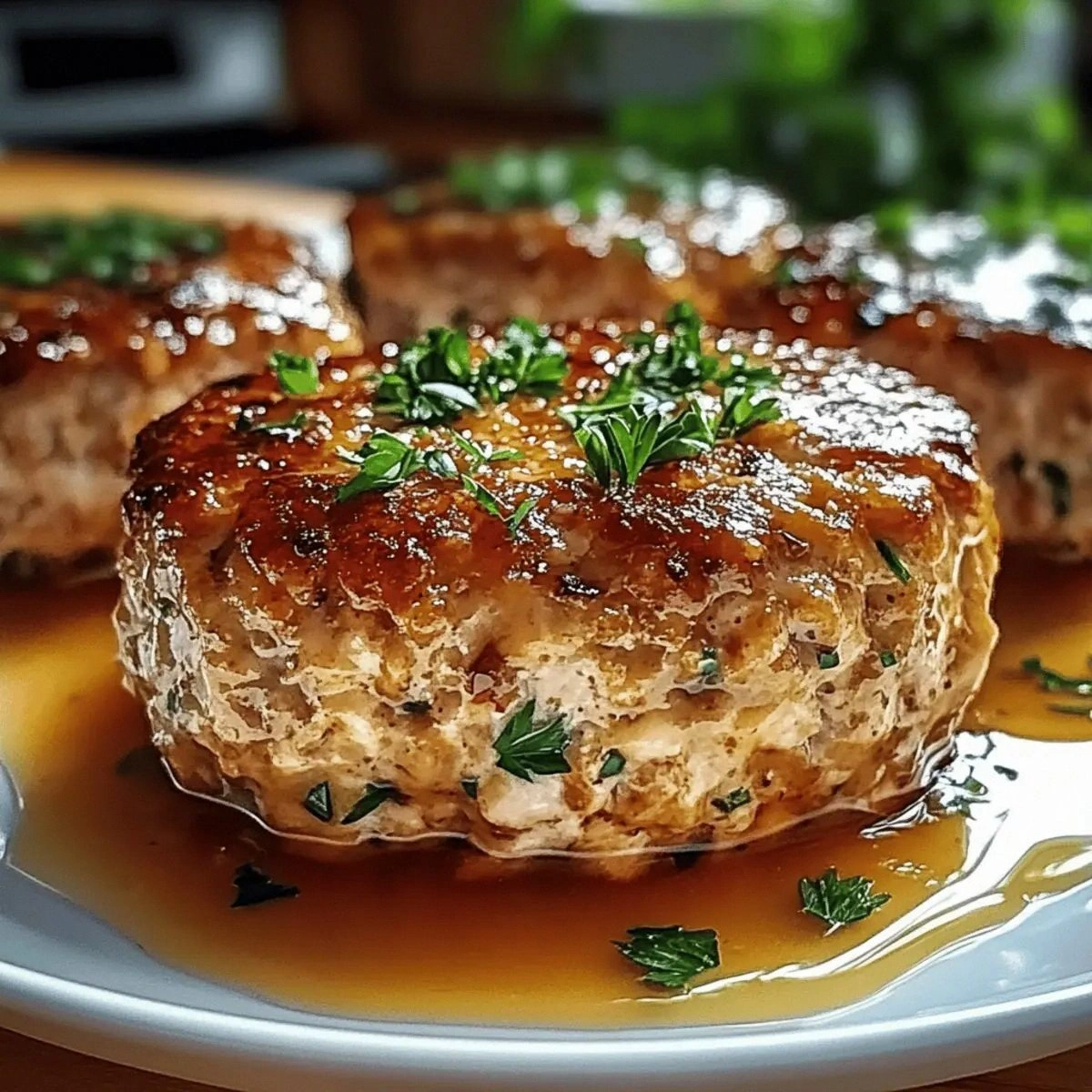
Brush the Parmesan‑butter glaze generously over the top of the loaf, making sure to coat the sides as well. The glaze should pool slightly, creating a thin river of buttery gold that will caramelize during baking. For an extra layer of flavor, sprinkle a handful of fresh parsley over the top before it goes into the oven.
Slide the sheet into the preheated oven and bake for 25‑30 minutes. About halfway through, rotate the pan 180 degrees to ensure even browning. The loaf should smell toasty, and the edges will start pulling away from the parchment—those are the visual cues that the crust is forming perfectly.
When the internal temperature reaches 165°F (74°C) on an instant‑read thermometer, remove the loaf. Let it rest for 10 minutes before slicing; this rest allows the juices to redistribute, giving you slices that stay moist rather than spilling onto the plate.
Watch Out: Cutting the loaf too soon will cause it to crumble. Patience at this stage is the difference between a restaurant‑quality slice and a sad, dry crumb.
That’s it — you did it. But hold on, I’ve got a few more tricks that’ll take this to another level…
Insider Tricks for Flawless Results
The Temperature Rule Nobody Follows
Most home cooks bake meatloaf at 350°F, but cranking it up to 375°F creates a quicker, more pronounced crust without drying the interior. The higher heat triggers the Maillard reaction, giving you that caramelized, nutty flavor that makes the loaf irresistible. I once baked at 400°F by accident; the result was a crispier edge that even my kids declared “the best part.” Just keep a close eye on the glaze to prevent burning.
Why Your Nose Knows Best
Instead of relying solely on a timer, trust your sense of smell. When the loaf starts to emit a rich, buttery aroma with a hint of toasted Parmesan, you’re approaching the perfect finish. If the scent turns sharp or burnt, lower the oven temperature by 25°F and cover loosely with foil. This sensory checkpoint saved me from a few near‑disasters.
The 5‑Minute Rest That Changes Everything
Allowing the loaf to rest for five to ten minutes after baking lets the protein fibers relax and the juices settle. Skipping this step results in a dry slice that looks appealing but feels like chewing on cardboard. I once served a loaf straight from the oven, and the feedback was brutally honest—“it’s dry.” A short rest transforms it into a melt‑in‑your‑mouth experience.
Glaze Upgrade: Add a Touch of Lemon
For a subtle brightness, whisk a teaspoon of fresh lemon juice into the butter‑Parmesan glaze before brushing. The acidity cuts through the richness and adds a layer of complexity that surprises the palate. This tiny tweak turned a good loaf into a great one for my friend who loves a hint of citrus.
Using a Meat Thermometer Saves Lives
Ground chicken must reach 165°F for safety, but overshooting leads to a dry texture. Insert the probe into the thickest part of the loaf; if it reads 160°F, give it another two minutes. This precise approach eliminates guesswork and ensures consistent results every time.
Creative Twists and Variations
This recipe is a playground. Here are some of my favorite ways to switch things up:
Spicy Jalapeño Kick
Dice two jalapeños (seeds removed for milder heat) and fold them into the meat mixture. Add a pinch of smoked paprika to the glaze for a smoky undertone. Perfect for those who love a little fire without overwhelming the garlic‑parmesan base.
Mediterranean Olive & Sun‑Dried Tomato
Stir in ¼ cup chopped Kalamata olives and ¼ cup sun‑dried tomatoes. The briny olives and sweet tomatoes introduce a Mediterranean flair that pairs beautifully with the parsley garnish. This version pairs well with a side of couscous or a simple Greek salad.
Cheesy Bacon Crumble
Cook 4 strips of bacon until crisp, crumble them, and mix half into the meat blend. Sprinkle the remaining bacon on top of the glaze before baking. The smoky bacon adds crunch and a savory depth that makes the loaf feel indulgent.
Herb‑Infused Goat Cheese
Swirl ¼ cup softened goat cheese into the center of the loaf before shaping. As it bakes, the goat cheese melts into a creamy core, creating a surprise burst of tanginess with each slice. A sprinkle of fresh thyme on top enhances the herbaceous notes.
Vegetarian Swap
Replace ground chicken with a mixture of lentils, mushrooms, and walnuts for a hearty vegetarian loaf. Use vegetable broth instead of chicken broth, and keep the Parmesan and garlic for flavor continuity. This version holds together well and satisfies even meat‑eaters.
Storing and Bringing It Back to Life
Fridge Storage
Allow the loaf to cool completely, then slice it and store the pieces in an airtight container. It will keep fresh for up to four days. Reheat individual slices in a skillet over medium heat, adding a splash of chicken broth to restore moisture.
Freezer Friendly
Wrap the entire cooled loaf tightly in plastic wrap, then foil, and place it in a freezer‑safe bag. It freezes beautifully for up to three months. To reheat, thaw overnight in the fridge, then bake at 350°F for 15‑20 minutes, brushing with a little extra butter‑Parmesan glaze halfway through.
Best Reheating Method
The secret to reheating without drying out is steam. Place the slice on a microwave‑safe plate, cover with a damp paper towel, and microwave for 45 seconds. For a crispier finish, finish under the broiler for 1‑2 minutes. A tiny splash of water or broth before reheating creates a steamy environment that revives the loaf’s juiciness.