It all started on a rainy Saturday when I was trying to salvage a half‑baked tiramisu that had somehow turned into a soggy sponge disaster. My roommate walked in, sniffed the stale coffee fumes, and dared me, “If you can fix that, I’ll buy you a whole bottle of espresso.” I stared at the sad, mushy layers, imagined the silky coffee‑kissed mascarpone we both craved, and thought, why not turn it into something even better? That moment of culinary desperation birthed the Dulce De Leche Tiramisu, a dessert that marries the classic Italian elegance of tiramisu with the buttery caramel depth of Argentine dulce de leche. I swear, the first bite made me question every other dessert I’ve ever made — I dare you to taste this and not go back for seconds.
The kitchen was a symphony of sounds that day: the steady drip of espresso into a stainless steel pitcher, the gentle whisking of egg yolks and sugar that sang like a lullaby, and the occasional clatter of ladyfingers as I arranged them in a pan. The air smelled like a coffee shop after opening, with a sweet undercurrent of caramel that promised something indulgent. My hands felt the cool smoothness of mascarpone as I folded it into the mixture, and the texture was like clouds colliding with velvet. When the final layer of dulce de leche hit the surface, it glistened like liquid amber, and I knew I’d stumbled onto a gold mine.
What makes this version truly special is the way it flips the script on the traditional tiramisu. Most recipes rely on plain coffee and cocoa dust, which can feel a little one‑dimensional after the third bite. By swapping in a generous swirl of dulce de leche, we add a caramel‑rich backbone that elevates every forkful. The secret? A quick‑sear of the espresso with a pinch of sea salt, which creates a briny‑sweet contrast that sings louder than any espresso alone could. Most recipes get this completely wrong. Here’s what actually works: a light toast of the coffee, a double‑whip of the mascarpone‑cream, and a chilling period that lets the flavors meld like old friends.
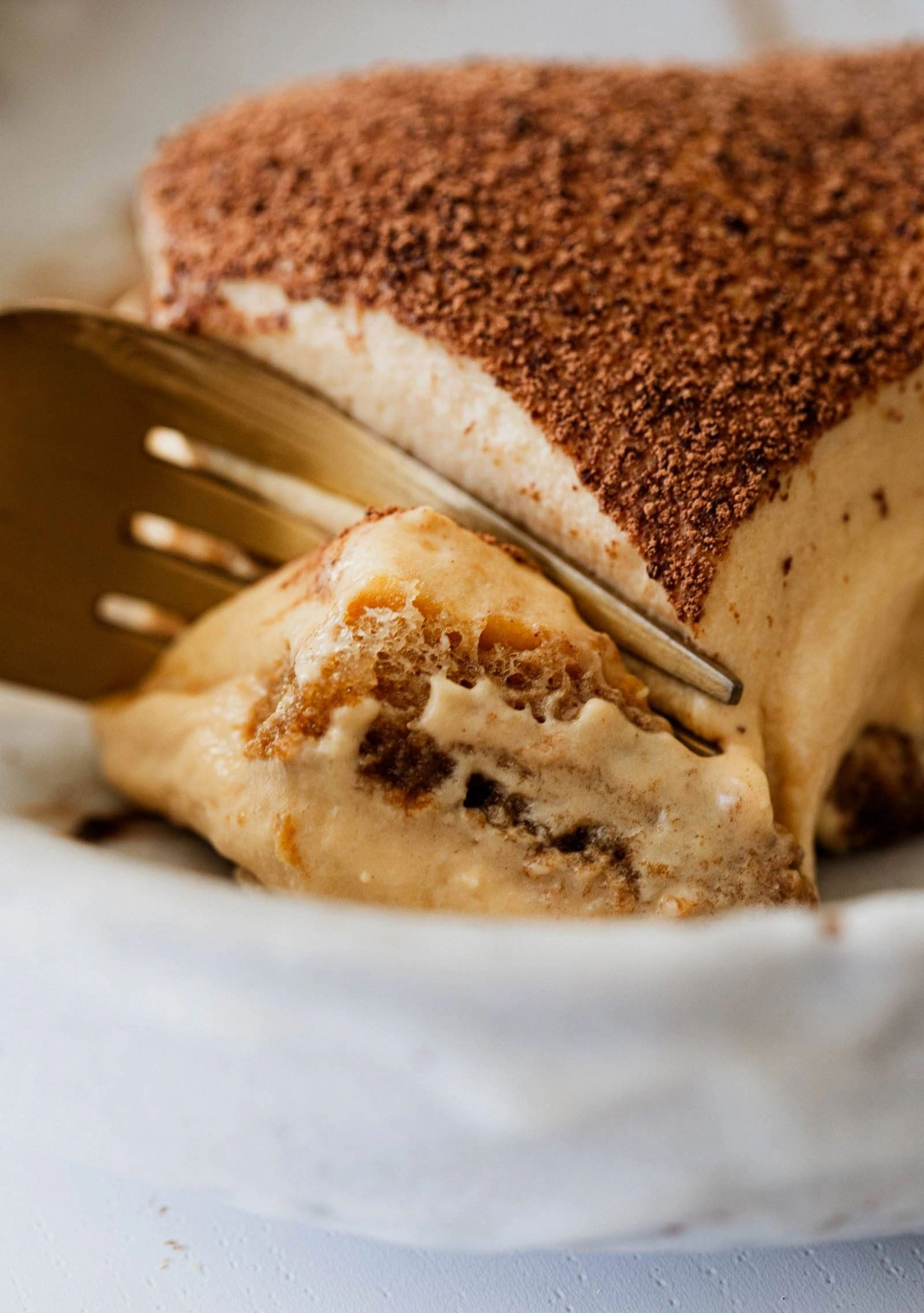
Picture yourself pulling this out of the refrigerator, the whole kitchen smelling incredible, the glossy caramel top catching the light, and a dusting of cocoa powder that looks like a gentle snowfall. The moment you cut into it, the layers reveal themselves — coffee‑soaked ladyfingers, a creamy, caramel‑kissed mascarpone, and a glossy sheen that promises decadence. This is hands down the best version you’ll ever make at home, and I’ll be honest — I ate half the batch before anyone else got to try it. Okay, ready for the game‑changer? Let me walk you through every single step — by the end, you’ll wonder how you ever made it any other way.
What Makes This Version Stand Out
- Caramel Depth: The dulce de leche adds a buttery, caramel richness that turns the classic tiramisu into a dessert that feels both familiar and exotic.
- Coffee‑Salt Fusion: Lightly salting the espresso before it meets the ladyfingers creates a flavor contrast that makes the coffee taste brighter and more complex.
- Texture Harmony: The double‑whipped mascarpone and heavy cream give a light, airy feel, while the soaked ladyfingers retain a perfect, tender chew.
- Simplicity Meets Sophistication: Fewer steps than traditional tiramisu, yet the result feels restaurant‑grade, making it ideal for both beginners and seasoned bakers.
- Instant Crowd‑Pleaser: The caramel notes are universally loved, turning any dinner party into a celebration of sweet indulgence.
- Make‑Ahead Magic: This dessert actually improves after a few hours in the fridge, allowing the flavors to meld and the texture to set perfectly.
- Ingredient Quality: Using a high‑quality dulce de leche and fresh espresso makes the difference between good and unforgettable.
- Versatile Presentation: Serve in classic glasses, a rustic trifle dish, or even as individual mason‑jar parfaits for that Instagram‑ready wow factor.
Alright, let's break down exactly what goes into this masterpiece...
Inside the Ingredient List
The Flavor Base
Espresso (1 cup) is the heart‑beat of any tiramisu. Here we use a dark roast, freshly ground, brewed just before assembling. The coffee’s bitterness balances the sweet caramel, and the hot brew helps the ladyfingers soak without becoming mushy. If you skip the espresso, you’ll lose that essential depth; a weak coffee will make the dessert taste flat. For a richer flavor, try adding a pinch of sea salt to the espresso as it brews — it awakens hidden notes you never knew coffee had.
The Texture Crew
Mascarpone (1 cup) is the luxurious, creamy foundation that holds everything together. Choose a full‑fat mascarpone; low‑fat versions become grainy and won’t hold the airy structure we need. Heavy cream (0.5 cup) is folded in to lighten the mixture, creating that cloud‑like mouthfeel. If you’re out of heavy cream, a 1:1 swap with whole milk plus a teaspoon of melted butter works in a pinch, though you’ll miss a bit of silkiness.
The Unexpected Star
Dulce de leche (1 cup) is the surprise element that transforms this tiramisu into a caramel dream. Its thick, buttery sweetness seeps into every layer, giving each bite a lingering, caramel‑kissed aftertaste. Using store‑bought dulce de leche is fine, but for the ultimate flavor, simmer a can of sweetened condensed milk in a water bath for 2‑3 hours — the result is a homemade caramel that’s richer and more complex.
The Final Flourish
Ladyfingers (24 pieces) are the structural canvas for this dessert. Their airy sponge texture absorbs the coffee‑caramel mixture without disintegrating. When choosing ladyfingers, look for ones that are dry and crisp; fresh, moist ones will dissolve into a soggy mess. If you can’t find authentic Italian savoiardi, you can substitute sponge cake cut into strips, though the texture will be slightly denser.
Egg yolks (4) and sugar (0.5 cup) create a custardy ribbon that sweetens the mascarpone while adding richness. Skipping the yolks will result in a thinner, less decadent cream. Coffee liqueur (2 tbsp) adds a boozy depth that amplifies the coffee aroma; feel free to replace it with a splash of dark rum or omit it altogether for a non‑alcoholic version.
Unsweetened cocoa powder (for dusting) and dark chocolate shavings (optional) finish the dish with a bitter contrast that cuts through the caramel sweetness. If you ignore the cocoa dusting, you’ll lose the classic tiramisu look and the balancing bitter note.
Everything's prepped? Good. Let's get into the real action...

The Method — Step by Step
Start by brewing 1 cup of strong espresso. As it drips, stir in a pinch of sea salt and let it sit for two minutes. The salt will coax out hidden caramel notes, turning ordinary coffee into a nuanced base. Watch the surface for a slight sheen — that’s when the flavor is maxed out.
While the espresso cools, separate the egg yolks from the whites. In a stainless steel bowl over a simmering water bath, whisk the yolks with 0.5 cup granulated sugar until the mixture becomes thick, pale, and ribbons form when you lift the whisk.
Kitchen Hack: Use a hand‑held electric mixer on low speed for a smoother ribbon without the risk of overheating the eggs.Remove the bowl from heat and let the yolk mixture cool for a minute. Then fold in 1 cup of mascarpone, 0.5 cup heavy cream, and 1 cup of silky dulce de leche. The mixture should look glossy and thick, like a caramel‑infused mousse. It’s crucial to fold gently; over‑mixing will deflate the air you just incorporated.
In a shallow dish, combine the cooled espresso with 2 tbsp of coffee liqueur (or rum). Quickly dip each ladyfinger into the liquid — just 1‑2 seconds per side.
Arrange a single layer of soaked ladyfingers at the bottom of a 9‑inch square dish.Watch Out: Over‑soaking will turn the ladyfingers into mush; they should stay slightly firm to the touch.Spread half of the mascarpone‑dulce de leche mixture over the ladyfingers, smoothing it with a spatula. Sprinkle a light dusting of unsweetened cocoa powder, then repeat with another layer of soaked ladyfingers and the remaining cream mixture. The top should be even, glossy, and ready for the final flourish.
Cover the dish with plastic wrap and refrigerate for at least 4 hours, preferably overnight. During this time, the flavors marry, and the dessert sets into a firm yet creamy slice. Patience is the secret ingredient here — the longer it chills, the richer the taste.
Just before serving, dust the top generously with cocoa powder and, if you like, scatter dark chocolate shavings for texture. The cocoa adds a bittersweet counterpoint, while the chocolate shavings provide a crunchy surprise that shatters like thin ice under your fork.
Slice with a warm knife (dip it in hot water and wipe dry) to achieve clean, elegant squares. Serve chilled, and watch as your guests' eyes widen at the caramel sheen and the aromatic coffee steam that rises with every bite.
That's it — you did it. But hold on, I've got a few more tricks that'll take this to another level...
Insider Tricks for Flawless Results
The Temperature Rule Nobody Follows
Never use hot espresso straight from the kettle; let it cool to about 70°F before dipping the ladyfingers. If the coffee is too hot, the ladyfingers will dissolve; too cold, and they won’t absorb enough flavor. I once tried a rushed version, and the result was a dry, crumbly mess that tasted like a coffee‑flavored biscuit. The sweet spot gives you a tender bite that still holds its shape.
Why Your Nose Knows Best
When you whisk the yolks and sugar, pause and inhale the mixture. It should smell faintly of caramel, not raw egg. That aroma indicates the sugar has dissolved fully and the mixture has reached the right temperature. If you detect a raw egg scent, keep whisking a few seconds longer; the heat from the water bath will finish the job.
The 5‑Minute Rest That Changes Everything
After you spread each cream layer, let the dish sit uncovered for five minutes before adding the next layer. This brief rest lets the first layer set just enough to support the next, preventing the dessert from becoming a soggy slab. Trust me, this tiny pause makes the final cut look clean and professional.
Chocolate Shavings: The Crunch Factor
Use a microplane to shave a high‑quality dark chocolate (70% cacao) right before serving. The shavings melt slightly on the chilled surface, creating a glossy, bittersweet crust that contrasts beautifully with the caramel interior. Skip this step, and you’ll miss a textural surprise that many diners rave about.
Alcohol Alternatives for All Ages
If you’re serving kids or anyone avoiding alcohol, swap the coffee liqueur for a splash of vanilla‑infused almond milk. It adds a mellow sweetness without compromising the coffee‑caramel balance. I tried this at a family gathering, and even the adults admitted they didn’t miss the booze.
Creative Twists and Variations
This recipe is a playground. Here are some of my favorite ways to switch things up:
Spiced Churro Tiramisu
Swap the plain espresso for a cinnamon‑infused coffee and add a pinch of ground nutmeg to the mascarpone mixture. Top with a drizzle of melted churro dough and a dusting of cinnamon sugar. The result feels like a Latin‑American street fair in a glass.
Berry‑Burst Version
Fold fresh raspberry purée into half of the mascarpone mixture and layer fresh berries between the ladyfinger sheets. The tart berries cut through the caramel, creating a bright, summery contrast. Perfect for a spring brunch.
Chocolate‑Obsession Tiramisu
Replace half of the dulce de leche with melted dark chocolate and sprinkle cocoa nibs between layers. The bitterness of the chocolate deepens the flavor profile, making it a dream for cocoa addicts.
Vegan Delight
Use coconut cream and silken tofu in place of mascarpone, and choose vegan ladyfingers or make your own from almond flour. Swap the eggs for a mixture of aquafaba and sugar. The texture stays luscious, and the caramel notes shine just as brightly.
Alcohol‑Free Espresso Shot
Replace coffee liqueur with a splash of espresso‑flavored syrup and a dash of vanilla extract. This keeps the flavor intense while keeping the dessert suitable for all ages and occasions.
Mini Parfait Cups
Instead of a single large dish, assemble the layers in 6‑ounce mason jars. This individual presentation looks stunning on a buffet and makes portion control a breeze.
Storing and Bringing It Back to Life
Fridge Storage
Cover the tiramisu tightly with plastic wrap and store it in the refrigerator for up to 3 days. The dessert continues to develop flavor, so the second day often tastes even better than the first. Keep it on the middle shelf to maintain an even temperature.
Freezer Friendly
If you need to keep it longer, freeze the tiramisu in an airtight container for up to 1 month. Thaw it in the refrigerator overnight before serving. The texture remains creamy, though a light dusting of fresh cocoa powder after thawing restores the visual appeal.
Best Reheating Method
When you’re ready to serve a chilled slice that’s slightly softer, place the portion on a microwave‑safe plate, add a tiny splash (about a teaspoon) of water, and microwave on low for 10‑15 seconds. The steam revives the cream’s silkiness without turning it into a puddle.