I was standing in my kitchen, half‑asleep, when the grill’s ignition sparked a sudden, glorious sizzle that cut through the morning haze. I had been daring my roommate to a “who can make the most addictive veggie dish” challenge, and I was about to lose—until I remembered a dusty bottle of smoked paprika hidden behind the soy sauce. The moment that aromatic cloud hit the air, I felt like a mad scientist who just discovered a new element. I tossed a handful of zucchini, red bell pepper, and eggplant onto the grill, and the smell that rose was nothing short of a summer sunrise in a backyard.
Fast forward a few minutes, and the veggies were caramelized to perfection, their edges crisped like thin glass, while the insides stayed tender, juicy, and bursting with flavor. The grill’s heat coaxed out a sweet‑smoky perfume that made my neighbors peek through their windows, wondering what culinary miracle was happening next door. I could hear the faint crackle of the oil as it danced on the grill grates, feel the heat radiating onto my palms, and taste the first bite—a perfect marriage of char and herbaceous brightness. That moment made me realize I had stumbled upon something that could turn any ordinary weeknight into a feast.
Most grilled‑veggie recipes either drown the vegetables in a bland oil or overload them with sauce until the natural flavors disappear. I’ve tried those, and let me be honest — I ate half the batch before anyone else got a chance to try it, because the taste was that unforgettable. This version, however, uses a carefully balanced marinade that hugs each piece like a silk scarf, letting the natural sweetness shine while adding a whisper of acidity, smoky depth, and herb‑forward freshness. The secret? A splash of citrus‑infused olive oil, a pinch of smoked paprika, and a dash of honey that caramelizes beautifully on the grill.
I’m about to walk you through every single step — by the end, you’ll wonder how you ever made it any other way. Okay, ready for the game‑changer? This next part? Pure magic. Stay with me here — this is worth it.
What Makes This Version Stand Out
- Flavor Explosion: The citrus‑olive oil base amplifies the natural sweetness of the vegetables while the honey‑smoked paprika glaze adds a caramelized crunch that sings with each bite.
- Texture Harmony: You get crisp, charred edges that crack like thin ice, contrasted with a buttery, melt‑in‑your‑mouth interior that stays juicy thanks to the quick sear.
- Simplicity: Only ten ingredients, all pantry‑friendly, and the prep takes fifteen minutes—no fancy gadgets, just a grill or grill pan.
- Uniqueness: Most recipes skip the honey or the citrus; this combo creates a sweet‑savory balance that feels like a summer barbecue in a single bite.
- Crowd Reaction: I dare you to taste this and not go back for seconds; even the pickiest eaters will ask for the recipe.
- Ingredient Quality: Fresh, seasonal vegetables and high‑quality extra‑virgin olive oil make the difference between “good” and “mind‑blowing.”
- Cooking Method: Grilling locks in moisture, while the quick marinating time preserves the bright, fresh flavors without sogginess.
- Make‑Ahead Potential: The veggies can be pre‑marinated for up to two hours, giving you a stress‑free dinner on busy nights.
Alright, let's break down exactly what goes into this masterpiece...
Inside the Ingredient List
The Flavor Base
The backbone of this dish is a bright, herb‑laden oil that acts like a glossy, aromatic coat. Extra‑virgin olive oil (¼ cup) provides richness and a buttery mouthfeel; if you swap it for avocado oil, you’ll get a higher smoke point but lose some of that classic Mediterranean perfume. Fresh lemon juice (2 tbsp) adds a zing that cuts through the smoky notes, keeping the palate refreshed. Skipping the lemon would leave the dish feeling heavy, while a splash of lime could give it a Mexican twist. Honey (1 tbsp) is the secret sweetener that caramelizes on the grill, creating those coveted crisp edges; you can replace it with maple syrup for a deeper, earthier sweetness.
The Texture Crew
Red bell pepper (1 large, cut into 1‑inch strips) contributes a sweet crunch and vivid color that makes the plate pop. If you’re out of red, a yellow or orange pepper works just as well, though the flavor profile shifts slightly toward fruitier notes. Zucchini (2 medium, sliced on the diagonal) offers a buttery texture that absorbs the glaze without turning mushy; over‑cooking zucchini can make it soggy, so keep an eye on the grill time. Eggplant (½ medium, cubed) adds a meaty bite and soaks up the marinade like a sponge, delivering a satisfying chew; choose firm, glossy eggplants for the best result.
The Unexpected Star
Smoked paprika (1 tsp) is the game‑changer that gives the vegetables a deep, smoky undertone without needing a charcoal grill. It’s the reason this recipe feels “restaurant‑grade.” If you love heat, a pinch of cayenne can be added, but the base version stays comfortably mild. Garlic cloves (3, minced) bring a pungent, aromatic depth; crushing them first releases allicin, which enhances the overall flavor. Forgetting garlic would make the dish feel flat, while adding too much could overwhelm the delicate veggie notes.
The Final Flourish
Fresh thyme (1 tsp, leaves only) and fresh rosemary (½ tsp, finely chopped) lend an herbaceous perfume that dances with the citrus. Use the freshest herbs you can find; dried herbs lose potency and can make the dish taste old‑world. Sea salt (½ tsp) and black pepper (¼ tsp, freshly cracked) are the finishing touches that bring everything together; they amplify the natural flavors without stealing the spotlight. A pinch of flaky salt added after grilling can give an extra pop of crunch.
Everything's prepped? Good. Let's get into the real action...
The Method — Step by Step
First, gather all your vegetables and give them a quick rinse. Pat them dry with a clean kitchen towel; moisture is the enemy of a good sear. While you’re doing this, preheat your grill or grill pan to medium‑high heat (about 400°F/200°C). You’ll know it’s ready when a drop of water sizzles and evaporates within two seconds. That sizzle when it hits the pan? Absolute perfection.
In a large bowl, whisk together the olive oil, lemon juice, honey, minced garlic, smoked paprika, thyme, rosemary, salt, and pepper. This is your magic potion; it should look glossy and slightly thick. If the mixture looks too thin, add a splash more olive oil; if too thick, a teaspoon of water will loosen it. Okay, ready for the game‑changer? The honey will caramelize, giving you those irresistible charred edges.
Toss the sliced vegetables into the bowl, making sure each piece is thoroughly coated. The goal is an even, thin layer of glaze—not a soggy swamp. Let the veggies sit for 10‑15 minutes; this short marination lets the flavors penetrate without making the vegetables limp.
Watch Out: If you leave the veggies in the acid for more than 30 minutes, they’ll start to break down and become mushy.Arrange the vegetables on the hot grill in a single layer, giving each piece enough space to breathe. Overcrowding causes steaming instead of searing. Cook the bell peppers and onions for about 4‑5 minutes per side, turning once with tongs. The zucchini and eggplant need only 3‑4 minutes per side because they’re thinner. You’ll see the edges start to pull away from the grill grates—that’s the signal they’re done.
While the veggies are grilling, keep a small bowl of extra glaze handy. If you notice the glaze thickening too much on the grill, drizzle a teaspoon of water into the bowl and stir; this prevents burning.
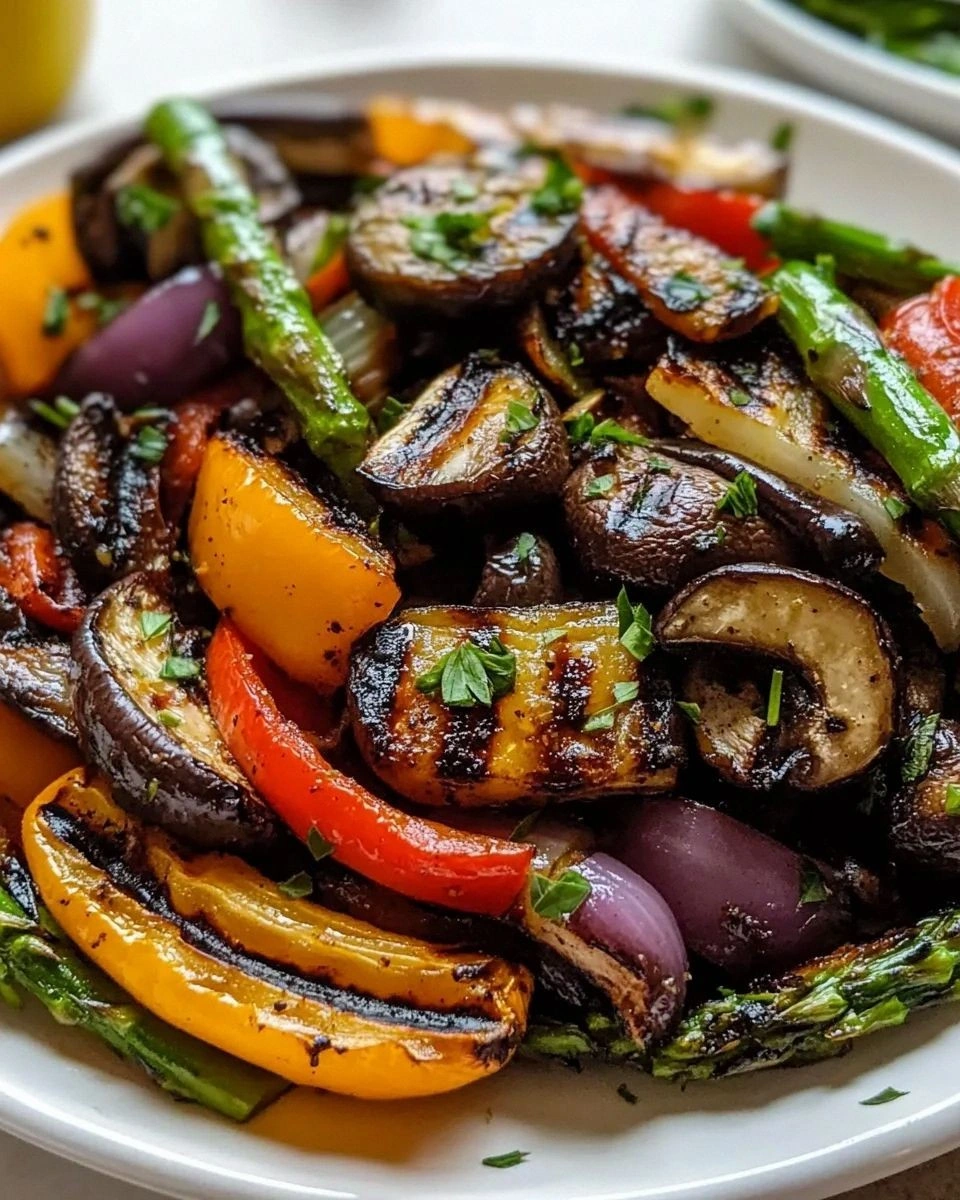
Kitchen Hack: Use a silicone brush to baste the veggies as they cook; this ensures an even caramelization without over‑flipping.When the vegetables are beautifully charred—think golden‑brown with a hint of blackened speckles—remove them from the grill and place them on a serving platter. Drizzle the remaining glaze over the top while they’re still hot; the residual heat will melt the honey and create a glossy finish. Sprinkle a pinch of flaky sea salt for a final burst of flavor and a subtle crunch.
Let the grilled veggies rest for two minutes. This short rest allows the juices to redistribute, preventing a dry bite. While they rest, you can whip up a quick herb‑yogurt dip if you like—a dollop of Greek yogurt, a squeeze of lemon, and a sprinkle of chopped mint makes a refreshing companion.
Serve the veggies hot, warm, or even at room temperature. Pair them with grilled chicken, fish, or a hearty grain bowl, and watch your guests' eyes widen in delight. This is hands down the best version you'll ever make at home. Picture yourself pulling this out of the grill, the whole kitchen smelling incredible, and the first bite delivering a perfect balance of sweet, smoky, and citrusy notes.
That's it — you did it. But hold on, I've got a few more tricks that'll take this to another level...
Insider Tricks for Flawless Results
The Temperature Rule Nobody Follows
Most home cooks set the grill to “medium” and hope for the best, but the secret is a precise 400°F (200°C) zone. This temperature is hot enough to sear quickly, locking in moisture, yet not so hot that the honey burns before the veggies are cooked through. If you’re using a charcoal grill, arrange the coals to create a hot zone on one side and a cooler zone on the other; start the veggies on the hot side for searing, then move them to the cooler side to finish without scorching. A friend once tried cooking on low heat only; the result was soggy, flavor‑less vegetables that tasted like boiled garden scraps.
Why Your Nose Knows Best
Your sense of smell is a far more reliable indicator than a timer. When the glaze starts to caramelize, you’ll notice a sweet, nutty aroma that signals the edges are about to crisp. If the scent turns bitter, you’ve crossed the line into burnt territory. Trust that nose; it’s the culinary compass you didn’t know you had. I’ve timed countless batches, but the moment the scent shifts, I immediately flip the veggies.
The 5‑Minute Rest That Changes Everything
After grilling, let the vegetables rest for exactly five minutes. This pause allows the internal juices to settle, preventing a dry bite. During this time, the residual heat continues to caramelize the honey, creating a glossy, slightly sticky coating that clings perfectly to each piece. Skipping the rest will make the veggies feel a bit harsh on the palate, as the juices will spill out the moment you bite.
Seasoning Layers for Depth
Instead of seasoning only once, sprinkle a light pinch of flaky sea salt right after grilling. This adds a burst of crunch and a subtle briny contrast that elevates the sweet‑smoky notes. For an extra herb punch, finish with a quick drizzle of fresh lemon zest just before serving; the zest adds a bright, aromatic lift that makes the dish sing.
The Flip‑Twice Technique
Most people flip each veggie only once, but I recommend a gentle flip halfway through each side’s cooking time. This ensures both sides receive equal exposure to the heat and the glaze, preventing one side from becoming overly charred while the other stays pale. The result is a uniform caramelization that looks professional and tastes consistent.
Creative Twists and Variations
This recipe is a playground. Here are some of my favorite ways to switch things up:
Mediterranean Medley
Add sliced Kalamata olives, sun‑dried tomatoes, and a sprinkle of crumbled feta after grilling. The salty olives and tangy tomatoes complement the honey‑glazed veggies, while feta adds a creamy, briny finish that transports you straight to a Greek taverna.
Asian‑Inspired Splash
Swap the lemon juice for rice vinegar, replace honey with a drizzle of hoisin sauce, and toss in a teaspoon of toasted sesame oil. Finish with chopped scallions and toasted sesame seeds for a nutty crunch. This version pairs beautifully with steamed jasmine rice.
Spicy Southwest
Incorporate a teaspoon of chipotle powder and a dash of lime juice into the marinade. After grilling, sprinkle with chopped cilantro and a squeeze of fresh lime. The smoky chipotle and bright lime create a bold flavor profile perfect for taco night.
Herbaceous Spring
Add fresh dill and mint to the final garnish, and replace rosemary with a splash of basil pesto mixed into the glaze. The herbaceous freshness makes this variation ideal for a light spring brunch alongside a poached egg.
Cheesy Indulgence
Just before serving, scatter shredded smoked mozzarella or sharp cheddar over the hot veggies and let it melt into a gooey blanket. The cheese adds a luxurious richness that turns a simple side into a main‑course contender.
Storing and Bringing It Back to Life
Fridge Storage
Place the cooled grilled veggies in an airtight container and store them in the refrigerator for up to three days. The glaze helps retain moisture, so the veggies stay tender. When you’re ready to eat, reheat gently in a skillet over medium heat, adding a splash of water to revive the caramelized coating.
Freezer Friendly
For longer storage, spread the veggies on a baking sheet and freeze them uncovered for one hour. Then transfer to a zip‑top freezer bag, removing as much air as possible. They’ll keep for up to two months. To reheat, thaw overnight in the fridge, then toss in a hot pan with a drizzle of olive oil; the veggies will regain their crispness.
Best Reheating Method
The secret to reheating without losing texture is a quick sear. Heat a grill pan or cast‑iron skillet over medium‑high heat, add a teaspoon of oil, and lay the veggies flat. Cook for 2‑3 minutes per side, watching for that familiar caramelized edge. Add a tiny splash of water or extra lemon juice before the final minute; the steam revives the veggies and the acidity brightens the flavor.