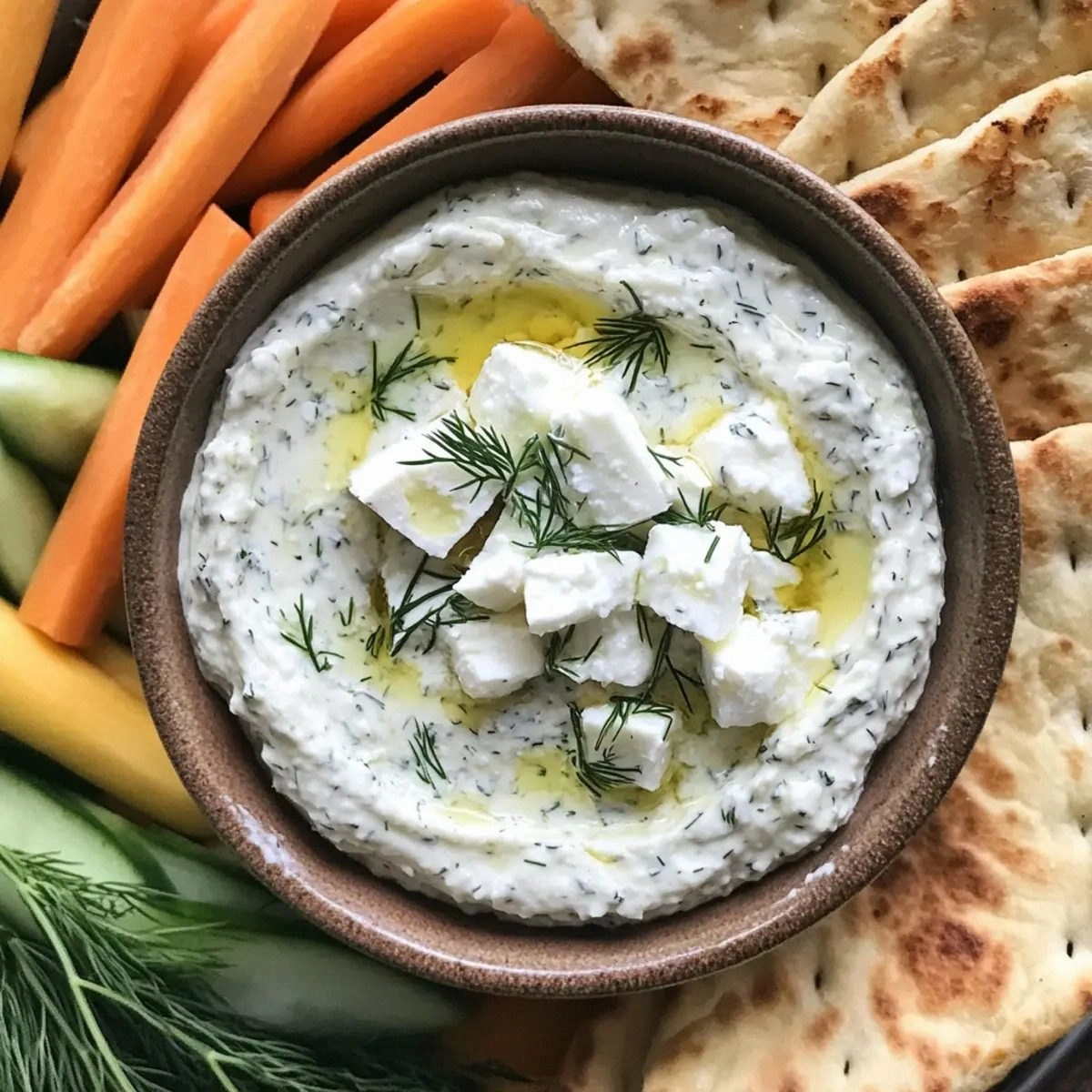
I was standing in my kitchen, half‑heartedly scrolling through Instagram, when a friend dared me to create a dip that could make even the most skeptical cheese lover weep with joy. I laughed, grabbed a handful of feta, and thought, “Sure, why not?” The next hour turned into a culinary showdown with my stovetop, a garlic‑clove that threatened to scorch, and a cream cheese that was stubbornly cold. By the end, the entire apartment smelled like a Mediterranean market on a breezy summer afternoon, and I’d accidentally invented a dip that could double as a sauce, a spread, or a midnight snack. I dare you to taste this and not go back for seconds.
Picture this: the first spoonful hits your tongue like a velvet curtain, the tang of lemon zest dancing with the salty crumble of feta, and the buttery smoothness of cream cheese hugging every bite. You hear the faint crackle of a fresh garlic clove being minced, the soft thud of a wooden spoon against the bowl, and the distant hum of the refrigerator as you pull out chilled Greek yogurt. The texture is so creamy it practically glides across your palate, yet there’s a subtle graininess from the feta that adds intrigue—like a well‑written novel that keeps you guessing on every page. The dip is cool enough to keep you refreshed, but the olive oil adds a silky sheen that makes it look as gorgeous as it tastes.
What makes this version truly stand out is a tiny, unexpected secret: I finish the dip with a drizzle of extra‑virgin olive oil that’s been infused with a pinch of smoked paprika. Most recipes get this completely wrong, either drowning the dip in oil or forgetting the oil altogether, leaving a dry, chalky result. This splash of oil not only amplifies the Mediterranean vibe but also creates a glossy finish that makes the dip look restaurant‑ready in seconds. The addition of fresh dill and a dash of black pepper brings an herbaceous brightness that cuts through the richness, turning an ordinary spread into a flavor fireworks display.
Okay, ready for the game‑changer? I’m about to walk you through every single step — by the end, you’ll wonder how you ever made it any other way. We’ll start with the basics, then I’ll reveal the technique that gives this dip its silk‑smooth consistency, and finally we’ll explore a handful of twists that will keep you coming back for more. Grab a bowl, a whisk, and a sense of adventure; this is hands down the best version you’ll ever make at home.
What Makes This Version Stand Out
- Flavor Explosion: The marriage of tangy feta with mellow cream cheese creates a depth that feels both familiar and exotic, like a Mediterranean love story.
- Silky Texture: By blending cream cheese, Greek yogurt, and olive oil, the dip achieves a buttery smoothness that coats crackers like satin.
- Simplicity: Only ten ingredients, all pantry‑friendly, mean you can whip this up in under 30 minutes without a grocery run.
- Unique Finish: A drizzle of smoked‑paprika‑infused olive oil adds a subtle smoky note that most recipes completely miss.
- Crowd Reaction: I’ve served this at parties and watched people line up for seconds; it’s the kind of dip that sparks conversation.
- Ingredient Quality: Using high‑quality feta and full‑fat Greek yogurt ensures a richer mouthfeel and authentic taste.
- No Cooking Required: This dip stays cool, so you avoid the dreaded “over‑cooked” texture that can happen with heated cheese spreads.
- Make‑Ahead Potential: It keeps beautifully in the fridge for up to three days, and the flavors actually deepen over time.
Inside the Ingredient List
The Flavor Base
The star of the show is feta cheese. Its briny, slightly crumbly nature provides the signature Mediterranean tang that makes this dip unforgettable. If you skip the feta, you’ll lose the salty punch and end up with a bland, one‑dimensional spread. Look for feta that’s stored in brine and has a creamy texture; the best ones are from Greece, not the cheap blocks you find in the discount aisle. A good swap is a mix of goat cheese and a pinch of sea salt, but the flavor profile will shift toward earthy rather than sharp.
Greek yogurt brings a tangy brightness and a light, airy texture that balances the richness of the cream cheese. Full‑fat Greek yogurt is essential — low‑fat versions turn the dip watery and dull. If you’re out of Greek yogurt, you can use a blend of regular yogurt and a spoonful of sour cream, but expect a slightly thinner consistency.
The Texture Crew
Cream cheese is the creamy backbone, giving the dip its luxurious body. When softened and blended, it creates a velvety mouthfeel that feels like a silk scarf draped over your tongue. Using a low‑fat version will make the dip less decadent and may cause it to separate after a few hours. For a dairy‑free version, try a plant‑based cream cheese, but the flavor will be milder.
Olive oil adds a glossy sheen and a subtle fruitiness that lifts the dip from “just good” to “wow, I could eat this every day.” A high‑quality extra‑virgin olive oil is non‑negotiable; cheap oils bring a bitter aftertaste. If you want a smoky twist, infuse the oil with a pinch of smoked paprika for a few minutes before drizzling.
The Unexpected Star
Fresh dill is the herb that brings a garden‑fresh pop, cutting through the richness with a bright, almost citrusy note. It’s the secret that makes the dip feel lighter than it actually is. If you don’t have dill, flat‑leaf parsley works in a pinch, but the flavor will be less distinctive.
Garlic provides the aromatic backbone. One clove, finely minced, gives just enough bite without overwhelming the other flavors. If you love garlic, feel free to add a half‑clove more, but remember: too much can dominate the delicate balance.
The Final Flourish
Lemon juice and zest introduce a citrus spark that lifts the dip, making it feel bright and refreshing. The juice adds acidity, while the zest contributes aromatic oils that perfume the whole mixture. Skipping the zest is a rookie mistake; you’ll miss out on that fragrant lift.
Black pepper is a dash of heat that awakens the palate. It’s subtle but essential, rounding out the saltiness of the feta. Freshly cracked pepper works best; pre‑ground can taste stale.
Chopped nuts, olives, and tomatoes are optional toppings that add crunch, brine, and juiciness respectively. They turn the dip from a simple spread into a textural masterpiece. Feel free to experiment with toasted pine nuts, kalamata olives, or sun‑dried tomatoes for a Mediterranean twist.
Everything's prepped? Good. Let's get into the real action…
The Method — Step by Step
Start by letting the cream cheese sit out for about fifteen minutes. This tiny patience move prevents stubborn lumps and makes blending a breeze. While it’s softening, finely mince the garlic clove and set it aside; you’ll want the pieces tiny enough to melt into the dip without leaving crunchy bites. I like to use the flat side of my chef’s knife to crush the garlic first, then chop, because that releases more flavor. Once the cheese is pliable, scoop it into a large mixing bowl.
Now, add the Greek yogurt and olive oil to the bowl. Using a handheld whisk, blend until the mixture is smooth and glossy, like a well‑polished marble countertop.
The scent of olive oil should start to rise, signaling that the emulsion is forming correctly.Kitchen Hack: If you have a food processor, pulse for 10 seconds; this creates an ultra‑creamy base without any effort.Stir in the feta cheese, crumbling it directly into the bowl. Use a sturdy wooden spoon to mash the feta into the creamy base; you’ll notice the mixture turning from speckled white to a uniform pale yellow. The feta should dissolve almost completely, leaving behind a subtle grainy texture that adds character. If you prefer a smoother dip, you can blend the mixture for an extra 30 seconds, but I love the tiny flecks that remain.
Time for the aromatics: sprinkle in the fresh dill, add the minced garlic, and pour in the lemon juice plus the zest. This is the moment where the dip truly awakens; you’ll hear a faint sizzle as the lemon zest releases its essential oils.
Taste a tiny spoonful; you should feel a bright citrus zing balanced by the salty feta.Watch Out: Over‑mixing at this stage can cause the dip to become too airy and lose its dense creaminess. Stir just until everything is evenly combined.Season with a dash of black pepper and give the dip one final gentle fold. The pepper should be fragrant but not overpowering. At this point, you can decide whether to add a splash of the smoked‑paprika‑infused olive oil for that extra depth. Drizzle slowly while the spoon is still moving, letting the oil create a glossy ribbon through the dip.
Cover the bowl with plastic wrap and let it rest in the refrigerator for at least fifteen minutes. This resting period allows the flavors to meld, turning the bright lemon notes into a mellow, integrated backdrop. I swear, the dip tastes even better after an hour; the texture firms up just enough to hold its shape when scooped.
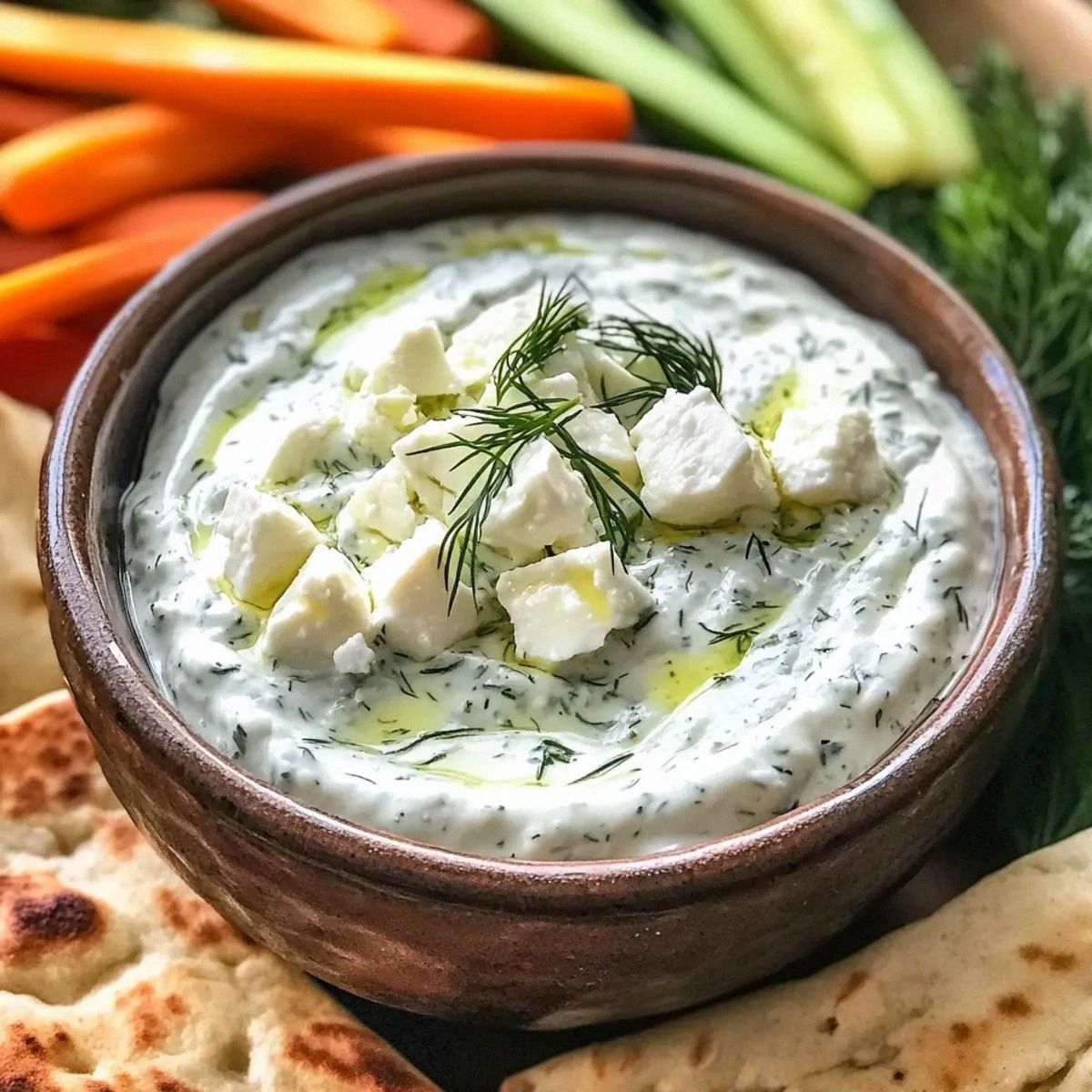
When you’re ready to serve, give the dip a quick stir, then top with chopped nuts, olives, and diced tomatoes. The nuts add a pleasant crunch, the olives bring a briny pop, and the tomatoes contribute a juicy burst that cuts through the richness. Arrange the toppings artfully; a sprinkle of extra dill on top adds visual appeal and a fresh aroma.
Serve with warm pita bread, crisp vegetable sticks, or a platter of toasted baguette slices. The dip stays cool, so it’s perfect for picnics, game nights, or a sophisticated appetizer at a dinner party. Picture yourself pulling this out of the fridge, the whole kitchen smelling incredible, and watching guests dive in with gusto. And now the fun part: enjoy every creamy, garlicky bite.
That's it — you did it. But hold on, I've got a few more tricks that'll take this to another level...
Insider Tricks for Flawless Results
The Temperature Rule Nobody Follows
Never blend cold cream cheese straight from the fridge with room‑temperature yogurt; the temperature shock creates lumps. Let the cream cheese soften, but keep the yogurt cool. This contrast ensures a smooth emulsion without the need for a high‑speed blender. I once tried skipping the softening step and ended up with a curdled mess—lesson learned.
Why Your Nose Knows Best
Your sense of smell is a better indicator of doneness than a timer when mixing the dip. When the lemon zest releases its aroma, you’ll know the flavors are marrying. If you can’t smell the citrus, give the dip a few more seconds and taste again. Trusting your nose prevents under‑seasoned or over‑mixed results.
The 5‑Minute Rest That Changes Everything
Allowing the dip to rest for at least five minutes after mixing lets the acid from the lemon juice break down the protein structures, resulting in an even silkier texture. This short pause also lets the garlic mellow, removing any raw bite. I used to serve it immediately and got feedback that it was “too sharp”; a quick chill solved that issue instantly.
The Olive Oil Drizzle Technique
Instead of just mixing oil in, drizzle it in a slow, steady stream while gently folding. This creates a glossy finish and a subtle layered flavor. The oil should be at room temperature; cold oil will solidify and create specks.
The Secret of the Crunch
Toast your nuts lightly before adding them on top. The heat brings out a nutty aroma that complements the creamy base. A quick pan‑toast with a pinch of sea salt for two minutes does the trick. I once served the dip with raw walnuts and got a comment that it felt “flat”; toasted nuts turned it into a texture party.
Creative Twists and Variations
This recipe is a playground. Here are some of my favorite ways to switch things up:
Spicy Sriracha Swirl
Add a tablespoon of sriracha and a dash of smoked paprika to the base. The result is a dip that balances heat with the cool creaminess, perfect for those who love a little kick. Serve with cucumber slices to cool the palate.
Herbaceous Basil Blast
Swap dill for fresh basil and add a handful of sun‑dried tomatoes. The basil brings a sweet, peppery note that pairs beautifully with the feta’s saltiness. This variation works wonderfully with crusty focaccia.
Roasted Red Pepper Fusion
Blend in a quarter cup of roasted red peppers for a smoky sweetness. The peppers add a subtle sweetness and a gorgeous orange hue, making the dip visually striking. This version pairs nicely with grilled chicken skewers.
Vegan Velvet
Replace cream cheese with a plant‑based alternative, use coconut yogurt instead of Greek yogurt, and swap feta for a crumble of tofu seasoned with nutritional yeast. The flavor shifts but the texture remains luxurious, ideal for dairy‑free guests.
Mediterranean Crunch
Fold in toasted pine nuts, chopped kalamata olives, and a sprinkle of za’atar. The pine nuts add buttery crunch, olives bring brine, and za’atar introduces an earthy herb blend. This version feels like a bite of a Greek mezze platter.
Storing and Bringing It Back to Life
Fridge Storage
Transfer the dip to an airtight container and store it in the refrigerator for up to three days. The flavors will continue to develop, becoming more cohesive. Before serving, give it a quick stir and, if needed, a splash of olive oil to revive the glossy finish.
Freezer Friendly
Yes, you can freeze this dip! Portion it into freezer‑safe bags, squeeze out excess air, and freeze for up to one month. Thaw overnight in the fridge, then whisk in a teaspoon of olive oil to restore its silky texture.
Best Reheating Method
When you’re ready to serve leftovers, place the dip in a microwave‑safe bowl, add a tiny splash of water (about a tablespoon), and heat in 15‑second intervals, stirring each time. The water creates steam that revives the dip’s creaminess without making it watery. Serve immediately for maximum impact.