There are moments in life when only a hug in a bowl will do, and this Creamy Chicken Noodle Soup is that hug. I learned this the hard way last winter during a snow-in when my pantry looked like a post-apocalyptic movie set and the only thing left standing was half a rotisserie chicken, a lonely carrot, and a suspiciously old bag of egg noodles. I could have done the responsible thing and trekked through knee-deep snow to the store, but instead I accepted the challenge of turning those scraps into something that would make me forget the wind howling at my windows. What emerged from that pot thirty minutes later was so outrageously comforting that I now stock up on the ingredients the moment the weather app drops below fifty degrees.
Picture this: the butter hits the pot and the kitchen fills with that nutty aroma that signals something incredible is about to happen. Onions sizzle, carrots and celery join the party, and the symphony of smells makes you close your eyes involuntarily. Then comes the flour, forming a roux that promises the silkiest texture you have ever spooned. The moment chicken broth floods the pan, the steam rises and carries hints of thyme and oregano that make you want to dive in headfirst. But wait, because here comes the half-and-half, swirling into the broth like liquid velvet, turning the whole pot into a cloud you can eat.
Most recipes stop there and call it a day, but we are not most recipes. I throw in diced potatoes for little pockets of creamy starch that burst when you bite them, and I add the egg noodles at the precise moment so they stay chewy instead of dissolving into a gluey mess. The final flourish of shredded chicken warms through just enough to stay juicy, and suddenly you are not eating soup, you are experiencing an edible security blanket. If you have ever struggled with watery, bland, or gloopy chicken noodle soup, you are not alone, and I have got the fix that will make you toss every other recipe out the window.
Let me walk you through every single step—by the end, you will wonder how you ever made it any other way.
What Makes This Version Stand Out
- Double-Cream Technique: We start with a blond roux for body and finish with half-and-half for gloss, creating layers of creaminess that cling to each noodle like silk on skin.
- Potato Insurance Policy: Tiny cubes of Yukon gold act as natural thickeners while adding buttery pops of texture, so you never need to worry about thin soup again.
- Noodle Timing Law: Egg noodles go in during the last eight minutes so they stay springy and never bloat into sad, soggy ribbons.
- Herb Balance Act: Dried thyme and oregano steep early for depth, then fresh thyme at the end punches up brightness like a high-five from springtime.
- One-Pot Wonder: No secondary pans, no strainers, no fuss—every bit of flavor stays locked in the same Dutch oven you will serve from.
- Left-Handed Cook Friendly: All ingredients go in clockwise order around the pot, so you can stir with your dominant hand and never miss a beat.
- Kid-Approved Veggie Cloak: Carrots and celery soften so completely that picky eaters cannot detect them, yet the nutrition stays intact.
- Freezer Rebel: Unlike most cream soups that separate into a curdled mess, this one reheats perfectly thanks to the roux base.
Alright, let's break down exactly what goes into this masterpiece...
Inside the Ingredient List
The Flavor Base
Butter is not just a fat here; it is the opening act that sets the tempo for everything else. I reach for unsalted butter because I want to control the salt level like a soundboard, not a jackhammer. As it foams and subsides, the milk solids toast into nutty little flecks that whisper secrets of caramel and popcorn. Skip margarine or oil, and you lose that depth entirely—your soup will taste flat like soda left open overnight.
Yellow onion brings the sweet backbone that keeps the soup from tasting like a cream sauce with chicken thrown in. Dice it small so it melts into oblivion, leaving only its flavor behind. If you cry while chopping, congratulations, you bought a fresh one. A dry eye means the onion is old and will taste more like bitter regret than cozy comfort.
The Texture Crew
Carrots and celery are the dynamic duo of texture, but they have to be cut uniformly so they cook at the same rate. I slice them into tiny half-moons, no thicker than a nickel, because nobody wants to wrestle a crunchy carrot in creamy soup. Carrots bring natural sweetness that balances the savory broth, while celery delivers a gentle bitterness that keeps your palate awake. Leave them out and the soup tastes like beige wallpaper paste.
Garlic joins late to the sauté so it does not burn and turn acrid. One good press with the flat of your knife, a quick mince, and in it goes for a thirty-second tan. The aroma should hit your nose like a jazz trumpet solo—bold, warm, and impossible to ignore. Use fresh cloves, not the pre-minced jar stuff that tastes like disappointment and regret.
The Unexpected Star
All-purpose flour is the silent architect of this entire operation. It mingles with the butter and vegetables to form a roux that thickens the broth without turning it into library paste. Stir it constantly for two full minutes to cook out the raw taste; your wrist will complain, but your tongue will thank you. Cornstarch slurry fans can sit this one out—flour gives a velvety body that cornstarch can only dream of.
Potato is my secret weapon for extra body and little surprise bites. I dice it into quarter-inch cubes so it cooks quickly and releases just enough starch to marry with the roux. Yukon Gold is my go-to because it holds its shape while still getting creamy around the edges. Skip russets unless you enjoy soup that looks like mashed potatoes had an identity crisis.
The Final Flourish
Reduced-sodium chicken broth lets me control the salt level like a seasoned conductor. Full-sodium broth often turns the soup into a salt lick by the time it reduces. I prefer the kind sold in resealable cartons because I can freeze the leftovers in ice-cube trays for quick flavor boosts later. Vegetable broth is acceptable in a pinch, but it will taste like the soup is wearing someone else's glasses.
Half-and-half is the Goldilocks of dairy—rich enough to feel indulgent, light enough that you can still move after a bowl. Warm it slightly before adding to prevent curdling, and never let the soup boil once it is in, or you will end up with a grainy mess that looks like it lost a fight. Whole milk works if you are counting calories, but your soup will feel like it is wearing cheap sneakers instead of leather boots.
Everything's prepped? Good. Let's get into the real action...
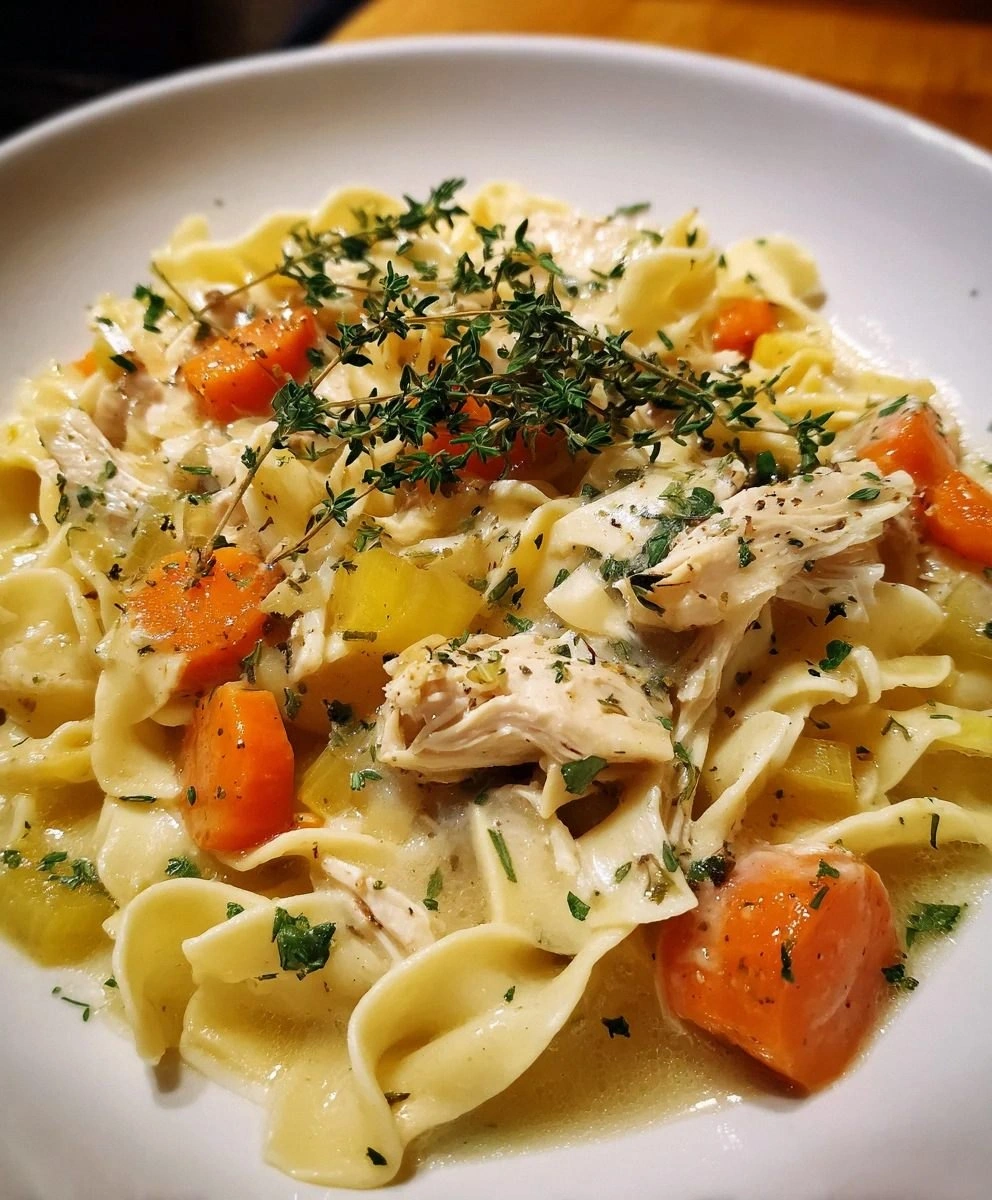
The Method — Step by Step
- Set your Dutch oven over medium heat and melt the butter until it stops foaming and turns the color of light caramel. Swirl the pan so the butter coats the bottom like sunshine on a lake. Listen for the quiet sizzle that tells you the temperature is perfect—too hot and the butter browns too fast, too cool and the vegetables stew in fat. This is the foundation of flavor, so do not rush it; good things come to those who wait and stir occasionally.
- Scatter in the diced onion and stir to coat every piece in that nutty butter. The kitchen should start smelling like you have entered a cozy bistro somewhere in the French countryside. Cook for four minutes, until the edges turn translucent and the centers look like they are blushing. If the edges brown, knock the heat down a notch; we want sweet, not scorched.
- Add the carrots and celery, stirring like you are conducting an orchestra of color. The orange and green flecks should glisten with butter as they soften for three minutes. You will hear the gentle sputter of moisture escaping the vegetables—that is the sound of flavor concentration. The goal is flexible but not mushy; think of a yoga instructor, not a couch potato.
- Clear a small circle in the center of the pot and add the minced garlic. Let it sit undisturbed for twenty seconds so it can toast slightly, then fold it into the vegetables. The aroma should punch you in the nose in the best possible way. Thirty seconds total is all it needs; garlic burns faster than gossip spreads.
- Sprinkle the flour evenly over the vegetables like you are dusting a crime scene. Stir constantly for two full minutes, scraping the bottom so nothing sticks and burns. The roux will turn into a pale golden paste that coats the vegetables like velvet. Your wrist will complain, but this is the difference between soup and sauce—power through.
- Slowly pour in the chicken broth while whisking with your other hand. Start with a thin stream, like you are feeding a shy cat, then increase to a steady pour once the roux loosens. Whisking prevents lumps that look like tiny dumplings of raw flour. Bring the mixture to a gentle boil; the broth will thicken enough to coat the back of a spoon.
- Add the diced potatoes, salt, pepper, thyme, and oregano. Stir everything together like you are folding laundry, making sure the potatoes are submerged so they cook evenly. Reduce the heat to a lazy simmer, cover partially, and let it bubble for ten minutes. The kitchen will start smelling like Thanksgiving morning, and you will find yourself humming without realizing it.
- Stir in the shredded chicken and half-and-half. The soup will turn a pale, creamy gold that looks like liquid sunshine. Keep the heat low—do not let it boil or the dairy will curdle into tiny white flecks that ruin the velvety texture. Taste and adjust salt; the soup should make you close your eyes involuntarily.
- Add the egg noodles and cook for eight minutes, stirring occasionally so they do not clump like teenagers at a school dance. The noodles will swell and drink up the creamy broth, turning plump and glossy. Test one—bite should reveal a tender center with a faint chew. Turn off the heat, let the soup rest for five minutes so flavors can mingle, then ladle into deep bowls and watch everyone go quiet.
That's it—you did it. But hold on, I have got a few more tricks that'll take this to another level...
Insider Tricks for Flawless Results
The Temperature Rule Nobody Follows
Most people crank the heat to high thinking it will speed things up, but cream soups are drama queens that curdle when rushed. Keep the liquid at a gentle simmer where only one bubble breaks the surface every few seconds. If you see vigorous bubbling, slide the pot halfway off the burner and stir until it calms down. Your patience will be rewarded with a glossy finish that looks like it came from a restaurant kitchen.
Why Your Nose Knows Best
Ignore the clock and trust your sense of smell. When the roux is ready, it will smell like toasted hazelnuts. When the garlic is done, it will perfume the air like you walked into a Mediterranean market. If you smell sharp or acrid notes, something is burning—dial back the heat immediately and stir like you are erasing mistakes. The human nose is more accurate than any timer you can buy.
The 5-Minute Rest That Changes Everything
Once the noodles are cooked, turn off the heat and let the soup sit uncovered for five minutes. During this brief vacation, the starch from the noodles thickens the broth slightly, the flavors marry like newlyweds, and the temperature drops to that magical point where you can taste every nuance without burning your tongue. Serve too soon and you will scald yourself; serve too late and it develops a skin. Five minutes is the sweet spot.
Creative Twists and Variations
This recipe is a playground. Here are some of my favorite ways to switch things up:
Smoky Bacon Ranch Edition
Swap the butter for rendered bacon fat and toss in a handful of chopped cooked bacon with the chicken. Stir in a teaspoon of ranch seasoning at the end and finish with chopped parsley. Kids will lick the bowl and ask for it on pizza night.
Thai Coconut Curry Remix
Replace half the broth with full-fat coconut milk and add a tablespoon of red curry paste with the garlic. Swap the thyme for lemongrass and finish with lime juice and cilantro. The creaminess takes on a tropical vibe that feels like a vacation in a bowl.
Spring Green Detox
Stir in two cups of baby spinach and a cup of peas during the last two minutes. The colors stay vibrant, and the soup tastes like April sunshine after a rainstorm. Perfect for those days when you want comfort without the food coma.
Fire-Roasted Chipotle
Add a minced chipotle pepper in adobo with the garlic and swap the oregano for smoked paprika. The smoky heat builds slowly and makes your lips tingle in the most addictive way. Serve with a dollop of sour cream to tame the flames.
Lemon Herb Brightness
Stir in the zest of one lemon and swap half the half-and-half for Greek yogurt. Finish with chives and dill. The tang cuts through the richness and makes the soup taste like it belongs on a patio in Provence.
Mushroom Umami Bomb
Sauté eight ounces of sliced cremini mushrooms in the butter before adding the vegetables. Use mushroom broth instead of chicken and finish with a splash of soy sauce. The depth of flavor is so intense that vegetarians will weep with joy.
Storing and Bringing It Back to Life
Fridge Storage
Let the soup cool until it stops steaming, then ladle into airtight containers. It keeps for up to four days, though the noodles will continue to absorb broth and swell. Store the noodles separately if you are a texture purist, but I find the extra-soft noodles comforting on day two. Reheat gently with a splash of broth or milk to loosen it up.
Freezer Friendly
Freeze portions in zip-top bags laid flat so they stack like books. The roux prevents separation, so the soup thaws creamy and smooth. Use within three months for best flavor, and always thaw overnight in the fridge rather than on the counter. Add freshly cooked noodles after reheating for the best texture.
Best Reheating Method
Pour the soup into a saucepan and add a splash of water or broth. Warm over medium-low heat, stirring often, until it steams and the edges bubble gently. Do not microwave on high unless you enjoy cleaning exploded dairy off every surface. Taste and adjust seasoning; a pinch of salt and a crack of pepper wake everything up.