Picture this: I was in the middle of a midnight snack raid, rummaging through the fridge, and my eyes landed on a bag of Korean rice cakes that had been sitting there longer than my patience. The idea of turning them into a creamy, cheesy delight hit me like a sudden thunderclap of flavor. I was determined to make something that would make my taste buds sing louder than a karaoke night. That night, I set out to create a dish that would not only satisfy my cravings but also become a staple at every gathering. I dared you to taste this and not go back for seconds, because the first bite is a promise of a thousand delicious memories. The moment I added the first splash of stock, the kitchen filled with an aroma that felt like a hug from a grandmother's kitchen, and I knew I was onto something special.
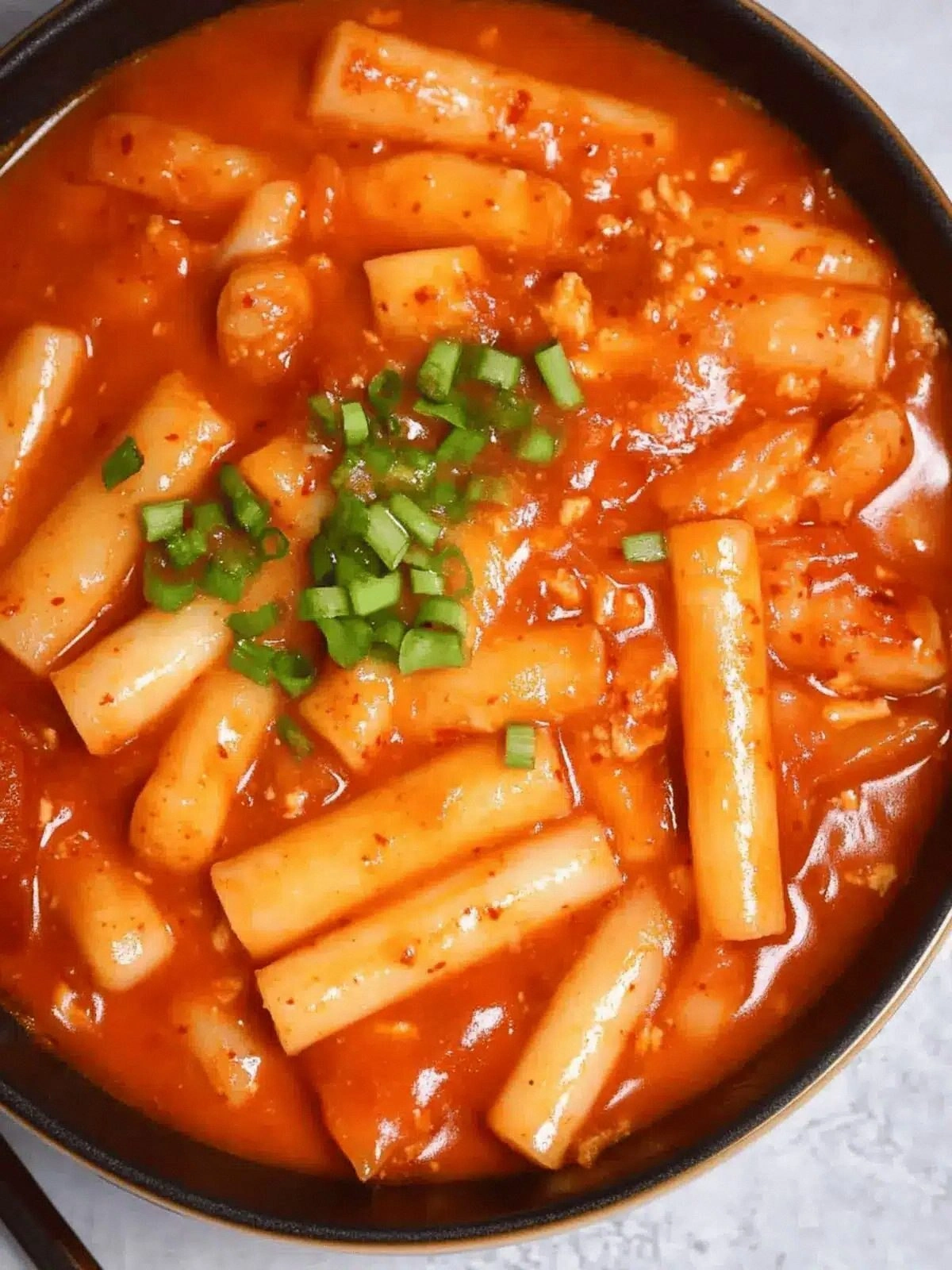
While most people think of tteokbokki as a fiery, spicy street food, I wanted to subvert that expectation with a velvety, melt-in-your-mouth twist. The sauce coats the rice cakes like a silky blanket, while the cheese melts into gooey ribbons that cling to every bite. I added a subtle sweetness that balances the heat, and the sesame oil gives it a nutty finish that lingers on the palate. This version stands out because it transforms a humble snack into a comfort dish that feels like a warm hug in a bowl. And let me tell you, the texture is a game-changer: the rice cakes become tender, yet they hold their shape like a well-trained gymnast. If you've ever struggled with bland tteokbokki, you're not alone — and I've got the fix.
Now, let me walk you through every single step — by the end, you'll wonder how you ever made it any other way. I’ll reveal the secret ingredient that turns a simple sauce into a silky, cheese-laden masterpiece. I’ll show you how to balance the heat so it’s just enough to wake up your senses without overwhelming them. And I’ll share the trick that keeps the rice cakes from becoming mushy, so each bite feels like a small, chewy wonder. Picture yourself pulling this out of the pan, the whole kitchen smelling incredible, and everyone asking for the recipe. I promise, the first bite will make your heart skip a beat, and the second will leave you craving more. So grab a pen, because the journey to creamy cheese tteokbokki starts now.
Okay, ready for the game-changer? The key to this dish lies in the sauce, which is a symphony of sweet, savory, and umami flavors that dance together like a well-rehearsed orchestra. The gochujang and gochugaru bring a punch of heat, but the corn syrup and granulated sugar introduce a subtle caramelized sweetness that tames the spice. The dashi stock adds depth, turning the dish into a savory broth that soaks into the rice cakes, giving them that signature chew. Meanwhile, the mozzarella cheese provides a creamy texture that melts into the sauce, creating a velvety coating that clings to every piece. The final flourish of sesame oil and toasted sesame seeds gives the dish a nutty aroma and a satisfying crunch. And if you’re worried about the cheese melting too quickly, just remember that the mozzarella’s high moisture content keeps the sauce smooth and luscious. Trust me, this is hands down the best version you'll ever make at home.
But before we dive into the recipe, let’s talk about the ingredients that make this dish unforgettable. The Korean rice cakes, or tteok, are the star of the show; they provide the chewy foundation that holds the sauce together. The stock is what brings everything together, infusing the dish with umami and depth. Gochujang and gochugaru are the heat carriers, while the sugars balance the heat with sweetness. The cheese is the creamy, indulgent component that turns the dish into a comfort food classic. Finally, the sesame oil, scallions, and sesame seeds add aroma, texture, and a final pop of flavor that completes the experience. If you’re ready to transform a simple snack into a gourmet sensation, keep reading.
Alright, let’s break down exactly what goes into this masterpiece. I’ve put together a quick, bullet-point rundown that highlights the essential elements of this dish. Each bullet starts with a bold keyword to help you focus on the most critical aspects. From taste and texture to cooking method and crowd reaction, these points will give you a clear roadmap for success. And if you’re curious about the science behind the sauce’s silky texture, stay tuned for the inside scoop in the next section. I’ll also share a few kitchen hacks that will save you time and frustration. Trust me, once you master these techniques, you’ll be whipping up this dish like a pro in no time. Let’s get started.
What Makes This Version Stand Out
- Flavor: The sauce is a harmonious blend of heat, sweetness, and umami that coats every rice cake like a silky blanket. It’s not just spicy; it’s a full-bodied flavor experience that lingers on the palate.
- Texture: The rice cakes remain chewy yet tender, while the cheese melts into gooey ribbons that cling to each bite. The sauce’s thickness keeps the dish from becoming watery, creating a satisfying mouthfeel.
- Ingredient Quality: Using fresh, high-quality gochujang and mozzarella ensures that the dish’s taste is authentic and indulgent. The choice of dashi stock elevates the umami profile beyond ordinary broth.
- Cooking Method: Slow simmering allows the flavors to meld while the rice cakes absorb the sauce, creating depth and richness that quick methods often miss.
- Make-Ahead Potential: The dish can be prepared ahead of time and reheated without losing its creamy texture, making it perfect for busy weeknights or large gatherings.
- Crowd Reaction: Friends and family rave about how the dish feels like a comforting hug, and it’s often the first item requested at parties.
- Uniqueness: The addition of mozzarella cheese transforms traditional tteokbokki into a new, indulgent comfort food that stands out from the crowd.
- Visual Appeal: The glossy, golden sauce with melted cheese creates an Instagram-worthy dish that looks as good as it tastes.
Alright, let’s break down exactly what goes into this masterpiece…
Inside the Ingredient List
The Flavor Base
Gochujang is the heart of the sauce, delivering a sweet, smoky heat that’s unmistakably Korean. It’s the foundation that keeps the dish from feeling too one-dimensional. The gochugaru adds a bright, peppery note that cuts through the richness of the cheese. Together, they create a balanced flavor profile that satisfies both heat lovers and those who prefer a milder experience. If you can’t find gochugaru, a pinch of red pepper flakes works, but the texture will differ slightly. The sugars—granulated and corn syrup—introduce a caramelized sweetness that tempers the spice, preventing the dish from becoming overly fiery. They also help the sauce thicken, giving it that glossy, mouthwatering sheen.
The Texture Crew
The Korean rice cakes (tteok) provide the chewy, slightly chewy bite that’s essential to the dish’s identity. When cooked properly, they absorb the sauce while maintaining a firm yet tender core. The dashi stock, a Japanese broth made from kelp and bonito flakes, adds an umami punch that elevates the overall flavor. If you’re aiming for a vegetarian version, replace the dashi with a vegetable stock that has a subtle seaweed note. The mozzarella cheese is the creamy hero, melting into ribbons that coat every rice cake. Its high moisture content keeps the sauce smooth and prevents it from drying out during cooking. The sesame oil, added at the end, gives a nutty aroma that ties all the flavors together.
The Unexpected Star
Minced garlic is a subtle but powerful flavor enhancer. It provides a warm, aromatic base that balances the heat from the gochujang and gochugaru. Garlic also brings a depth that’s often missing in quick tteokbokki recipes. The scallions add a fresh, crisp finish that cuts through the richness of the cheese and sauce. Their green color also adds a pop of visual appeal, making the dish look as appetizing as it tastes. Toasted sesame seeds provide a crunchy texture and a toasted, nutty flavor that complements the sesame oil. Together, these ingredients elevate the dish from simple to extraordinary.
The Final Flourish
Sesame oil is the final touch that elevates the dish to gourmet status. Its aroma is unmistakably nutty, and a drizzle adds a silky finish that glazes the rice cakes. The toasted sesame seeds act as a textural counterpoint, offering a satisfying crunch with each bite. This finishing touch is what separates this version from the ordinary. The combination of these small details results in a dish that feels both comforting and sophisticated. When you taste the first bite, you’ll notice the layers of flavor and texture working in harmony.
Everything's prepped? Good. Let's get into the real action…
The Method — Step by Step
- First, bring the dashi stock to a gentle simmer in a medium-sized pot. While it heats, add the minced garlic and let it release its aroma for about 30 seconds. This step ensures the stock’s flavor is fully extracted and the garlic doesn’t burn. The aroma should be warm and inviting, like a cozy kitchen. If the stock starts to bubble too fast, reduce the heat slightly to maintain a steady simmer.
- Add the gochujang and gochugaru to the pot, stirring until the paste dissolves completely. The sauce should look glossy and slightly thickened. Taste a small spoonful; it should be spicy but not overwhelming. If you prefer a milder version, reduce the amount of gochugaru. The heat level is crucial for balancing the sweetness that comes next.
- Stir in the granulated sugar and corn syrup, watching the sauce transform into a caramelized glaze. This step is where the sweetness begins to dominate, creating a counterbalance to the chili. Keep stirring to prevent the sugars from settling at the bottom. The sauce should bubble gently, releasing a sweet aroma that hints at caramel.
- Introduce the mozzarella cheese, breaking it into small cubes for even melting. The cheese should start to melt into ribbons that coat the sauce, turning it into a silky, creamy mixture. Stir constantly to prevent the cheese from sticking to the bottom. As the cheese melts, the sauce will thicken and develop a luscious texture.
- Now, add the Korean rice cakes to the pot, ensuring they’re fully submerged in the sauce. Stir gently to coat each rice cake evenly. The rice cakes should absorb the sauce without becoming mushy. If the sauce is too thick, add a splash of water to loosen it. The rice cakes should look glossy and be slightly translucent.
- Let the mixture simmer for about 10 minutes, stirring occasionally. During this time, the rice cakes will soften and the sauce will reduce slightly, intensifying the flavors. Watch for the edges of the rice cakes to pull away from the pot; that’s the signal that they’re perfectly cooked. The sauce should have a glossy sheen, not watery.
- Kitchen Hack: If you want a thicker sauce, reduce the liquid by adding a tablespoon of cornstarch mixed with a splash of water. Stir well to avoid lumps. This trick ensures a velvety consistency that clings to each rice cake. It’s especially useful if you’re cooking for a crowd and want a richer sauce.
- Add the sesame oil and stir to combine. The oil should give the sauce a nutty aroma and a glossy finish. This step is essential for that final layer of flavor that elevates the dish to gourmet status. If you’re vegan, replace the sesame oil with a neutral oil to maintain the nutty scent.
- Watch Out: Be careful not to let the sauce boil vigorously after adding the cheese, as it can cause the cheese to separate and become stringy. Keep the heat low and stir gently. A gentle simmer will keep the sauce smooth and prevent separation.
- Finally, sprinkle the finely chopped scallions and toasted sesame seeds over the top. These additions provide a fresh, crisp contrast to the rich, creamy sauce. Stir lightly to distribute them evenly. The dish should look vibrant and appetizing, with a pop of green and golden specks.
- Serve hot, straight from the pot, and watch the steam rise like a fragrant cloud. The first spoonful should hit you with a burst of heat, followed by creamy cheese and the subtle umami of the stock. Each bite should feel like a comforting hug, with a satisfying chew from the rice cakes. If you’re feeling adventurous, add a splash of soy sauce for extra depth. And remember, this dish is best enjoyed immediately; the sauce’s richness is at its peak when fresh.
That's it — you did it. But hold on, I've got a few more tricks that'll take this to another level...
Insider Tricks for Flawless Results
The Temperature Rule Nobody Follows
Many cooks think that a high heat is the key to a great tteokbokki, but I’ve discovered that low, steady heat is where the magic happens. Maintaining a gentle simmer ensures the rice cakes absorb the sauce without becoming rubbery. If you’re tempted to crank up the heat, resist. The slow cooking process allows the flavors to meld beautifully, resulting in a richer, more complex dish. A friend tried this trick once and ended up with a watery mess that tasted like a soup. Trust me, the secret is in the patience.
Why Your Nose Knows Best
When the sauce starts to thicken, your nose will tell you it’s ready. The aroma will shift from sweet to caramelized, signaling that the sugars have cooked just right. Pay attention to that subtle change; it’s the cue to add the rice cakes. If you’re uncertain, take a quick sniff. A hint of toasted sesame will confirm that the oil is properly heated. This sensory checkpoint ensures your dish has the perfect balance of flavors.
The 5-Minute Rest That Changes Everything
After you finish cooking, let the dish rest for five minutes before serving. This rest period allows the sauce to settle and the rice cakes to finish absorbing the flavors. It also gives the cheese a chance to re-melt slightly, creating a smoother texture. Some cooks skip this step, thinking it’s unnecessary, but the difference is noticeable. The dish will feel more cohesive and less chaotic.
Don’t Skip the Garlic
Garlic is often overlooked in favor of more dramatic ingredients, but it’s essential for depth. If you skip it, the dish will taste flat and lacking. I once made a batch without garlic, and the result was a bland, one-dimensional sauce. Add it early in the cooking process so it can infuse the stock fully. The aroma will linger and elevate the overall flavor profile.
Keep the Rice Cakes Submerged
It might be tempting to stir the rice cakes aggressively, but gentle stirring preserves their texture. Overstirring can cause them to break apart, resulting in a mushy dish. Instead, use a gentle spoon or spatula to lift and turn the rice cakes. This technique ensures each piece remains intact and chewy.
Use Fresh Stock
Stock is the backbone of this dish, so use the freshest one you can find. If you’re using a store-bought version, choose a low-sodium, high-quality option. Homemade stock will give you the best flavor and depth. If you’re short on time, a quick simmer of water with kelp and bonito flakes works wonders.
Creative Twists and Variations
This recipe is a playground. Here are some of my favorite ways to switch things up:
Spicy Kimchi Tteokbokki
Stir in a cup of chopped kimchi halfway through cooking. The kimchi adds a tangy, fermented kick that complements the heat. It also introduces a delightful crunch and a burst of umami. This variation is perfect for those who love a bit of extra flavor.
Seafood Surprise
Add shrimp or squid to the pot during the last five minutes of simmering. The seafood will absorb the sauce and add a briny, oceanic note. The result is a luxurious, protein-packed dish that feels like a gourmet meal.
Vegan Cheese Version
Replace mozzarella with a plant-based cheese that melts smoothly. A vegan cheddar or mozzarella blend works beautifully. The texture stays creamy, and the flavor profile remains intact. This option keeps the dish indulgent while being dairy-free.
Herb-Infused Delight
Introduce fresh basil or mint into the sauce at the end. The herbs add a bright, aromatic layer that cuts through the richness. This variation is ideal for summer gatherings or when you want a lighter take.
Cheesy Broccoli Tteokbokki
Steam a cup of broccoli florets separately, then fold them into the sauce. The broccoli adds color, crunch, and a subtle bitterness that balances the sweetness. The cheese will coat the florets, creating a delightful contrast.
Breakfast Boost
Serve the dish with a side of fried eggs and toast. The eggs add protein and a silky texture, while the toast provides a crunchy counterpoint. This variation turns the snack into a hearty breakfast that fuels your day.
Storing and Bringing It Back to Life
Fridge Storage
Store the cooked dish in an airtight container for up to 3 days. Keep it in the fridge at a temperature of 4°C (39°F). The sauce may thicken slightly, but it will remain creamy. When you’re ready to eat, reheat gently on the stove, adding a splash of water if needed.
Freezer Friendly
For longer storage, freeze the dish in a freezer-safe container for up to 2 months. Thaw overnight in the refrigerator before reheating. The texture should stay intact, and the flavors will be just as vibrant. This is ideal for meal prep or busy days.
Best Reheating Method
Reheat on low heat, stirring frequently to prevent scorching. Add a tablespoon of water or broth to keep the sauce from drying out. The goal is to bring the dish back to a silky, molten state. Finish with a sprinkle of fresh scallions for a fresh burst.