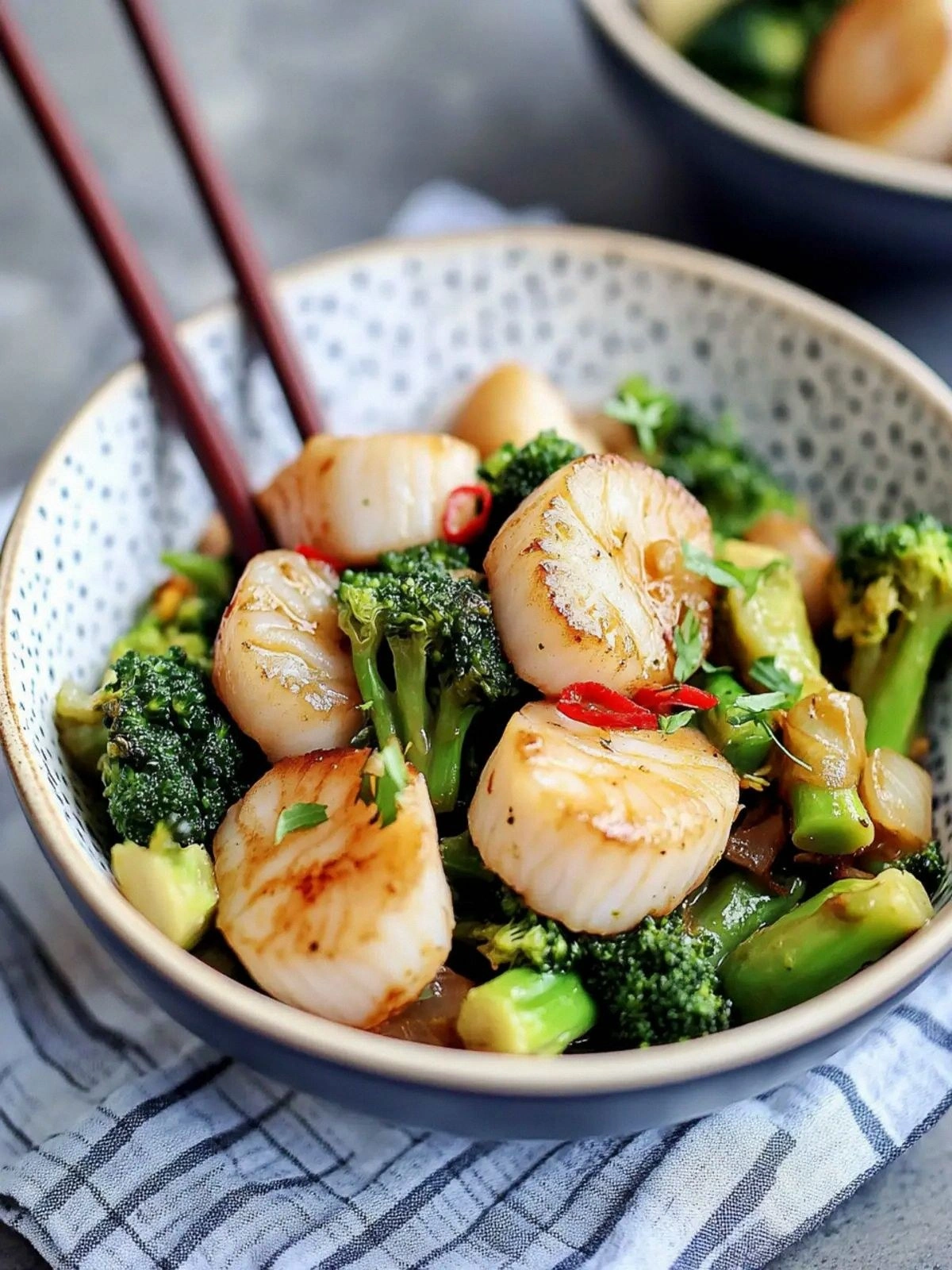
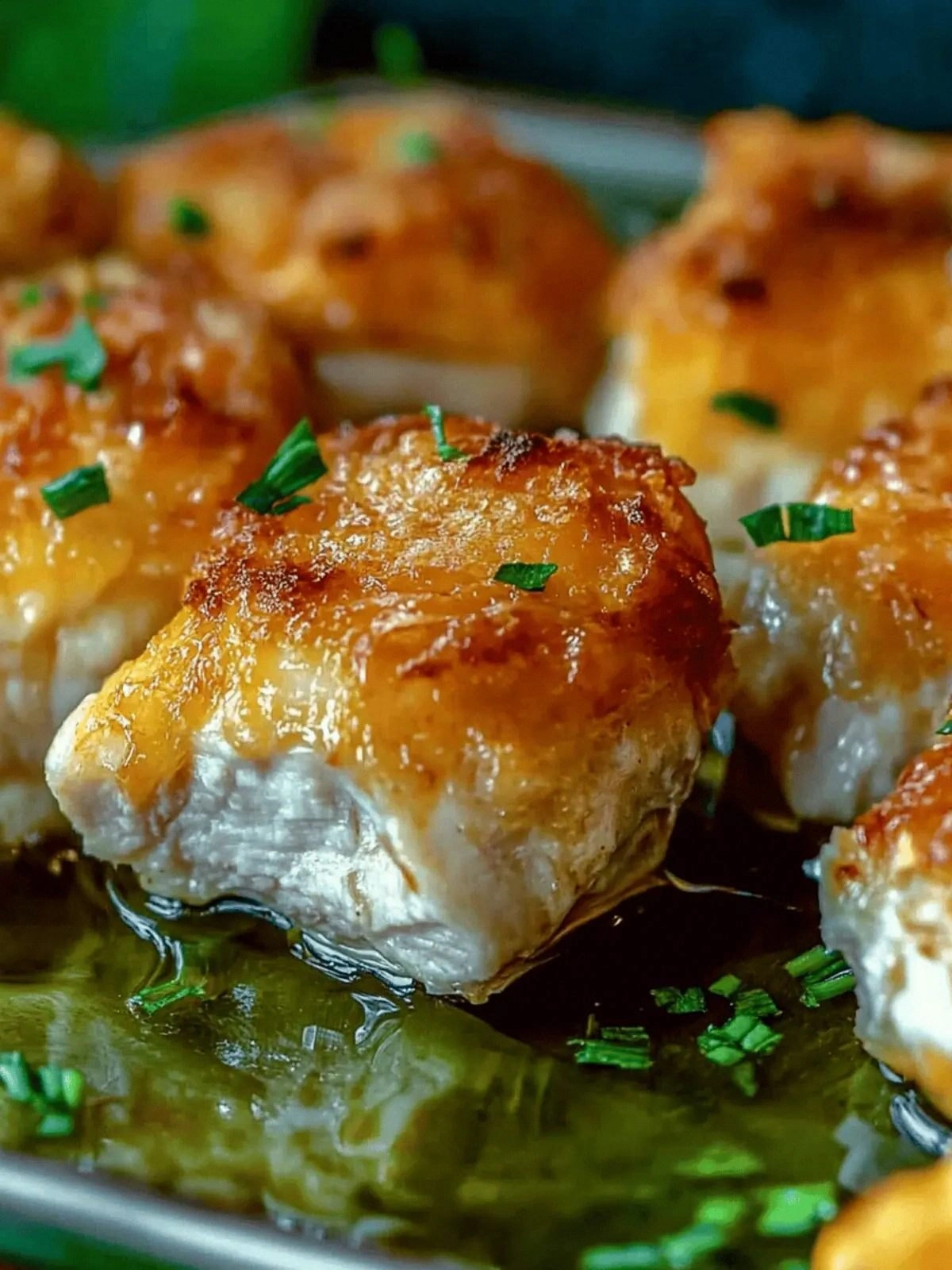
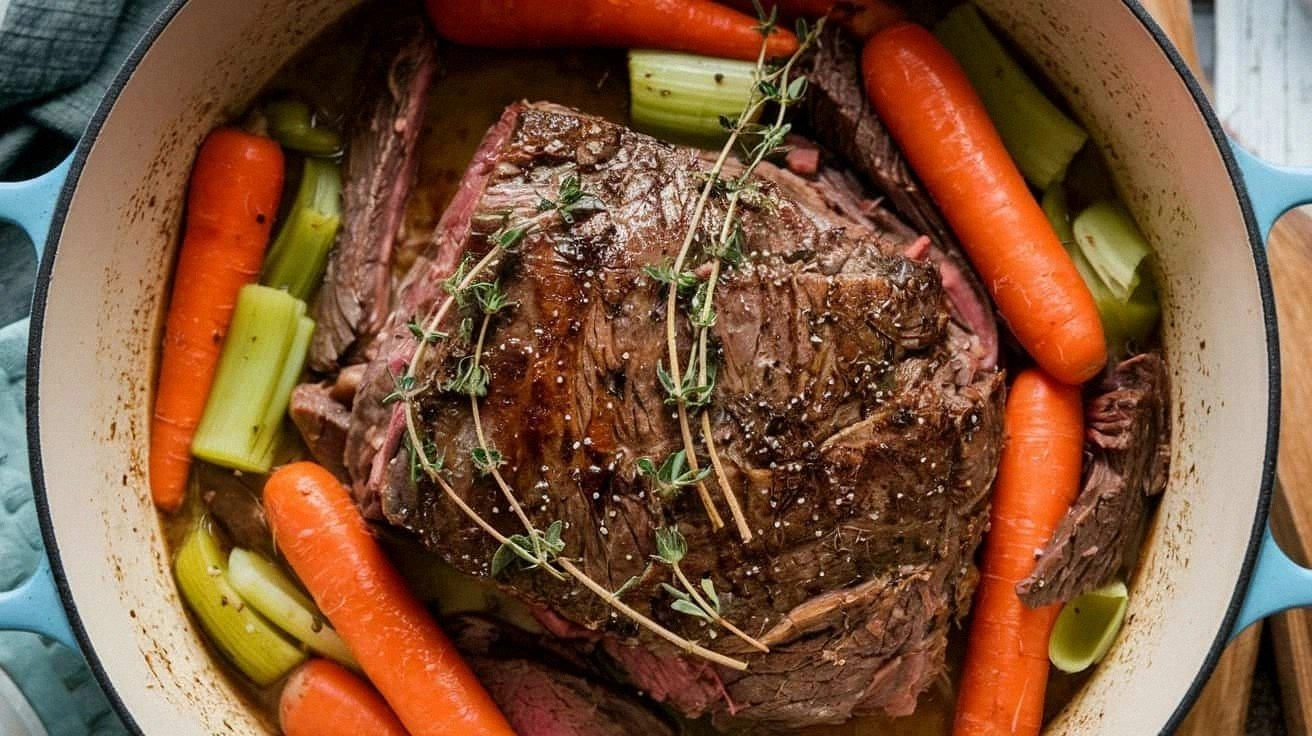
Picture this: the kitchen is a chaotic orchestra, pots clanging, the oven timer blaring, and you—half‑heartedly—trying to salvage a dinner that should have been a simple quinoa bowl. The disaster? A burnt butternut squash that tasted like cardboard and Brussels sprouts that came out soggy, not caramelized. I stared at the charred orange, feeling the sting of disappointment. Then a friend texted, “Try this fall quinoa salad. It’s a game‑changer.” I laughed, but the promise of a new, comforting dish kept me scrolling through recipes until I found a version that felt like a secret handshake with autumn itself.
I’ve tried dozens of quinoa salads over the years, but none has matched the symphony of flavors, textures, and aromas that this recipe delivers. The first bite is a gentle crunch from the roasted Brussels sprouts, followed by the sweet, velvety bite of butternut squash, and then the bright zing of apple and cranberries. The maple‑syrup vinaigrette coats everything like a silky glaze, while fresh sage and thyme lend an earthy aroma that smells like a forest after a rainstorm. I swear the scent alone can make your stomach growl louder than any music playlist.
What sets this version apart? It’s the meticulous attention to detail that transforms a basic quinoa bowl into a crowd‑pleasing masterpiece. I’m not just tossing ingredients together; I’m orchestrating a balance of heat, sweetness, acidity, and herbaceous freshness. Every component is prepped with purpose, and the dressing is a carefully calibrated sweet‑acid balance that makes the whole dish sing. The result? A salad that’s hands down the best version you’ll ever make at home, with a texture that feels like a comforting hug and a flavor profile that invites you to taste it again and again.
And here’s the kicker: I’ve discovered a subtle tweak that most recipes miss—a splash of apple cider vinegar at the very end, just before mixing, that lifts the flavors and gives the salad a bright, almost citrusy finish. I dare you to taste this and not go back for seconds. Let me walk you through every single step—by the end, you’ll wonder how you ever made it any other way.
What Makes This Version Stand Out
- Flavor Fusion: The combination of sweet maple syrup, tangy apple cider vinegar, and earthy herbs creates a complex flavor that’s more than the sum of its parts. Each bite is a revelation, from the first crunch to the lingering finish.
- Texture Mastery: Roasted vegetables add a caramelized crunch, while quinoa offers a subtle chew. The cranberries burst with juice, and the apple adds a crisp snap that keeps the salad from feeling heavy.
- Ingredient Quality: Using fresh, seasonal produce elevates the dish. The butternut squash should be firm and unblemished, while the Brussels sprouts should be trimmed and blanched to retain color.
- Make‑Ahead Friendly: This salad holds up beautifully in the fridge for up to three days. The dressing can be made in advance, and the veggies can be roasted ahead of time, saving you precious minutes on busy nights.
- Visual Appeal: The vibrant orange of the squash, the deep green of the sprouts, the bright red cranberries, and the glossy maple glaze create a dish that’s as pleasing to the eye as it is to the palate.
- Balanced Nutrition: Packed with protein, fiber, healthy fats, and antioxidants, this salad satisfies both taste buds and nutritional goals.
- Easy to Customize: Swap out the pumpkin seeds for sunflower seeds or add a handful of toasted walnuts for an extra crunch. The recipe is flexible enough to accommodate dietary preferences.
Alright, let's break down exactly what goes into this masterpiece…
Inside the Ingredient List
The Flavor Base
Quinoa is the canvas of this dish. It’s a gluten‑free grain that holds up well against the bold flavors of roasted veggies and sweet dressing. If you’re looking for a richer taste, try using vegetable broth instead of water to cook the quinoa; it adds a subtle savory depth. Skipping quinoa would leave the salad feeling like a bowl of roasted vegetables—good, but not quite the same experience.
The Texture Crew
Butternut squash and Brussels sprouts are the dynamic duo that give this salad its character. The squash should be cut into bite‑size cubes that roast to a golden brown, creating a silky interior with a caramelized exterior. Brussels sprouts, when halved and roasted, develop a slightly crispy edge that shatters like thin ice when you bite into them. If you prefer a softer texture, blanch the sprouts before roasting; just be sure to pat them dry to avoid excess moisture.
The Unexpected Star
Apple is the secret weapon that adds a juicy, crisp element. Choose a firm, tart variety like Honeycrisp or Granny Smith to cut through the sweetness of the maple syrup. Dice it into small cubes so it blends seamlessly with the rest of the salad. If you’re vegan, you can replace the apple with a handful of roasted beets for a different but equally vibrant burst of color.
The Final Flourish
Dried cranberries, pumpkin seeds, fresh sage, and thyme bring the finishing touches. Cranberries offer a burst of tartness that balances the sweet dressing, while pumpkin seeds add a nutty crunch. Fresh herbs are essential; they bring a bright, aromatic note that lifts the entire dish. If you’re allergic to nuts, swap pumpkin seeds for sunflower seeds or omit them altogether.
Everything’s prepped? Good. Let’s get into the real action…
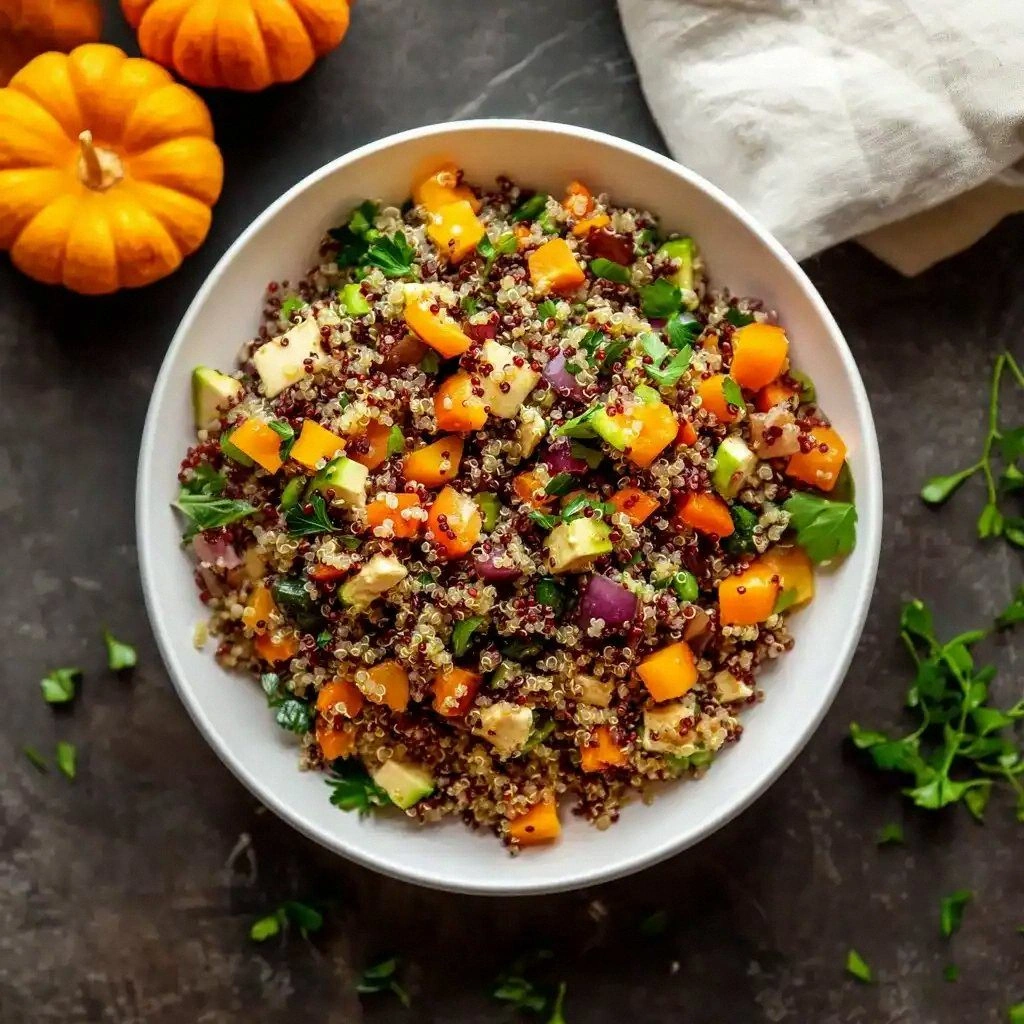
The Method — Step by Step
- Preheat your oven to 400°F (200°C). Line a large baking sheet with parchment paper. Toss the butternut squash cubes and halved Brussels sprouts with olive oil, sea salt, and a pinch of black pepper. Spread them in a single layer so they roast evenly. This step is crucial for achieving that caramelized edge; if the veggies are too crowded, they’ll steam instead of roast.
- Place the sheet in the oven and roast for 25 minutes, stirring halfway through. The squash should be tender and the sprouts should have crisped edges. The aroma will fill the kitchen, and I dare you to resist the temptation to open the oven early. The scent alone is a preview of the comfort this dish brings.
- While the vegetables roast, rinse the quinoa under cold water. In a medium saucepan, bring 2 cups of water or vegetable broth to a boil. Add the quinoa, reduce heat to low, cover, and simmer for 15 minutes. Once the liquid is absorbed, fluff the quinoa with a fork and let it cool to room temperature. The fluffiness of the quinoa is what makes the salad airy.
- Dice the apple into bite‑sized cubes. If you prefer a sweeter apple, choose a Fuji; for tartness, go with a Granny Smith. Toss the apple with a splash of apple cider vinegar to keep it from browning and to add a subtle acidity that balances the maple syrup.
- In a small bowl, whisk together 2 tablespoons apple cider vinegar, 1 tablespoon maple syrup, 2 tablespoons olive oil, and a pinch of salt. This dressing should be silky and slightly glossy. If you like a bit of heat, add a pinch of cayenne pepper or a dash of hot sauce.
- In a large mixing bowl, combine the cooled quinoa, roasted squash, roasted Brussels sprouts, diced apple, dried cranberries, and pumpkin seeds. Pour the dressing over the mixture and toss gently until everything is evenly coated. The dressing should coat the quinoa like velvet, giving each bite a luscious finish.
- Finish the salad with fresh sage and thyme leaves, gently tearing them over the top for a burst of aroma. The herbs should release their oils, adding a fragrant layer that lingers on the palate.
- Serve immediately or chill in the refrigerator for 30 minutes to allow the flavors to meld. If you’re serving this at a gathering, keep it chilled until the last moment to preserve the crispness of the apple and the crunch of the seeds.
That’s it— you did it. But hold on, I’ve got a few more tricks that’ll take this to another level. Keep reading for insider tips that will elevate your salad from great to unforgettable.
Insider Tricks for Flawless Results
The Temperature Rule Nobody Follows
Roasting at a high temperature—400°F—is key to caramelizing the vegetables without drying them out. If you roast at a lower temperature, you’ll end up with soggy veggies that lack that sweet, toasty flavor. I’ve experimented with 425°F, and while the edges become extra crisp, the interior can overcook. Find that sweet spot where the exterior is golden and the interior is tender.
Why Your Nose Knows Best
The aroma of the roasted squash and Brussels sprouts is your best indicator of doneness. When the scent becomes nutty and sweet, it’s a sign the veggies are ready. I’ve had friends who open the oven early, only to find the vegetables still pale and under‑roasted. Trust your nose, not your timer.
The 5‑Minute Rest That Changes Everything
After roasting, let the vegetables rest for five minutes before mixing. This brief pause allows the steam to dissipate, preventing the salad from becoming soggy. It also gives the flavors a chance to settle, making the final dish more cohesive.
The Dressing Drop
Add the maple syrup to the dressing just before tossing the salad. If you add it too early, the sweetness can overpower the acidity. By adding it last, you preserve the bright, tangy edge that keeps the salad from feeling cloying.
The Fresh Herb Finale
Tear the sage and thyme over the salad right before serving. This releases essential oils that give the dish a fresh, aromatic finish. I’ve tried pre‑chopping the herbs, but the flavor is far richer when torn over the hot, freshly roasted veggies.
Creative Twists and Variations
This recipe is a playground. Here are some of my favorite ways to switch things up:
Pomegranate Power
Swap dried cranberries for pomegranate seeds. The juicy burst adds a pop of color and a subtle tartness that complements the maple glaze. Pomegranate also brings a festive vibe, perfect for holiday gatherings.
Smoky Chipotle Touch
Add a teaspoon of chipotle powder or a dash of smoky chipotle sauce to the dressing. The smoky heat pairs wonderfully with the sweetness of the maple syrup, creating a layered flavor profile that’s both comforting and adventurous.
Mediterranean Twist
Replace the maple syrup with honey and swap the apple cider vinegar for lemon juice. Add chopped kalamata olives and crumbled feta cheese for a Mediterranean flair. The briny olives cut through the sweetness, while the feta adds a creamy contrast.
Protein Boost
Stir in a cup of cooked chickpeas or grilled chicken for a heartier meal. The chickpeas add a nutty flavor and extra protein, making this salad a complete lunch or dinner option.
Vegan Upgrade
Omit the maple syrup and use agave nectar or a vegan maple syrup substitute. Add a handful of toasted walnuts for crunch. This version keeps all the flavors while staying plant‑based.
Storing and Bringing It Back to Life
Fridge Storage
Store the salad in an airtight container in the refrigerator for up to three days. Keep the dressing separate until you’re ready to serve to prevent the quinoa from becoming soggy. When you’re ready to eat, give the salad a quick toss to redistribute the dressing.
Freezer Friendly
While quinoa salads generally don’t freeze well, you can freeze the roasted vegetables and quinoa separately. Portion them into freezer bags and thaw in the fridge overnight. Reheat the vegetables in a skillet or microwave, then mix with fresh dressing.
Best Reheating Method
If you must reheat the entire salad, place it in the oven at 300°F for 10 minutes, stirring halfway through. Add a splash of water or broth to keep it from drying out. The gentle heat preserves the texture and flavor.