I remember the night I tried to make a simple chicken alfredo and ended up with a kitchen disaster that tasted like burnt rubber and a faint hint of disappointment. The skillet was smoking, the sauce had thickened into a clumpy mess, and my confidence was on the fritz. That experience became the catalyst for a new obsession: turning that flop into the ultimate creamy casserole that will make you question how you ever cooked at all. If you’ve ever felt the sting of a sauce that refuses to coat, this is the recipe that will rescue you. Picture yourself pulling this out of the oven, the whole kitchen smelling incredible, and the first bite delivering a velvet‑like coating that melts on the tongue. I dare you to taste this and not go back for seconds.
The moment I first opened the bag of penne, I could almost hear the pasta whispering promises of comfort. The steam from the boiling pot swirled like a cloud of buttery promise, while the garlic cloves cracked open to release a scent that made my stomach rumble in anticipation. I could almost taste the crunch of broccoli florets, their bright green color promising a burst of freshness in every forkful. The heavy cream swirled in the saucepan like a cloud of silk, ready to envelop every strand of pasta in a luxurious hug. The sound of butter sizzling was the soundtrack to my culinary ambition, a steady drumbeat that kept me focused. I knew I was about to create something extraordinary, a dish that would have people asking, “What’s that?” and I would answer, “It’s the best alfredo you’ll ever make at home.”
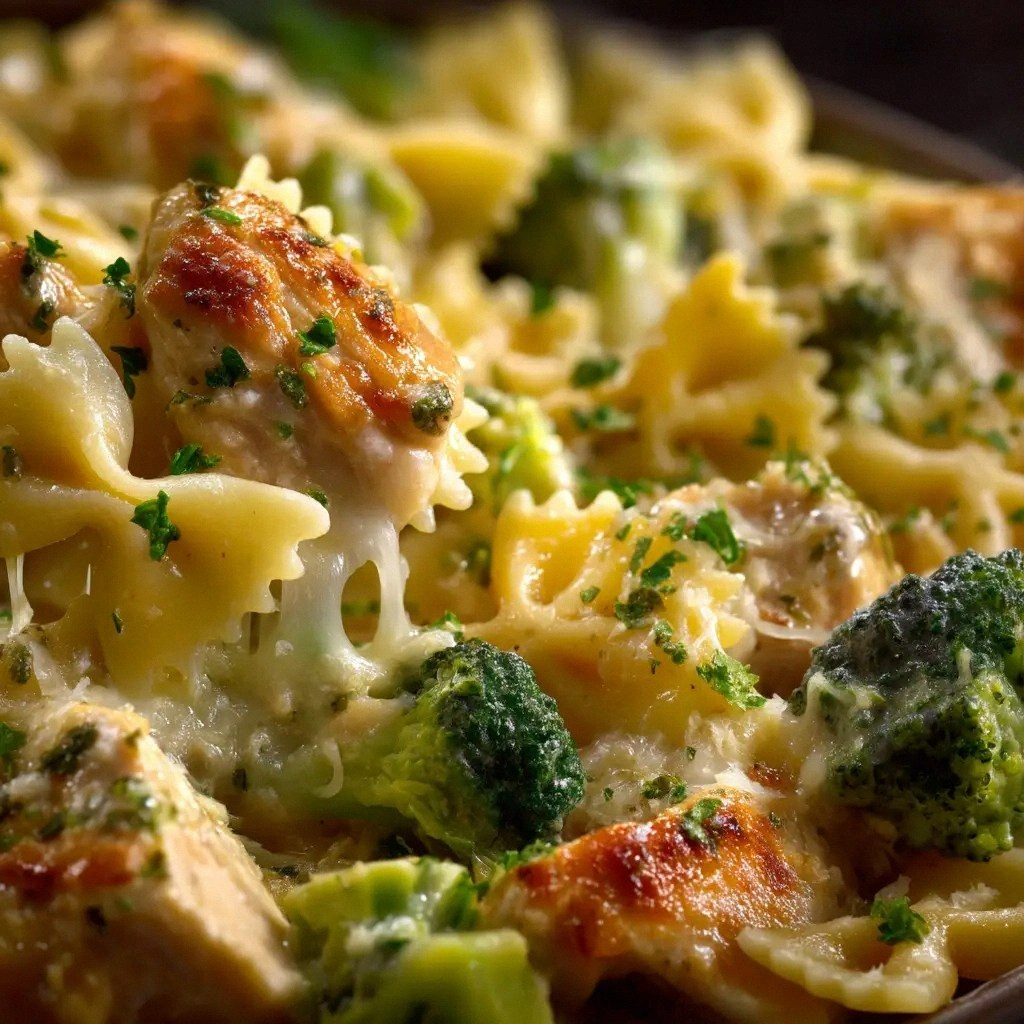
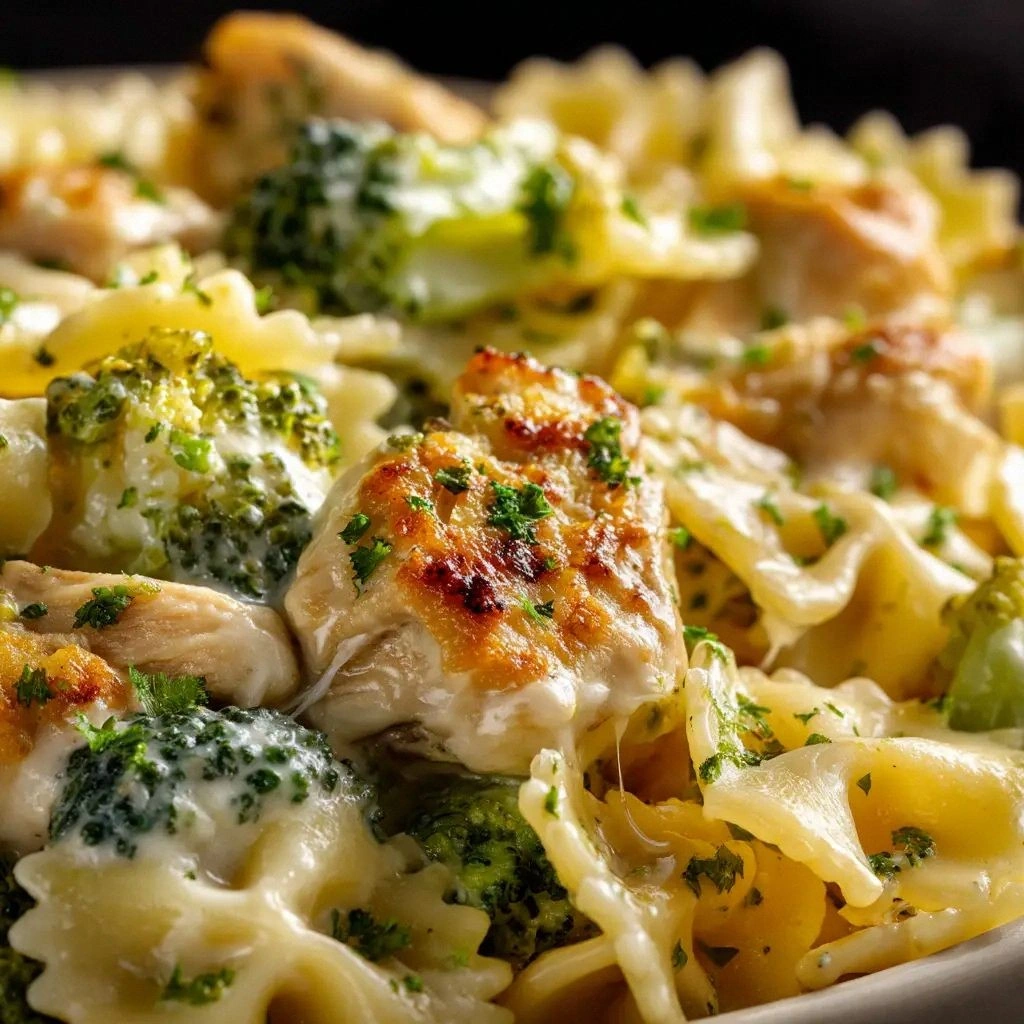
The real magic begins when the sauce is poured over the pasta, the mixture bubbling like a small, fragrant volcano. As the pasta soaks up the sauce, it transforms into a silky, glossy canvas that glistens with every bite. The broccoli, when cooked just right, retains a pop of color and a subtle crunch that breaks the creamy texture. The chicken, shredded into bite‑sized pieces, brings protein and a savory depth that balances the richness of the sauce. The mozzarella and Parmesan melt together, creating a golden top that crackles when you take that first bite. The result? A dish that feels indulgent yet comforting, a casserole that whispers, “You deserve this.”
I’m not just talking about flavor; I’m talking about the experience. The oven’s gentle heat creates a golden crust that shatters like thin ice, releasing a buttery aroma that lingers long after the plate is cleared. The creamy sauce clings to the pasta like velvet, each strand coated in a luxurious, buttery blanket. The broccoli florets add a fresh, slightly peppery bite that cuts through the richness. The chicken provides a hearty, satisfying chew that makes each forkful a complete bite. The combination of textures and flavors is a symphony that plays on the palate, leaving you craving more. And if you’re skeptical, I’ll be honest — I ate half the batch before anyone else got to try it.
Most recipes get this completely wrong. They either overcook the broccoli, underseason the sauce, or forget that the mozzarella should be the star of the show. I’ve spent countless nights tweaking the ratios, testing different pasta shapes, and experimenting with cheese blends until I found the perfect balance. The secret? A touch of nutmeg that adds a subtle warmth, a dash of black pepper that brightens the sauce, and a generous amount of Parmesan that creates a silky finish. These small adjustments transform a basic casserole into a masterpiece that will have your friends asking, “How did you do that?” And that’s what I’m about to share with you. Stay with me here — this is worth it.
What Makes This Version Stand Out
- Taste: The sauce is a harmonious blend of butter, cream, and cheeses, creating a depth that feels both rich and airy. The nutmeg adds a subtle warmth that elevates the entire dish without overpowering the other flavors. The result is a comforting, indulgent bite that feels like a hug on a plate.
- Texture: The pasta remains al dente, giving a pleasant bite that contrasts with the creamy sauce. Broccoli florets are cooked to a bright green, slightly crisp finish, providing a refreshing counterpoint to the richness. The mozzarella creates a gooey top layer that crisps into a golden crust when baked.
- Simplicity: With only a handful of ingredients, you can whip up this casserole in under 45 minutes. No elaborate prep, no fancy equipment—just a skillet, a pot, and an oven. It’s the perfect solution for weeknight dinners and last‑minute gatherings.
- Uniqueness: The addition of nutmeg and a crunchy Panko topping sets this recipe apart from classic Alfredo dishes. The nutmeg gives a subtle warmth, while the Panko creates a delightful crunch that adds an unexpected layer of texture.
- Crowd Reaction: Friends who’ve tried this rave about how the sauce coats every strand of pasta and how the broccoli stays bright and crunchy. Many say they’re surprised by the nutmeg’s subtlety, and that the Panko topping is the perfect finishing touch.
- Ingredient Quality: Freshly grated Parmesan and high‑quality mozzarella are essential for the best flavor. Use a butter that’s unsalted for better control over seasoning, and choose a heavy cream that’s rich for maximum creaminess.
- Cooking Method: Baked in a single casserole dish, this method locks in moisture while creating a golden crust. The oven does the heavy lifting, allowing you to focus on seasoning and timing.
- Make‑Ahead Potential: Assemble the casserole a day ahead and refrigerate; it will bake just as well the next day. The flavors meld even more, making it a great option for meal prep.
Alright, let's break down exactly what goes into this masterpiece...
Inside the Ingredient List
The Flavor Base
Butter is the backbone of this sauce, providing a rich, velvety foundation that carries the cheeses. Unsalted butter allows you to control the salt level precisely, preventing the dish from becoming too salty. The heavy cream gives the sauce its silky texture; it’s the secret to that luxurious mouthfeel. A pinch of nutmeg adds a warm, aromatic note that ties everything together without being overpowering.
The Texture Crew
Penne pasta is the perfect shape to hold the sauce; its ridges trap the creamy mixture, ensuring every bite is coated. The broccoli florets add a bright, crisp contrast that keeps the dish from feeling too heavy. The shredded mozzarella creates a gooey, melty top layer that becomes a golden crust when baked. The Panko breadcrumbs add a crunchy finish that pops against the soft interior.
The Unexpected Star
Freshly grated Parmesan is the star that gives this casserole its signature depth. Unlike pre‑grated cheese, freshly grated Parmesan melts smoothly, creating a silky texture that blends seamlessly with the cream. The amount—1 1/2 cups—ensures a robust flavor without overpowering the other ingredients. If you’re looking for a milder taste, you can reduce the Parmesan by a quarter cup, but the dish will still shine.
The Final Flourish
Salt is the unsung hero that brings all the flavors together. A teaspoon is enough to balance the richness of the cream and butter. The black pepper adds a subtle bite that brightens the sauce. The combination of cheeses, butter, cream, and spices creates a harmonious, indulgent flavor profile that feels both comforting and sophisticated.
Everything's prepped? Good. Let's get into the real action...
The Method — Step by Step
- Step 1: Preheat your oven to 375°F (190°C). In a large pot, bring salted water to a boil and cook the penne until al dente, about 8 minutes. Drain the pasta and set aside; it will absorb the sauce later. While the pasta cooks, slice the broccoli into bite‑sized florets. The bright green color will be a visual treat in the final dish.
- Step 2: In a large skillet, melt the butter over medium heat. Add the minced garlic and sauté for 1 minute until fragrant; avoid burning it. Pour in the heavy cream and bring to a gentle simmer. Stir constantly to ensure the cream doesn’t scorch on the bottom. This step creates a silky base that will coat the pasta beautifully.
- Step 3: Reduce the heat to low and add the grated Parmesan, stirring until it melts into a smooth sauce. Sprinkle in the nutmeg and pepper, allowing the flavors to mingle for 30 seconds. Taste the sauce and add salt as needed; remember, you’re building layers of flavor. The sauce should be thick enough to coat the pasta but still pourable. If it’s too thick, add a splash of pasta water to loosen it.
- Step 4: Toss the cooked pasta, cooked chicken, and broccoli florets into the sauce, ensuring every strand is coated. Stir gently to avoid breaking the pasta. The sauce should cling to the pasta like a velvet blanket. The broccoli should still retain a bright green hue, indicating it’s not overcooked. The chicken adds protein and a savory depth that balances the richness.
- Step 5: Transfer the mixture to a greased 9x13-inch baking dish. Spread the shredded mozzarella evenly over the top, creating a gooey, melty layer. The mozzarella will melt into the sauce, adding a silky texture that complements the Parmesan.
- Step 6: Sprinkle the Panko breadcrumbs over the mozzarella. The breadcrumbs will bake into a golden, crunchy topping that contrasts with the creamy interior. This step is crucial for that satisfying crunch that makes the dish memorable.
- Step 7: Bake in the preheated oven for 20 minutes, or until the top is golden and the sauce is bubbling. The bubbling sauce signals that the flavors are fully integrated. The top should have a golden crust that cracks like thin ice when you break it with a fork.
- Step 8: Let the casserole rest for 5 minutes before serving. This short rest allows the sauce to set slightly, making it easier to cut and serve. The rest also lets the flavors meld, creating a harmonious bite. Serve hot, and watch as the steam curls around the plate like a comforting cloud.
That's it — you did it. But hold on, I've got a few more tricks that'll take this to another level. These small adjustments will elevate the dish from great to unforgettable.
Insider Tricks for Flawless Results
The Temperature Rule Nobody Follows
Cooking the pasta to just under al dente before adding the sauce ensures it absorbs the flavors without becoming mushy. The residual heat from the pasta will finish cooking the sauce, keeping it silky. If you overcook the pasta, the sauce will break and become greasy. The key is to stop the pasta when it still has a slight bite.
Why Your Nose Knows Best
As the sauce simmers, you’ll notice a subtle nutmeg aroma rising. That aroma signals the flavors are melding. If the sauce is too thick, add a splash of heavy cream to loosen it. If it’s too thin, let it reduce further over low heat.
The 5-Minute Rest That Changes Everything
Letting the casserole rest after baking allows the sauce to thicken slightly, making it easier to scoop. The rest also lets the Panko crisp up fully, giving that satisfying crunch. I’ve seen people skip this step and end up with a soggy top. Trust me, a quick rest is worth the extra five minutes.
The Secret to a Crispy Panko Layer
Sprinkle a light dusting of olive oil over the Panko before baking; this helps it brown evenly. Flip the dish halfway through baking to ensure both sides get a golden crust. The oil also adds a subtle flavor that complements the mozzarella.
The Classic Cheese Ratio
The 1:1 ratio of mozzarella to Parmesan is key for balance. Too much mozzarella and the dish becomes too gooey; too much Parmesan and it becomes too sharp. Adjusting this ratio can tailor the dish to your taste. For a richer flavor, increase the mozzarella slightly.
The One‑Pot Trick
If you’re short on dishes, you can cook the pasta directly in the sauce. This reduces cleanup and infuses the pasta with flavor. The only downside is that the pasta might absorb more liquid, so keep an eye on the consistency. This one‑pot version is a lifesaver during busy weeknights.
Creative Twists and Variations
This recipe is a playground. Here are some of my favorite ways to switch things up:
Spicy Sriracha Kick
Add a tablespoon of sriracha to the sauce for a spicy, smoky undertone. The heat pairs wonderfully with the creamy base, creating a flavor contrast. It’s perfect for those who like a little fire in their meals. This variation adds an extra layer of excitement to the dish.
Mediterranean Twist
Replace the broccoli with sun‑dried tomatoes and spinach for a Mediterranean vibe. The sun‑dried tomatoes add sweetness, while the spinach provides a fresh, earthy note. The mozzarella and Parmesan still deliver the classic creamy texture. This version is great for a light, flavorful dinner.
Pesto Power
Stir in a few spoonfuls of basil pesto for an herbaceous burst. The pesto adds a bright green hue and a fragrant aroma. It also cuts through the richness, balancing the dish. This twist is perfect for a summer gathering.
Cheesecake Crumble
Swap the Panko for crushed Ritz crackers for a buttery, savory crumble. The crackers add a crunchy texture and a subtle buttery flavor. They also give the dish a slightly salty finish that complements the cheese. This variation is a crowd‑pleaser at parties.
Vegan Version
Use dairy‑free butter and a plant‑based cream to make the dish vegan. Substitute the mozzarella with a vegan cheese that melts well. Replace the Parmesan with nutritional yeast for a nutty flavor. This version maintains the creamy texture while being plant‑based.
Storing and Bringing It Back to Life
Fridge Storage
Store leftovers in an airtight container for up to 3 days. The casserole stays moist and flavorful when refrigerated. Reheat gently on the stovetop, adding a splash of milk to restore creaminess. The pasta will absorb the liquid, keeping it from drying out.
Freezer Friendly
Wrap the casserole tightly in foil and freeze for up to 2 months. Thaw overnight in the refrigerator before reheating. Use a low oven temperature (300°F) to reheat evenly. The flavors will meld even more after freezing.
Best Reheating Method
Reheat in the oven at 350°F until heated through, about 15 minutes. Add a small splash of water or milk before reheating; this steams the casserole back to perfection. The Panko topping will crisp up again, giving you that fresh‑baked feel. Serve hot for the best experience.