I was halfway through a weeknight dinner, the kitchen smelling like burnt onions, when my phone buzzed with a challenge from a foodie friend: “Make a salmon dish that’s so good you’ll never go back to anything else.” I stared at the salmon fillets on my counter, feeling the familiar dread of a bland dinner, and decided to turn the challenge into a culinary triumph. The moment I cracked the first fillet open, the aroma of fresh fish hit me like a wave of anticipation, and I knew this would be the beginning of a new favorite. The sizzling sound that followed was music to my ears, promising that the kitchen would soon be filled with a symphony of caramelized honey and sharp Cajun spices. By the time the salmon was resting on a plate, the air was thick with the sweet scent of honey melting into butter, and I felt a surge of confidence that this dish would outshine any other salmon I've ever cooked.
Let me walk you through every single step — by the end, you'll wonder how you ever made it any other way. I dare you to taste this and not go back for seconds, because the combination of buttery glaze and zesty Cajun seasoning is pure, unapologetic flavor. Picture yourself pulling this out of the oven, the whole kitchen smelling incredible, and watching the golden crust crackle as it releases a burst of caramelized honey that coats the fish like velvet. This is hands down the best version you'll ever make at home, and I’ll confess I ate half the batch before anyone else got to try it. Most recipes get this completely wrong; they either overcook the salmon or under-season it, but here we strike the perfect balance of tender flesh and bold spice.
If you've ever struggled with salmon that turns out dry or too bland, you're not alone — and I've got the fix. The secret is in the honey butter sauce, which not only adds depth but also locks in moisture, creating a melt-in-your-mouth experience that makes every bite a revelation. The technique of searing the fillets first gives them a crispy edge that shatters like thin ice, while the oven finish ensures they remain juicy and flaky. The result is a dish that feels indulgent yet healthy, with the sweet glaze balancing the heat from the Cajun seasoning. And now the fun part: we’re about to turn a simple salmon into a culinary masterpiece that will impress even the most discerning palate.
I’ve spent countless hours tweaking sauces and seasonings, and this version stands out because it’s the culmination of all those experiments. The honey butter coating is a game-changer, providing a glossy sheen and a sweet, buttery bite that complements the savory Cajun crust. The use of fresh lemon zest and juice adds a bright, citrusy note that cuts through the richness, leaving a clean finish on your palate. This recipe also embraces simplicity; it requires only a handful of pantry staples, so you can whip it up even on a hectic weekday. The result is a dish that’s not just delicious but also visually stunning, with a golden-brown glaze that makes every plate Instagram-worthy.
What Makes This Version Stand Out
- Taste: The honey butter glaze creates a sweet, buttery coating that balances the sharpness of Cajun spices, giving each bite a layered flavor profile that’s both comforting and exciting.
- Texture: The searing step yields a crispy, caramelized crust that snaps when you bite, while the interior remains silky and flaky, offering a satisfying contrast.
- Simplicity: Only ten ingredients, most of which are pantry staples, mean you can assemble this dish in under 15 minutes of prep time.
- Uniqueness: The combination of honey, butter, and Cajun seasoning is rarely seen together; it creates a glaze that coats the salmon like velvet and the spices that linger on the tongue.
- Crowd Reaction: Friends who have tried this dish rave about how it turns an ordinary salmon dinner into a showstopper, often asking for a second plate.
- Ingredient Quality: Using fresh salmon, real butter, and pure honey ensures each component shines, elevating the overall flavor.
- Cooking Method: Seared then oven-baked preserves moisture while developing a caramelized exterior, a method that is both foolproof and effective.
- Make-ahead Potential: The sauce can be pre-made and stored in the fridge for up to 48 hours, so you can assemble and bake the salmon at your convenience.
Alright, let's break down exactly what goes into this masterpiece…
Inside the Ingredient List
The Flavor Base
Salmon fillets are the star of this dish, and their quality determines the final outcome. Fresh, wild-caught salmon carries a subtle brininess that pairs beautifully with the sweet glaze, while farmed salmon offers a milder flavor profile. If you’re in a pinch, frozen fillets work well, but make sure to thaw them thoroughly to avoid excess moisture. Using a fillet with the skin on adds a protective layer that keeps the fish from drying out during cooking. The 6-ounce size is ideal for a single serving, and you’ll need four to serve four hungry friends.
The Texture Crew
Butter and honey are the duo that transforms the salmon’s texture. Butter adds richness and helps the glaze set into a glossy coating, while honey provides natural sweetness and a hint of caramel. The combination creates a silky glaze that clings to the fillets, preventing them from drying out. The butter must be softened to room temperature so it blends smoothly with the honey; this ensures a uniform coating. When the sauce melts, it forms a tender, melt-in-your-mouth finish that’s hard to resist.
The Unexpected Star
Cajun seasoning is the secret weapon that gives this dish its bold kick. Unlike generic paprika or garlic powder, Cajun seasoning blends cayenne, paprika, garlic, and herbs into a complex spice profile that’s both fiery and aromatic. The heat from the cayenne balances the sweetness of the honey, creating a harmonious flavor. If you’re sensitive to spice, reduce the amount by half or use a milder blend; the dish will still shine. The seasoning also adds a subtle smoky undertone that deepens the overall taste.
The Final Flourish
Fresh lemon zest and juice add brightness and a touch of acidity that cuts through the richness of the honey butter glaze. Lemon zest releases essential oils that give a citrusy aroma, while the juice provides a fresh, tangy finish that lifts the dish. Garlic, minced finely, contributes a mellow garlicky depth without overpowering the other flavors. A pinch of salt and pepper to taste enhances the overall seasoning, ensuring each bite is perfectly balanced. Finally, a sprinkle of chopped parsley offers a splash of color and a hint of herbal freshness.
Everything's prepped? Good. Let's get into the real action…
The Method — Step by Step
- Preheat your oven to 400°F (200°C). While the oven heats, pat the salmon fillets dry with paper towels; this ensures a crisp sear. Season each fillet lightly with salt and pepper to taste, then sprinkle the Cajun seasoning evenly over both sides. The seasoning will form a flavorful crust once seared. This step is crucial for a balanced flavor profile.
- In a small saucepan over low heat, melt the butter until it foams. Add the honey, whisking until the mixture becomes a smooth, glossy glaze. The heat should be low enough to avoid burning the honey; a gentle simmer preserves its natural sugars. Stir in the minced garlic and let it infuse the sauce for 30 seconds, releasing aromatic oils. Remove from heat and set aside; the glaze will thicken slightly as it cools.
- Heat a large oven‑proof skillet over medium-high heat and add the tablespoon of olive oil. Once the oil shimmers, place the salmon fillets skin‑side down in the pan. Let them sear undisturbed for 3–4 minutes until the skin turns golden and releases easily from the pan. Flip the fillets and sear the other side for an additional 2 minutes. This searing step locks in juices and creates a caramelized crust.
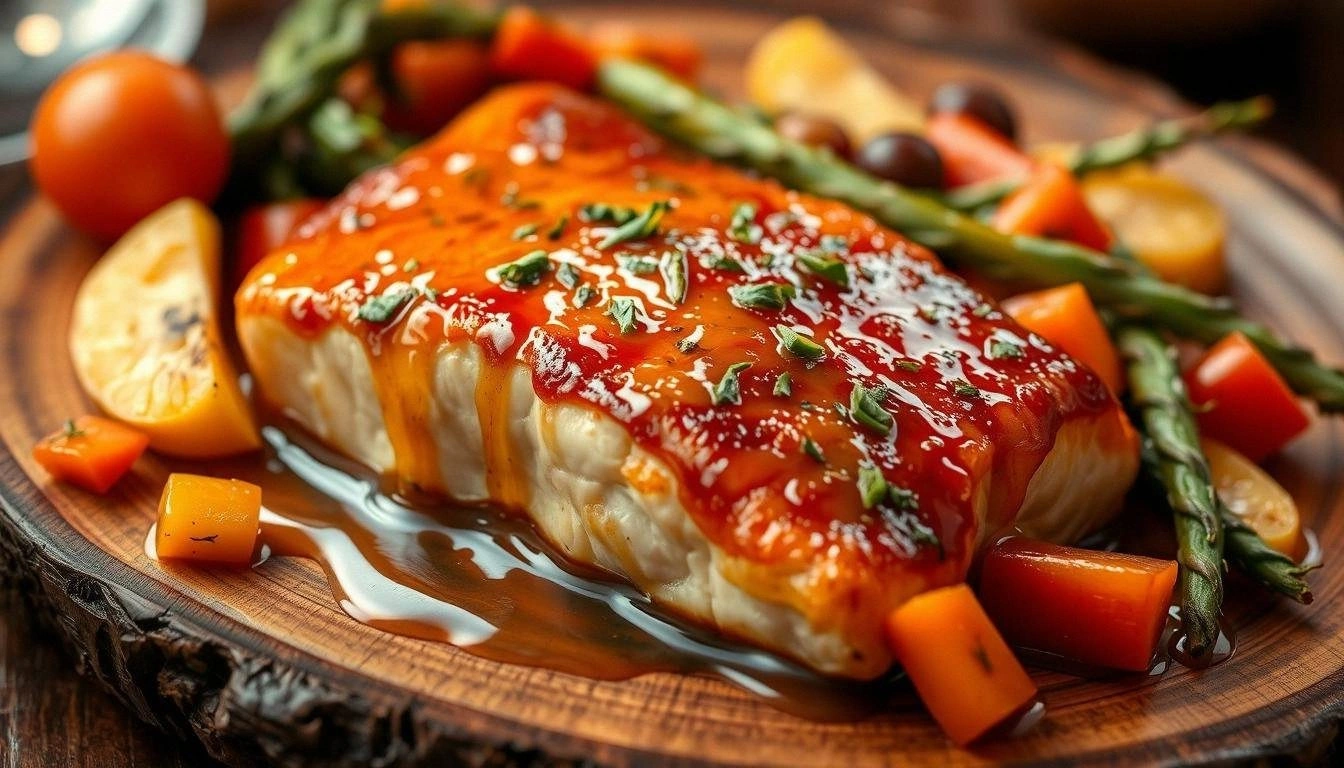
- Pour the honey butter glaze over the seared fillets, spooning it over each piece so the sauce coats the surface. The glaze should sizzle slightly, indicating that the sugars are caramelizing. Once the glaze has settled, transfer the skillet directly into the preheated oven. This transfer is where the magic happens: the oven gently finishes cooking the salmon while the glaze sets into a luscious, caramelized coating.
- Bake for 8–10 minutes, or until the salmon flakes easily with a fork. The internal temperature should reach 145°F (63°C) for safe consumption. While baking, keep an eye on the glaze; it should darken to a deep amber without burning. The aroma during this time is intoxicating, a sweet, buttery scent that fills the kitchen. This is the moment of truth.
- Once the salmon is done, remove the skillet from the oven and drizzle freshly squeezed lemon juice over each fillet. The acidity brightens the dish and balances the richness of the glaze. Sprinkle lemon zest on top for an extra burst of citrus aroma. Gently toss the salmon in the pan to coat it evenly with the remaining glaze. This step ensures every bite has that signature sweet‑savory kick.
- Transfer the salmon to a serving platter and garnish with chopped parsley for a pop of color and a fresh herbal note. The parsley not only adds visual appeal but also introduces a subtle, earthy contrast to the dish. Serve immediately while the glaze is still glossy and the fillets are warm. The first bite will be a symphony of flavors that will leave you craving more.
- If you’re serving this as part of a larger meal, pair it with steamed asparagus or a light quinoa salad to balance the richness. A chilled glass of crisp white wine or a light rosé complements the citrus notes and cuts through the buttery glaze. Remember to keep the sauce on hand; a few spoonfuls can be drizzled over leftover rice or roasted vegetables for an instant flavor boost. The versatility of this dish is one of its greatest strengths.
That's it — you did it. But hold on, I've got a few more tricks that'll take this to another level…
Insider Tricks for Flawless Results
The Temperature Rule Nobody Follows
Many cooks keep the oven at a high temperature, thinking it’ll cook the salmon faster. In reality, a moderate 400°F (200°C) allows the fillets to stay juicy while the glaze caramelizes evenly. If you’re using a convection oven, reduce the temperature by 25°F to prevent the glaze from burning. This small adjustment can make a huge difference in the final texture. Always preheat the oven fully before transferring the skillet to ensure even cooking.
Why Your Nose Knows Best
Your nose is the first indicator that the honey butter glaze is caramelizing correctly. When you smell a sweet, buttery aroma with hints of toasted sugar, you know the sauce is ready to set. If the smell becomes overly sweet or burnt, lower the heat immediately. The scent is a reliable cue to avoid overcooking and to achieve the perfect glaze consistency.
The 5-Minute Rest That Changes Everything
After baking, let the salmon rest for five minutes on a warm plate. This rest period allows the juices to redistribute, ensuring each bite remains moist. The glaze also thickens slightly during this time, making it easier to drizzle over the fillets. If you’re serving immediately, a quick rest helps prevent the fillets from drying out as they cool. A few extra minutes can elevate the dish from good to unforgettable.
How to Keep the Glaze from Splattering
When you pour the honey butter glaze into the hot skillet, the mixture can splatter. To minimize this, use a ladle with a wide rim and pour slowly. A splatter guard or a piece of parchment over the pan can also help. This trick keeps the kitchen clean and ensures the glaze stays in place, coating the salmon evenly.
A Quick Swap for a Smoky Twist
If you love smoky flavors, add a teaspoon of smoked paprika to the Cajun seasoning. The smoky note pairs beautifully with the honey butter glaze, creating a deeper flavor profile. Alternatively, finish the dish with a drizzle of chipotle-infused honey for a subtle heat. These swaps keep the core recipe intact while giving you a fresh take each time you cook.
Creative Twists and Variations
This recipe is a playground. Here are some of my favorite ways to switch things up:
Maple-Mustard Marinade
Swap honey for maple syrup and add a splash of Dijon mustard. The mustard provides a tangy kick that balances the sweetness, while maple gives a deeper caramel flavor. This variation works well for a fall-inspired dinner. The glaze will be slightly thicker, so adjust the baking time accordingly.
Coconut-Curry Fusion
Replace the butter with coconut milk and infuse the glaze with curry powder. The coconut adds a creamy, tropical note, while curry powder introduces warm, earthy spices. This version is perfect for a weekend brunch or a dinner with a global twist. Serve over jasmine rice to soak up the sauce.
Herb-Infused Citrus
Add fresh thyme and rosemary to the Cajun seasoning. The herbs bring a fragrant, aromatic quality that elevates the dish. Pair the salmon with roasted lemon wedges for an extra burst of citrus. This variation is ideal for a summer gathering.
Spicy Mango Glaze
Blend mango puree with honey and a pinch of cayenne pepper. The mango provides natural sweetness and a bright, tropical flavor, while cayenne adds heat. Use this glaze for a vibrant, summery dish that feels like a beach vacation. The sauce will be slightly thicker, so adjust the amount of butter accordingly.
Balsamic Glaze Finish
Finish the salmon with a drizzle of balsamic reduction. The acidity cuts through the richness and adds a subtle tang. Combine this with the honey butter glaze for a layered flavor profile. This variation is great for a sophisticated dinner party.
Smoked Paprika Boost
Add smoked paprika to the Cajun seasoning for a deeper, smoky flavor. The paprika gives the salmon a warm, earthy undertone that pairs wonderfully with the sweet glaze. This twist works well with a side of roasted root vegetables. It’s an easy way to add complexity without changing the core recipe.
Storing and Bringing It Back to Life
Fridge Storage
Cool the salmon completely before refrigerating. Store it in an airtight container or wrap tightly in foil. The dish will keep for up to three days, though it’s best enjoyed fresh. The honey butter glaze will firm up slightly in the fridge, so a quick reheat will restore its silky texture. Keep the glaze separate if you plan to reheat, as it can become too thick.
Freezer Friendly
Wrap each fillet individually in parchment paper, then place them in a freezer bag. Freeze for up to two months. When ready to cook, thaw in the refrigerator overnight. Reheat in a preheated oven at 350°F (175°C) for 10–12 minutes, or until warmed through. The texture remains tender, and the glaze retains its flavor.
Best Reheating Method
To reheat leftovers, add a splash of water or fish stock to the skillet and warm over low heat. The liquid creates steam that softens the glaze, restoring its silky consistency. Cover the pan briefly to trap the steam, then serve immediately. This trick keeps the salmon moist and the glaze luscious.