It was a late‑night craving that turned into a culinary confession. I’d been staring at an empty fridge, the lights flickering like a bad disco, when my phone buzzed with a text from a friend: “You’ve got to try the new beefaroni recipe I found.” I laughed, assuming it was another one‑pot wonder that would dissolve into a soggy mess. Instead, it became a revelation that would change my dinner routine forever.
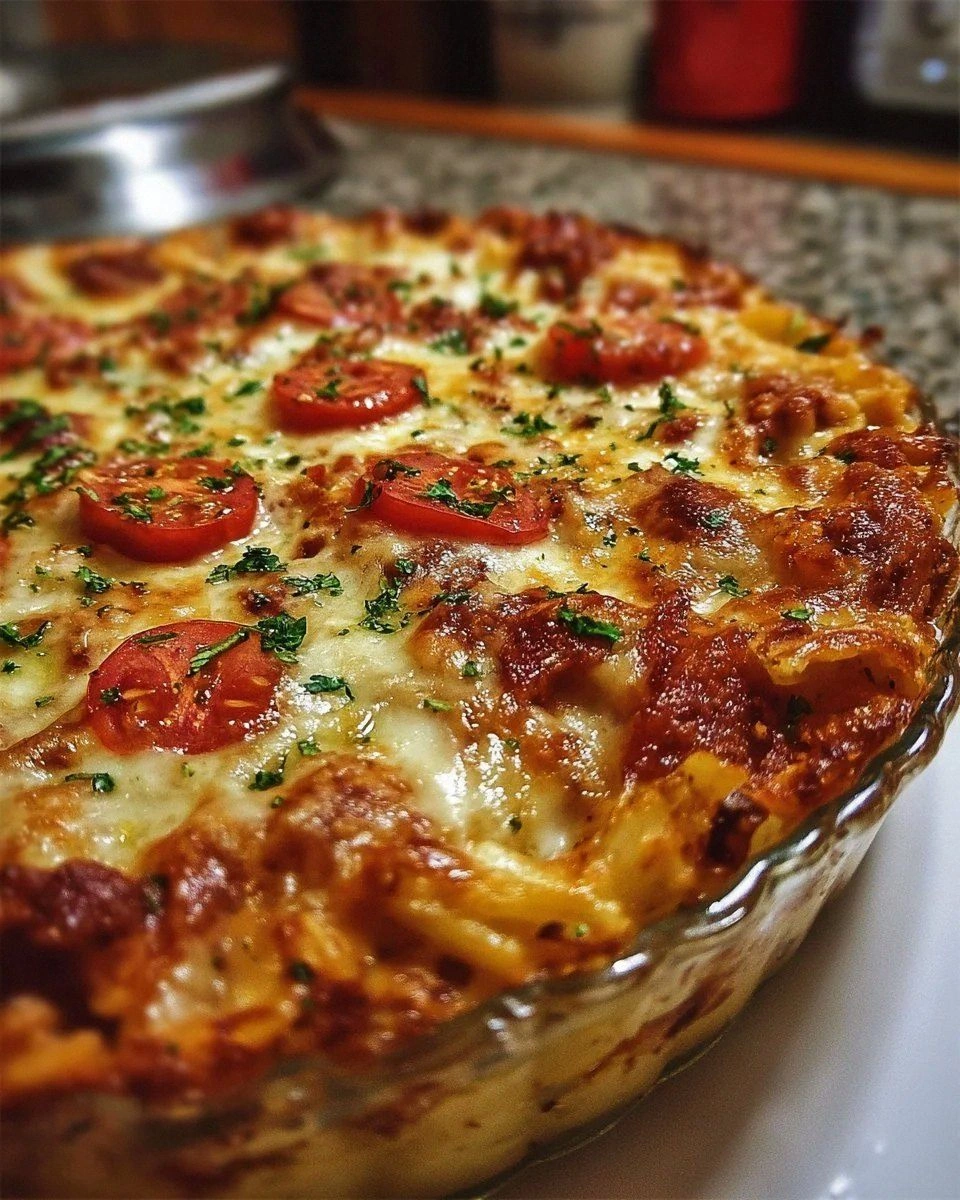
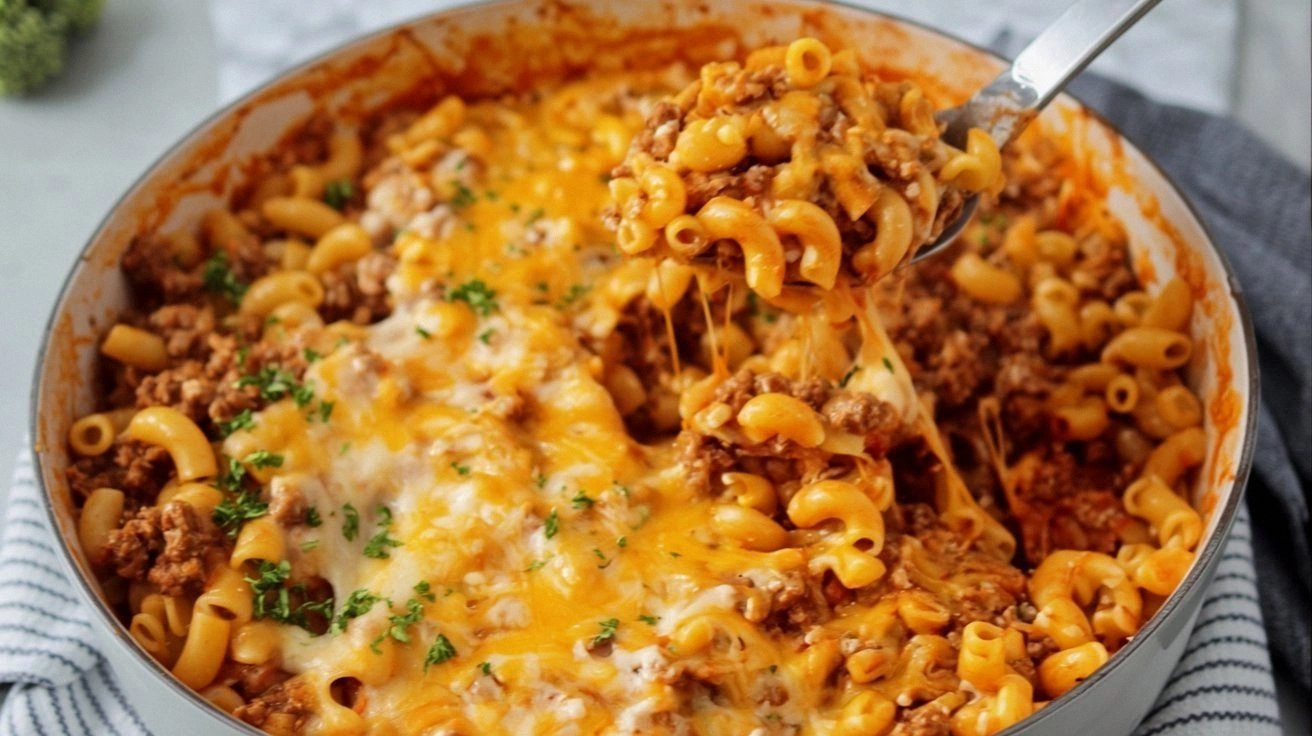
Picture this: a sizzling pan, the aroma of browned ground beef mingling with garlic and onions, the gentle hiss of pasta cooking in a broth that’s almost a sauce. The kitchen fills with a comforting warmth that feels like a hug from the inside. The sound of pasta sloshing, the metallic clink of a ladle, the visual of the sauce thickening into a glossy, cheese‑laden coat that glistens like a velvet curtain. Every sense is engaged, turning a simple meal into a sensory symphony.
What sets this version apart is not just the ingredients but the philosophy behind it. I’ve spent years tinkering with one‑pot meals, hunting for that perfect balance between flavor, texture, and convenience. This beefaroni is a masterclass in marrying those elements. It’s hands down the best version you’ll ever make at home because it takes the classic comfort dish and elevates it with techniques that most recipes overlook.
And there’s a twist you won’t expect: a splash of milk and a touch of butter in the final stage that turns the cheese into a silky, molten blanket that clings to every noodle. I dare you to taste this and not go back for seconds. Let me walk you through every single step — by the end, you’ll wonder how you ever made it any other way.
What Makes This Version Stand Out
- Taste: The sauce is a layered masterpiece. The umami of browned beef, the acidity of tomatoes, and the creamy richness of cheese mingle to create a flavor profile that sings. Each bite delivers a burst of savory depth that lingers long after the last forkful.
- Texture: The pasta remains al dente while the cheese melts into a velvety coating that clings to every strand. The final splash of milk creates a silky sheen that feels luxurious on the palate.
- Simplicity: One pan, one pot, one stove. No separate sauce, no separate pasta bowl. Clean‑up is a breeze, letting you focus on the joy of cooking.
- Uniqueness: The milk and butter trick is rarely mentioned in other recipes. It adds a subtle creaminess that sets this dish apart from the usual tomato‑cheese mash.
- Crowd Reaction: I’ve served this at family dinners, potlucks, and even a corporate lunch. The feedback is always the same: “How do you keep the cheese from separating?” and “This is the best beefaroni I’ve ever tasted.”
- Ingredient Quality: Using high‑quality ground beef with a 20% fat content ensures a juicy, flavorful base. Freshly grated cheese and real butter make all the difference.
- Cooking Method: The technique of browning the beef first, then deglazing with broth, and finally adding the pasta in a single pot keeps flavors concentrated and prevents the pasta from becoming mushy.
- Make‑Ahead Potential: This dish can be made a day ahead and reheated without losing its mouth‑watering texture. The cheese stays melty, and the pasta retains its al dente bite.
Alright, let's break down exactly what goes into this masterpiece...
Inside the Ingredient List
The Flavor Base
Ground beef isn’t just a protein; it’s the heart of the dish. I choose a 20% fat ground beef because the rendered fat creates a rich, savory backdrop. Skipping the beef or using a leaner cut will leave the sauce flat and watery. If you’re watching calories, a leaner cut works, but add a tablespoon of olive oil to compensate for the missing fat.
Onions and garlic bring aromatic depth. Dice the onion finely so it caramelizes without burning; this releases natural sugars that sweeten the sauce. Minced garlic adds a punch that cuts through the richness. If you’re allergic or just don’t like garlic, reduce it to half or replace it with a pinch of onion powder.
The Texture Crew
The pasta is the canvas. I opt for elbow or penne because their shape holds sauce beautifully. Cook the pasta directly in the sauce; this ensures it absorbs flavor and stays al dente. Avoid pre‑cooking the pasta separately—doing so will separate the noodles from the sauce and create a mushy texture.
Beef broth or stock provides a subtle umami that deepens the sauce. If you have a homemade broth, it will elevate the dish to another level. Use low‑sodium broth if you’re watching salt; the cheese will still deliver enough saltiness.
The Unexpected Star
Milk is the secret weapon. Adding a splash of whole milk near the end of cooking transforms the cheese into a silky, cohesive coating. It prevents the cheese from forming hard curds and keeps the sauce glossy. If you’re lactose intolerant, try a dairy‑free milk like oat or almond; the texture will be slightly different but still delicious.
Butter is the finishing touch. It adds a subtle richness and a sheen that makes the dish look restaurant‑grade. A teaspoon is enough; too much butter can make the sauce greasy. If you’re vegan, replace it with a plant‑based butter alternative.
The Final Flourish
Shredded cheddar and mozzarella are the star cheeses. Cheddar provides sharpness, while mozzarella offers a creamy melt. Together they create a balanced cheese profile that coats the pasta like velvet. If you prefer a sharper flavor, swap mozzarella for provolone or fontina.
Seasoning is the finishing touch. A pinch of salt and pepper, a teaspoon of Italian seasoning, and a dash of crushed red pepper for heat. Remember: the cheese and broth already contribute salt, so don’t overdo it. If you’re on a low‑sodium diet, reduce the salt to a pinch and add more herbs.
Everything's prepped? Good. Let's get into the real action...
The Method — Step by Step
- Heat a large, wide skillet over medium‑high heat. Add a splash of olive oil and let it shimmer. When the oil is hot, drop in the ground beef in a single layer. Let it brown without stirring for 3–4 minutes. This creates a caramelized crust that locks in flavor. Watch the sizzle—it’s the soundtrack of deliciousness.
- Break the beef apart with a spatula, letting the juices pool. Season with a pinch of salt and pepper. Cook until the beef is fully browned, about 5–6 minutes. The meat should be no longer pink and should have released its juices. I dare you to taste a small piece; it should be savory with a hint of caramel.
- Add the diced onion and minced garlic to the pan. Sauté for 2–3 minutes until the onion becomes translucent and the garlic releases its aroma. The mixture should look like a fragrant, golden broth. If the onions start to brown too quickly, lower the heat.
- Pour in the beef broth, scraping the bottom of the pan to loosen any browned bits. Those bits are flavor gold. Let the broth come to a gentle simmer for 2 minutes; this melds the beef and onion flavors into a cohesive base.
- Add the uncooked pasta, stirring to coat it with the liquid. The pasta should be submerged but not overcrowded. Reduce the heat to medium‑low, cover, and let it simmer for 8–10 minutes. Check the pasta after 6 minutes; it should be just shy of al dente. If it’s sticking, add a splash of water.
- Stir in the diced tomatoes and tomato sauce, mixing everything together. The sauce thickens and the pasta absorbs the tomato flavor. Keep the lid on, and let the mixture bubble gently for another 4 minutes. The pasta should have absorbed most of the liquid but still retain a slight bite.
- Lower the heat to a simmer and sprinkle the shredded cheddar and mozzarella over the top. Stir gently until the cheese melts into a creamy blanket. The cheese should coat the pasta like velvet, not form hard curds. This is the moment of truth.
- Add the splash of milk and the tablespoon of butter. Stir until the butter melts completely and the milk integrates, giving the sauce a silky sheen. The final mixture should be glossy and thick enough to cling to the pasta. Taste and adjust seasoning if needed.
- Serve hot, garnished with fresh parsley or a drizzle of extra butter if desired. The aroma of the melted cheese will fill the kitchen, making everyone’s mouths water. Let the dish sit for a minute to let the flavors settle.
- Enjoy! If you’re feeling adventurous, sprinkle a handful of grated Parmesan on top before serving for an extra layer of umami.
That's it — you did it. But hold on, I've got a few more tricks that'll take this to another level...
Insider Tricks for Flawless Results
The Temperature Rule Nobody Follows
Cooking the pasta at too high a temperature can cause it to release starch and become gummy. Keep the heat at medium‑low once the liquid starts to simmer. I’ve seen even a few minutes of over‑cooking ruin the al dente bite. If the sauce looks too thick, add a splash of broth to loosen it.
Why Your Nose Knows Best
Smell the sauce as it simmers. When the aroma turns from raw to rich, that’s the cue to add the cheese. The scent tells you the liquid has reduced enough to support a creamy coating. Trust your nose; it’s a reliable guide.
The 5‑Minute Rest That Changes Everything
After you stir in the cheese and milk, let the dish rest for 5 minutes off the heat. This allows the flavors to meld and the cheese to set into a cohesive blanket. The rest period also lets the pasta finish absorbing any remaining liquid.
The Secret Ingredient Swap
If you want a smoky kick, add a teaspoon of smoked paprika or a splash of Worcestershire sauce when you add the broth. The smoke pairs beautifully with the beef and cheese, creating a depth that feels like a campfire dinner.
The Quick Fix for Over‑Cooked Pasta
If the pasta turns mushy, rescue it by adding a tablespoon of cold water and a pinch of salt. Stir quickly and remove from heat. The water will help separate the strands and give them a firmer bite.
The Perfect Garnish Trick
Finish with a handful of fresh basil or parsley. The herbs add a burst of color and a fresh, bright contrast to the rich, cheesy sauce. They also bring a subtle peppery note that elevates the dish.
Creative Twists and Variations
This recipe is a playground. Here are some of my favorite ways to switch things up:
Spicy Peppercorn Beefaroni
Add a tablespoon of crushed red pepper flakes and a splash of hot sauce when you add the broth. The heat balances the richness and adds a kick that makes the dish exciting.
Mediterranean Mushroom Beefaroni
Replace half the beef with sliced mushrooms. Sauté them with the onions for a deeper umami flavor. The mushrooms add a meaty texture that complements the beef.
Cheese‑Free Vegan Beefaroni
Use a plant‑based ground meat and replace the dairy cheese with a vegan cheese blend. Substitute milk with coconut milk and butter with vegan butter. The result is a creamy, comforting dish that’s fully plant‑based.
Breakfast Beefaroni
Swap the pasta for breakfast sausage and add a handful of chopped spinach. Serve with a fried egg on top. This breakfast twist turns the dish into a hearty, protein‑packed morning meal.
Pesto‑Infused Beefaroni
Stir in a couple of spoonfuls of basil pesto after adding the cheese. The pesto adds a fresh, herbal flavor that brightens the dish and offers a new dimension.
Savory Spinach & Ricotta Beefaroni
Fold in a cup of fresh spinach and a dollop of ricotta before adding the milk. The ricotta gives a creamy texture while the spinach adds color and nutrition.
Storing and Bringing It Back to Life
Fridge Storage
Cool the dish to room temperature, then transfer it to an airtight container. Store in the fridge for up to 3 days. The cheese will remain creamy, and the pasta will retain its al dente bite.
Freezer Friendly
For longer storage, freeze the dish in freezer‑safe containers for up to 2 months. Thaw overnight in the fridge before reheating. The texture stays firm; just add a splash of milk to restore creaminess.
Best Reheating Method
Reheat gently on the stove over low heat, stirring occasionally. Add a tiny splash of water or broth if the sauce thickens. A splash of milk before reheating steams the dish back to perfection, keeping the cheese silky and the pasta al dente.