I’ll be honest — I ate half the batch before anyone else got to try it, and that’s because this beef stifado is the kind of dish that makes you question every other stew you’ve ever made. It all started on a rainy Tuesday when I was trying to salvage a pot of over‑cooked meat that smelled more like a burnt rubber tire than dinner. I tossed in a handful of small onions, a splash of red wine, and a cinnamon stick on a whim, and the kitchen instantly transformed into a Greek taverna, complete with the faint hum of bouzouki in the background. That accidental alchemy sparked a dare from my roommate: “If you can turn this mess into something amazing, I’ll bring you a whole bottle of the wine you used.” Challenge accepted, and the result is a stew so bold it could convince even the most skeptical carnivore to convert to Greek cuisine.
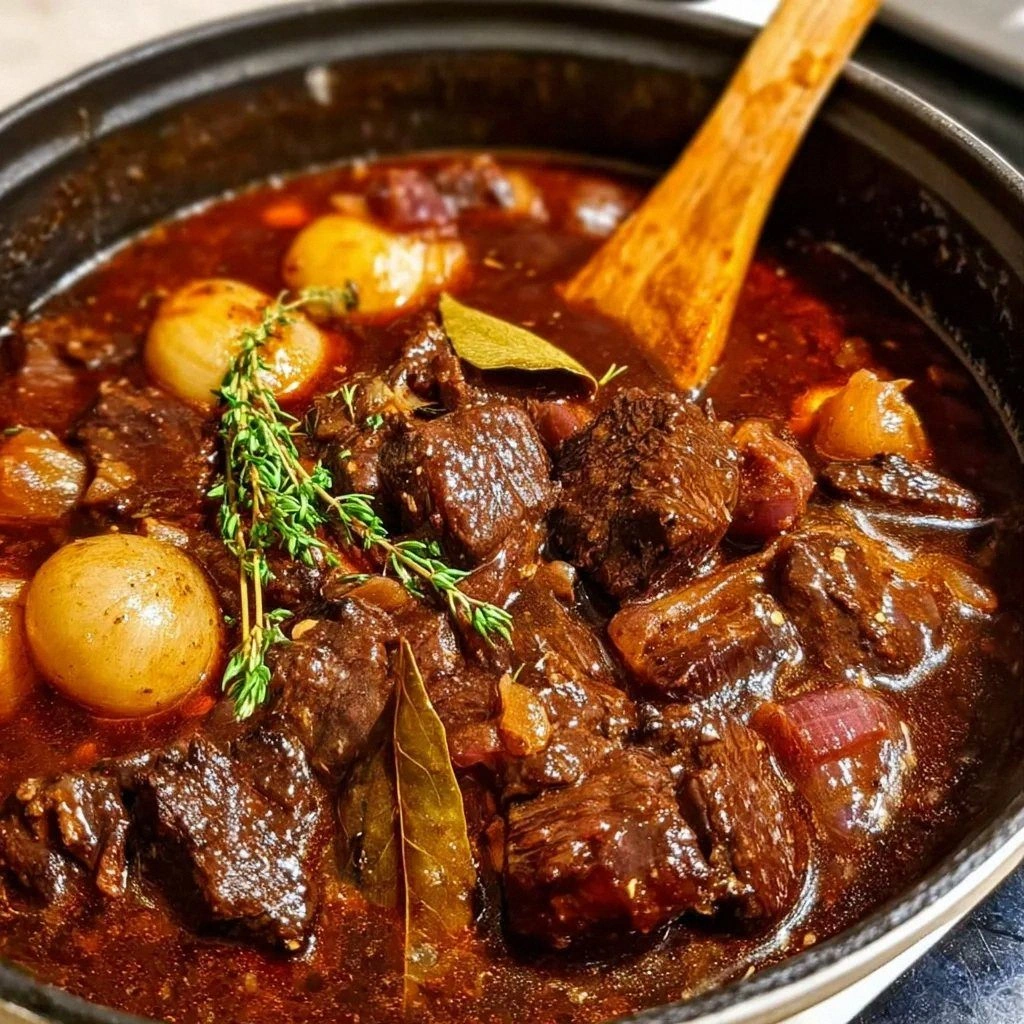
Picture yourself pulling this out of the pot, the whole kitchen smelling incredible, the steam curling like a fragrant veil that whispers promises of tender meat and sweet‑savory depth. The sauce coats each piece of beef like velvet, while the pearl‑onion pearls burst with a gentle caramel sweetness that makes you want to lick the spoon clean. You’ll hear the faint pop of bay leaves as they release their earthy perfume, and you’ll feel the comforting weight of the stew as it settles into your bowl, ready to soak into a crusty piece of bread. The first bite? It’s a symphony of umami, acidity, and a hint of honeyed warmth that dances on your palate, leaving you daring yourself to take another spoonful.
Most recipes get this completely wrong. They either skimp on the wine, forget the cinnamon, or over‑sweeten with sugar, turning the stew into a cloying mess. What sets this version apart is the balance of bold, unexpected flavors and the meticulous layering of each component, ensuring that every bite is a revelation. I’m talking about a method that sears the beef to a caramelized crust before it even meets the sauce, a splash of red wine vinegar that brightens the whole thing, and a whisper of allspice that ties the whole flavor profile together. If you’ve ever struggled with a stew that tastes flat or watery, you’re not alone — and I’ve got the fix.
Okay, ready for the game‑changer? I’m about to walk you through every single step — from selecting the perfect cut of meat to the exact moment you add the honey, because that tiny drizzle is pure magic. By the end, you’ll wonder how you ever made it any other way, and I dare you to taste this and not go back for seconds. Let’s dive in, because the journey from a kitchen mishap to a masterpiece is only a few clicks away.
What Makes This Version Stand Out
- Depth: The combination of red wine, cinnamon, and a splash of vinegar creates a flavor depth that rivals a slow‑cooked Sunday roast, making each spoonful feel like a celebration.
- Texture: Small onions become melt‑in‑your‑mouth pearls while the beef stays juicy and fork‑tender, thanks to the initial sear and the long, gentle simmer.
- Simplicity: Despite the impressive taste, the ingredient list is short and the technique is straightforward, perfect for busy weeknights or lazy weekends.
- Uniqueness: The addition of a single cinnamon stick and a drizzle of honey is an unexpected twist that elevates the stew from ordinary to unforgettable.
- Crowd Reaction: I’ve served this at dinner parties and watched guests hover over the pot, whispering “What’s in this?” before devouring every last bite.
- Ingredient Quality: Using well‑marbled chuck and good‑quality red wine ensures a rich, silky broth that you simply can’t achieve with cheap cuts.
- Cooking Method: The two‑stage cooking—sear then simmer—locks in juices and builds layers of flavor without the need for a fancy Dutch oven.
- Make‑Ahead Potential: This stew tastes even better the next day, making it a perfect candidate for meal prep or a comforting leftovers dinner.
Inside the Ingredient List
The Flavor Base
The backbone of any great stew is its aromatic foundation, and here we start with olive oil, garlic, and small onions. Olive oil provides a fruity richness that carries the garlic’s pungency without overwhelming it, while the onions add a natural sweetness that caramelizes as they soften. If you skip the garlic, you’ll lose the essential aromatic punch that makes the sauce sing; if you omit the onions, the stew will lack that comforting, almost caramel‑like undercurrent.
The Texture Crew
Chuck or stew‑cut beef is the star of the show, chosen for its marbling that melts into the broth, creating a silky mouthfeel. The small (pearl) onions are not just garnish; they absorb the sauce, swelling into juicy gems that burst with sweet flavor. If you’re forced to use larger onions, chop them into bite‑size pieces and add them early so they have time to soften and sweeten.
The Unexpected Star
A single cinnamon stick and a tablespoon of honey might sound like a dessert, but in this savory context they act like secret agents, adding warmth and a hint of sweetness that balances the acidity of the tomatoes and wine. Skip the honey and you’ll notice a thin edge of sharpness; forget the cinnamon and the stew loses its signature Greek soul. If you can’t find a cinnamon stick, a pinch of ground cinnamon added at the end works, but the stick releases its flavor more gradually.
The Final Flourish
Crushed tomatoes give the stew its body, providing a tangy, slightly sweet base that melds beautifully with the wine and vinegar. Red wine adds depth, acidity, and a subtle fruitiness, while red wine vinegar brightens the entire composition, preventing it from feeling heavy. Dried oregano and allspice bring the quintessential Greek herbaceous note and a whisper of warm spice that ties everything together. Salt and pepper, of course, are the final seasoning that lifts every other flavor.
When you shop for beef, look for a cut with visible marbling — those little streaks of fat are the secret to a tender, juicy result. If you’re buying from a butcher, ask for a “stewing cut” and have it cut into 1½‑inch cubes. For the wine, a dry Merlot or Cabernet works beautifully; avoid overly sweet varieties that will clash with the honey. And remember, the quality of each ingredient shines through, so don’t skimp on the olive oil or the tomatoes.
Everything's prepped? Good. Let's get into the real action...
The Method — Step by Step
Heat 2 tablespoons of olive oil in a heavy‑bottomed Dutch oven over medium‑high heat until it shimmers. Toss in the beef cubes, making sure not to overcrowd the pan, and sear each side until a deep, caramel‑brown crust forms. That sizzle when it hits the pan? Absolute perfection. Once browned, transfer the meat to a plate and set aside — this step locks in juices and builds the stew’s foundation.
In the same pot, add a bit more oil if needed, then drop in the small onions. Cook them, stirring occasionally, until they start to turn translucent and the edges begin to caramelize, about 4‑5 minutes. Add the minced garlic and stir for another 30 seconds, letting its aroma fill the kitchen; this is the moment your nose knows you’re on the right track.
Return the seared beef to the pot, then pour in 1 cup of red wine, deglazing the pan by scraping up every browned bit stuck to the bottom. Let the wine reduce by half, which should take about 5‑6 minutes; you’ll notice the sauce thickening and the alcohol scent mellowing into a sweet, fruity perfume.
Stir in the crushed tomatoes, ensuring they fully coat the meat and onions. Add the cinnamon stick, bay leaves, dried oregano, and allspice now, allowing the spices to mingle with the tomato‑wine base. This is where the stew starts to look like a deep ruby‑red masterpiece.
Season with salt and pepper, then pour in 2 tablespoons of red wine vinegar and 1 tablespoon of honey. The vinegar will brighten the sauce while the honey rounds out the acidity, creating a harmonious sweet‑sour balance that’s the hallmark of authentic stifado.
Bring the mixture to a gentle boil, then lower the heat to a simmer. Cover the pot and let it cook for 1½ hours, stirring occasionally and checking that the liquid hasn’t evaporated too much. If the stew looks dry, add a splash of water or broth; the goal is a thick, glossy sauce that clings to each piece of meat.
After the hour‑and‑a‑half, test the beef with a fork — it should be so tender that it almost falls apart. If it’s not quite there, continue simmering in 10‑minute increments, checking the texture each time. This is the moment of truth: the meat should melt in your mouth while still holding its shape.
Remove the cinnamon stick and bay leaves. Taste the stew and adjust seasoning with a pinch more salt, pepper, or a drizzle of honey if you crave extra sweetness. This final adjustment is pure magic; a tiny tweak can elevate the whole dish.
Serve the stifado hot, spooned over fluffy rice, buttery mashed potatoes, or crusty bread that can soak up the luscious sauce. Garnish with a sprinkle of fresh parsley if you like a bright finish, though the stew is already a star on its own. That first bite? It’s a celebration of bold flavors that will have you reaching for seconds before the spoon even hits the bottom.
Insider Tricks for Flawless Results
The Temperature Rule Nobody Follows
Never sear beef over roaring high heat; a medium‑high setting gives you that golden crust without burning the exterior. I once tried a blast of heat and ended up with a burnt outer shell and raw interior — a disaster that taught me to respect the “sweet spot.” Keep the pan hot enough to sizzle, but not so hot that the oil smokes, and you’ll lock in juices while building flavor.
Why Your Nose Knows Best
When the wine reduces, trust the aroma rather than the clock. If the sauce still smells sharp and alcoholic, keep simmering; once the scent turns fruity and mellow, you know the alcohol has cooked off and the flavor has deepened. This sensory checkpoint saves you from a stew that tastes like a wine‑scented broth.
The 5‑Minute Rest That Changes Everything
After you turn off the heat, let the pot sit, covered, for five minutes. This short rest allows the fibers of the beef to relax and re‑absorb the juices, resulting in a more tender bite. Skipping this step is a common mistake that leaves the meat slightly dry.
Don’t Forget the Sweet Balance
A tablespoon of honey may seem insignificant, but it’s the secret that prevents the acidity from overpowering the stew. If you accidentally add too much, a splash of extra vinegar can bring it back into balance. This push‑pull of sweet and sour is what makes stifado unforgettable.
The Onion Whisper
Small onions should be added early, not at the end. Their long, slow cooking releases sugars that caramelize, creating a sweet undertone that complements the savory broth. If you add them too late, they remain crunchy and out of sync with the tender beef.
Creative Twists and Variations
This recipe is a playground. Here are some of my favorite ways to switch things up:
Lamb Stifado
Swap the beef for lamb shoulder, and you’ll get a richer, slightly gamier stew. The same spices work beautifully, but add a pinch of rosemary for an extra Mediterranean flair. Perfect for those who love the distinct taste of lamb.
Vegetarian “Stifado”
Replace the meat with hearty mushrooms (like portobello or shiitake) and add diced carrots for sweetness. Use vegetable broth instead of wine, and the result is a deeply satisfying, umami‑packed stew that even meat‑eaters enjoy.
Spicy Kick
Add a chopped red chili or a pinch of smoked paprika during step 4 to introduce a subtle heat. The spice pairs well with the cinnamon and allspice, giving the stew a warm, lingering finish.
Wine‑Free Version
If you’re avoiding alcohol, substitute the red wine with equal parts beef broth and pomegranate juice. The juice adds a fruity depth that mimics the wine’s complexity while keeping the stew family‑friendly.
Herb‑Infused Finish
Stir in a handful of fresh mint or basil just before serving for a bright, herbaceous contrast. This fresh note lifts the richness and adds a pop of color, making the dish look as good as it tastes.
Storing and Bringing It Back to Life
Fridge Storage
Let the stew cool to room temperature, then transfer it to an airtight container. It will keep for up to 4 days in the refrigerator. Reheat gently on the stove over low heat, adding a splash of water or broth if the sauce has thickened too much.
Freezer Friendly
Portion the stew into freezer‑safe bags or containers, leaving a little headroom for expansion. It freezes beautifully for up to 3 months. Thaw overnight in the fridge, then reheat in a saucepan, again adding a splash of liquid to revive the silky texture.
Best Reheating Method
For the ultimate reheated experience, use a low simmer on the stovetop and cover the pot. Add a teaspoon of water per serving; the steam will bring the sauce back to its original glossy sheen. Avoid microwaving, as it can cause uneven heating and a rubbery texture.